
Girls Night Mahjong Party Ideas: Host & Play Like a Pro
Last updated: Nov 23, 2026
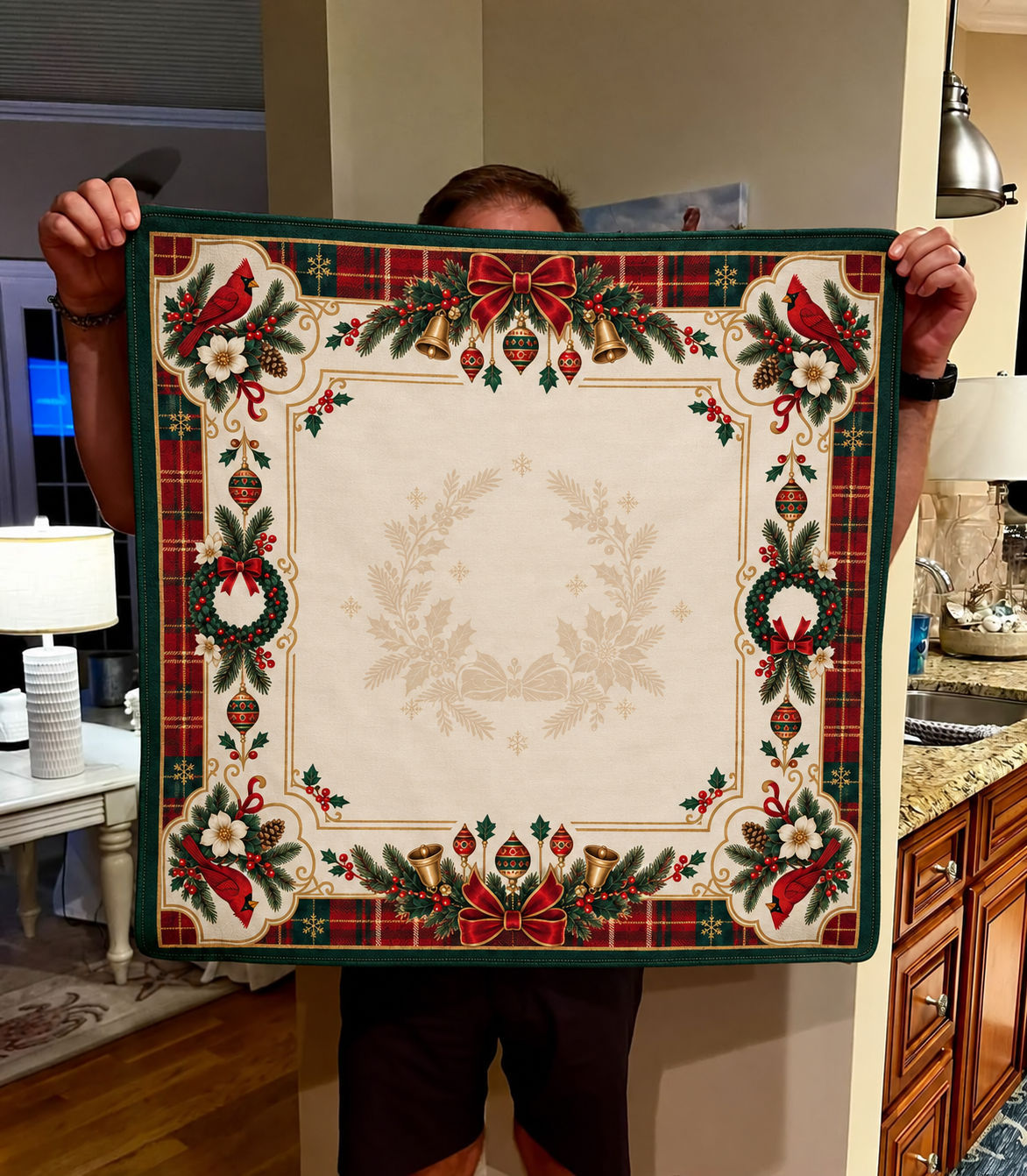
A girls' night mahjong party is a 3–4 hour gathering where four players compete in the American game using the current year's National Mah Jongg League hand card, a standard 160-tile acrylic set, and a mat to organize tiles. You'll need a table large enough for four, snacks, drinks, and a scorepad; most parties run two to four rounds. The game itself costs nothing beyond the initial set (see our best-selling mahjong sets collection for options). Avoid playing without the official hand card, mixing tile counts, or allowing players to call sequences (chows)—those are Chinese rules, not American. The hardest part is usually the first Charleston (tile pass); after that, it flows. Host on a Friday or Saturday evening, invite friends who want to learn or are already comfortable playing, and plan for roughly two hours of actual game time plus an hour of setup, laughs, and snack breaks.
How do I set up the table so everyone can see and reach tiles comfortably?
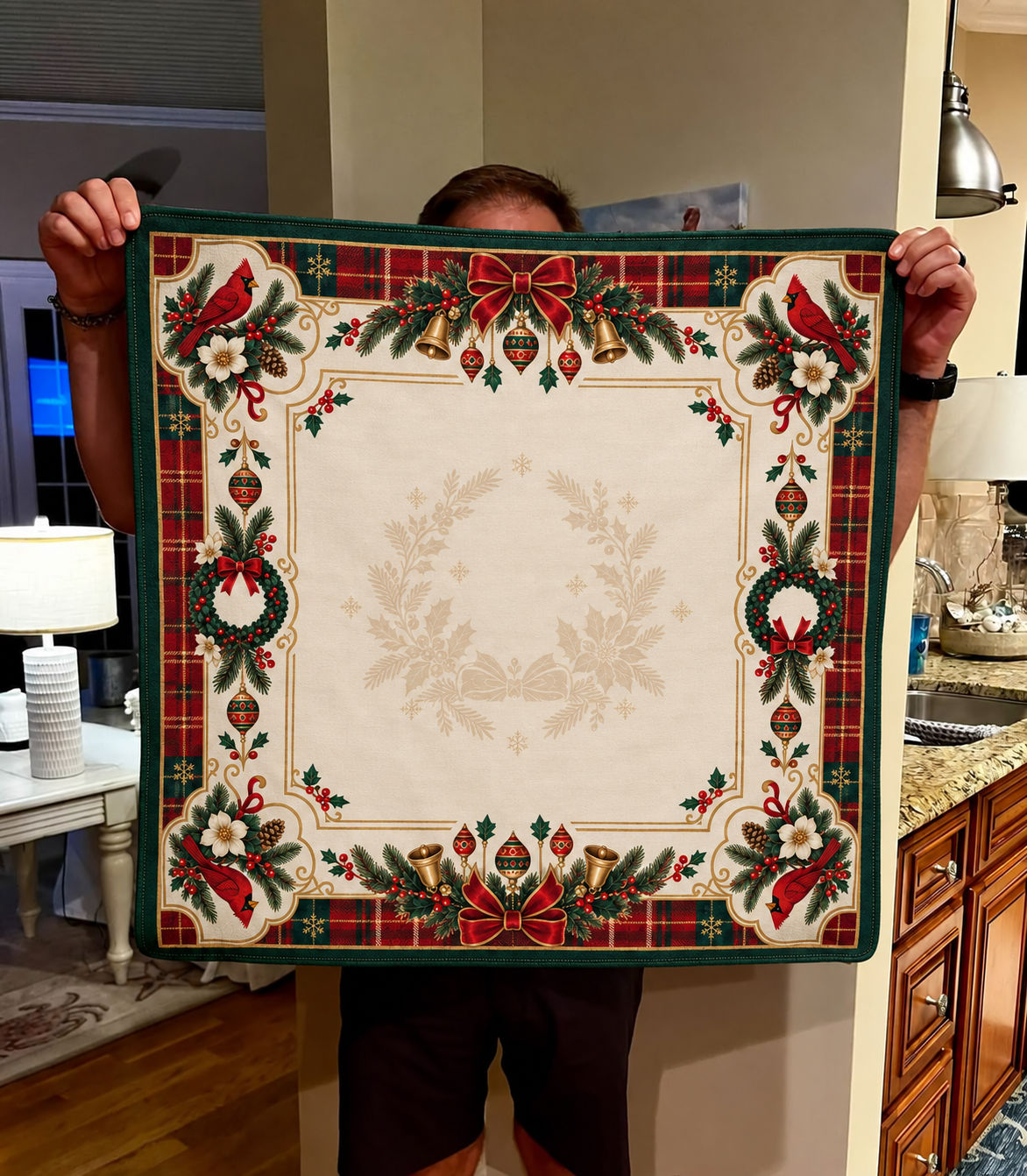
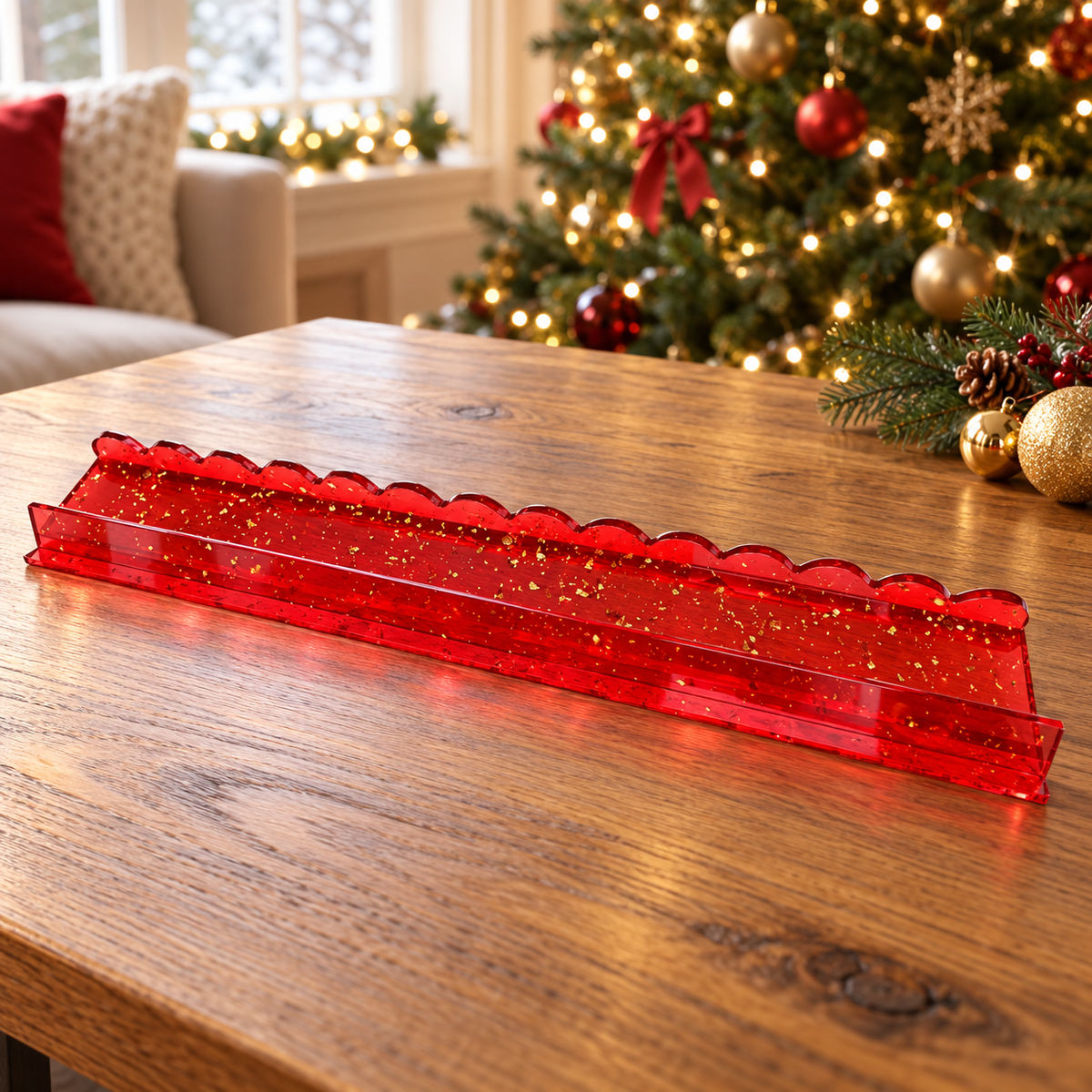
Arrange the table so each of the four players sits on one side, with each person's rack on the rail closest to them. Place the central discard area (the middle of the table) where all discard tiles land face-up and visible. A dedicated mahjong mat keeps the tile layout organized and protects the table surface. If using mahjong racks with pushers, each player gets one at their side; racks hold the player's 13 tiles and keep them hidden from others. Ensure seating has elbow room—mahjong is slow enough that cramped players grow frustrated. Light the room well; tiles under poor lighting cause missed calls and slow play.
What snacks and drinks work best during a 3–4 hour game?
Skip anything sticky or crumbly that ruins tiles. Set up a side table with cheese, crackers, nuts, grapes, and cookies—items you can eat with one hand while playing with the other. Offer wine, beer, sparkling water, or tea in covered cups only; a drink spilled on a single tile means you either replace the set or restart. Many groups keep mints available so breath stays fresh during the close table talk. Don't serve the heavy meal until the game ends; a full stomach makes players drowsy. Some groups bring store-bought dessert and coffee for after the final round—a natural wind-down ritual.
Which game format keeps a group of four engaged longest?
American mahjong typically runs four hands per round (each player dealers once); most groups play two to four rounds in an evening. A single round takes 20–40 minutes depending on player speed and lucky draws. To build competition, track cumulative scores across all rounds on a simple scorepad—the tension of a running total keeps everyone focused. If someone is new, allow that person to play two practice hands before scoring counts. Some groups rotate who plays to keep four people, so if one sits out, they run the discard pile or keep score. A "closest game wins dinner" or "lowest score buys next round's snacks" adds just enough stakes to feel real without going too far.
What's the quickest way to teach someone the rules before the party?
Send a link to how to play American mahjong a week ahead so they can read at their own pace. During setup, explain the four hand types (pung, kong, quint, sextet), the Charleston tile pass, and the role of jokers. Run one full practice hand where you talk through every step: drawing, discarding, checking the card, calling a match. Don't rush; one clear practice hand eliminates most night-of confusion. Print or project a copy of the current year's hand card so all players can reference it together. Keep the official rulebook or a beginner guide handy for tie-breaker questions.
How do I choose between hosting at my place versus a neutral venue?
Hosting At | Pros | Cons |
Your home | No travel; your setup & snacks; intimate feel | Tile cleanup; limited table space; player spill risk |
Neutral venue (library, club, cafe) | Fewer worries about damage; often has large tables | Less control over noise; less personal; may need reservations |
Rotating homes | Shares hosting duty; keeps group connected; different ambiance | Inconsistent table quality; travel for players |
Home hosting works if you have a sturdy table that seats four comfortably and you don't mind a few tile crumbs. Neutral venues suit larger or newer groups where you want less stress. Many libraries and community centers have meeting rooms you can reserve free or very cheaply—call ahead to confirm table size.
🀄 Shop best-selling mahjong sets →

What gifts should I bring or give the group?
If you're a guest, arrive with wine, cheese, or flowers—nothing tile-related unless you know exactly what the host plays. If you're hosting a regular group, consider an engraved mahjong set with the group's nickname or a funny phrase as a keepsake or trophy for the season's top scorer. A travel bag or case works for a player who hosts regularly or travels to games. New players often appreciate a scorepad or a printed hand-card cheat sheet. Avoid giving a full set unless you know the person plays—sets are bulky and personal tastes on design vary widely.
How do I manage a beginner and experienced players in the same game?
Seat them in alternating positions so a beginner isn't flanked by two experts reading every move. Play one or two "learning hands" where scorekeeping doesn't count and experienced players answer questions freely. Once real scoring begins, treat the beginner as a full competitor—patronizing loses their engagement fast. Expect the beginner to win sometimes; mahjong has luck, and draws even the field. After the game, offer a 10-minute debrief: what hands they saw, where they could have called a match earlier, how to read the card faster. Most beginners become regular players if they see one win and feel genuinely welcomed.
What to check before you buy
Set size and weight: Standard 160-tile acrylic sets weigh 5–7 pounds; if you'll carry it often, a travel bag is essential, not optional.
Tile clarity: Acrylic tiles should be easy to read from a distance; check that characters are large enough for the whole table to see discards clearly.
Mat surface: If your table is glossy or wood, a mat prevents tiles from sliding and protects the surface; see mat buying guidance for sizing.
Joker count: Confirm your set has the 8 jokers needed for American play; a 160-tile set includes spares that never see the table.
Hand card year: Verify you have the 2026 National Mah Jongg League card; hands change every spring, and old cards break the game.
🎁 See our most-loved mahjong sets & accessories →
Hosting Checklist
Reserve or prepare table (4-person seating, good lighting)
Print or project 2026 hand card (four copies ideal)
Confirm all four players have transportation or offer carpool
Buy snacks and covered beverages; prepare a side table
Test your set: draw all 152 tiles to confirm nothing is chipped or missing
Review Charleston rules and practice tile passing once
Have scorepad and pencil ready
Designate one player as score-keeper or rotate per round
Plan one practice hand before official rounds
Prepare a "beginner rules" sheet if anyone is new
✨ Find your Mahstead set — free US shipping →
FAQ
Can I play mahjong with just three people instead of four?
Yes, American mahjong has official three-player and two-player rules, though four-player is the standard. Hands and scoring change; see the 2 and 3 player mahjong rules guide for full details.
Do I need the official hand card, or can I use one online?
You need the physical card printed or projected at the table so all four players see it together. The National Mah Jongg League card changes every April; only the current year's card is legal for play. Using an old card or an unofficial list breaks the game.
What if someone doesn't know how to play but wants to join?
Invite them early enough to read the beginner guide or watch a video. Host one full practice hand before scoring starts, with experienced players talking through every step. Treat them as a full player, not a charity case, and they'll likely return.
How often should we play to keep the group together?
Weekly or biweekly works best for consistency. Monthly feels too scattered; players forget rules and enthusiasm drops. Most regular groups meet Friday or Saturday evening, rotating hosts every few weeks.
What's the most common beginner mistake?
Calling a match too late because they didn't check the hand card frequently enough. Beginners also try to lay down sequences (chows), which aren't allowed in American mahjong—only pungs, kongs, quints, and sextets count.


View More
View More
View More
