
Mahjong Rack Bag Under $300: What to Choose
Last updated: Nov 23, 2026
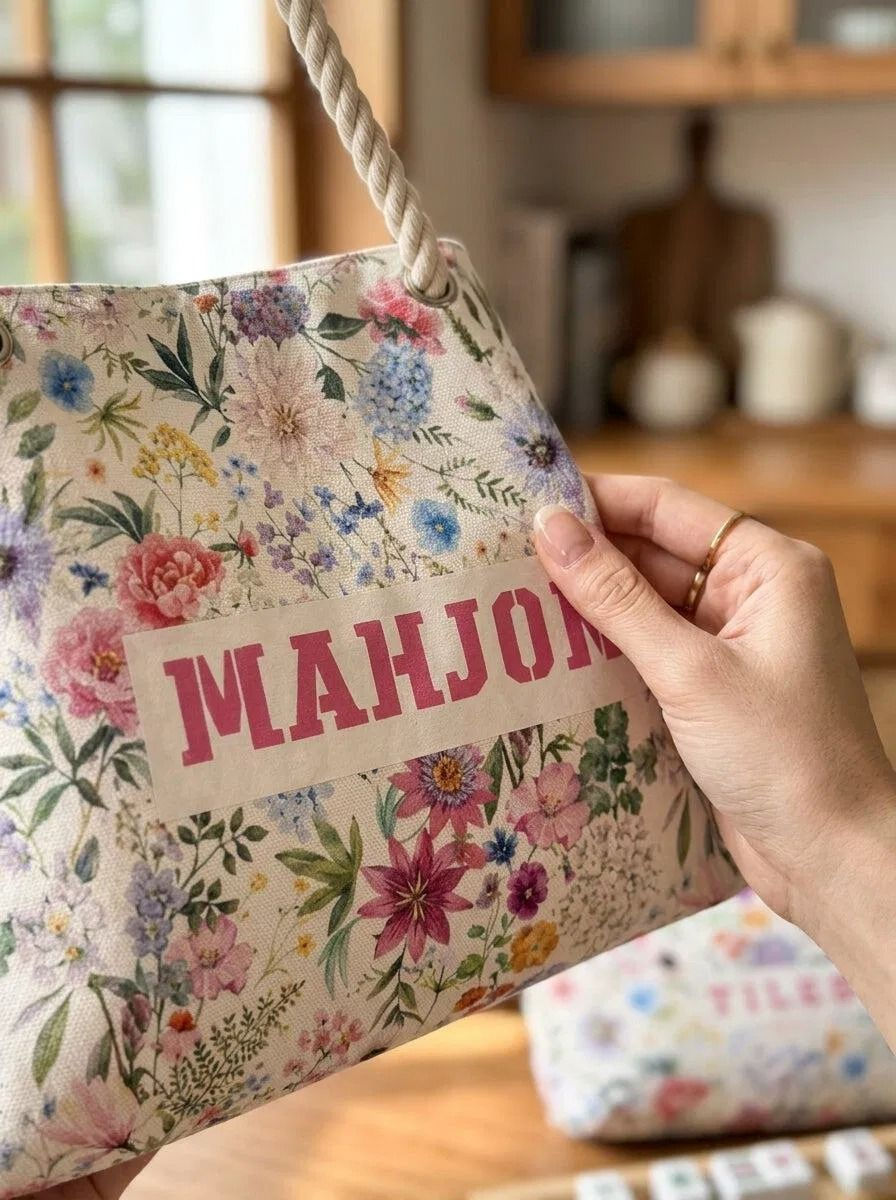
A mahjong rack bag is a protective carrying case designed to hold your acrylic mahjong set, tile racks with pushers, mat, and dice all in one place. Most quality bags combine padded compartments, durable nylon or canvas fabric, and reinforced handles to survive regular transport between home games, club meetings, and tournaments. Sizes range from compact (fit-everything-in-one-pouch) to full-size (separate slots for set, racks, and mat). Mahstead offers engraved travel bags and cases designed by players for players, with options that fit different set sizes and organizational preferences. Cost varies based on material, internal padding, and compartment count. Before ordering, confirm your set size (160-tile acrylic sets are standard), whether you want one unified bag or separate cases, and if you'll be checking it on flights or keeping it home-based.
What exactly fits inside a mahjong rack bag?
A standard mahjong rack bag holds one complete 160-tile acrylic set, a pair of wooden or acrylic racks with pushers, one felt playing mat, and a set of dice—everything needed for a full game. Some bags include elastic bands or mesh pockets for joker chips, score pads, and the current year's National Mah Jongg League card. Compartments are typically arranged so tiles sit flat (not stacked vertically, which can warp acrylic over time) and racks nestle vertically or horizontally depending on the bag design. A well-designed bag prevents tiles from shifting during transport and keeps the mat from creasing.

Who should buy a unified bag versus separate cases?
A unified bag works best if you play at one regular location (home or club), host rotating games, or travel infrequently—you grab one item and go. Separate cases suit tournament players, traveling professionals, or players who own multiple sets and want to swap components. A combined bag is lighter and takes less closet space; separate cases let you mix and match sets on the fly. Consider your car's trunk space, how often you move your gear, and whether you ever travel by air (TSA-friendly bags with sturdy zippers matter more then).
Bag Style | Best For | Key Feature | Travel-Friendly? |
All-in-one unified case | Weekly home/club players | Single zipped compartment, handles | Yes, compact |
Multi-pocket roll bag | Frequent travelers, tournaments | Separate slots, longer footprint | Yes, if under carry-on limits |
Backpack-style bag | Players with long commutes | Shoulder straps, chest buckles | Yes, hands-free |
Rigid hard case | Air travel, collectors | Foam-lined, locks, airline-rated | Yes, maximum protection |
Sling or shoulder pouch | Casual, local games only | Minimal padding, lightweight | Yes, minimal |
What material and padding do you actually need?
Canvas and nylon are industry standards—canvas breathes and ages gracefully; nylon resists moisture. Look for a bag with at least one padded layer (typically 5–10 mm foam or batting) around the tile compartment. Racks and mats need less cushioning since they're harder; tiles are the concern. Reinforced stitching at the bottom and handles matters more than flashy exterior design. Zippered pockets are useful for joker chips and dice but not essential. If you're flying or storing in a basement, sealed stitching prevents dust and humidity damage.
How do you avoid common rack bag mistakes?
Mistake 1: Overstuffing—tiles shift during car rides and get scuffed. Leave a quarter-inch of breathing room around the tile stack.
Mistake 2: Storing without airing out—damp bags breed mold inside acrylic. After humid game nights, leave the bag unzipped for 2–3 hours before closing.
Mistake 3: Buying based on exterior looks alone—interior layout matters far more. A beautiful bag with one giant pocket forces you to nest tiles on top of racks, causing tile edge wear. Test the compartment layout on the product page or ask the maker for internal photos.
Mistake 4: Forgetting about your set's size—confirm whether your mahjong set is standard 160-tile acrylic before ordering. A compact bag won't fit a deluxe set with extra jokers.
Mistake 5: Ignoring handle attachment strength—if handles are only stitched (not riveted or boxed), they fail after six months of weekly transport. Test-grip the handle in person or read returns data for durability complaints.

What should you check before you buy?
Interior dimensions. Measure your tile stack height (typically 2–3 inches for 160-tile sets), rack widths, and mat length. Many sellers list interior width/depth/height—confirm your set fits with padding intact.
Compartment layout. Ask: Are tiles separated from racks? Is the mat in a dedicated pocket or rolled inside the main space? Can you remove the mat without unloading tiles? Photos of an empty, unfolded bag reveal design better than marketing shots.
Material and lining. Check if the interior is lined (prevents tile scratches and dirt transfer) and if the outer fabric is waterproof or water-resistant. Nylon is superior to bare canvas for damp climates.
Handle style. Dual padded handles are standard. Single-handle bags are lighter but tire your shoulder faster if you're carrying weekly to the same venue. Backpack straps suit longer commutes.
Zipper quality. A YKK or comparable branded zipper lasts years; no-name zippers jam after months. Check product reviews or ask the maker.
Weight when empty. For frequent travel, an empty bag over 3 pounds becomes a pain. Ultralight bags sacrifice padding; heavier bags (4–5 pounds) often hold more securely.
Return and repair policy. Honest makers offer 30-day returns if the bag doesn't fit your set or a zipper fails within a year. Avoid sellers with no policy listed.
🀄 Shop best-selling mahjong sets →
Real-world comparison: three player scenarios
Scenario 1: Weekly home game host. You play every Thursday with the same four friends at your dining table. You need a bag that stays tidy in your hall closet, protects your acrylic set from dust, and travels 10 minutes by car. A unified all-in-one bag with lightweight nylon exterior and simple padding works perfectly. No backpack needed—one hand carries it to the car, and it stores flat when not in use.
Scenario 2: Tournament player. You play in regional tournaments three times a year and attend a monthly club meetup. Your set gets packed, unpacked, and repacked weekly. You need maximum compartment separation, reinforced handles, and a zipper that stays sealed in a car trunk. A multi-pocket roll bag or structured hard case is worth the extra cost—it protects your tiles from rubbing against your racks and keeps your mat crease-free for scoring photos.
Scenario 3: Traveling or snowbird. You move between two homes or play in different cities seasonally. You fly with your set twice a year and drive locally weekly. You need TSA-friendly dimensions, padded interior, and a handle that doubles as a carry-on grip. A backpack-style bag or rolling suitcase-style bag is ideal—it fits overhead bins, distributes weight evenly, and lets you move faster through airports.
How to measure your set before ordering
Lay your 160-tile acrylic set on a flat surface with all tiles stacked in a single pile (not separated by suit). Measure the height (typically 2.5–3 inches), width of the stack (usually 3–4 inches), and depth (usually 4–5 inches). Note the longest dimension. Wooden racks are typically 8–10 inches long and 1–2 inches wide. A felt mat is usually 24–30 inches square when rolled. Share these measurements with the seller before purchasing, or check the product page's compatibility chart. Mahstead's travel bag collection includes interior dimension specs for each style—match them to your gear.
Choosing a rack bag under your budget is less about price and more about matching the bag's layout to your playing style. A unified design suits home players; a multi-compartment roll works for tournament competitors; a backpack suits frequent commuters. Inspect interior photos, confirm material durability, and test zipper quality before checkout. Most quality bags last five to ten years of weekly play, so treat the purchase as a long-term investment in your game gear, not a temporary accessory.
🎁 See our most-loved mahjong sets & accessories →
What to know about bag materials and long-term care
Canvas retains character over years—scuffs become part of the aesthetic—and costs less upfront. Nylon is more water-resistant and easier to wipe clean. Both need air-drying after humid storage; never close a damp bag, or tiles absorb moisture and warp. Padded dividers inside prevent tiles from rattling and damaging acrylic edges during transport. If your game moves outdoors in summer or to basements in winter, a nylon bag with sealed stitching is the smarter choice. Leather-trimmed bags are decorative but offer no performance advantage over canvas with reinforced corners.
✨ Find your Mahstead set — free US shipping →

FAQ
What's the difference between a mahjong bag and a regular tile storage box?
A bag is portable with handles and compartments; a box sits stationary at home. Bags pack racks, mats, and dice together for transport; boxes store tiles vertically in a single drawer or shelf and often lack padding for road travel.
Can I fit two mahjong sets in one large bag?
Rarely without crushing tiles or racks. Most bags are designed for one set plus accessories. Two sets need either two bags or one XL hard case with foam inserts—ask the maker for custom dimensions.
Do I need a separate mat bag, or does the mat fit inside the main case?
Quality bags have a dedicated mat pocket or elastic straps that hold the mat flat against the bag's interior. Rolling the mat tightly inside the tile compartment creases it and takes space from tiles.
Is a padded bag necessary, or can I use a canvas tote?
A plain tote risks tile edge wear and scratches during bumps and hard stops while driving. Padded bags cost more but extend your set's lifespan by 5–10 years. For occasional local play, a tote works; for weekly or tournament play, padding is worth it.
How do I clean and maintain my mahjong bag over time?
Wipe nylon exterior with a damp cloth; let it air-dry completely before closing. For canvas, use a soft brush to remove dust. Never machine-wash any bag (stitching and zippers fail). Inspect zippers monthly and apply a small amount of graphite powder if they jam.
What size handle should I look for if I carry my bag by hand every week?
Dual padded handles at least 12 inches in circumference reduce hand fatigue. Test-grip the bag in person if possible—thin handles feel heavy after five minutes; thick padded handles stay comfortable for 15+ minutes.
Can I store my bag in a car trunk year-round?
In hot climates, acrylic tiles can warp if exposed to sustained heat (over 140°F). Use a hard case with ventilation, or store in a climate-controlled space. In cold, humidity is the main risk—ensure the bag is completely dry before long-term trunk storage.


View More
View More
View More
