
Thai Mahjong Tile Sets: Variants, Rules & How to Choose
Last updated: Nov 23, 2026
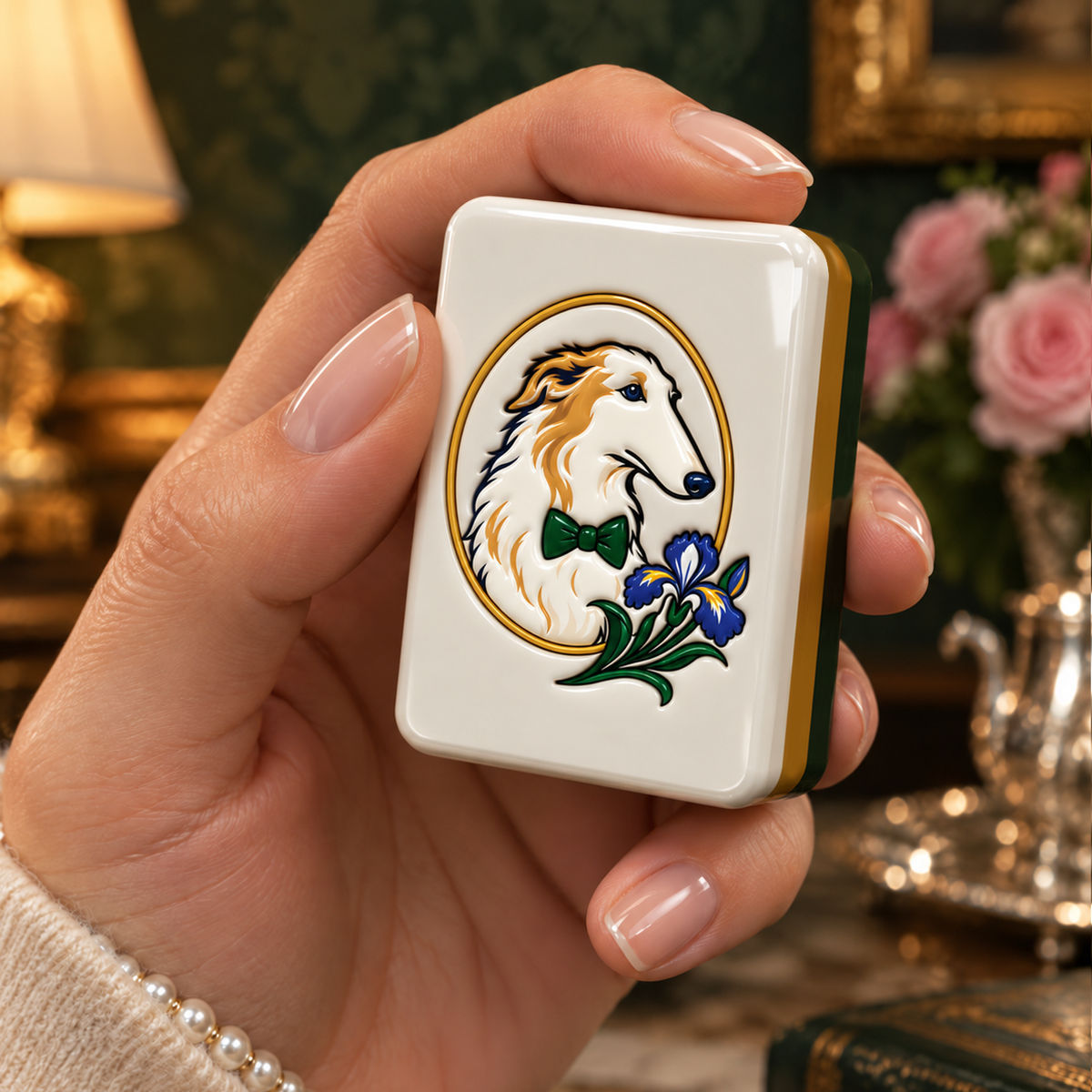
Thai mahjong differs from American mahjong in tile count (144 tiles vs. 152), suit symbols (Thai numerals on Bams, Craks, Dots), hand-winning patterns drawn from a different reference card, and joker rules—Thai play allows jokers in most positions. The game is played across Thailand, Southeast Asia, and by diaspora communities worldwide. A typical Thai game lasts 2–4 hours with four players; sets typically include 144 tiles (no blanks or spares), wind tiles, dragon tiles, flower tiles, and jokers. Sets range widely in material and design; we recommend examining tile size (usually 1 inch), clarity of suit markings, and whether the accompanying card matches your preferred rule variant. Avoid sets with unclear symbols or missing jokers; check the seller's return policy before ordering. At Mahstead, we specialize in best-selling American mahjong sets, though many Thai players also appreciate American-style acrylic sets for durability when learning Thai rules.
What is Thai mahjong, and how does it differ from American mahjong?
Thai mahjong is a variant rooted in Chinese 144-tile mahjong, adapted with Thai-specific hand patterns and joker usage. The core tiles—Bams, Craks, Dots, winds, dragons, flowers—resemble Chinese and American sets, but Thai reference cards show different winning hand patterns and scoring weights than the National Mah Jongg League card used in American play. Thai jokers are more flexible: they can stand in for most tiles (not restricted to melds like American jokers), making hands more forgiving for newer players. The no-Charleston ritual means players draw tiles directly from the wall and discard; there's no tile-passing phase before play. Thai mahjong typically moves faster than American mahjong because hand patterns are fewer and simpler to recognize. Hand sizes remain 13 tiles plus a draw.

Why do Thai sets have 144 tiles instead of 152?
A Thai set includes one copy each of 144 unique tiles: Bams 1–9, Craks 1–9, Dots 1–9 (36 tiles per suit, 108 total), plus 16 wind tiles (four each of North, East, West, South), 12 dragon tiles (four each: Red, Green, White), and 8 flower tiles. American sets add 8 extra jokers and play with exactly 152 tiles in rotation; Thai sets do not include spare tiles or blanks. If you've only played American mahjong, a Thai set will feel lighter in hand during setup because fewer jokers are present and no spares are shuffled aside. Some Thai players mix sets from different makers, which we don't recommend—it creates tile-weight inconsistency and confusion during games.
What suit symbols should you expect on Thai tiles?
Thai tiles display numerals in Thai script (not Western numbers) on Bams, Craks, and Dots. A 1 Bam shows a bird image plus the Thai numeral ๑; higher numbers show the Thai character (like ๕ for five) alongside one or more symbolic dots or marks. Craks traditionally depict floral or geometric designs with Thai numerals. Dots show solid circles in Thai style. Wind and dragon tiles use Thai characters or universal symbols (dragons are often rendered as red, green, or white pictorial marks). If you read Thai, the card becomes clearer; if not, memorize the position of each numeral on the tile face before your first game. Many Western players laminate a reference sheet with Arabic numerals alongside Thai numerals to avoid confusion during fast play.
🀄 Shop best-selling mahjong sets →
How do Thai hand patterns differ from American mahjong hands?
Thai mahjong uses a smaller, more standardized set of winning hand patterns compared to the National Mah Jongg League card, which rotates patterns and includes hundreds of hands each year. Thai hands typically include common "classics" such as: two Pung, two Kong, one pair; three Pung, two Kong; patterns with specific number sequences or honor tiles; and patterns with flowers or joker limits. New players find Thai patterns simpler to memorize because they remain stable year to year and fewer variations exist. American players switching to Thai often over-think hand recognition; focus on tile grouping visually rather than reference-card hunting. The Thai card is usually printed once when you buy the set and doesn't change season to season, reducing the learning curve for casual players hosting weekly games.
What material and durability should you look for?
Thai sets range from bone and bamboo (traditional, heavier, slower wear) to plastic resin or acrylic (lighter, louder, durable, lower cost). Acrylic tiles resist stains and weather better than resin if your games move outdoors in summer. Bamboo backing adds authenticity but can warp in humid climates; check whether the set includes a sealed storage case to protect tiles from moisture and dust. Weight matters: lighter acrylic tiles (0.3–0.4 ounces each) suit travel and younger players; heavier bone or thick resin (0.5+ ounces) feel more traditional and slide more predictably on a mahjong mat. Examine tile edges—sharp corners split under pressure, while chamfered (beveled) edges last longer. If you're buying your first Thai set, start with mid-weight acrylic and a protective travel bag or case; you can upgrade to bone tiles later once you're certain Thai mahjong fits your regular game schedule.

How do you choose between sets if you're a first-time Thai player?
Scenario | Best Set Type | Why It Works | Check Before Buying |
Hosting weekly games indoors | Mid-weight acrylic, branded card | Durable, easy to learn, card is reliable | Tile size (1 inch standard), card clarity, case included |
Travel or casual play | Lightweight acrylic or plastic | Compact, affordable, forgiving of drops | Weight under 3 lbs total, bag with strap, spare jokers |
Experienced player, indoor-only | Bone or thick resin | Authentic feel, better slide, status | Tile uniformity (no thick/thin variation), professional case, bone quality stamp |
Gifting or showpiece | Engraved or hand-painted acrylic | Unique aesthetic, conversation starter | Design clarity won't fade, matches room décor, jokers and card included |
🎁 See our most-loved mahjong sets & accessories →
What to check before you buy a Thai mahjong set
Tile symbols clarity. Open the case and test three random tiles under a bright light—Thai numerals and suit marks should be crisp, not faded or smudged. A blurry ๕ (five) wastes 20 seconds per game finding the correct tile.
Joker count. Count jokers before purchase. Thai sets typically include 2–4 jokers; confirm the number matches the reference card rule sheet, which will specify how many jokers are "in play" for that variant.
Reference card accuracy. Request a photo of the hand-pattern card or ask the seller to confirm the rule variant (Bangkok Rules, Chiang Mai variant, etc.). A wrong card makes the set incompatible with your regular group.
Tile weight and uniformity. Pick up three tiles at random—they should feel identical. A lightweight tile mixed in signals uneven manufacturing; during the fast draw-and-discard phase, light tiles jam the wall's mechanics.
Case and storage. Confirm a case is included. Tiles left loose in a bag absorb moisture and develop mold within weeks in humid climates.
Return policy. Ensure you have 14+ days to return if tiles are broken on arrival or the card doesn't match your group's variant.
What accessories do Thai players need?
A mahjong mat (bamboo or felt) protects tiles and muffles sound during rapid play. Racks with pushers let you arrange hand tiles efficiently—critical for Thai's faster pace. Travel bags or cases protect sets from humidity and dust. Dice (two standard six-sided dice) determine the starting position and drawing order. A scoreboard or pen/paper tracks points across four rounds. Many Thai players prefer acrylic or bamboo racks because they're quieter than plastic and align with traditional mat aesthetics. If your group plays weekly, invest in a mat and racks from the start; they transform games from chaotic to organized and triple the enjoyment for newer players learning to recognize hands quickly.
✨ Find your Mahstead set — free US shipping →
Common mistakes when switching from American to Thai mahjong
Expecting joker limits. American jokers cannot appear in single-tile melds or pairs. Thai jokers are far more flexible—read your card carefully to see which positions allow jokers in your variant. This alone causes rule disputes in mixed-experience games.
Using the wrong reference card. Thai mahjong has regional variants (Bangkok, Chiang Mai, Phuket-style). A Bangkok card won't match Chiang Mai hand patterns. Confirm your group's variant before buying and ensure the set's card matches.
Memorizing American hand numbers. American mahjong names hands by reference-card number. Thai mahjong uses tile-grouping logic (e.g., "two Pung and a Quint"). Unlearning number-based thinking speeds your transition.
Overlooking tile wear. Thai tiles see faster play and more discards. Tiles shuffle directly from hand to discard pile (no Charleston buffer). Low-quality tiles show scratches within 50 games; mid-weight acrylic or bone holds up for 200+ games.
Playing without a mat. American players often play on bare tables. Thai mahjong's faster draw-and-discard cycle demands a mat for tile control; otherwise, tiles scatter, and the wall collapses mid-game.
Key takeaway
Thai mahjong offers a simpler, faster entry point than American mahjong if you're learning hand patterns for the first time. Choose a mid-weight acrylic set with a clear reference card, confirm the rule variant matches your group, add a mat and racks, and expect the first 5–10 games to feel chaotic—muscle memory for Thai tile positions builds by week 3. If you're upgrading from another game or gifting a set, inspect tile uniformity and case quality before ordering; a broken or mismatched reference card ruins the unboxing and delays your first game.

FAQ
Can I play Thai mahjong with an American mahjong set?
No. American sets include 152 tiles, 8 jokers, and reference cards with hundreds of annual hands; Thai mahjong uses 144 tiles, 2–4 jokers, and stable regional pattern cards. The joker rules and hand groupings don't align. Buy or borrow a dedicated Thai set.
What is the standard tile size for Thai mahjong?
Thai tiles are typically 1 inch × 0.75 inches, matching Chinese 144-tile standards. American tiles are slightly larger (1.1 inches × 0.85 inches). Smaller Thai tiles fit standard Thai racks and mats; don't mix sets.
How long does a full Thai mahjong game take?
A single hand lasts 10–20 minutes. A full game (four rounds of play rotating dealer position) lasts 2–4 hours depending on player speed and rule enforcement. Thai mahjong is faster than American mahjong due to simpler hand recognition.
Do Thai mahjong sets come with instructions in English?
Most Thai sets sold internationally include an English translation of the reference card or rule sheet. Verify before ordering. Some sets include only Thai-language cards; confirm with the seller.
Where can I find a Thai mahjong group to join?
Thai mahjong communities gather in community centers, Asian cultural associations, libraries, and temples in cities with Thai populations. Online forums and mahjong meetup boards also list regional groups. Start by asking local Thai restaurants or cultural centers for player contacts.
Should I buy a Thai set or learn American mahjong first?
If you're drawn to Thai aesthetics or know Thai players, start with Thai—it's less complex rule-wise. If you want access to large casual-play communities and annual rule updates, American mahjong offers more social infrastructure in the US. Both teach hand-recognition and tile-management skills.


View More
View More
View More
