
Easiest Mahjong Rules for Canasta Players: From Cards to Tiles
Last updated: Nov 23, 2026
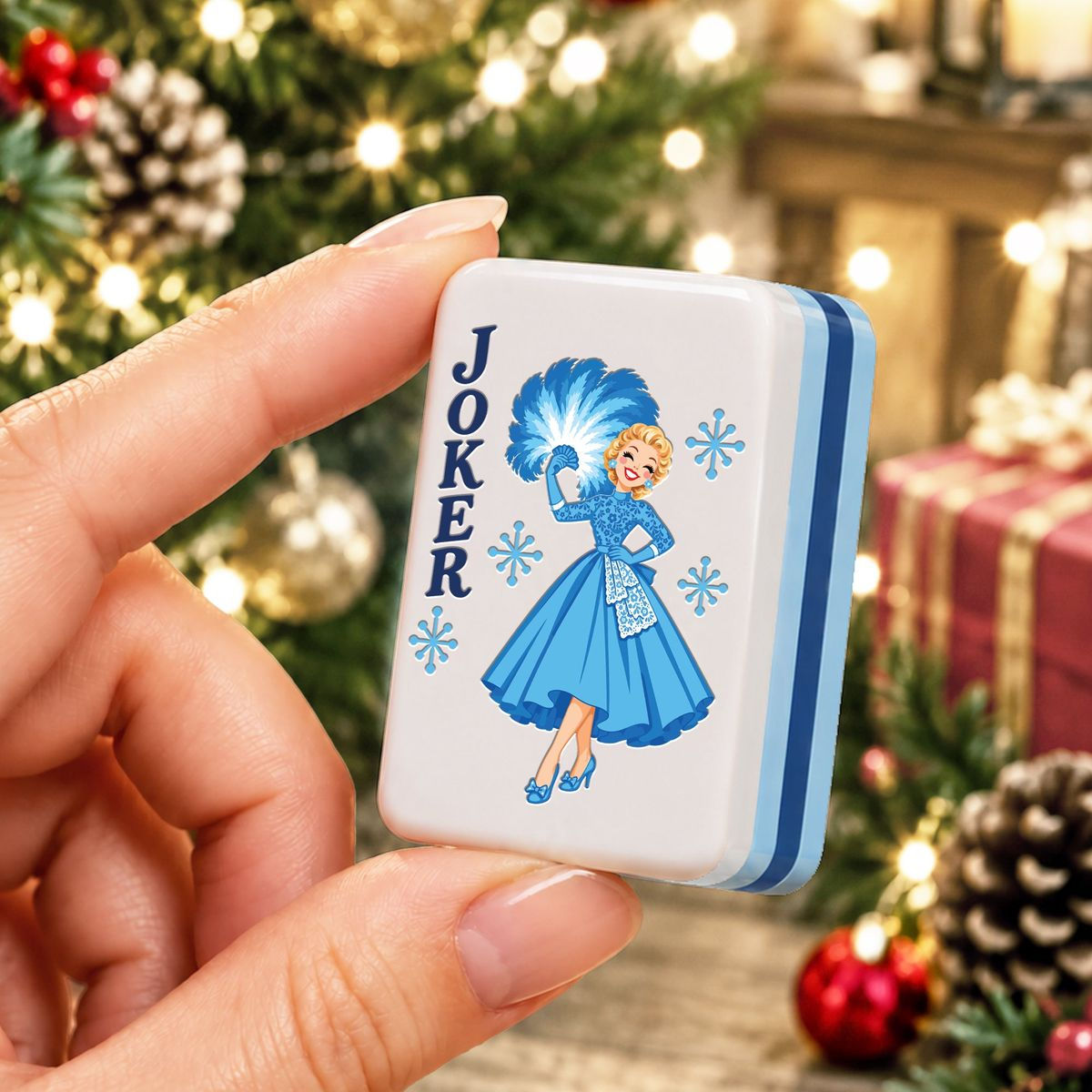
American mahjong is simpler than canasta in one critical way: you cannot form sequences (1-2-3 runs). Instead, you build groups of identical tiles called pungs (three), kongs (four), or longer sets, plus a pair. Like canasta, you draw one tile per turn, discard one, and use a hand reference card (the annual National Mah Jongg League card) to spot winning combinations. A standard American set contains 152 tiles—no special equipment needed beyond the tiles, a mat for organization, and racks to hide your hand. Jokers act as wild cards but never alone or as a pair. The game lasts one hand or a full rotation; scoring follows a points system based on the hand you've formed. Unlike canasta's open melds, mahjong keeps most tiles hidden until you win. Canasta players typically learn American mahjong in 2–4 weeks of weekly play. See our mahjong for beginners guide for a full walkthrough. 🀄 Shop best-selling mahjong sets →
What's Really Different From Canasta?
Canasta taught you to watch discard piles, manage cards by suit, and count points—all directly useful in mahjong. But three rules trip up every canasta player: mahjong has no chows (sequences), you cannot see your opponent's tiles until they're played, and winning depends entirely on the current year's official card. In canasta, you build sequences like 3–4–5 of the same suit; mahjong forbids this entirely. You'll instead focus on collecting three or four of the same tile (a 5 Dot paired with another 5 Dot and a third 5 Dot, for example). The National Mah Jongg League releases a new hand list every spring; you play only hands shown on that card for the current year. This eliminates argument and keeps the game standardized across all American mahjong players nationwide. Your canasta habit of tracking discards becomes even more critical here—knowing which 8 Craks are gone tells you whether someone else can win the hand.

How Pungs and Kongs Replace Your Canasta Melds
In canasta, a natural meld is three cards of the same rank in the same suit; a wild meld adds one joker. Mahjong generalizes this: a pung is exactly three identical tiles. A kong is four. Both are always played openly on the table once declared. If someone discards an 8 Bam and you have two 8 Bams in your hand, you call "Pung!" and expose all three tiles face-up in front of you. This open declaration mirrors canasta's public melds. Longer sets exist too—a quint (five tiles) or sextet (six)—but canasta players find pungs and kongs most natural to start. The key difference: in canasta, you meld face-up mid-game to show progress; in mahjong, you meld to clear your hand toward a winning combination listed on the card. You don't score for melds themselves; you score only when all tiles form a legal hand and you declare "Mahjong!" A canasta player's instinct to expose early often backfires in mahjong. Hold your pungs hidden as long as possible, revealing them only when you're certain they fit your winning hand. This patience separates beginners from consistent winners.
The Role of Jokers: Not Your Wild Card Exactly
Canasta uses jokers as one-for-any card, subject to rummy rules (you can add a joker to an existing meld). Mahjong's joker is more restricted: it substitutes for any tile you need in a pung, kong, or longer set, but it cannot sit alone and cannot be part of a pair. If your winning hand requires a Red Dragon but the tile was already discarded, a joker plugs the gap. However, a joker cannot be your only "pair" tile at the end. This constraint forces you to plan two moves ahead—canasta habits won't work. A set with eight tiles might use three jokers, leaving you flexibility; a set with four tiles might fail if you must use a joker for the pair. Learn how jokers work in depth to avoid the single most common beginner error. Our best-selling sets come with enough jokers (included in the standard 160-tile count) to experiment safely during learning.
🎁 See our most-loved mahjong sets & accessories →
Reading the Card: Your New Hand Reference
Canasta players use no reference card—you memorize melds. Mahjong requires constant reference to the annual National Mah Jongg League card, a chart listing all legal winning hands for that year. Each hand is named (e.g., "2023 Quint" or "Consecutive Pungs") and shows the exact tile pattern you need. The card is public; everyone sees it. Unlike canasta's rigid structure, the card changes yearly, forcing players to re-learn and keep play fresh. For your first few games, expect to spend 20–30 seconds per turn studying the card while your brain translates "which 8 tiles can form a legal hand?" The good news: canasta taught you to recognize patterns quickly. Mahjong patterns are simpler—you're always looking for identical tiles or numbered progressions within a single suit, never mixed-suit sequences. Print the current year's card or buy a laminated version from a club; many people keep a digital copy on their phone as backup. Understand how to read the card for speed and confidence.

The Draw, Discard, and Turn Order: Canasta Speed With a Pause
Canasta and mahjong both begin with a shuffle and deal. In American mahjong, one player is the dealer (East), and play moves counterclockwise. Before the first turn, there's a three-stage passing ritual called the Charleston—you exchange tiles with other players to randomize your hand (no parallel in canasta). After Charleston, turns follow a strict order: draw one tile from the wall, look at it, then discard one tile face-up. If someone else wants your discard for a pung or kong, they call it immediately; otherwise, it joins a central discard pile. Canasta players grasp this instantly. The rhythm is identical: draw, decide, discard. The difference is speed—mahjong's "one tile per turn" feels slower than canasta's ability to quickly play off existing melds, but this slowness is intentional; it gives everyone time to plan and reduces snap decisions. Bring a rack with pushers to organize your hand (18 tiles on hand, plus melds on table). Learn the full gameplay in our how-to guide.
Skill | Canasta | Mahjong | Transition |
Pattern recognition | Match rank + suit | Match identical tiles | Easier—fewer rules |
Discard reading | Track played cards | Track 152 tiles, 8 jokers | More tiles, same skill |
Pair/meld focus | Natural melds (3+) | Pungs (3), kongs (4) | Nearly identical |
Reference rules | Memorized | Annual card (always visible) | Simpler—it's printed |
Scoring | Points for melds + cards | Points for hand type | Similar complexity |
Sequences | Core mechanic (3–4–5) | Forbidden entirely | Biggest mental shift |
Game length | 1 hand ~30 min | 1 hand ~25–40 min | Slightly faster |
What to Check Before You Buy
Tile quality and size. Canasta players used small playing cards (3.5" × 2.25"). Mahjong tiles are bulkier—typically 1.25" × 1" × 0.75"—and benefit from quality engraving so numbers and winds remain visible after thousands of shuffles. Acrylic tiles with deep engraving outlast bamboo alternatives and resist chips. Check that symbols (Bams, Craks, Dots, winds, dragons, flowers) are crisp and not faded.
Racks and pushers. Unlike canasta, mahjong requires a rack with pushers to hide your hand from opponents. A 160-tile set alone isn't playable without racks. Plan to buy one set of racks for every player (typically four). Pushers keep tiles organized; without them, beginners leak information by obvious tile arrangement.
A mat or table cover. Mahjong involves rapid shuffling and tile movement. A padded mat protects your table and provides a uniform playing surface. Choosing the right mat depends on your table size and storage needs—a 30"×30" mat suits most home games. Some players prefer a permanent tablecloth; others use a portable mat for travel.
Dice and wind markers. You'll need two dice to determine who deals first and where the wall begins (a canasta concept you already know). Wind markers track which seat is East, South, West, North—essential for scoring and rotation. Some sets bundle these; verify before purchasing.
Space and visibility. Set aside a 4×4-foot table minimum. Mahjong demands clear sightlines for discards and open melds. If you're hosting weekly, invest in a dedicated setup or a portable mahjong mat and bag for easy storage.
✨ Find your Mahstead set — free US shipping →
From Canasta Night to Mahjong Night: A Practical Checklist
Week 1: Buy a 160-tile set (includes racks) and print the current year's National Mah Jongg League card. Play two practice hands with one experienced player teaching. Focus on the Charleston and learning the card layout.
Week 2–3: Host a casual game with one friend. Play three hands; don't worry about scoring yet. Practice calling pungs and kongs, and pay attention to discards.
Week 4+: Invite a small group (3–4 players). Play a full round (4 hands, one per dealer). Begin scoring. By week 6, most canasta players play with confidence.
Why Canasta Players Often Excel
Your canasta background gives you three immediate advantages:
Discard pile discipline. Canasta taught you to watch what others play. In mahjong, this skill prevents accidental giveaways and helps you block other players' hands.
Hand management. Organizing 13 cards or 14 tiles follows the same logic—suit, rank, group by type. You'll naturally cluster your tiles to spot patterns faster.
Patience and probability. Canasta rewards long-term strategy over reactivity. Mahjong is identical. You're comfortable waiting for the right tile, which most video-game players find frustrating.
The one thing canasta didn't teach you is the ruthless focus on a single hand shape. Mahjong has no flexibility—your hand must match the card exactly, or you cannot win. This is less forgiving than canasta's adaptive melds, but it's also less chaotic. Accept this trade-off, and you'll thrive.

FAQ
Can I form a sequence like 5-6-7 of the same suit in mahjong?
No. American mahjong forbids sequences entirely. All melds are identical tiles only: three 5 Dots, four North Winds, etc. This is the biggest rule difference from canasta and trips up almost every new player in the first week.
Do I have to use a joker in every hand?
No. Many hands require no jokers. Some hands are impossible without one. Your winning hand must match the card; if the card shows a hand with a joker substitute, use one; if not, don't. Jokers are tools, not requirements.
How many people can play mahjong?
Standard American mahjong is a four-player game. Two-player and three-player variants exist but use modified rules and different tile counts. If you're hosting, assume four players unless your group explicitly agrees otherwise.
What happens if I discard a tile someone else wants?
They call "Pung," "Kong," or "Mahjong" immediately. You stop, and they take the discard to form their meld. If two people call the same tile, a strict priority order applies (closer to the discarder gets it first). Once a tile is called, it cannot go to the central discard pile.
Do I need to memorize the card?
No. The card is always visible and consulted openly. Expect to reference it dozens of times per hand in your first month. Over time, you'll recognize hands faster, but there's no penalty for checking—it's normal.
Is American mahjong harder than canasta?
Different, not harder. You've already mastered pattern recognition, discard strategy, and hand discipline. Mahjong's constraint (no sequences, one card per turn) is actually simpler than canasta's flexibility. Most canasta players play competitively within 4–6 weeks.
What do I buy first—a set or a mat?
A set. A 160-tile set includes racks (essential). A mat is optional for your first game but highly recommended if you host weekly; it protects your table and signals "this is a serious play space" to guests.
Can I play with my old mahjong set from 20 years ago?
Only if you use the current year's card. Tile designs and counts have standardized, so vintage sets often lack jokers or have incorrect tile ratios. A modern 160-tile set ensures consistency and lasts decades with normal use.


View More
View More
View More
