
Mahjong Wall Art: How to Display & Decorate Your Game Room
Last updated: Nov 23, 2026
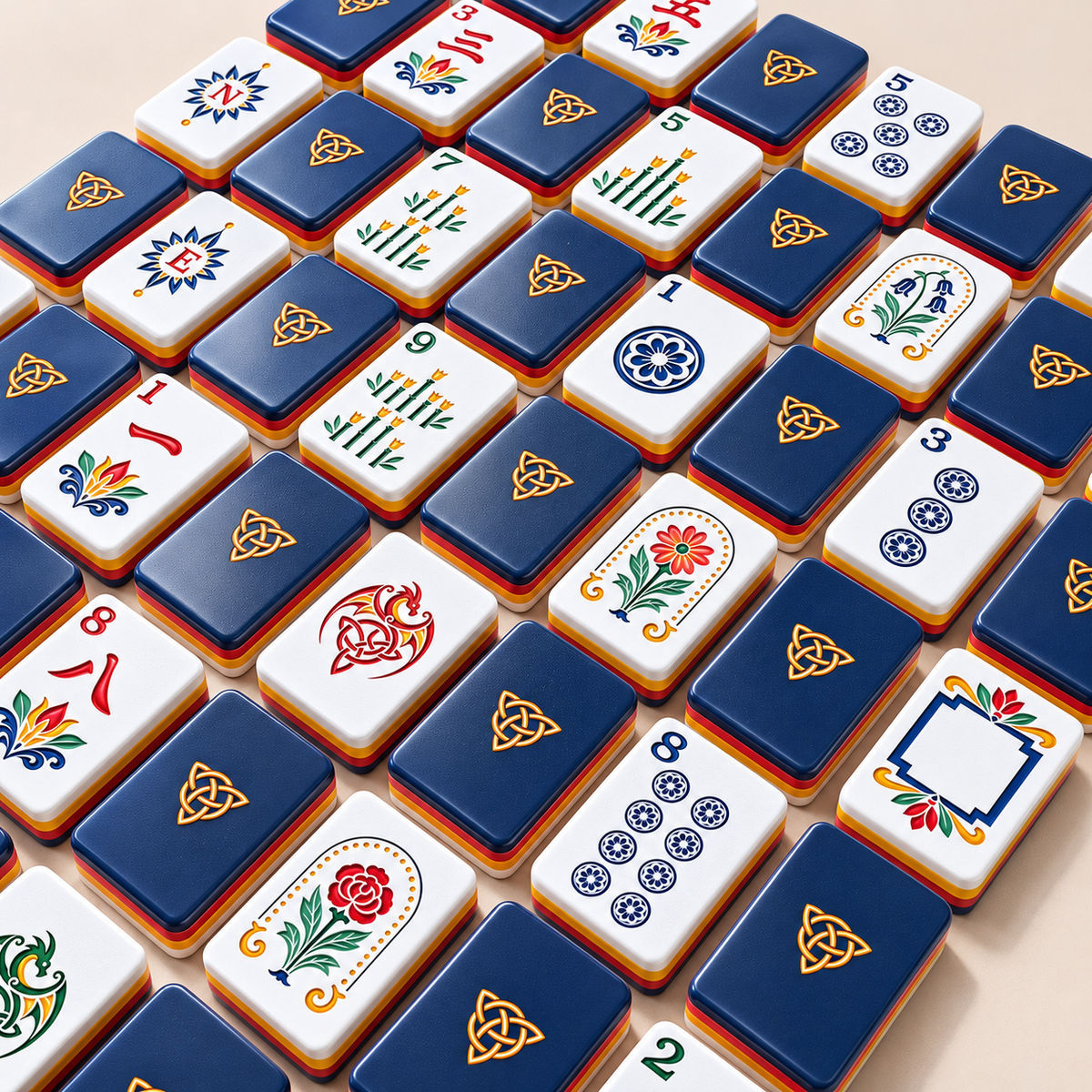
Mahjong wall art includes framed tile prints, hand-painted scrolls, vintage posters, engraved signs with player names or sayings, and mixed-media pieces featuring Bams, Craks, Dots, winds, and dragons. Most players display wall art in game rooms, dens, and hallways where the group assembles weekly. Quality pieces range from simple 8×10 prints to custom large-format installations; many come ready to hang, unframed, or as printable digital downloads. Mahstead creates personalized engraved acrylic signs—often featuring player nicknames, "Mahjong Night," or hand-painted wooden pieces—designed to hang above tables or shelves. Avoid generic Asian décor that conflates mahjong with Chinese cuisine or feng shui; authentic wall art either depicts real tile designs, celebrates the American game specifically, or showcases player humor and inside jokes.
Mahjong wall art ranges from traditional tile prints to humorous player signs—ideal for game rooms, dens, and spaces where players gather. We'll show you how to choose, display, and source authentic pieces that honor the game.
What counts as mahjong wall art?
Wall art in the mahjong world breaks into several categories. Tile-focused prints show individual tiles—red Craks, green Bams, white Dots—or complete collections of suits and honors. Player-centric signs celebrate the group: engraved name boards, scorekeeper placards, or humorous phrases like "Mahjong Addict" or "Four Winds Society." Some collectors display vintage game posters, framed rule cards, or hand-painted scrolls depicting the history of the game. Mixed-media pieces combine acrylic, wood, and metal with tile imagery. The most personal art is custom engraving: players' names, game night dates, or inside jokes etched into acrylic or wood and mounted above the playing table or in a dedicated shelf. Authentic wall art either teaches the game visually, celebrates the social ritual, or gives the player group a shared identity.

Where should you hang mahjong wall art in your home?
The ideal location depends on how often the group plays and whether the space is permanent. Game rooms—dedicated dens or finished basements where your weekly group assembles—are the obvious choice; art hung there becomes part of the ritual and lasts for years. Dining areas adjacent to the game table work well if your group shifts from meals to play. Hallway shelves or a powder room near the gathering spot keep the theme subtle and guests see it on the way to the table. Some players install a narrow ledge above the rack storage or score tracker, displaying small engraved pieces or tile samples. Avoid direct sunlight if using paper or unvarnished wood; acrylic and sealed wood hold color longer. Hang art at eye level (60 inches to center) so seated players see it easily during breaks or while waiting for their turn.
🀄 Shop best-selling mahjong sets →
How do you choose a style that fits your game room?
Your wall art should echo the tone and aesthetic of your setup. If your group plays with modern acrylic sets from our best-selling collection, contemporary prints or minimalist tile silhouettes work; if your table features vintage bakelite or bone sets, sepia-toned vintage posters feel authentic. Consider the room's décor: a formal dining space suits elegant framed scrolls or gold-accented tile prints, while a casual game room can handle humor (funny player rankings, exaggerated tile cartoons, or pun signs like "Flush Wins Again"). Personalization matters most: a custom engraved sign with your group's name, founding year, or player nicknames instantly transforms a room into your space. Check your room's wall color—darker walls show light-colored acrylic art well; lighter walls benefit from bold, saturated tile imagery. If your game room also hosts other hobbies (books, games, art), choose wall art that complements rather than dominates; a single 24×36 statement piece or a cluster of three smaller framed prints usually strikes balance.
What materials work best for long-lasting wall art?
Material | Durability | Best For | Common Issues |
Acrylic (engraved or printed) | 10+ years | Game rooms with direct play; personalized signs | Can yellow in sunlight; dust shows fingerprints |
Framed paper or canvas | 5–8 years | Dens, bedrooms, hallways | Paper fades; canvas can sag if not stretched properly |
Wood (sealed or painted) | 8–12 years | Rustic or traditional spaces; custom engraving | Warps if exposed to humidity; finish may crack |
Metal (aluminum, steel) | 10+ years | Modern rooms; tile silhouettes | Corrosion if bathroom-adjacent; requires care |
Vintage poster (framed under glass) | Variable | Collectors; hallway displays | Paper degrades; frame protects it; expensive to restore |
Acrylic and sealed wood endure longest and resist damage from humid basements or game-room spills. Framed paper under glass protects prints but adds bulk. If your group's game room experiences temperature or humidity swings (basement play in winter, for example), avoid unvarnished wood or unframed paper. Custom engraved pieces from Mahstead (acrylic or wood with sealing) hold detail and color for a decade or more with minimal maintenance.

How do you display art alongside other mahjong equipment?
Wall art works best when it integrates with the table setup rather than competing for attention. Hang a single statement piece above or behind the main table—a large framed tile collection, a personalized scoreboard, or a custom sign. Shelves flanking the game area can hold smaller framed prints, tile samples, or spare engraved pieces. If your group uses mahjong mats for portability, consider art on the wall where the mat is spread; this anchors the play zone visually. Store bags and cases in a corner with a label or small wall plaque above; this makes equipment easy to find and adds intentionality. Above racks where sets rest, a narrow horizontal sign or three small tile prints create a cohesive look. Avoid cluttering the wall directly behind where players sit; art should be visible during breaks and conversation, not in their sightline during active play. One or two large pieces always outperforms a busy gallery; silence is louder.
🎁 See our most-loved mahjong sets & accessories →
What custom engraved art options exist?
Custom engraving opens possibilities beyond off-the-shelf prints. Many players commission signs with their group's name, founding year, or a motto—"East Wind Rising" or "The Soap Queen Collective," for example. Acrylic plaques can be engraved with player names in a vertical list or a circle, creating a rotating honor roll or scorekeeper display. Wooden pieces engraved with tile imagery and the date of a milestone game become keepsakes. Some groups commission a split sign: one half a tile design, the other half text. QR codes engraved alongside tile art link to a group photo album or rule guide. Personalized pieces make excellent gifts for retiring players or game room opening celebrations. Lead time typically runs 1–2 weeks; costs depend on size, material, and engraving complexity—ask Mahstead directly for a custom quote on engraved signs or mixed-media art.
Where can you source authentic mahjong wall art?
Online marketplaces and specialty shops offer prints, posters, and ready-made signs; Mahstead provides custom engraved acrylic and wood pieces tailored to your group's identity. Search museum collections (the Smithsonian has mahjong exhibits with printable tile images) for authentic historical designs. Vintage game shops and antique dealers stock original NMJL posters and hand-painted scrolls—authentic but pricey. DIY approach: order blank canvas or printable acrylic from a craft supplier and commission a designer to create custom tile layouts or player rankings. Many players photograph a favorite hand or full tile set and have a local print shop enlarge and frame it. For humor-driven art, custom printing shops can turn any mahjong joke, player photo, or hand image into a framed print. Mahstead's engraved mahjong titles and designs blend quality craftsmanship with personalization—acrylic and wood pieces arrive ready to mount. Always verify that art depicting specific tile designs aligns with NMJL rules (never confuse modern American mahjong tiles with Chinese variants or décor).
✨ Find your Mahstead set — free US shipping →
What to check before you buy
Accuracy of tile design: Confirm tiles match American mahjong (not Chinese or Hong Kong variants). Red Craks, green Bams, white Dots, honor tiles, and jokers should be correctly rendered.
Room dimensions: Measure wall space and test placement with painter's tape; a 24×36 print requires clear wall real estate; smaller 8×10 pieces work on shelves.
Material durability: Choose acrylic or sealed wood for humid basements; framed paper for dry, climate-controlled spaces.
Mounting hardware: Verify hanging hardware is included; acrylic and wood need secure wall anchors, not flimsy nails.
Glare and reflection: Acrylic art catches light; position away from overhead fixtures or lamps if glare bothers players.
Personalization timeline: Custom engraved pieces take 1–2 weeks; order before a game room opening or gift deadline.
FAQ
Can I print mahjong wall art myself?
Yes. Photograph your favorite tile set, hand, or rule card; enlarge it digitally; then print on canvas, paper, or printable acrylic through an online print-on-demand service or local shop. Quality varies by source; professional printers yield sharper results than home inkjet.
What size should wall art be above a mahjong table?
A single piece should be 24×36 inches or larger if hung directly above the table; smaller 8×10 or 11×14 prints work on shelves or as a cluster. Rule of thumb: art should occupy 50–75% of the wall space above the table without overwhelming it.
Is vintage mahjong wall art worth collecting?
Yes, if authenticity matters to your group. Original NMJL posters from the 1960s–1980s, hand-painted scrolls, and tile samples become conversation pieces and investments. Condition, provenance, and rarity affect value; always frame vintage pieces under glass.
Can I display mahjong art in a room where I don't play?
Absolutely. Hallways, bedrooms, or offices with a single framed tile print or player sign celebrate your love of the game without a dedicated play zone. Art doesn't require a table nearby—it's decoration and identity.
How do I care for acrylic engraved wall art?
Dust with a soft cloth monthly; avoid harsh chemicals or abrasive cleaners that scratch acrylic. Hung away from direct sunlight, acrylic holds color for 10+ years. Check mounting hardware annually to ensure it remains secure.
What's the difference between a mahjong wall sign and a wall poster?
Signs are typically custom, personalized, and made from durable acrylic or sealed wood; posters are mass-produced, framed prints on paper or canvas. Signs celebrate your specific group; posters appeal to general mahjong lovers. Signs last longer and feel more permanent.


View More
View More
View More
