
Blue Mahjong Table: Mats, Covers & Setup Guide
Last updated: Nov 23, 2026
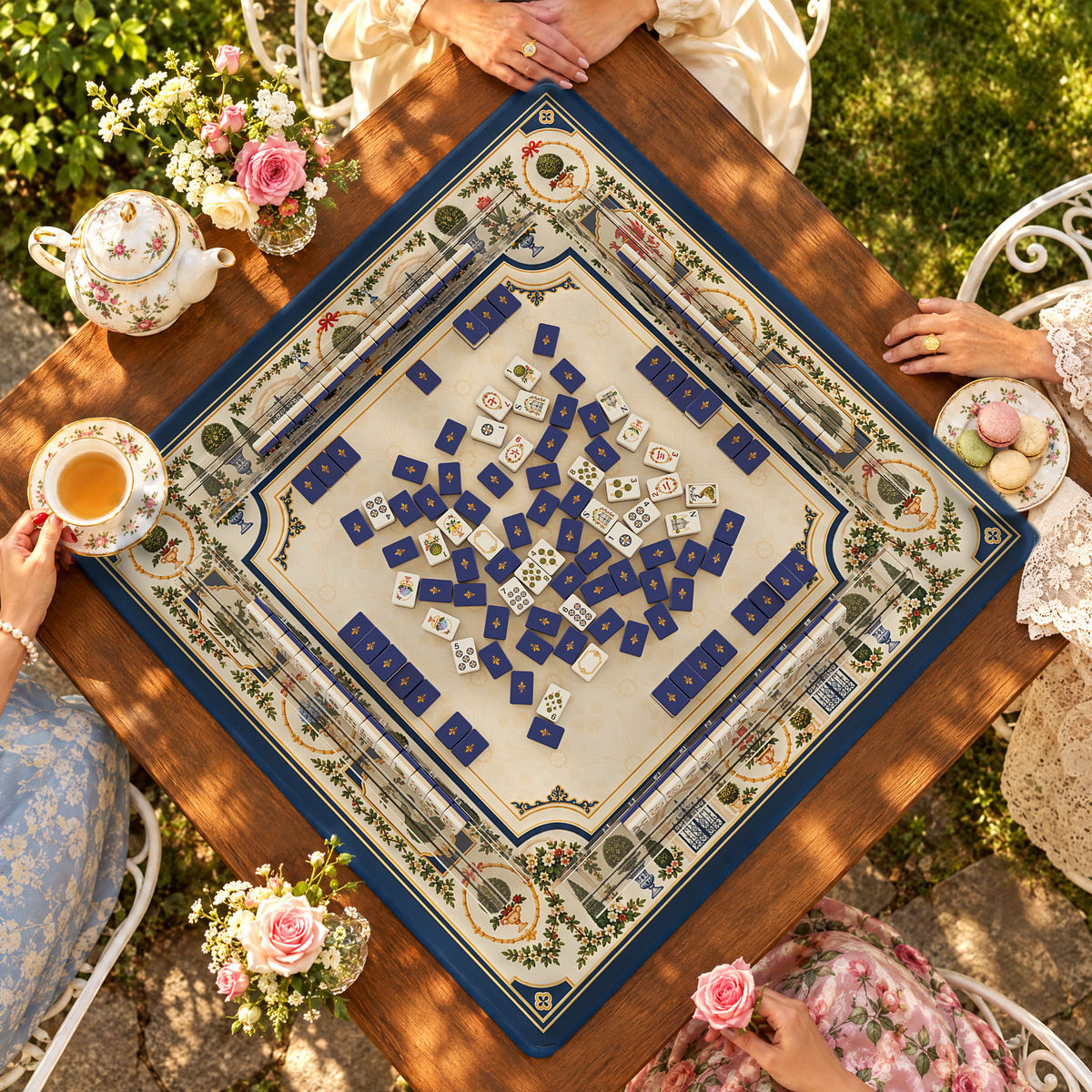
A blue mahjong table typically means a mat or tablecloth that covers your playing surface in the calming, traditional color that most American players favor. The "table" itself is your regular dining or card table; the mat protects it, provides grip for tiles, and defines your play area. Quality mahjong mats from retailers like Mahstead come in various sizes (most standard at 27–36 inches per side for four players), materials (microfiber, felt, PVC-backed), and thicknesses. Mats roll up for storage and ship flat. Explore our collection of mahjong mats to compare felt vs. microfiber, stitching, and corner pockets for scorekeeping. Most players choose blue for its low glare and professional feel; some prefer burgundy, green, or custom engraved designs. Price varies by material and size; see current pricing on the product pages. Blue mats suit beginners through veteran players alike. 🀄 Shop best-selling mahjong sets →
What does a blue mahjong mat actually do?
A mat serves four jobs: it defines your play boundary, protects your table from water rings and tile scratches, gives tiles enough friction so they don't skid wildly, and marks the deal position. Without one, tiles scatter across bare wood or glass, hands get messy, and your table suffers. A good mat has a slight nap (raised texture) that lets tiles grip without sticking; too smooth and they slide like hockey pucks; too rough and they're hard to manage. Blue absorbs less glare than white under overhead lighting, reducing eye strain during long sessions.
Felt vs. microfiber: which blue mat lasts longer?
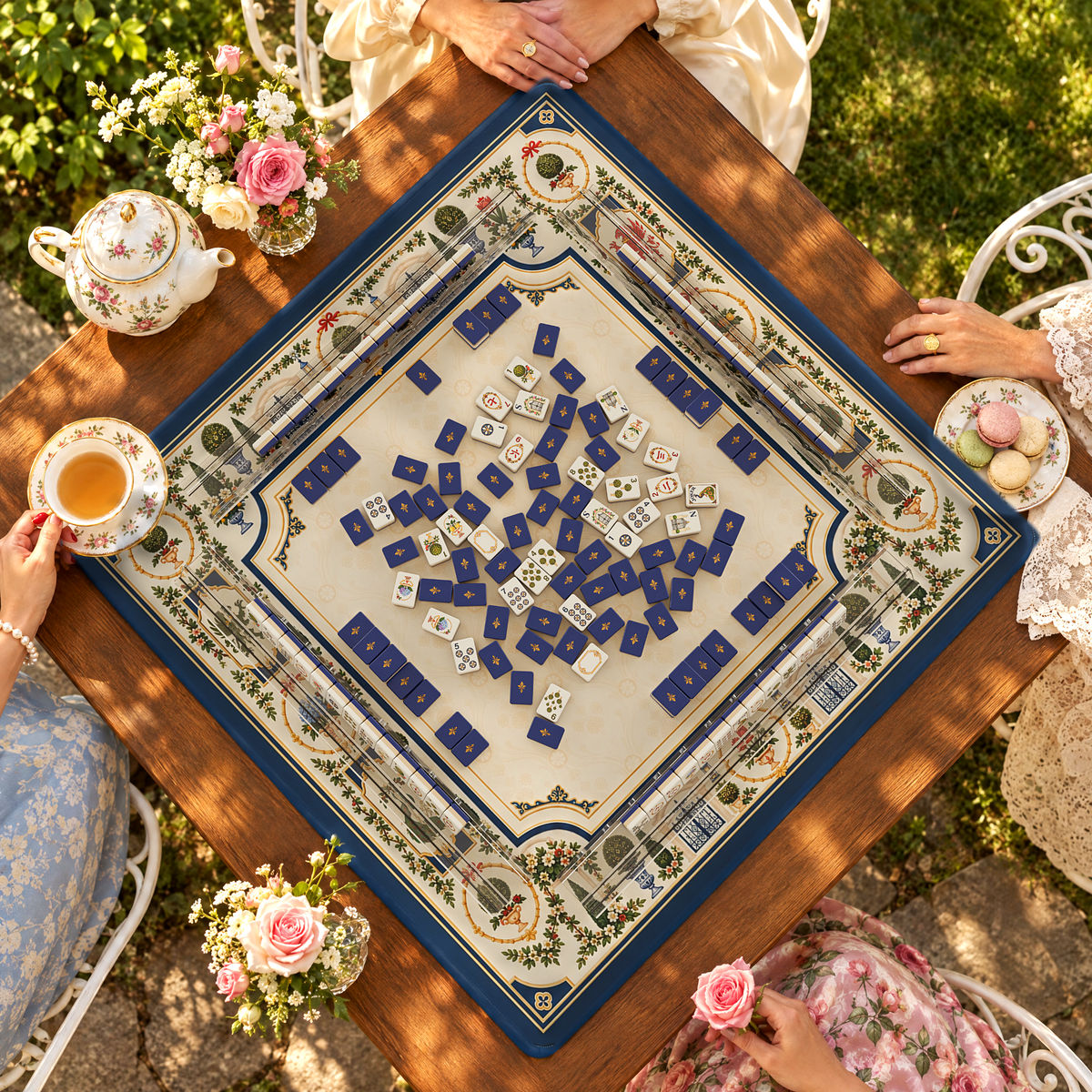
Felt is traditional, plush, and affordable—it grips tiles beautifully at first but compresses with use and can pill or wear thin in high-traffic zones after one to two years of weekly play. Microfiber (polyester blend) holds its texture longer, resists stains better, and cleans easily with a damp cloth; it typically lasts two to three years of regular use before showing wear. Microfiber costs a bit more upfront but outlasts felt in most homes. If your group plays twice monthly or less, felt is fine; if weekly or more, microfiber is the practical choice. Both come in blue; both roll up identically.
Blue table cover vs. dedicated mat—what's the difference?
A mat is a standalone piece designed for mahjong—usually 27–36 inches square, with reinforced edges, optional corner pockets for scorecards, and a non-slip backing. A table cover (or tablecloth) is a thin fabric that drapes over an existing table and is removed when play ends. Covers are cheaper and versatile (use for other card games or dinners); mats are purpose-built and stay in place during play. Learn more in our mat vs. table cover guide. Most serious players prefer a mat because it doesn't slip, folds more compactly, and signifies "this is our game table." Covers work fine for casual groups or tight storage.
How to measure and choose the right blue mat size
For four players sitting around one table, a 27-inch mat is tight but playable on a standard card table; 32–36 inches is the sweet spot—each player gets elbow room and tile racks don't crowd the surface. If your table is larger (36–48 inches per side), a 36-inch mat leaves space for drinks and scorecards. Measure your table, then add 2–3 inches for comfortable overhang. Check the product page for exact dimensions before ordering; mats don't stretch. A mat that's too small cramps your hands; too large wastes space and may slide off a small table during tile shuffling. Most Mahstead mats list dimensions in product descriptions—confirm before checkout.
🎁 See our most-loved mahjong sets & accessories →
Blue mats for beginners vs. experienced players—does it matter?
Beginners need a mat with clear demarcation and enough friction to prevent accidents; a basic felt or microfiber mat in standard blue works perfectly and builds confidence. Experienced players often upgrade to microfiber with reinforced stitching, custom scorecards pockets, or engraved player names—these are indulgences, not necessities. Some veteran groups buy engraved American mahjong sets that coordinate with a custom mat, creating a unified look. The play itself is identical; the mat's primary job—steady, grippy play—is the same. Invest in durability and size comfort; skip premium finishes if your group plays casually.
Mat Type | Best For | Durability | Grip Quality | Maintenance |
Felt, blue | Casual, budget-conscious | 1–2 years | Excellent (fresh) | Brush gently; avoid water |
Microfiber, blue | Weekly play, durability | 2–3 years | Very good | Wipe with damp cloth |
Custom blue with pockets | Serious hobbyists, gifts | 2–3 years | Excellent | Gentle wipe, avoid heat |
Table cover, blue | Occasional, multi-purpose | 1–2 years | Good (slips more) | Wash if machine-safe |
What to check before you buy:
Size: Measure your table; confirm mat dimensions match your space.
Material: Felt for budget/casual, microfiber for durability.
Backing: Non-slip rubber or PVC prevents sliding during shuffling.
Stitching: Reinforced edges last longer than simple seams.
Corners: Pockets for scorecards are nice if your group uses them.
Shipping:All Mahstead mats ship free across the US; confirm lead time on product page.
Hosting a regular game? A blue mat transforms any table into a professional play space. Pair it with quality racks and pushers for the complete setup. If you're just starting out, our mahjong for beginners guide walks you through everything from tile basics to hosting your first session.
✨ Find your Mahstead set — free US shipping →
FAQ
Can I use a regular tablecloth instead of a mahjong mat?
Yes, for casual play. A tablecloth works but shifts during tile shuffling and offers less grip, so tiles slide more. A mat is purpose-built to stay flat and give consistent friction—worth the upgrade if you play weekly.
What's the standard size for a blue mahjong mat?
Most mats are 27–36 inches square. A 32-inch mat is the most common fit for a standard four-player setup; check your table dimensions and the product page before ordering.
Do blue mats need special cleaning?
Felt mats: brush gently with a soft brush and spot-clean with a barely damp cloth. Microfiber mats: wipe with a damp cloth and air-dry. Avoid machine washing, bleach, and direct heat; both degrade the material.
Is a custom engraved blue mat worth the cost?
If you host the same group weekly or have a standing game night, yes—it's a gift to yourself and a conversation piece. For casual or beginner play, a standard mat is fully functional and more affordable.
Can I store a blue mat rolled up permanently without damage?
Yes. Roll it gently (don't crease it tightly), store in a dry closet or under a bed, and unroll a few hours before play to let any wrinkles relax. Rolled storage is actually ideal and prolongs mat life.
Do I need a mat if I already have a mahjong bag to protect my tiles?
A bag protects your tiles during travel; a mat protects your table and defines your play boundary. They serve different purposes—one for storage, one for play. Most groups have both.


View More
View More
View More
