
Country Club Mahjong Party: Cocktails, Sets & Hosting Tips
Last updated: Nov 23, 2026
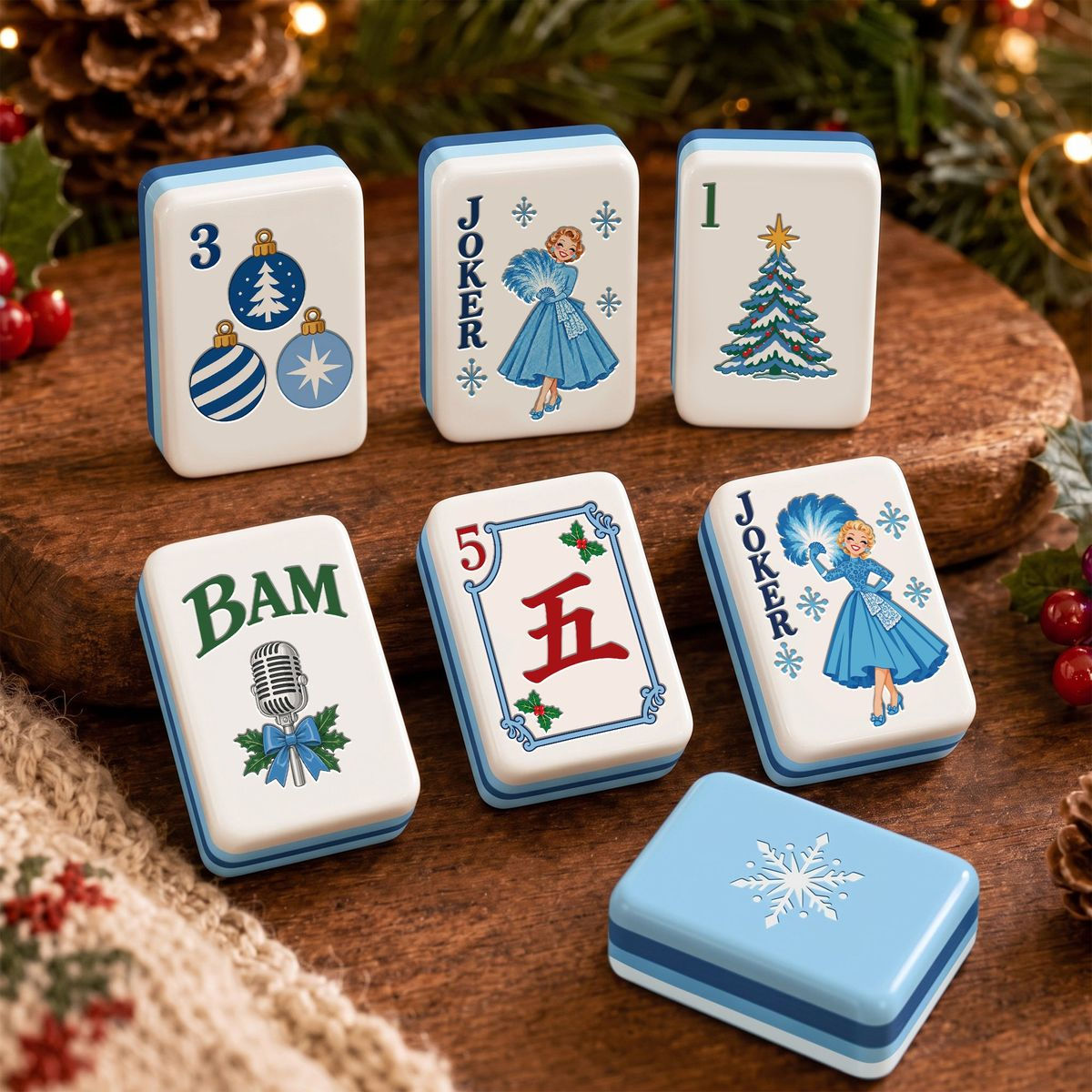
A country club mahjong party is a four-player evening (typically 2–3 hours) where members gather for American mahjong, light cocktails, and conversation. The setup requires a sturdy table, acrylic or bone tiles in a 160-tile set, a current-year National Mah Jongg League card, a mat to protect the table surface, and racks if players want cleaner tile management. Hosting costs depend on your equipment choice: our best-selling mahjong sets range widely depending on materials and customization. Key etiquette includes arriving on time, knowing basic American mahjong rules before the night, respecting the Charleston tile-passing ritual, and keeping drinks away from the tiles. Country clubs often favor engraved or themed sets that reflect club identity or a memorable occasion, making the investment both functional and decorative. 🀄 Shop best-selling mahjong sets →
Why Country Clubs Love Mahjong Nights
Country clubs have hosted mahjong since the mid-20th century as a signature member activity. Mahjong appeals to club culture because it combines skill, social time, and a defined ritual—the game takes focus but also encourages conversation between rounds. A typical country club mahjong night draws four regular or semi-regular players, often meeting monthly or seasonally. Unlike bridge or tennis, mahjong doesn't require advance skill; motivated players can learn the basics in one evening and enjoy the game alongside experienced members. Country clubs often market these nights as member benefits, and many provide a house set—but hosting your own game means selecting equipment that reflects your group's style and ensuring you meet every player's comfort needs.

What Cocktails Pair Best With Mahjong?
Mahjong doesn't demand specific drinks, but country club tradition favors light, sophisticated cocktails that don't interfere with concentration. Classic choices include a dry martini (gin or vodka), a Negroni, or a Sazerac—drinks that sit calmly and don't require constant sipping. Wine (white or light red) is equally suitable if your group prefers it. Avoid anything sticky, fruity, or that splashes easily; spilled margarita on acrylic tiles is a regret everyone shares. Sparkling water, tea, and coffee are equally welcome—many serious players skip alcohol entirely. The key is that everyone has something in front of them; the ritual of sipping between hands is as much about pacing as taste. Set up a small side table with glasses, napkins, and coasters away from the mahjong table itself. Never place a drink directly on or within arm's reach of the tiles: acrylic tiles absorb stains, and bone tiles can crack if liquid seeps between them. A good rule: drinks at 2 o'clock, tiles at 12.
🎁 See our most-loved mahjong sets & accessories →
How Do You Set Up a Country Club Table?
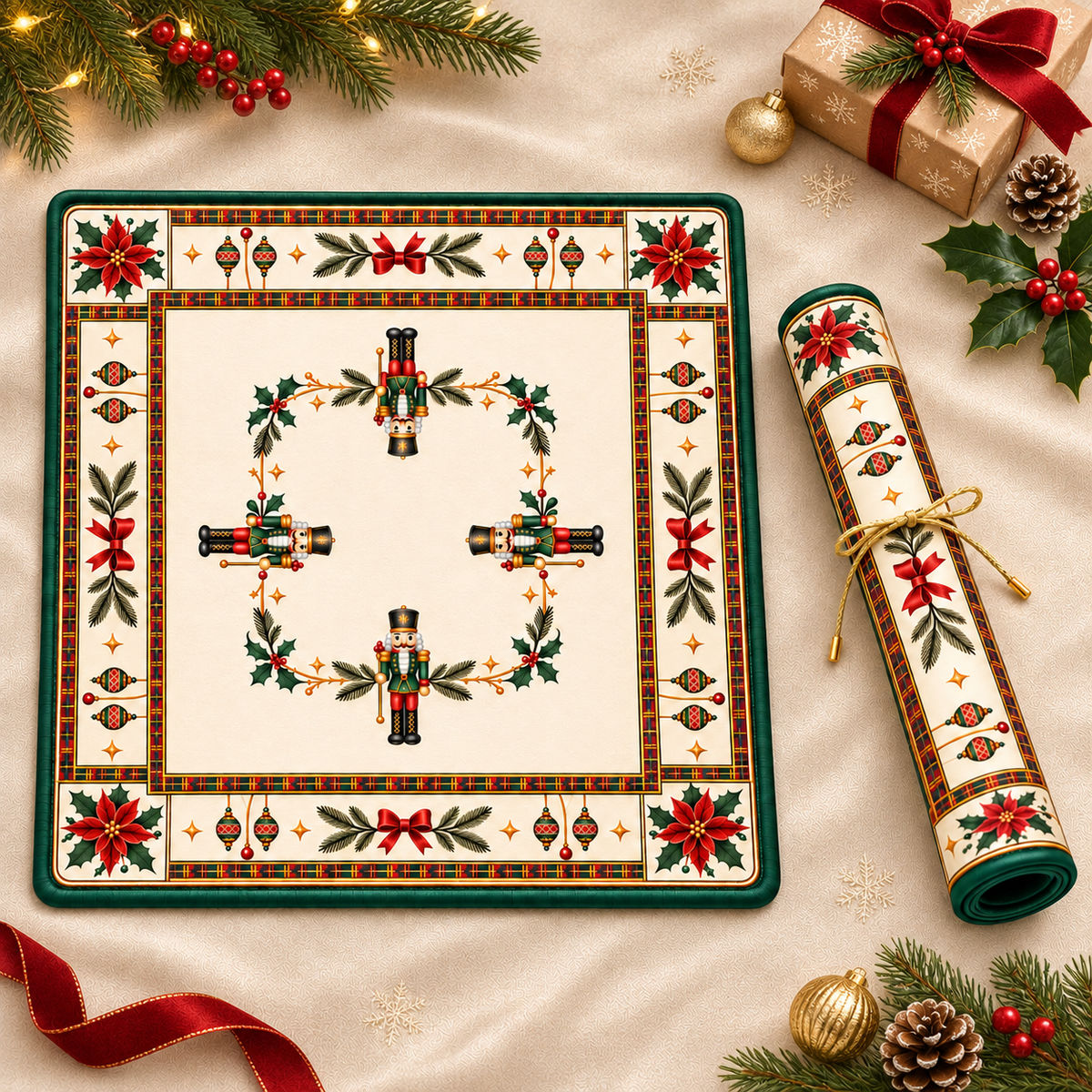
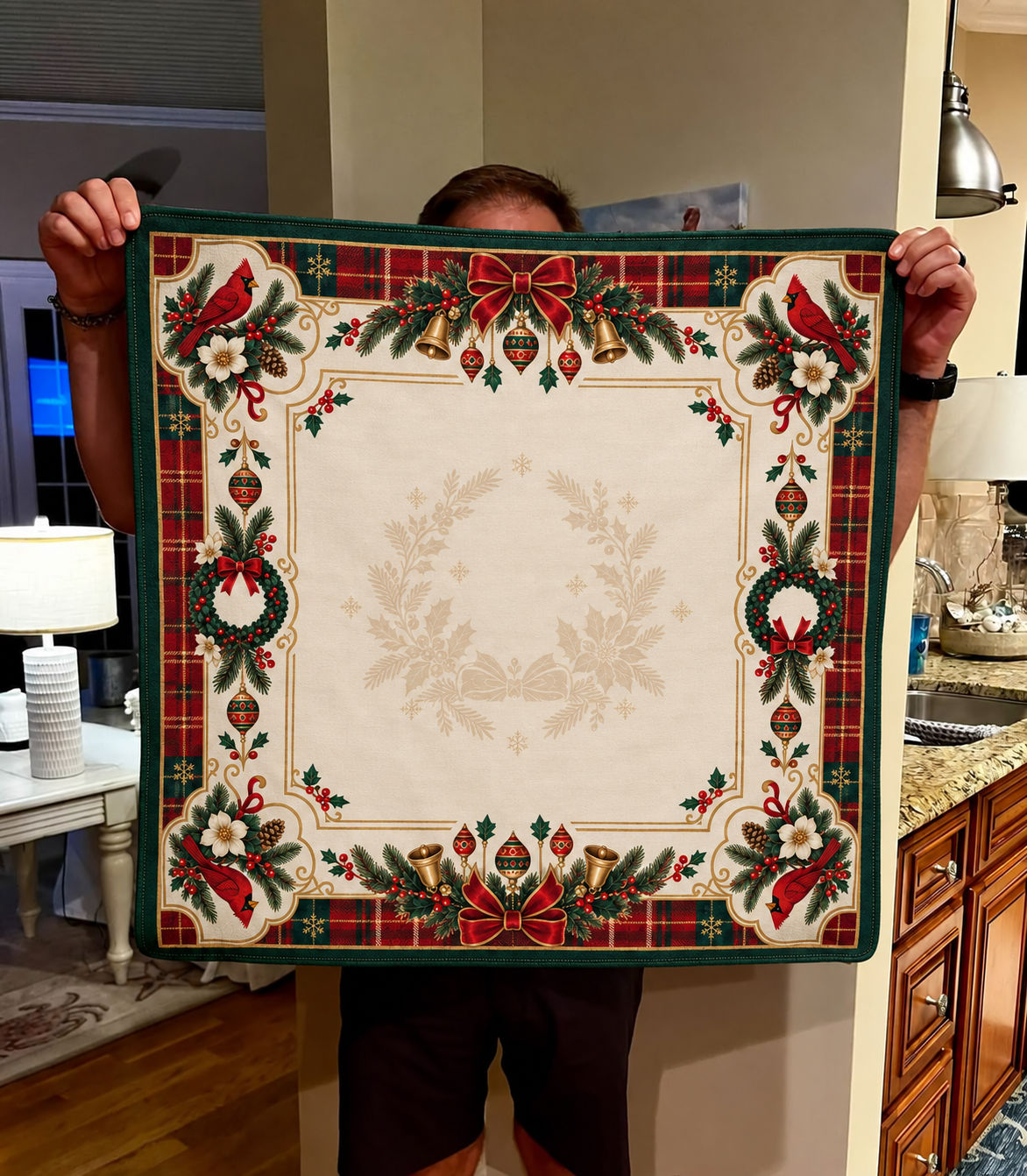
A standard mahjong table measures 36–40 inches square (or a rectangular dining table of similar working surface). Begin by laying out a protective mat—this serves three purposes: it marks the boundary, protects the table surface from scratches, and helps tiles not skid. Position the set in its case or closed at one end until everyone arrives. Arrange the current-year National Mah Jongg League card at each player's seat (or a shared card in the center) so everyone can reference hands without leaning. Place the dice, coin (if scoring is formal), and mahjong racks with pushers within reach. If your group uses racks, position them upright on each player's side of the table—these keep tiles organized and reduce table clutter. Many country club players prefer not to use racks, instead building their hand in front of them on the table surface; this is equally valid and more social. Light the table well—overhead lighting or a table lamp helps everyone see tile details, especially the thin distinction between Bam and Crak suits. Allow 5–10 minutes before the first hand for the Charleston, the formal tile-passing ritual that begins each game.
Setup Element | Why It Matters | Typical Country Club Choice |
Mat | Protects surface; marks boundary | Felt or cloth mat with house colors or logo |
Tiles | Quality, durability, aesthetics | Acrylic or bone; often engraved with club name or date |
Racks (optional) | Reduces tile sliding; cleaner hand | Many clubs skip; others provide one per player |
Lighting | Visibility of suits and numbers | Overhead or side lamp; enough to read dots clearly |
Card reference | Rules compliance | Printed card or shared digital copy at table |
Drink station | Keeps table dry | Small side table, never on playing surface |
What Type of Mahjong Set Works Best for Club Hosting?
Country clubs typically favor one of two set styles: acrylic tiles with a full case (professional, colorful, durable) or bone/bamboo tiles (traditional, heavier, often more expensive). Acrylic sets are easier to maintain—wipe tiles with a soft cloth if needed—and come in dozens of color schemes; many clubs choose sets with house colors or logos. Our engraved American mahjong sets are popular for clubs hosting annual tournaments or commemorative nights; a set engraved with your club name and a year becomes a conversation piece and lasting memento. Bone and bamboo tiles appeal to clubs with heritage traditions or players who prefer the weight and feel of classic sets. For a country club, choose a 160-tile set (standard for American mahjong) in a hard case—the spares protect against loss and the case looks professional when storing at the club or transporting between hosts. Avoid novelty or overly casual sets; country club members expect quality that reflects the venue's standards.
✨ Find your Mahstead set — free US shipping →
How Do You Handle Etiquette and Rules at the Table?
Country club mahjong thrives on unspoken etiquette. Before the first hand, confirm that everyone knows basic American mahjong rules: you play from the current year's card only, hands are called (not self-drawn unless the rule is otherwise agreed), and jokers work as wild tiles within the hand structure (never used as a single tile or pair). During play, respect the Charleston—each player passes three tiles to their right, three to across, three to their left, and one optional discard to the left. Don't touch tiles after the wall is broken; don't offer unsolicited advice to other players; don't discuss your hand aloud. If someone calls a hand, pause and verify it against the card before the hand is scored. Keep scoring simple unless your group has a standing bet; many country club games are played for nominal points or "just for fun." Between hands, this is when conversation, cocktails, and laughter happen—the game creates natural breaks for socializing. If a newcomer joins, brief them kindly on Charleston and hand-calling before starting; mahjong isn't intuitive on first sight, and a five-minute explanation prevents frustration.
What to Check Before You Buy a Country Club Mahjong Set
Tile count: American mahjong uses 152 tiles in play. A 160-tile set (which Mahstead sells) includes spare jokers and tiles, never added to play—this is standard and correct.
Case durability: The set will be moved repeatedly. A hard case protects tiles and looks professional in a club environment.
Visibility: Can you distinguish Bam, Crak, and Dot suits clearly under typical club lighting? Order a sample or read descriptions carefully.
Completeness: Confirm the set includes the current-year tile mix (no 0 Dot in older sets, all suits balanced) and enough jokers for American play.
Customization timeline: If you want engraved tiles, ask how long production takes—country club events are often scheduled weeks in advance.
Storage: Plan where the set lives between games. A hard case takes up shelf space; consider club storage or a designated host's home.
FAQ
Can you play mahjong at a country club if you're a beginner?
Yes. Brief yourself on American mahjong rules and the Charleston beforehand using resources like our beginner's guide, then arrive early to ask experienced players questions. One evening of watching and playing will teach you more than any article.
What's the difference between a country club mahjong set and a casual home set?
Country clubs typically choose sets with durable hard cases, higher-quality materials (bone or quality acrylic), and often custom engraving that reflects the club or occasion. Casual home sets are equally fun but may skip the case or custom details.
Do you need special racks for country club mahjong?
No. Racks with pushers are optional; many country club players build their hand directly on the table surface for a more social, open feel. Racks help if your table is crowded or if players prefer a cleaner visual.
How do you handle a spilled drink near the mahjong tiles?
Immediately remove affected tiles and dry them with a soft cloth. Acrylic tiles are robust; bone tiles require care if liquid seeps between tiles. Prevention—drinks at a distance, coasters, and a small side table—is far easier than repair.
Is it rude to ask to use an engraved mahjong set at a country club game?
Not at all. Engraved sets are often chosen because they're beautiful and worth showing off. The owner will likely enjoy the question and the conversation about the set's origin or design.
How long does a typical country club mahjong night last?
Plan 2–3 hours for four players: 10–15 minutes setup and Charleston, then 4–6 hands (each hand 20–30 minutes). Many clubs follow with conversation and refreshments after play ends.


View More
View More
View More
