
Coastal Mahjong Starter Kit: What Beginners Actually Need
Last updated: Nov 23, 2026
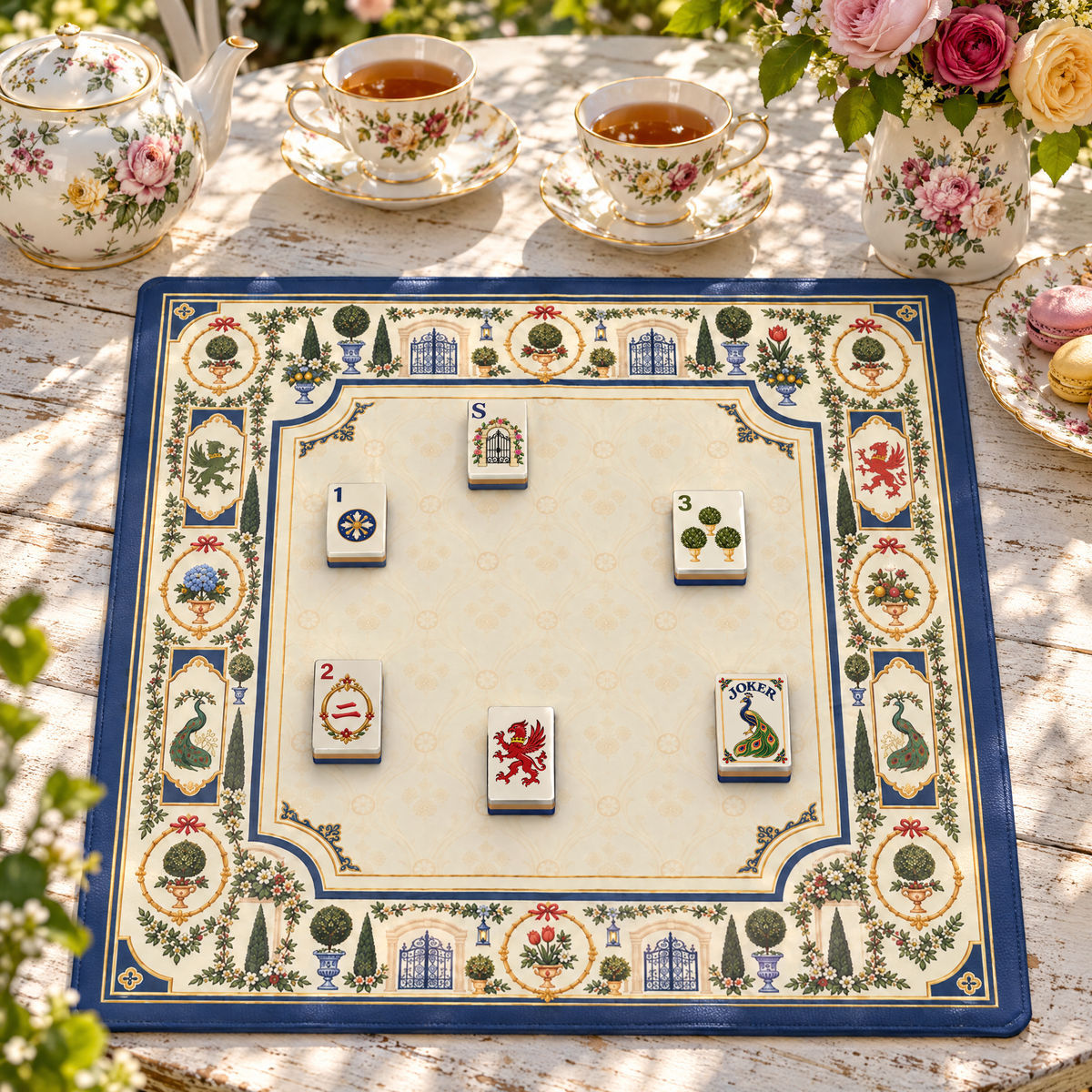
A coastal mahjong starter kit includes a 160-tile acrylic American mahjong set (152 playing tiles plus spares), a felt or neoprene mat with printed rack outlines, and racks with pushers to organize your hand and manipulate tiles without fumbling. Beginners in beach towns, retirement communities, and vacation clubs often choose this trio because acrylic tiles withstand humidity and salt air better than bone or bamboo, and a mat keeps the set contained on any table—poolside, patio, or living room. The total cost basis ranges from budget-friendly combinations in our best-selling collection to mid-range engraved sets; most U.S. orders ship free. A common beginner mistake is buying a bare set without a mat or racks, then struggling to organize tiles or read hands properly. We recommend starting with a complete starter bundle—set, mat, and racks—so you can focus on learning the National Mah Jongg League card instead of managing loose tiles.
🀄 Shop best-selling mahjong sets →
Why Acrylic Tiles Matter for Coastal Play
Acrylic beats bone and bamboo in humid, salty, or outdoor environments because it resists warping, moisture absorption, and salt spray damage. Bone tiles are beautiful but soak up humidity and eventually warp or crack in coastal homes with seasonal temperature swings. Acrylic tiles stay smooth, keep their weight and click, and are easy to clean with a damp cloth—vital if you're playing seaside where sand and salt mist are constant. American mahjong sets require exactly 152 tiles to play (no more, no fewer), so durability matters: a warped bone tile sidelines a hand mid-game. Acrylic also feels lighter in hand, which matters during long sessions—coastal retirement groups often play for 3–4 hours. If your group plays indoors year-round in air-conditioned rooms, bone tiles work fine; if you entertain on a patio, play at beach rentals, or live where humidity varies wildly, acrylic is a smart investment that lasts decades.

What Size and Setup Should You Choose?
First, count your regular players and define your play space. American mahjong always requires exactly four players, so your kit must hold one 160-tile set plus racks for all four people. If you host at home, you'll want a mat that fits your table comfortably—standard mats range from compact (suited to small round tables) to large (covering a dining table). Choosing the right mat size depends on table diameter and whether you want extra working space around the racks. Racks with pushers come in standard 14–15-inch lengths; most adult hands fit comfortably, but very tall or very short players may prefer adjustable options. If you're traveling to a beach house or vacation rental, consider a travel bag or case that holds the set, mat, and racks securely—this prevents tiles from sliding loose in your car and keeps humidity and sand out. Beginners often buy a set first, then realize they need racks and a mat afterward, doubling shipping costs; bundling upfront saves money and hassle.
🎁 See our most-loved mahjong sets & accessories →
How to Decide Between Budget, Mid-Range, and Premium Kits
Setup Level | Tile Material & Finish | Included Accessories | Best For | Key Trade-Off |
Budget Starter | Acrylic, plain or simple design | Set only; no mat or racks | Trying mahjong before investing heavily | Loose tiles; no built-in hand organization |
Mid-Range Kit | Acrylic, possibly engraved or themed | Set + felt mat + standard racks | Coastal beginners playing weekly indoors/outdoors | Less display appeal; modest personalization |
Premium Bundled Kit | Acrylic, custom engraved titles or seasonal designs | Set + premium mat + pushers + protective case | Established groups, gifts, long-term investment | Higher cost; unnecessary if you play casually |
Budget kits make sense if you're uncertain about commitment—you can test the game, then upgrade tiles later. Mid-range kits (set + mat + racks) suit most coastal beginner groups because they balance durability, ease of play, and cost. Premium kits with custom engravings work for established groups who want a commemorative set or a memorable gift—engraved titles tell a story at the table but add no gameplay benefit. If you're coastal and plan to host regularly or travel with your set, the mid-range kit pays for itself through convenience within a few seasons.
What to Check Before You Order
Before adding to your cart, verify three essentials:
Set completeness: Confirm the kit includes 160 tiles (152 playing tiles plus spares) and 8 jokers—never fewer. Some sets list 144 or 166 tiles; our best-selling sets are 160 tiles, which is standard for American mahjong and fits all League card hands.
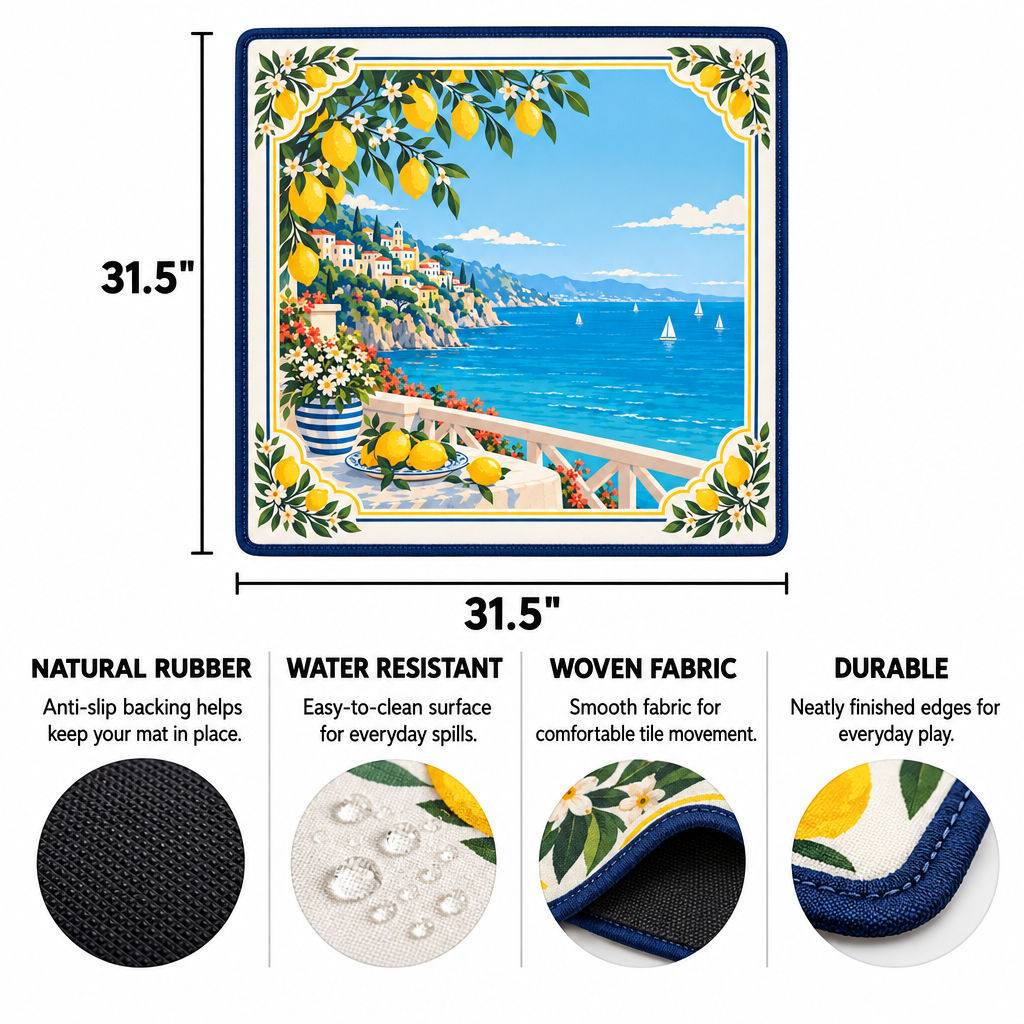
Mat dimensions and material: If you're buying the mat separately, measure your table and check the mat's printed size. Neoprene mats grip better on wooden tables; felt works on almost any surface but can slide on glass or metal. Avoid tablecloth-style covers for active play—they bunch and let tiles shift.
Rack quantity and length: Ensure you have four racks (one per player) included or available. If your group has very tall players or limited hand strength, confirm rack length and pusher smoothness on the product description.
Shipping and extras: We ship free across the U.S., so factor that into your decision. Check whether spare jokers or blanks are clearly listed—these are never added to the playing 152, but extras help if tiles go missing.
✨ Find your Mahstead set — free US shipping →
How Beginners Mistake Loose Sets for Kits
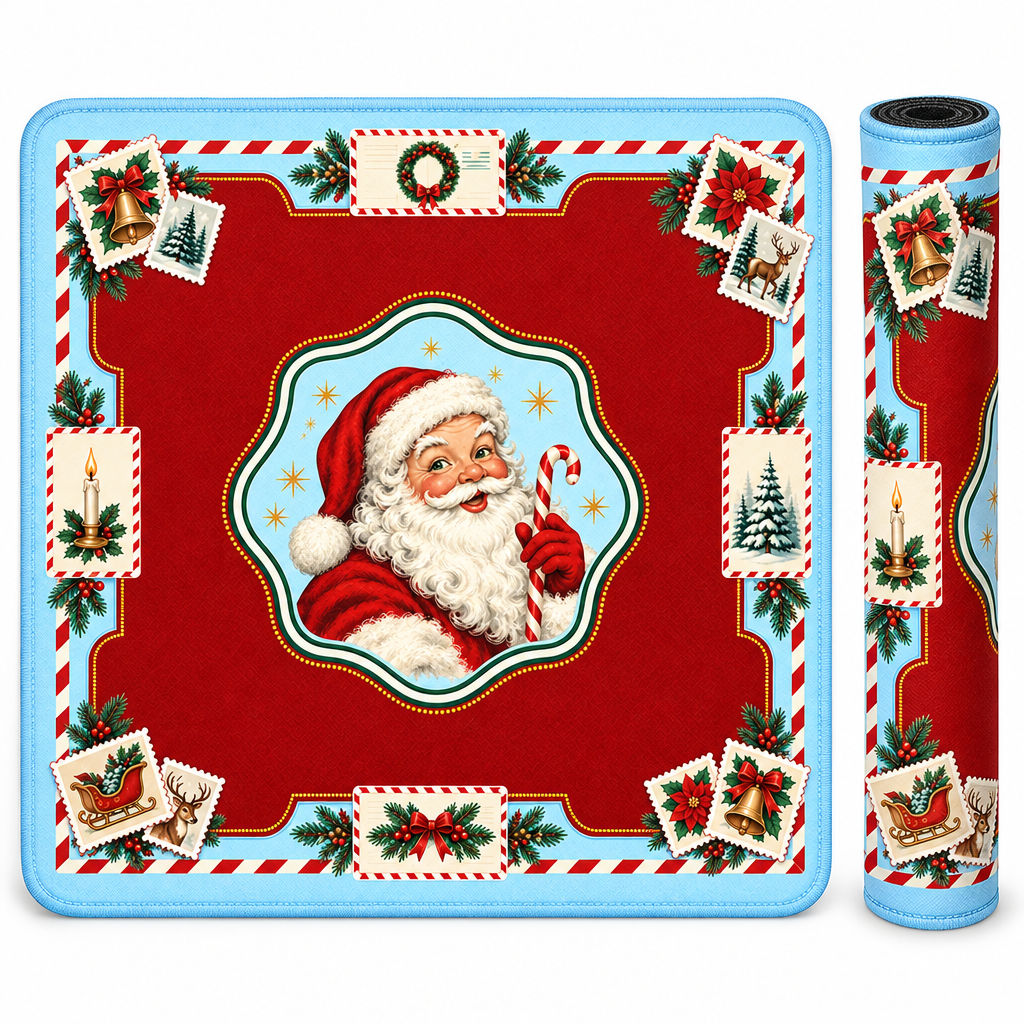
A common error is buying a mahjong set without a mat or racks, thinking you can "make do" with cardboard boxes or a bare table. This creates three problems: (1) tiles scatter and roll off the table—especially outdoors in coastal breeze; (2) you can't see your hand or others' racks clearly, slowing play and causing misreads; (3) jokers get confused with regular tiles because there's no designated position to hold them. A mat with printed rack outlines anchors each player's tiles and makes the Charleston (the tile-passing ritual before play) organized and fast. Racks with pushers let you adjust tiles silently so other players can't see your hand changing—critical to fair play and house rules. If you've already bought a bare set, adding a mat and racks now will improve your game dramatically. Coastal groups especially benefit because outdoor play demands clear organization and secure tile placement.
Engraved or Themed Sets: When They Matter
Engraved mahjong sets with titles like "Sunny Side Up," "High Tide," or personalized names add character to your group's identity without changing how the game plays. Engravings live on the tile backs or on the set's box; they don't affect the numbers, suits, or wind symbols used in hand-building. Engraved sets shine as gifts for established groups or commemorative purchases—marking the start of a new club, a milestone season, or a retirement celebration. Coastal groups often choose theme designs that nod to beach life or vacations. If you're a beginner or unsure how often you'll play, a plain acrylic set is smarter than investing in custom art now. If you're buying for a group that's already met weekly for a season or two, an engraved set becomes a meaningful shared object and conversation starter. Check our new arrivals regularly—seasonal and themed designs rotate.
Before You Buy: Starter Kit Checklist
☐ Do I have four regular players committed to weekly play?
☐ Is my play space indoors, outdoors, or mixed?
☐ Do I need to travel with the set (beach house, vacation rental)?
☐ Do I have room to store a mat rolled or folded?
☐ Are all four players comfortable holding a standard-length rack?
☐ Do I want a plain set or an engraved one?
If you checked 5+ boxes, you're ready for a mid-range starter kit. If you checked only 2–3 and you're still learning, start with a budget set and add a mat and racks once you're confident in your group's commitment.
FAQ
Can I use a mahjong set on a bare wood or glass table without a mat?
Technically yes, but it's slow and risky—tiles scatter, jokers mix with regular tiles, and players' hands are exposed. A mat anchors tiles and lets the Charleston flow cleanly. Coastal players especially need mats outdoors because wind moves loose tiles.
Do I need racks with pushers if I have a mat?
No, but you should. Racks organize your hand, hide it from opponents, and pushers let you adjust tiles silently—core etiquette in American mahjong. A mat shows tile positions; racks let you control your play without telegraphing decisions.
How many sets do I need for four players?
One 160-tile set, always. American mahjong uses exactly 152 tiles per game. One set per table of four is the standard.
What if I'm coastal and worried about salt air ruining tiles?
Acrylic is your friend. Bone tiles absorb moisture and warp; acrylic resists humidity and salt spray. Clean tiles monthly with a soft, barely damp cloth and store them in a cool, dry place—not a damp garage or outdoor shed.
Should I buy a travel case for a starter kit?
Only if you plan to move the set between homes (beach rental, vacation house) or transport it regularly. For a home setup, a travel case is insurance against sand, humidity, and tile loss—worth it if you're mobile; unnecessary if you play at one table year-round.
What's the difference between a mahjong mat and a table cover?
A mat is designed for play—it has printed rack outlines, anchor tiles, and is sized for easy use. A table cover protects furniture but isn't marked for play. For a starter kit, choose a proper mat.


View More
View More
View More
