
Black Mahjong Pushers: How to Pick the Right Rack System
Last updated: Nov 23, 2026
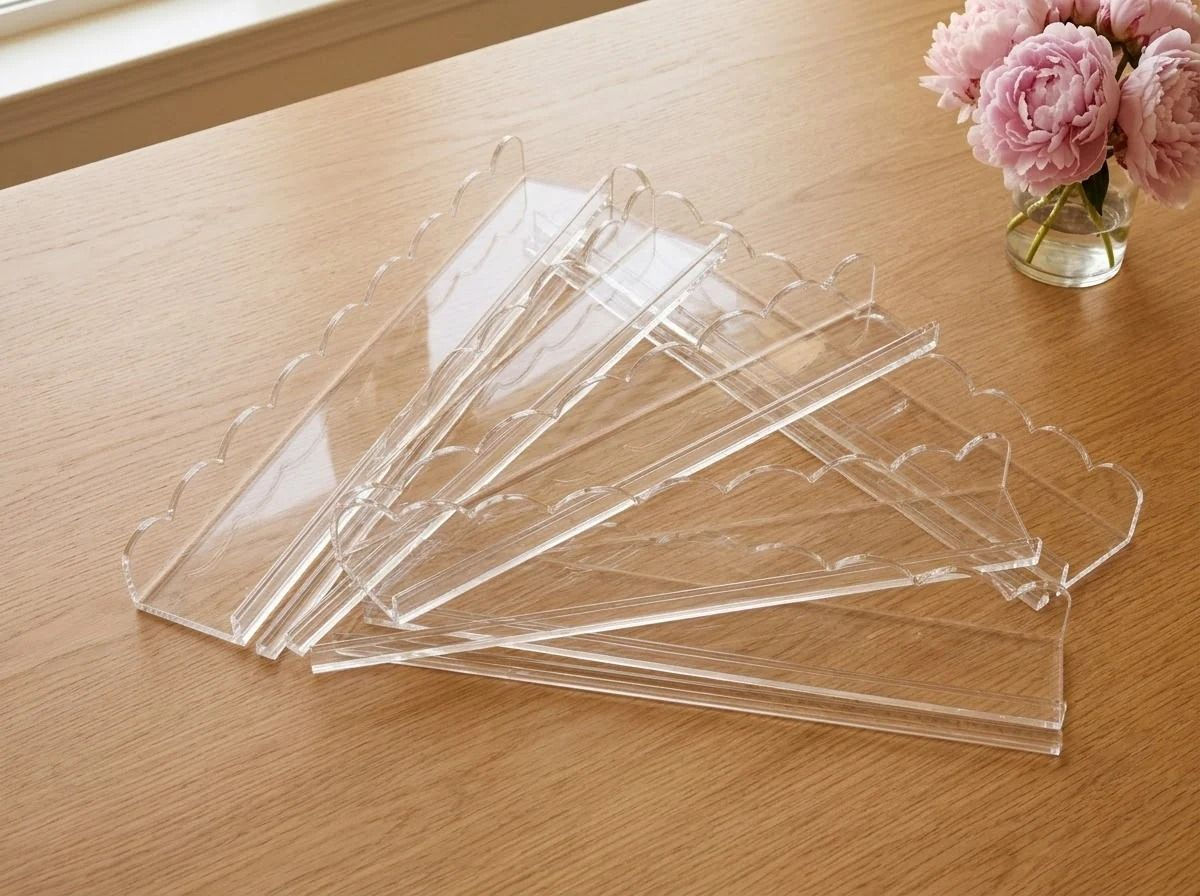
Black mahjong pushers are handles attached to racks that hold, display, and let you push tiles onto the table during American mahjong play. A pusher typically runs the full width of your tile row, usually 8–12 inches, and slides or pivots to move tiles forward cleanly without fumbling. Most modern racks come as a matched pair (one per player side), made from acrylic, wood, or composite material with a black finish. Pushers serve both function and comfort: they reduce hand strain during long games, keep tiles aligned and visible, and make your play look practiced. Quality matters because a poorly fitted pusher can stick, crack under tile weight, or make tiles harder to read. Mahstead's racks with pushers are sold as complete sets, designed to fit snugly with standard American tiles and include spares to account for play wear. Black finishes are popular because they're neutral, reduce glare, and pair with any tile design or mat color.
🀄 Shop best-selling mahjong sets →
Why does pusher material matter for black finish durability?
Acrylic pushers hold black dye evenly and resist fading through hundreds of games. Wood pushers develop a patina and can splinter if the black stain isn't sealed properly. Composite materials (often resin-based) offer middle ground: they're lightweight, rarely crack, and black finishes stay consistent. The key test is grip texture after wear—acrylic can become slippery; unfinished wood can catch tile edges; sealed composite stays grippy. Always check whether the black finish is UV-resistant, especially if your game table sits near windows. Mahstead racks are designed with game-room durability in mind, and the black finish on acrylic and composite pushers resists fading and scuffing across seasons.
What's the difference between attached and slide-action pushers?
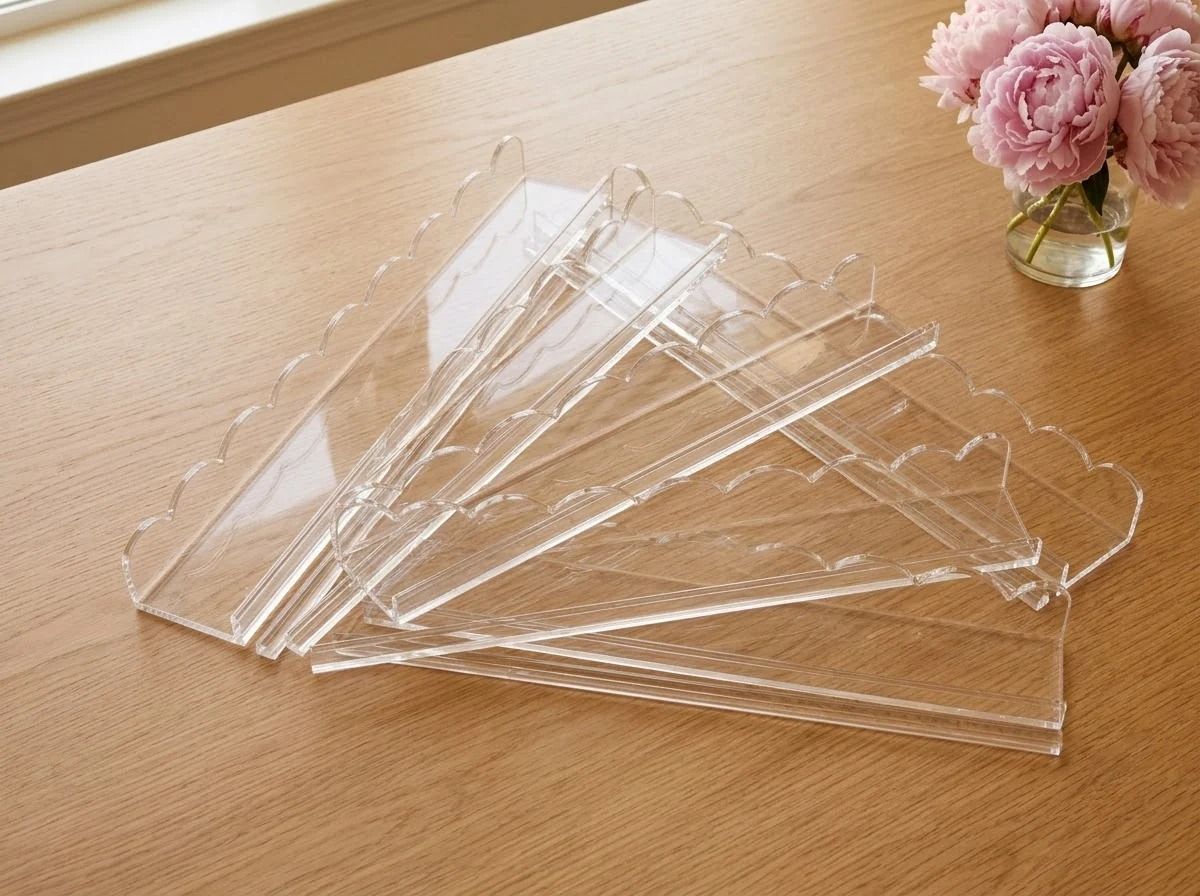
Attached pushers are fixed to the rack frame; you push tiles by moving the entire rack forward. Slide-action (or lever) pushers pivot or slide independently, letting you move tiles without shifting your hand position. Attached pushers are simpler, cheaper, and less likely to jam; slide-action pushers save reach and are favored by players with limited mobility or small hands. Black slide-action pushers require tighter tolerance in the joint—if tolerances are loose, the pusher wobbles and tiles catch. For casual weekly games, attached pushers are reliable; for serious tournament or long-session play, slide-action is worth the premium. Test both if possible by borrowing a set before committing.
🎁 See our most-loved mahjong sets & accessories →
How do you measure pusher width for your tile count?
American mahjong uses 152 tiles total; each player holds roughly 13–14 tiles in hand on average. Pusher width should accommodate your typical hand plus a 2–3 tile buffer on each end. Most standard pushers run 8–12 inches—wide enough to hold 18–20 tiles if needed. Measure your longest expected hand at your table (add 1–2 inches of wiggle room), then cross-reference against rack specs. If your tiles are thicker than standard (due to engraving or paint), pusher depth (front-to-back) also matters; deeper pushers support heavier stacks. Mahstead racks with pushers come sized for standard American tile dimensions, so width and depth are already calibrated. If you're upgrading from an older set, measure your current pusher and compare; sometimes older racks used narrower pushers.
Black pushers vs. natural wood or color options: which lasts longest?
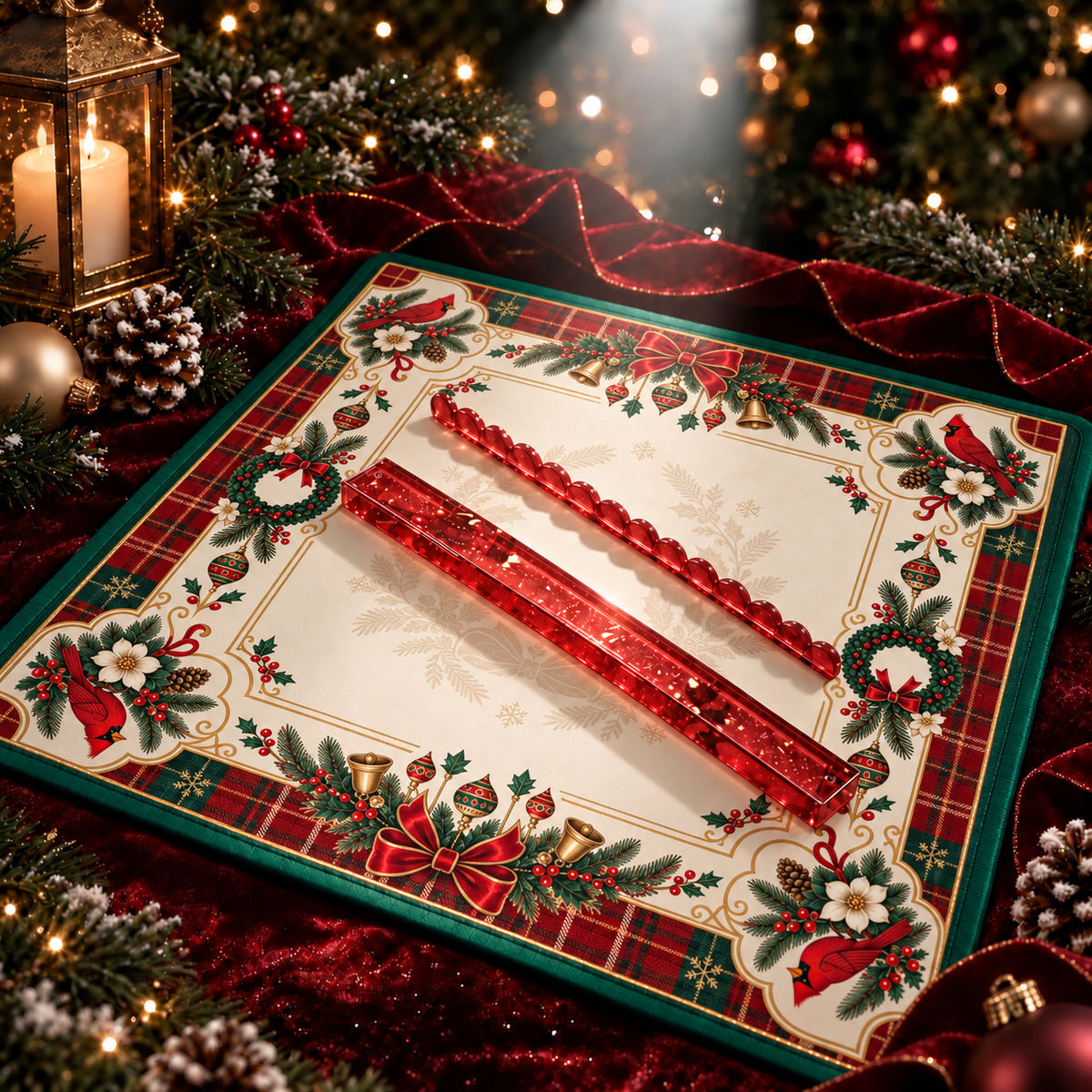
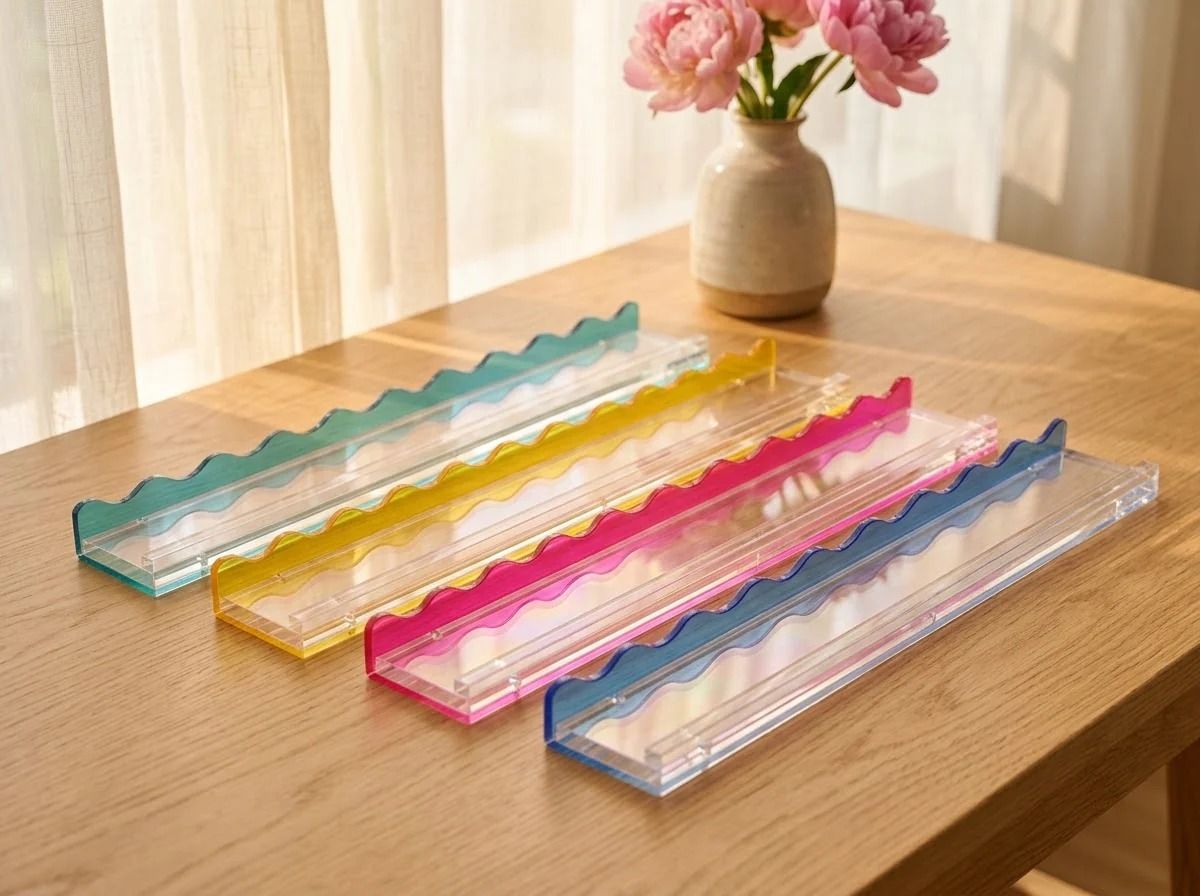
Black acrylic and sealed black composite last longest—5+ years of weekly play—because darker dyes hide scratches and UV damage. Natural wood shows wear visibly but ages gracefully if sealed; unfinished wood can warp or stain. Bright colors (red, blue) fade faster than black under sun or overhead lights; white or light finishes yellow over time. Black is the workhorse choice for serious players because upkeep is minimal. If aesthetics matter (e.g., you host in a decorated game room), consider black pushers with an engraved or printed accent on the face—you get durability and visual interest. Mahstead offers black pushers on both plain and custom-engraved racks; the black finish on custom sets is matched to the engraved tile designs, creating a unified aesthetic.
What common pusher problems can you avoid before ordering?
Pusher-to-rack fit too loose: Tiles slide sideways, pushers rattle. Solution: confirm rack frame width matches your tile set width before buying; check product specs against your existing tiles or a borrowed set.
Pusher material doesn't grip: Smooth acrylic gets slippery after months of sweaty hands. Solution: buy pushers with a matte black finish or textured surface, or add grip tape (adhesive-backed sandpaper) to the handle face.
Pusher depth too shallow: Heavy or engraved tiles topple forward. Solution: verify pusher depth is ≥1.5 inches; if unsure, go deeper rather than shallower.
Black finish peeling or fading: Cheap dye or stain applied without sealer. Solution: buy from makers who seal black finishes; ask whether the finish is UV-resistant.
Pusher misaligned with rack frame: Angled or wobbly. Solution: inspect photos or borrow a demo set; poor alignment usually shows in product images or feels wrong in hand immediately.
Pusher Type | Best For | Black Finish Durability | Grip Comfort | Price Range (Basis) |
Acrylic attached | Casual/weekly play | Excellent; fading rare | Moderate; can slip when wet | Entry-level (see product page) |
Sealed wood attached | Traditional aesthetic | Good; ages visibly | Very good; natural grip | Mid-range (see product page) |
Composite slide-action | Tournament/serious play | Excellent; UV-resistant | Excellent; matte finish | Premium (see product page) |
Engraved black acrylic | Decorated game rooms | Excellent; design stays crisp | Good with matte coating | Premium (see product page) |
✨ Find your Mahstead set — free US shipping →
What to check before you buy
Measure your current tiles (or borrow a demo set) and confirm width, thickness, and weight; confirm specs match the rack's stated dimensions.
Test grip texture by looking at product photos for a matte or textured black finish; if specs show "glossy," ask the seller for grip-treatment details.
Verify pusher depth is at least 1.5 inches; shallower pushers don't support heavy or engraved tiles reliably.
Check assembly and shipping: Do pushers arrive attached or require snap-on installation? Confirm the product includes spares (usually extra pushers account for wear).
Ask about finish sealing: Is the black dye sealed with UV-resistant urethane or lacquer? Unsealed finishes fade in 1–2 years.
Buy from makers who replace defects: Mahstead racks with pushers are packed to arrive intact; confirm the seller's policy if a pusher arrives cracked.
For deeper guidance on matching racks to your full setup, read our racks with pushers guide and compare styles with best-selling mahjong sets that pair well with black rack systems. If you're new to the game, our how to play American mahjong article walks through why racks and pushers fit into gameplay, and mahjong for beginners covers setup and comfort tips. Most players discover the right pusher feel only after trying one; consider renting or borrowing a complete set for 2–3 games before investing in your own. Black pushers are forgiving and flexible—they work with virtually any tile color, mat style, and player hand size, so once you know the size and material that fit your grip, you can upgrade or replace with confidence.
FAQ
Can I replace just the pushers on an old rack?
Yes, if the attachment point hasn't warped. Unscrew or unsnap the old pusher, measure the mount width, and order a replacement from a maker who sells spares. Most Mahstead racks allow pusher swaps; confirm compatibility before ordering.
Do black pushers work with engraved tiles?
Absolutely. Black is neutral and pairs with any tile design. In fact, many players prefer black pushers with decorated tiles because the neutral color lets the tile art stand out without competing patterns.
What's the ideal grip width for a pusher?
Most players hold a pusher with thumb and two fingers; aim for 1–1.5 inches of grip surface. Narrower feels cramped; wider tires your hand. Test before buying if possible.
Why do some pushers stick or jam?
Loose tolerances between pusher and frame, dust or debris in the joint, or swelling (wood) or warping (cheap acrylic). Keep the joint clean and dry; if sticking persists, the frame or pusher may be bent—replace it.
Can I add grip tape to a glossy black pusher?
Yes. Adhesive-backed grip tape (often sold for skateboard or tool handles) adheres well to glossy acrylic. Roughen the pusher surface lightly with fine sandpaper first, then apply tape. This is a cheap, reversible fix for slippery handles.
Are black pushers cooler (temperature) than light-colored ones?
Slightly. Black absorbs more ambient heat, so on hot days they may feel warm to the touch. This rarely matters during play, but if you play outdoors in summer, consider matte finishes—they feel less hot than glossy.
Do I need pushers for 2 or 3 player games?
Racks and pushers work for any player count; the main difference is tile distribution and hand size per player. See our 2 and 3 player mahjong rules guide for setup.
How often should I replace pushers?
With weekly play, 3–5 years is typical for acrylic or composite pushers before cracks or wear become noticeable. Sealed wood can last 5–7 years. Monitor for splinters, warping, or seam separation; replace as soon as fit becomes loose.


View More
View More
View More
