
American Mahjong Tournament Strategy: Win More Games
Last updated: Nov 23, 2026
American mahjong tournament strategy hinges on three pillars: aggressive hand selection (picking only hands you can complete within 2–3 turns), defensive discard discipline (reading opponents' waits and blocking their wall), and positional leverage (using seat rotation to control tempo). Unlike casual play, tournaments penalize slow builds; you must commit to a hand from your initial 13 tiles and the Charleston pass. The National Mah Jongg League card changes yearly, so tournament hands shift—study the current year's card before competition. Winning tournaments is less about luck and more about ruthless math: you need hands with high-value patterns (pairs of dragons or winds, sextets, or quint combos) that appear frequently on the card's active sections. Practice with reliable equipment to build speed and confidence under pressure.
How do you pick a winning hand at the start?
Scan your 13 tiles against the current year's card for hands requiring only 1 suit or 1 pair type. Hands needing 3+ suits or mixed pairs are death traps in tournaments—you'll chase tiles for 8 turns while smarter players finish. Look for hands with 4+ joker spots; jokers accelerate completion. Honor pairs (winds, dragons) let you use multiple tiles of the same value, multiplying your options. Discard the widest tile first—one that no hand in your rack needs. A strong tournament hand needs at least 6 tiles already in your rack that feed it, plus 3+ alternate paths on the card if one path gets blocked.

What's the math behind reading an opponent's wait?
When an opponent discards a Dragon or Wind, they don't need that tile in their hand; if they discard two consecutive number sequences (like a 4 Bam then a 5 Bam), they likely need the 3 or 6 to complete a pung or run adjacent patterns. Tracking 3 discards per opponent per round reveals their suit priorities. If West has discarded two 7 Dots, three 2 Craks, and one Wind, West is building Dots and Craks. Never discard a tile that fits West's discard profile. Count the wall: if 30 tiles remain and an opponent needs only 1 tile to win, hold every tile they might want. This defensive math—not intuition—separates tournament winners from game-night players.
Which positions win more often?
East wind opens the hand and draws first each round, gaining a tile advantage. South sees East's early plays before committing; North and West play under full information from three opponents. In tournament rounds, East position yields roughly 2–3 extra wins per 8 games due to first-move tempo. However, after Charleston and after the opening hand, seat rotation equalizes advantage—plan for your weakest position (typically West, who plays last and sees the most blocked tiles). Strong tournament players win equally from all seats because they adjust hand selection, not because seats are equal. Study the card's East-position hands separately; they tend to favor quick, 2-suit patterns.
How do you balance aggression and safety in discard order?
Build a mental table: High-Risk Discards vs. Safe Discards
Tile | Risk | Safe Scenario | Tournament Rule |
Dragon pairs | Very high—everyone needs them | Only if 3+ already discarded | Discard last |
Winds (same type) | High—honor pairs | Only after 2 of that wind discarded | Discard after turn 2 |
Number 5s (any suit) | Medium—center tile, many uses | After turn 4 if 1+ already gone | Watch opponents first |
Number 1s and 9s | Low—edge tiles, fewer patterns | Safe from turn 1 | Discard early |
Flowers | None—always safe | Always | Discard immediately |
Discard your safest tiles in turns 1–3. By turn 5, an opponent is likely 1 tile from winning; switch to defensive mode and block high-value suits. This rhythm—safe-safe-safe-block-block-block—beats either pure offense or pure caution.
What's the Charleston advantage in tournaments?
The Charleston pass ritual is where tournament strategy begins. Skilled players intentionally pass "dead" tiles (ones that break their hand) to opponents chasing incompatible patterns. If you hold 4 Bams, three 6 Dots, two Winds, pass the 6 Dots during the first Charleston pass to the player to your left if she discarded a 6 Crak (opposite suit, same number—she's likely chasing sextets). In tournaments, the Charleston is not random; study the three discards each player made to guess their hand. Pass tiles that look good but don't fit their strategy. This "poisoning the well" tactic can cripple a favorite's position before play begins. Never pass your best tile; pass the tile that looks valuable but breaks an opponent's focus.
Which hands score highest in tournaments?
Sextets (6 matching tiles) and quint combos (5-tile patterns plus a pair) dominate tournament scoring. A hand with two sextets scores roughly 30–40 points, while a standard pung-and-kong hand scores 5–15. Spend 1–2 turns chasing a sextet if you have 4+ tiles toward it already. Hands requiring all jokers in pungs also score high; if your rack shows 3+ jokers after the Charleston, hunt those hands immediately. Avoid hands requiring a single pair plus three kongs—they need 12+ specific tiles, and the odds collapse after turn 4. Scan the card before tournaments for the top 10 highest-scoring hands accessible to you (based on your suit and number strengths), then practice those hands repeatedly so you recognize them instantly when they appear.
🀄 Shop best-selling mahjong sets →

How do you manage your wall and track remaining tiles?
Tournament play demands silent tile counting. After 6 turns, 24 tiles have been drawn (4 players × 6 draws each); 8 jokers sit in racks; roughly 120 tiles remain in the wall. If you need three specific tiles and only 30 tiles are left, your odds of drawing one are 10%. Stop chasing that hand. Keep a mental tally of discards by suit: if 7 of 8 Green Dragons have been discarded and you need the last one, don't hold a tile "waiting for Green"—pivot immediately. Tournaments use a fixed wall of 152 tiles, so the math is absolute. Written tracking is forbidden in most tournaments, but silent counting (touching your thigh for each Dragon discarded, for example) is legal. Practice wall counting with a standard 152-tile set during casual games; it becomes second nature after 20 hours of play.
What's your endgame when an opponent is one tile from winning?
If an opponent has discarded only 2 tiles by turn 6 and the wall is half-gone, they're nearly ready. Freeze: stop all discards that fit common hand patterns. If they discarded a 3 Dot and a 7 Bam, don't throw Dots or Bams unless absolutely forced. Hold a "dead" tile—one that no hand on the card uses—and prepare to discard it. Experienced players hold a Flower or a rarely needed number (like a 1 or 9 of their weakest suit) for this moment. The winning hand often completes on turn 10–12, so turns 8–10 are your defensive window. If you're the one chasing the hand, bait opponents with a discard that looks relevant but isn't. If your hand needs two specific 5 Bams and they're in the wall, discard a 6 Bam to convince opponents you've abandoned Bams entirely—they'll relax their block.
How does seat rotation change strategy across rounds?
Every tournament round rotates seats (East → South → West → North → East). Your first round strategy—aggressive from East—becomes a patient defensive game in your second round from West. Adapt: from East, commit to quick hands and push hard. From West (last seat), only enter hands with 6+ supporting tiles and fold early if the hand slows. The strongest players shift hand selection by seat, not just aggression level. Study the card's East-only hands, mixed-suit hands (better from West where you see three discard patterns), and dragon-pair hands (powerful from South, where you see East's most committed plays). Mentally tag each hand on the card with the best seats to play it. After tournament round 2, you'll intuitively know which hands favor your current seat.
What's the biggest mistake tournament players make?
Chasing jokers instead of counting discards. New tournament players see two jokers in their rack and hunt hands with 4–5 joker spots, hoping to draw the remaining jokers. This is backwards. Jokers are drawn randomly; you can't "expect" them. Count discards instead: if 6 of 8 jokers have been discarded already, the remaining 2 jokers are in opponents' racks or the wall. Don't build a hand that needs 3+ jokers. The second mistake is falling in love with a hand and forcing it past turn 7. In casual play, hunting a hand for 12 turns is fun. In tournaments, after turn 7, fold that hand and switch to any hand worth 5+ points that's nearly complete. Speed beats perfection. The third mistake is discarding too defensively. If no one is close to winning, throw your safest tile and keep your hand warm—don't discard a tile your hand might need just because it "could" help someone else.
🎁 See our most-loved mahjong sets & accessories →
What's your setup before a tournament?
Arrive early and test your table. Play three casual hands to check tile speed, lighting, and mat grip. If your set's tiles are sticky or your mat is slippery, your game will suffer under tournament pressure. Bring a reliable personal set if allowed—tournaments often provide equipment, but familiar tiles let you play your best. Wear comfortable clothes; tournaments run 4–6 hours. Stay hydrated and eat a light snack 30 minutes before play. Use the bathroom before your first hand; interruptions kill momentum. Most importantly, play your first tournament as a learning round: don't expect to win. Observe how experienced players read the Charleston, track discards, and pivot hands. Watch how they discard in turns 6–8 (the critical defensive window). By your third tournament, you'll internalize these patterns and compete at a higher level.
What equipment helps you practice tournament strategy?
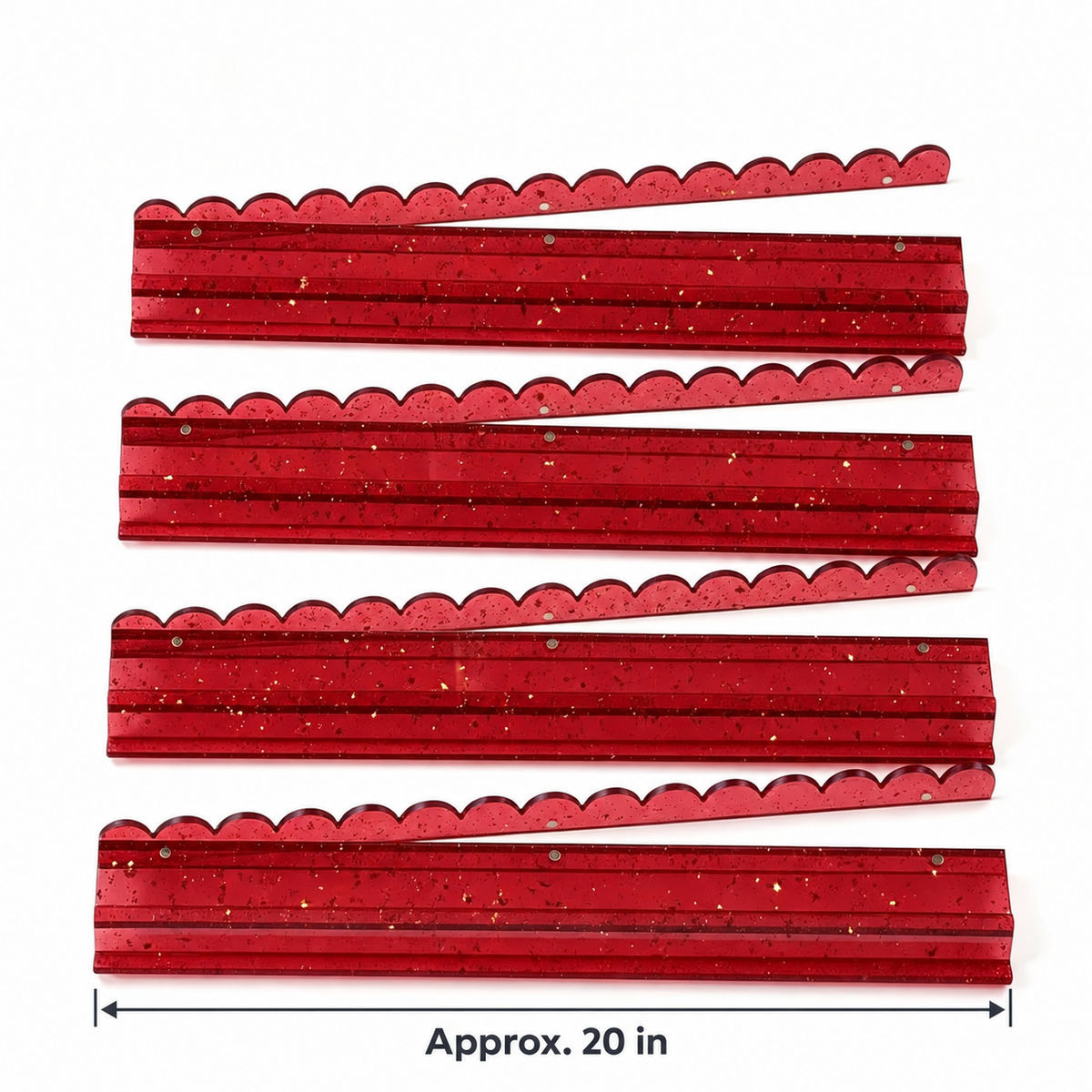
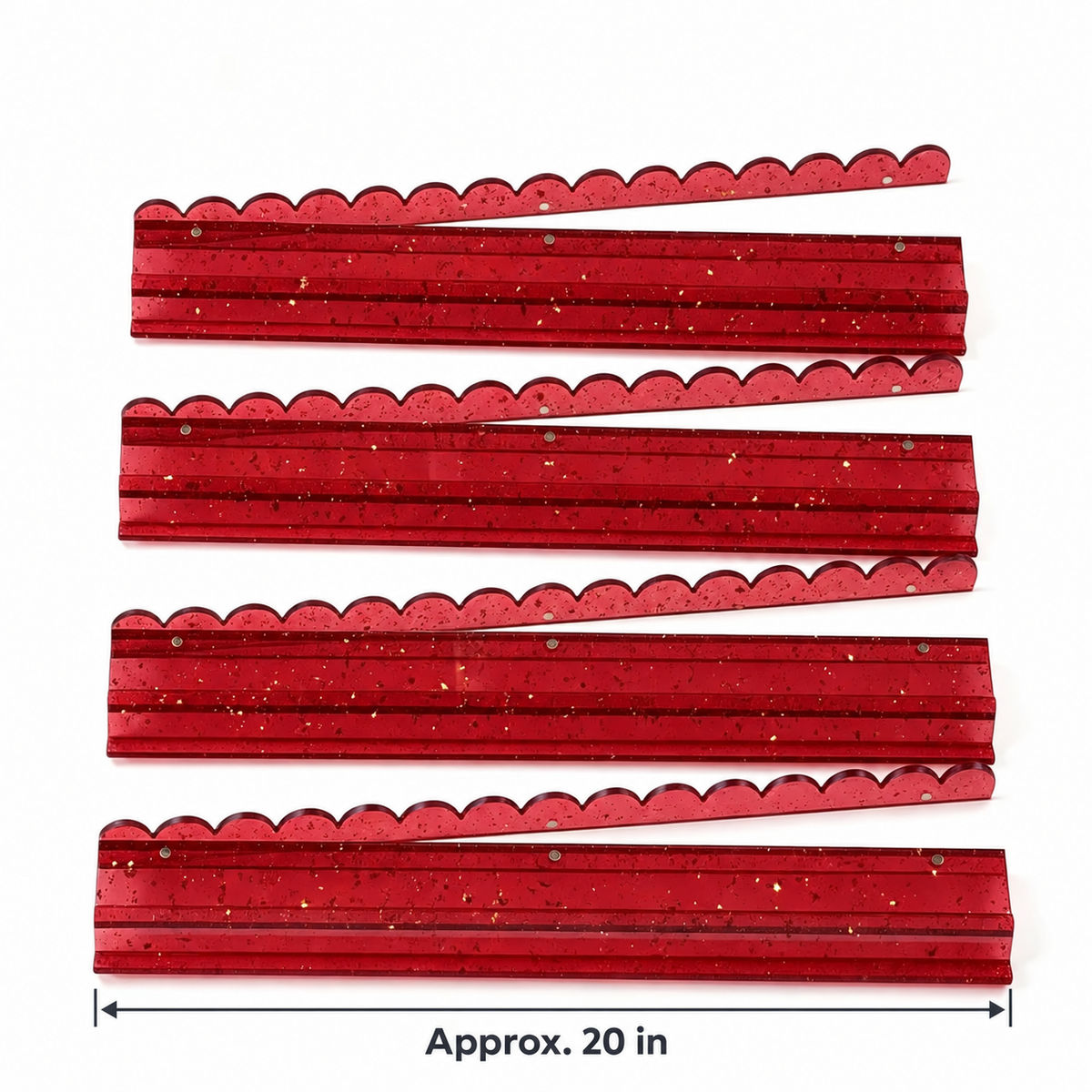
A quality mat with clear tile visibility lets you practice discard tracking and wall counting without fumbling. Our mahjong mats collection includes designs with embossed sections for each player's tiles and wall, accelerating your mental maps. Racks with pushers help you organize hands faster—under tournament time pressure, a rack that holds tiles securely saves 3–5 seconds per turn. Over 12 turns, that's 36–60 seconds of extra thinking time. A reliable set with uniform, easy-to-read tiles (no fading or sizing variation) prevents misreads at critical moments. Practice with the same set and mat you'll play on in tournaments; your hand muscle memory adapts to subtle differences in tile weight and spacing.
✨ Find your Mahstead set — free US shipping →
What to check before you buy equipment for tournament play
Tile legibility: Can you read every tile at arm's length in one second? Fading or small print costs you in fast rounds.
Rack stability: Do tiles shift when you push them? Sliding racks disrupt your hand organization mid-game.
Mat grip: Does the mat shift on your table? A slipping mat throws off your wall count and discard placement.
Joker count: American tournament play uses exactly 8 jokers in 152 tiles. A set with loose joker counts confuses your math.
Travel readiness: If you're playing tournaments away from home, a protective bag or case keeps your set tournament-ready between rounds.
FAQ
Can you memorize high-scoring hands before a tournament?
Yes. Identify the top 8–10 hands you can build from your typical tile draws and drill them 5–10 times before the tournament. This trains instant recognition. But the card has 50+ viable hands; flexibility beats memorization. Focus on patterns (sextet + pair, three pungs + pair, all honors) rather than specific hands.
How do you know when to call "Mahjong" before your opponent?
You call when your hand is complete and you hold exactly 14 tiles (13 in hand + 1 drawn). The draw order rotates East → South → West → North each turn. If you're North and East just drew, it's South's turn next. If South has 13 tiles, South is one draw from calling. Never call if you're uncertain; a false call ends your hand and passes the turn.
Should you pass strong tiles during the Charleston in tournaments?
Rarely. Keep your best 3–4 tiles and pass only tiles that don't fit your emerging hand. However, if you spot an opponent's hand direction during the first discards, "poison" by passing a tile that looks valuable to them but breaks their pattern. This is advanced play; beginners should focus on keeping strong tiles.
Does wind position really matter in tournament strategy?
Yes, measurably. East draws first and sees fewer known tiles when building; this translates to 2–3 extra wins per 8 rounds for the same skill level. But after the opening hand, seat advantage flips to West (maximum information). Study hands by seat and adjust your selection accordingly.
What's the fastest way to improve tournament scores?
Stop chasing weak hands after turn 5. Learn to pivot: if your hand slows, switch to the nearest 5-point hand that's nearly complete. This single habit raises scores faster than any other. Second: practice wall counting silently during casual games until you can recite the remaining tiles without thinking.
Can you win tournaments with casual play habits?
Unlikely. Tournaments reward discipline and math; casual play rewards intuition and optimism. You must adopt three habits: aggressive early hand commitment, ruthless mid-game folding, and defensive turn-8-onwards play. These feel wrong at first because casual mahjong rewards exactly the opposite. Expect your first tournament to feel tense; that's growth.


View More
View More
View More
