
Where to Buy a Mahjong Table: Sets, Mats & Setup Guide
Last updated: Nov 23, 2026

A "mahjong table" usually means the tiles, the mat or surface you play on, and sometimes racks and pushers. American mahjong uses 152 playing tiles plus 8 jokers (160-tile sets include spares). You can buy a complete setup piecemeal or as a bundle: a best-selling mahjong set from Mahstead (acrylic, engraved, ships free across the US), a padded or felt mat to protect your home table, and optional racks with pushers to organize your hand. Expect to spend based on tile material, design, and mat size—see current prices on product pages. Most shoppers start with an acrylic 160-tile set and a standard mat, then add storage once they're hosting regularly. Avoid mixing old bone or bamboo tiles (fragile, harder to read) with a casual home game unless you love restoration; acrylic is forgiving and lasts decades.
What exactly are you buying when you order a "mahjong table"?
Most people aren't buying a furniture table—they're assembling a mahjong setup. The three core pieces are: tiles (the set), the playing surface (mat or cover), and sometimes organizational tools (racks and pushers). Some players add a carrying bag if they host at different homes. A complete beginner setup needs only tiles and a mat; everything else is optional but makes hosting smoother. Think of it like a board game: the set is the game pieces, the mat is the board, and the racks are your hand holder.
🀄 Shop best-selling mahjong sets →

Should you buy a mat, a tablecloth, or a table cover?
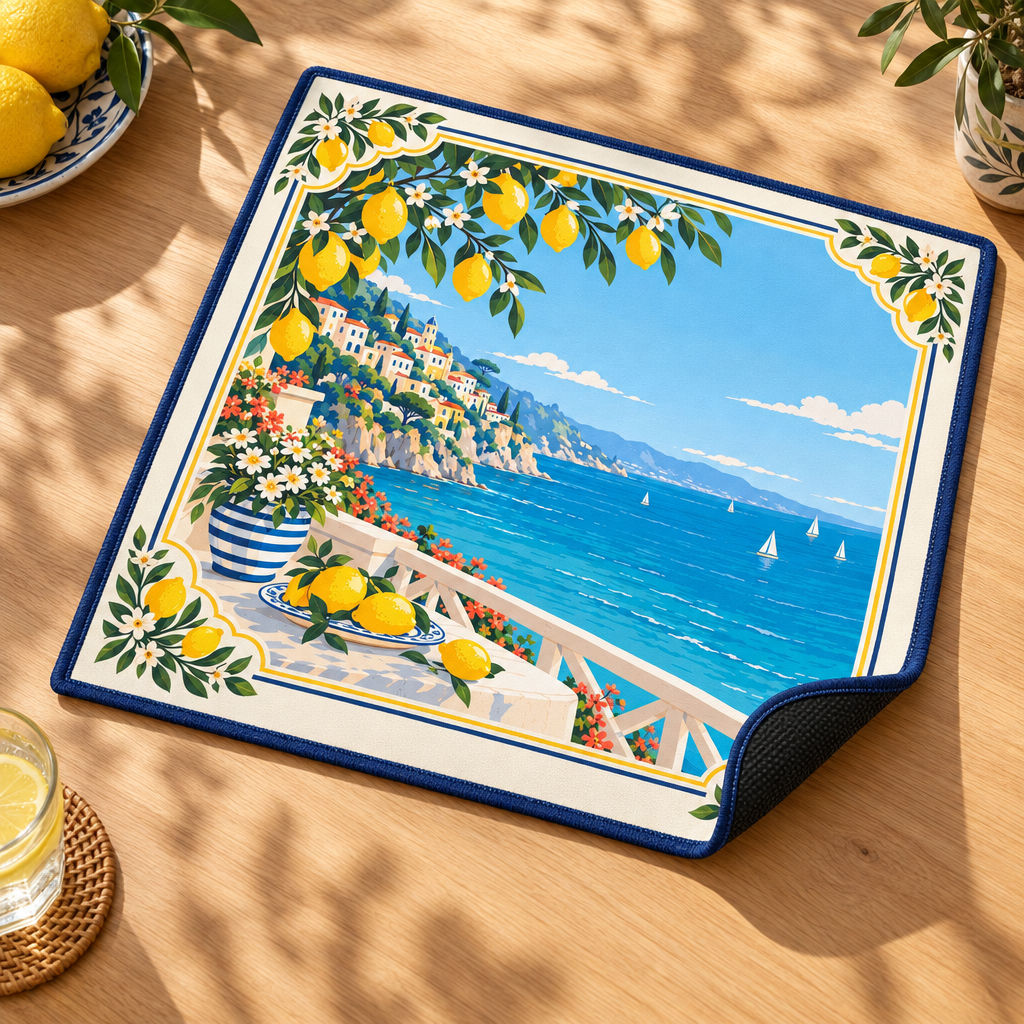
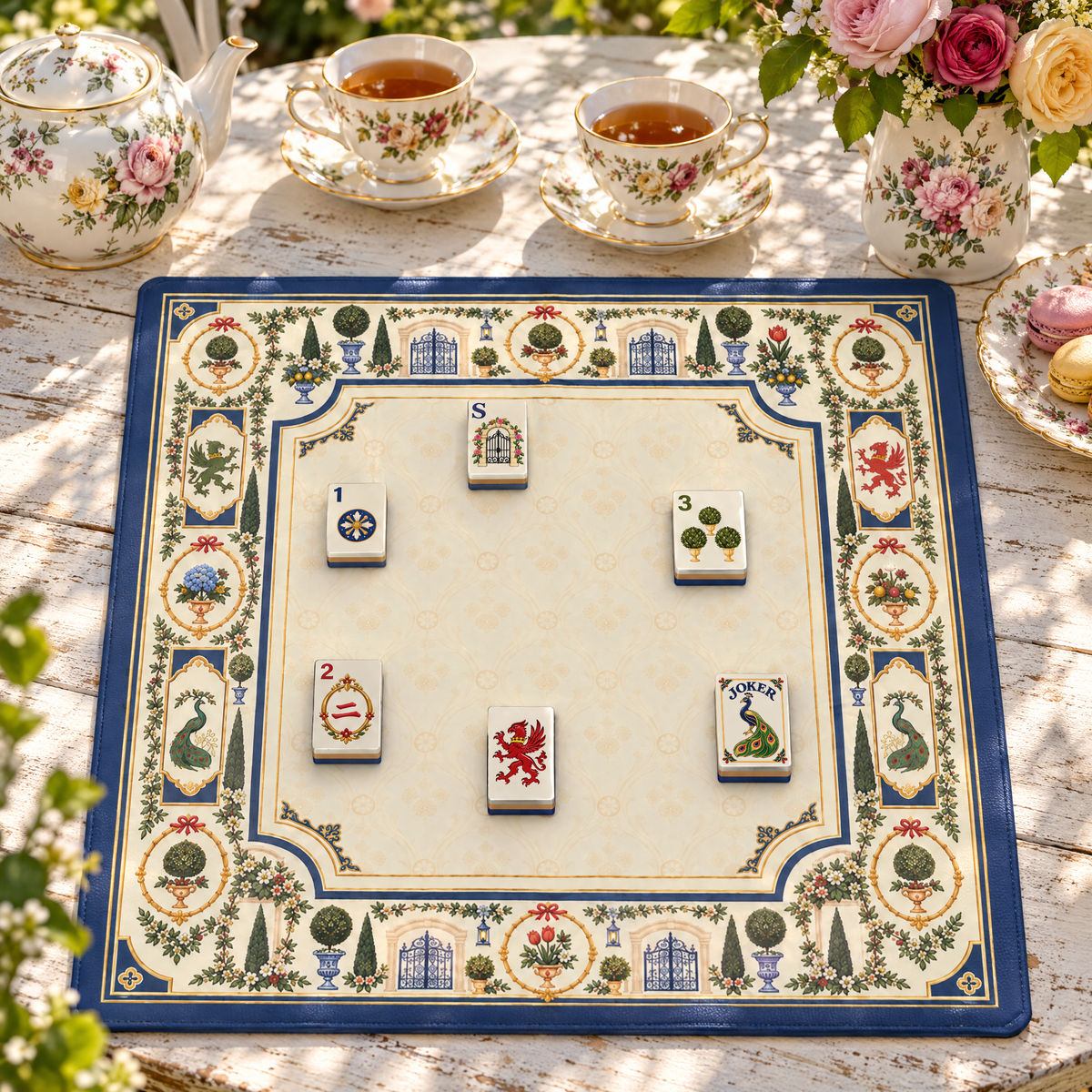
A mat is a padded playing surface you lay on top of your existing table; a tablecloth or cover wraps around furniture. Mats are better for protection—they cushion tiles, reduce noise, and have marked zones for wall positions and the discard pile. Table covers protect your table's finish but don't organize play. Learn the difference between mat vs. table cover to match your home setup. If you play weekly on the same dining table, a mat is worth the investment. If you travel or switch venues, a compact mat rolls up easier than a rigid cover. Most players buy a mat and later add a bag for portability.
What size mat do you actually need?
Standard mahjong mats accommodate four players around a standard dining table (roughly 36–48 inches per side). Measure your table length and width before ordering; if your table is smaller than 36 inches, look for compact mats designed for tight spaces. A too-small mat crowds the wall zone and discard pile; a too-large one hangs off unevenly. The mat's marked zones should align with where players sit—corners for the four players, center for the dead wall and Kong area. Check the product photos to see zone placement, not just overall dimensions.
How do you choose between an engraved set and a plain one?
Engraved sets carry custom text—names, dates, team names, or jokes—making them ideal gifts or memorable keepsakes for regular players. Plain acrylic sets are faster to ship and cost less if personalization doesn't matter. Engraved American mahjong sets are made to order, so lead time is longer. If you're hosting a weekly game with the same four friends, an engraved set (with your group's name or year) becomes part of your table's identity. For a casual player or someone trying the game for the first time, a plain best-selling mahjong set lets them start immediately. Neither affects gameplay—it's purely about sentiment and presentation.
What to check before you buy: a practical checklist
Before you order | Why it matters | Red flag |
Table size (inches) | Mat won't fit or will hang off. | You haven't measured your table. |
Number of players (usually 4) | Most setups are for four. Two- or three-player variants need different rules. | Buying without confirming you have 4 players available. |
Acrylic vs. bone/bamboo | Acrylic is durable, bright, low-maintenance. Bone/bamboo are heirloom but fragile. | Buying vintage tiles for a casual home game. |
Tile count (152 playing + spares) | American mahjong always uses 152 tiles + 8 jokers in play. Extra tiles are backups. | Assuming a 160-tile set contains fewer playing tiles. |
Mat thickness (typically 0.5–1 inch padding) | Thicker pads reduce noise and protect tables; thinner ones roll up smaller. | Buying a thin mat and expecting soundproofing. |
Shipping time | Engraved sets take longer than stock sets. Plan ahead for gifts. | Ordering an engraved set one week before a birthday. |
Free shipping to your state | Mahstead ships free across the US. | Assuming shipping costs extra. |
✨ Find your Mahstead set — free US shipping →
Should you buy racks and pushers with your first set?
Racks with pushers hold your 13 tiles upright and keep them organized during play; the pusher (a small stick) helps you advance tiles as you draw and discard. They're optional for casual games but almost essential for weekly play—your hands stay visible to all players (preventing accidental reveals), and tiles stay protected from spills. If you're hosting once a month, skip racks initially and add them after a few games if you feel you need them. If you're playing weekly, buy them with your set. Many shoppers buy a mat first, play a few games, then return to add racks and a travel bag for portability.
Where can you actually buy a complete mahjong table setup?
Most brick-and-mortar game shops, general merchandise stores, and online retailers carry mahjong sets, but quality and authenticity vary widely. Mahstead (mahstead.com, based in Dallas) specializes in acrylic American mahjong sets, mats, and accessories—all designed and assembled in-house and shipped free across the US. If you're looking for engraved tiles, custom mats, or a vetted set that follows American mahjong rules, buying direct from a dedicated retailer cuts through guesswork. Thrift stores and estate sales sometimes have vintage bone or bamboo sets; these are beautiful but require careful handling and cleaning. For a beginner, a new acrylic set from a specialist shop is the easiest path to your first game.
🎁 See our most-loved mahjong sets & accessories →
Common mistakes to avoid when buying your setup
Buying incomplete sets. A true American mahjong set has 152 playing tiles plus 8 jokers in play (160-tile sets include extra jokers or blanks as spares). If a listing says "144 tiles" or "148 tiles," it's missing Dragons or Flowers—unusable for American mahjong. Verify the tile count before checkout.
Assuming all mats fit all tables. Mat size matters more than you'd think. A 36-inch mat won't work on a 30-inch table, and forcing it creates dead zones where tiles can't be organized properly. Measure first.
Mixing old and new tiles. If you inherit Grandmother's vintage set, don't mix it with a new acrylic set. Bone and acrylic tiles wear at different rates, and the height difference confuses reading during fast play.
Not accounting for extras in a 160-tile set. A 160-tile set has 152 tiles for play and spare tiles (extra jokers or blanks) for replacement if one is lost or damaged. You always play with only 152; the spares live in your bag.
Overlooking the dead wall. The dead wall (where Kong tiles are drawn) must be marked on your mat and accessible to all players. A cramped mat doesn't leave room for the dead wall zone.
What to check before you buy
✅ Confirm your table dimensions (length × width in inches) before ordering a mat. ✅ Count the tiles in the product description: 152 playing tiles + 8 jokers in active play (extras are spares). ✅ Verify material: acrylic is beginner-friendly; bone/bamboo require careful storage. ✅ Read the mat layout: zones should include corners for four players, center dead wall, and discard area. ✅ Check shipping: Mahstead ships free to all US states—no surprises at checkout. ✅ Plan for lead time: engraved sets take longer than stock sets; order with a buffer if it's a gift. ✅ Start minimal: tiles + mat first, then add racks and a bag once you're hosting regularly.
FAQ
Can you play American mahjong without a mat?
Yes, but a mat protects your table, reduces tile noise, and marks the zones (walls, dead wall, discard pile). Playing directly on wood or glass is possible but messier and slower.
How often do you replace tiles in a mahjong set?
Acrylic tiles last decades with normal care. Bone and bamboo tiles can crack or chip if bumped. Buy spare tiles when ordering if you plan to play weekly for years.
Is a mahjong set a good gift for someone who's never played?
Yes, paired with a beginner's guide or an invitation to your game. Avoid engraved sets unless you're certain they'll enjoy the game; a plain acrylic set is easier to re-gift if they lose interest.
Do you need four players for American mahjong?
American mahjong is designed for four players. Two- and three-player variants exist but use different hand patterns and rules.
What's the difference between an American mahjong mat and a Chinese mat?
American mats are marked with zones for four players, a discard pile, and a dead wall. Chinese mats are simpler (no zones) because Chinese rules don't require the same fixed positions.
How do you clean an acrylic mahjong set?
Wipe tiles with a dry or barely damp cloth. Avoid submerging them or using strong chemicals—acrylic scratches easily. Store in a dry place away from direct sunlight.
Can you travel with a mahjong set?
Yes—pack the tiles in a travel bag, roll the mat, and use a hard case if you fly. Acrylic sets are lightweight and durable for car travel.


View More
View More
View More
