
Best Games for Ladies Night Mahjong and More
Last updated: Nov 23, 2026
Ladies' night mahjong works best with four players using the current year's National Mah Jongg League card—the rulebook for American mahjong. A typical game lasts 8 rounds (about 1–2 hours), and players score by matching tile combinations to printed hands. The game balances luck (tile draws) with strategy (which combinations to chase), so beginners and veterans play together equally. You'll need a 160-tile set (152 playing tiles plus spares), a mat to organize discard tiles, racks to hide your hand, and the League card—all available as complete starter kits. Most groups score with paper and pencil; play money is optional. The biggest beginner mistake: trying to memorize hands instead of reading the card. A ladies' night works because the card resets yearly, so no one has an unfair edge, and the pace lets people chat between turns.
What makes ladies' night mahjong different from a casual game?
Ladies' night games are designed for fun and connection, not tournament pressure. Players tend to prioritize laughter over speed, take time chatting between turns, and celebrate each other's wins. The rules stay identical to a regular four-player American mahjong game, but the vibe shifts: you pick lighter snacks, keep music low enough to hear calls, and maybe add a theme (holiday tiles, engraved sets with inside jokes, or matching racks). The key difference is intentionality—you're hosting for the experience, not just the outcome.

How do I choose the right hands to play?
The National Mah Jongg League card (issued each spring) shows all legal hand patterns for that year. As a beginner, focus on hands that appear frequently and use tiles you're already drawing: look for pungs (three identical tiles), kongs (four identical), or longer runs within a single suit. Avoid chasing hands that need exact joker placement early in the game—wait until the discard pile tells you whether they're realistic. A practical rule: if you haven't seen a tile you need within the first few draws, let that hand go and switch focus. The card organizes hands by section (like "Quint" or "Like Number"), so scan sections that match your current tiles rather than reading every pattern. Most experienced players keep 2–3 backup hands in mind, always ready to pivot when the table discards shift. This flexibility keeps you engaged and your win rate steady.
🀄 Shop best-selling mahjong sets →
Should we play American, Chinese, or Hong Kong rules?
American mahjong is the simplest entry point for a ladies' night because the hand patterns are printed on the card—no memorization needed. Play moves faster than Chinese mahjong (which allows chows, or sequences, and has no card), and no one needs to learn a completely new system mid-year. Chinese and Hong Kong variants add complexity: chows let you call and expose more combinations, scoring varies wildly by hand, and you'll need a rulebook at the table. If your group includes players who already know American rules, stick with that—switching variants mid-season frustrates everyone. If you're all beginners together, American rules let you focus on strategy and connection, not rulebook disputes. Riichi and Taiwanese mahjong are even more specialized and require dedicated study. Pick American, play one full season (spring through winter, using the same card), then decide whether to explore other variants.

What gear actually matters for a smooth night?
A complete starter set includes tiles, a mat, racks, and often the current card—this removes setup delays. The mat lets you organize the discard wall so no one knocks tiles over mid-hand; racks with pushers keep your hand hidden and sorted, preventing accidental reveals and speeding up play. Paper and pen (or a small notebook) track scores; many groups keep a running total from week to week, which adds continuity and friendly competition. One piece that's often forgotten: a dice cup or tray. Dropping dice onto the table scatters tiles, so a small cup (even a ceramic one from home) protects the table and saves time resetting. A quality mat also dampens noise—tiles clatter less, so conversation flows more naturally. Finally, store everything in a bag or case; it protects tiles during transport and signals to everyone that you're serious about the tradition. The gear doesn't make you a better player, but it removes friction and lets the night flow.
🎁 See our most-loved mahjong sets & accessories →
How do I keep the energy and friendships strong across many nights?
Consistency beats perfection: same day, same time each week (or every other week) builds anticipation and habit. Rotate the hosting duty if possible, so no one burns out and everyone gets a chance to choose snacks or set the table's vibe. Keep a simple score sheet across multiple weeks—not to crown a champion, but to mark the arc of the season and celebrate improvements. Many groups add small traditions: a gag prize for the lowest score one night, or celebrating someone's first win with applause. The National Mah Jongg League card changes each spring, so your group naturally resets skill each year—new players catch up faster, and no one feels stuck at a disadvantage. If someone struggles early on, pair them with a patient player for a few rounds, or review the basics of how American mahjong works together before next week. The game is designed so luck and strategy balance out over many games, which keeps friendships intact even through competitive stretches. Laugh often, celebrate the process, and protect the table as sacred space—that's what brings people back.
Game Setup Checklist: Five Steps to Ready
Set the table early – arrange the mat and racks at least 15 minutes before play; players who arrive early help finalize this, which builds investment.
Have the current League card visible – laminate a copy for the table so everyone can read hands without passing one card around; learn how to read the card with your group before Week 1.
Sort tiles in the box or tray – ensure all 152 playing tiles are present (check the count after the first night and quarterly); count before putting tiles away.
Mix the Charleston – the tile-passing ritual at the game's start (explained in detail here); it takes 5–10 minutes and must be exact so no one has an unfair draw.
Assign a scorekeeper – rotate this role week to week; even if it's informal, one person writing down scores keeps disputes nonexistent.
Theme / Vibe | Best For | Why It Works |
Casual weeknight | Busy professionals | Short games (1–2 hours), low stakes, flexible start time |
Seasonal (holiday tiles) | Year-round friends | Marks calendar, lets people gift each other themed sets |
Inside-joke engraved sets | Long-standing groups | Personalized tiles become heirloom keepsakes; great ice-breaker for new players |
Tournament-style scoring | Competitive players | Clear winner each night; tracks skill growth; builds camaraderie through challenge |
Beginner-friendly (teaching nights) | Mixed experience | Slower pace, card review between rounds, celebrates first wins |
✨ Find your Mahstead set — free US shipping →
What to Check Before You Buy
Tile count: Confirm you're getting 160 tiles (152 playing tiles plus spares for wear or loss).
Acrylic vs. bamboo: Acrylic tiles are lightweight, quiet, and easy to clean—perfect for frequent play; compare options in our best-selling collection.
Mat size: Standard mats fit a 36–42-inch table; measure your surface before ordering to avoid returns.
Racks included: A set with racks saves buying them separately; confirm pushers are smooth (wood or plastic both work, but test one before ordering in bulk).
Card year: Always check that your set's card matches the current year—the League updates every spring, and old cards create confusion mid-season.
Storage bag: A padded travel bag or case protects tiles and racks from damage; essential if you rotate hosting or transport weekly.
Getting Started: Next Steps
If you're new to hosting, start by reading our mahjong for beginners guide—it covers the rules snapshot and beginner-friendly hand strategies. Then, assemble your group of four, order a complete set with mat and racks, and schedule the first night. Pick a consistent day and time, buy snacks everyone loves, and remind players to bring the National Mah Jongg League card (or print one). The first night will feel chaotic—that's normal. By Week 3, hands will flow, scores will matter, and the jokes will write themselves. You'll have built something rare: a reason for people to show up, play, and stay connected.

FAQ
Can I play mahjong with just three people or two?
Yes. American mahjong has official 2- and 3-player variants, though the pace and hand difficulty change. Three players works best for ladies' night if one person regularly can't attend; scoring adjusts so no one has an advantage. Two-player games are slower and suit couples or teaching sessions, not group bonding.
How long does each game actually take?
A typical game of eight rounds takes 60–90 minutes for players familiar with the rules. Beginners or casual groups often take 2–2.5 hours per round—that's fine and normal. Many groups play two full games per night (2.5–3 hours total) with a snack break between.
Do we need to buy special dice for mahjong?
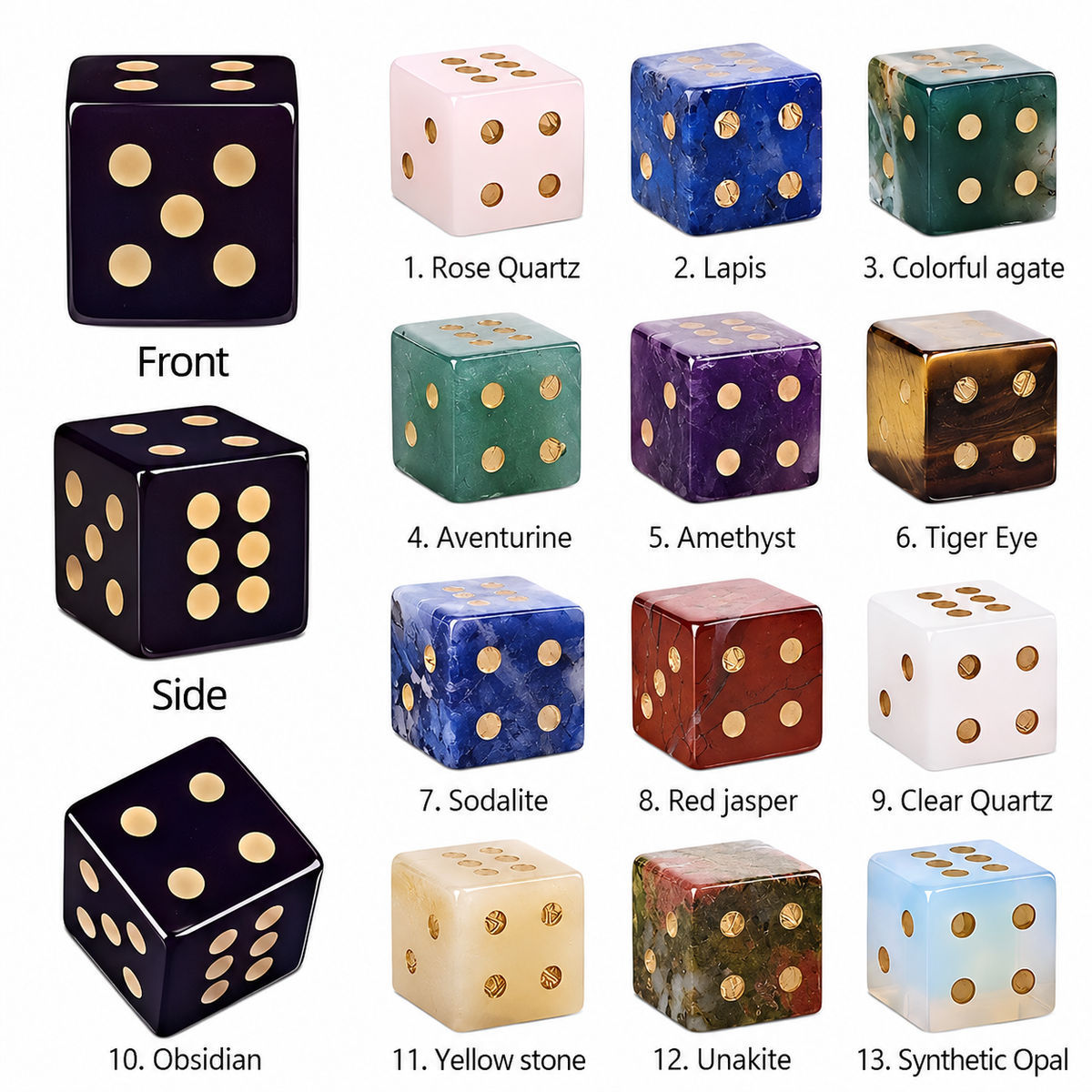
Standard six-sided dice work fine for determining the start position each round. Some players prefer mahjong-specific dice trays or fancy sets, but it's optional. A small ceramic cup or even a napkin works as a "dice cup" to prevent tiles from scattering.
What happens if someone can't make it one week?
You can play with three people using the 3-player rules, or one person can sit out and keep score. Many groups also keep a substitute list of friends who enjoy filling in occasionally, which keeps the four-player format (the ideal for American rules) intact.
Is it rude to look up a hand on the card during play?
No—the card is there to be read. In fact, checking the card keeps the game honest and prevents disputes. New players should be encouraged to read the card; experienced players do it too. Reading the card is part of the game, not cheating.
Can we play American mahjong online, or does it need to be in person?
American mahjong is designed as a social, in-person game and plays best at a table where you can control the discard wall, use racks, and chat between turns. Online versions exist but flatten the experience—many groups prefer in-person play for the connection and ritual.


View More
View More
View More
