
Mahjong Classes for Beginners in the Villages: Where to Start
Last updated: Nov 23, 2026
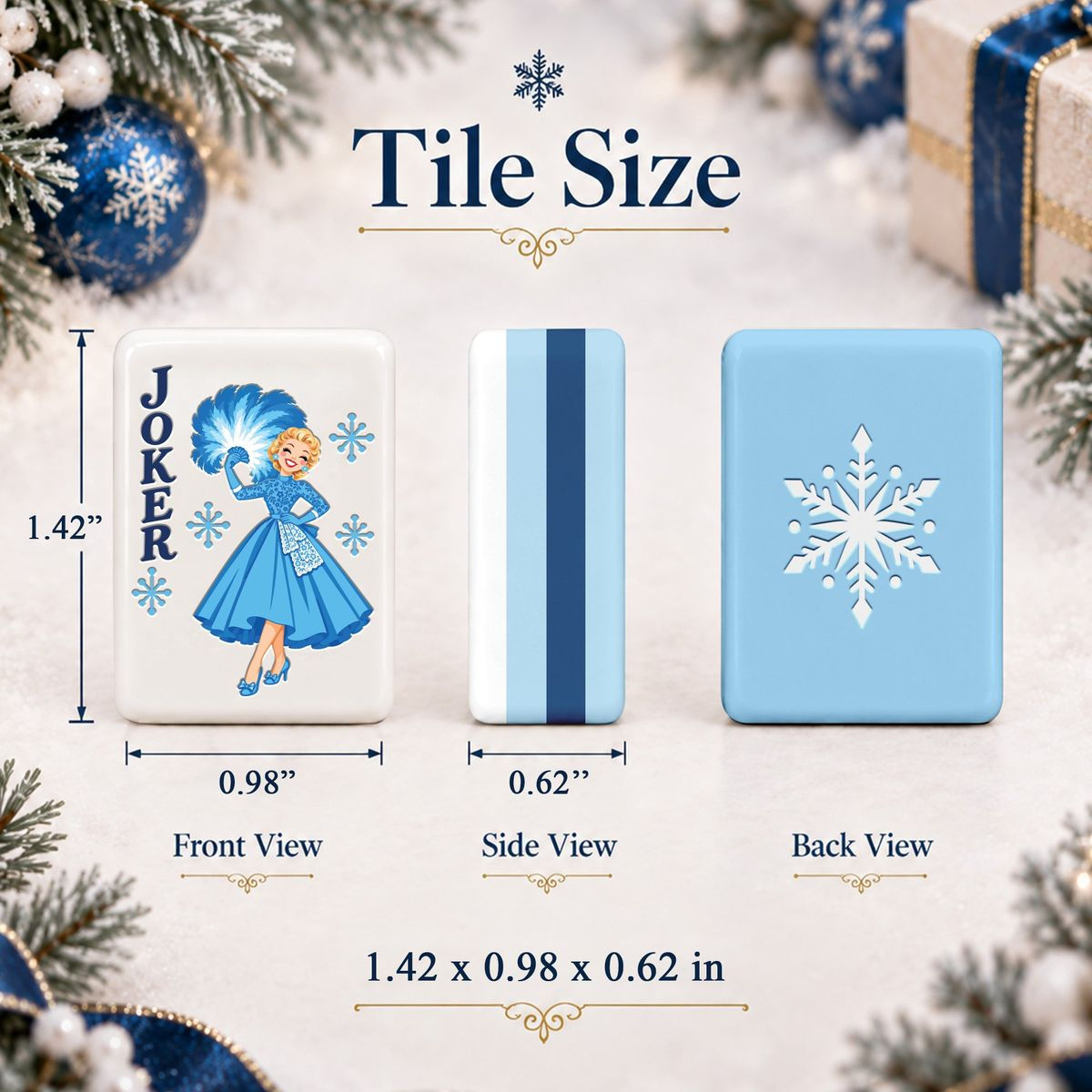
The Villages, Florida's massive active-adult community, hosts mahjong games everywhere from clubhouses to casual living rooms. Classes for beginners typically run through community centers, recreation departments, and informal club networks; check the Villages website, your local recreation catalog, or bulletin boards at libraries and country clubs. Most beginner programs meet weekly for 4–8 weeks, teach American mahjong (the dominant variant in the U.S.), and cost little or nothing. Expect to learn the 152-tile set, the Charleston passing ritual, and how to read the current year's National Mah Jongg League card. Bring a notepad, a partner (beginner classes usually group learners), and be ready to practice: the hardest part is memorizing tile names and hand patterns. Once you join a regular game, you'll want your own best-selling mahjong sets for home play—acrylic tiles won't wear out like paper cards, and a mat keeps the game organized and quiet.
Where do beginners find classes in the Villages?
The Villages Recreation Department runs seasonal classes at multiple recreation centers across the community. Check your local rec center's activity guide (print or online), ask the front desk directly, or search the Villages website for "mahjong" + "beginner" or "learn." Libraries often host clubs that teach newcomers. Country clubs, golf communities, and neighborhoods within the Villages frequently advertise classes on bulletin boards or through club newsletters. Join Facebook groups or Nextdoor boards dedicated to Villages activities; locals post class times, meeting spots, and skill levels constantly. Start by calling your nearest recreation center—staff know the current schedule and can recommend instructors or established beginner groups.

What should a beginner class actually cover?
A real beginner class teaches the tile set (144 tiles × four copies each = the standard American deck), hand-reading from the National Mah Jongg League card (updated yearly), and the Charleston (the formal three-round tile exchange before play starts). You'll learn how to build and read a hand, recognize exposed groups (pungs, kongs, quints), use jokers correctly, and practice one or two sample hands. Good instructors repeat the rules three or four times because American mahjong has quirks: no chows (sequences of 1-2-3), jokers never fill a single tile or pair, and hands change every year with a new card. Budget four to eight weeks for a beginner class; most meet for two hours once or twice weekly. Ask whether the class includes a copy of the current year's card and if you need to bring your own set—most don't require it for the first class, but owning one lets you practice at home afterward.
How much does a beginner class cost, and what's included?
Most beginner classes in community settings cost nothing to minimal fees (under local rec center membership, if required). Private instructors or specialty clubs may charge per session or per series; ask upfront. Classes usually include instruction, hand practice, and access to demo tiles; they rarely include a personal set to take home. After the class ends, you'll want your own set for home games. Best-selling acrylic sets are durable, quiet, and designed for weekly play—far better than paper tile facsimiles. Check whether your class provides a scorepad and the current-year card, or if you need to purchase or print those separately (the card is published annually by the National Mah Jongg League and costs a few dollars).
What's the difference between American mahjong and other variants taught in classes?
American mahjong is the version played in the U.S., especially in active-adult communities like the Villages. It uses 152 tiles (three numbered suits: Bams, Craks, Dots; winds; dragons; flowers; jokers), reads from a standard card updated yearly, and forbids sequences or "chows"—only exposed groups of identical tiles (pungs, kongs, quints) and pairs. Chinese mahjong, Hong Kong mahjong, and Riichi mahjong use different tile counts, rule sets, and hand structures entirely. Most Villages classes teach American mahjong because it's the local standard. If a class description doesn't say "American," ask directly. The National Mah Jongg League card is the rulebook for American mahjong; every game uses that year's card, no exceptions. If you travel to China or play online, you might encounter other variants—but your Villages instructor will teach you the American rules that work at the table.

What do you need to have before or after your first class?
Before class: notebook, pen, comfortable clothes, and an open mind. After class, when you join a regular game, you'll want a personal set. Here's what matters:
What You'll Need | Why for Beginners | Long-term Use |
Acrylic tile set | Durable, loud enough to hear, easy to shuffle | Daily/weekly games for years |
Mahjong mat | Organizes tiles, quiets the game, protects the table | Every game; especially in shared spaces like Villages clubs |
Racks with pushers | Holds and sorts your 13 tiles, speeds play | Essential once you're in regular games |
Bag or case | Transports set to games safely | If you carry your set between homes or to club meetings |
Current-year card | Shows every legal hand pattern in American mahjong | Mandatory; classes provide or you print it |
🀄 Shop best-selling mahjong sets →
How do you choose the right class for your skill level?
Before signing up, ask the instructor or group leader: (1) Is this 100% beginner, or mixed skill levels? (2) Do we cover American mahjong from zero? (3) How many weeks, how often per week? (4) Do you provide tiles or should I bring my own? (5) What happens after the class—is there a regular game to join? Mixed-level classes can overwhelm you if you're starting from scratch; beginner-only or "absolute beginner" classes are safer. Attend one session as a visitor if possible before committing. Ask current students whether they felt the pace was right and whether they played a real game by week two. The best class is one that progresses slowly, uses the same tiles each week (consistency helps memory), and connects you to a regular game afterward. The Villages has enough mahjong activity that you can find a fit without rushing.
What to check before you buy your first set:
Tile quality: Acrylic tiles last years and sound good; paper tiles wear out fast and feel cheap.
Set count: American mahjong uses exactly 152 tiles in play. A 160-tile set includes spare tiles; this is standard and good practice.
Carrying ease: If you move between homes or go to a club, a bag or case matters—weight and portability differ.
Mat fit: Some mats are 30"; some are 36"; measure your table or lap space first.
Return visits: After your class, will you play weekly? Monthly? Own a set only if you'll use it at least monthly.
🎁 See our most-loved mahjong sets & accessories →
How to transition from class to your first regular game
After your beginner class ends, you'll be invited to regular games—at someone's home, a club, or a recreation center drop-in. Bring your own set and mat; most groups expect players to have gear after the first month. Ask your instructor to connect you to a "new player" game—groups often hold one or two slower, more forgiving tables for fresh players. Wear comfortable clothes you don't mind sitting in for two or three hours. Bring water and a snack if allowed. On your first night, sit next to or across from someone patient; ask questions between hands. The first game feels slow and confusing; by your third or fourth, you'll recognize hand patterns and play faster. Write down hands you see; after ten games, you'll stop needing the card for common ones. The social side—conversation, laughter, competition—is half the joy. You're joining a community, not just learning a game. Once you're in a weekly game, your acrylic set and mat become your identity at the table.
✨ Find your Mahstead set — free US shipping →

FAQ
Do I need to own a mahjong set before I take a beginner class?
No. Beginner classes provide demo tiles. You'll want your own set after the class ends, when you join a regular game—usually within one to two months of finishing instruction.
Is American mahjong harder than other types?
American mahjong is different, not harder. It has no sequences (a big change if you've played Chinese), a new card every year, and strict joker rules. Most players find it easier to learn than Chinese mahjong because the rules are codified on one card.
How long does it take to play a real game after learning the basics?
Four to eight weeks of weekly two-hour classes should get you to your first full game. You won't be fast, but you'll understand the rules and win a hand or two.
What's the typical cost to join a regular game after class?
Most home games are free or use a small buy-in (tokens, coins) for friendly betting. Some clubs charge a membership or session fee. Ask your instructor about the culture in your group before your first paid game.
Should I buy an expensive set right away, or start with a budget option?
Start with a mid-range acrylic set after your class—durable enough for weekly play, not so pricey that you're nervous using it. Upgrade later if you love the game and play for years. Cheap sets wear out; very expensive sets are overkill for beginners.
Can I play mahjong at the Villages if I'm not a resident?
Many Villages clubs and drop-in games welcome visitors. Call ahead and ask; clubs vary in guest policies. Your beginner instructor can advise on visitor-friendly games.


View More
View More
View More
