
Bachelorette Mahjong Party Ideas: Themes, Rules & Gear
Last updated: Nov 23, 2026
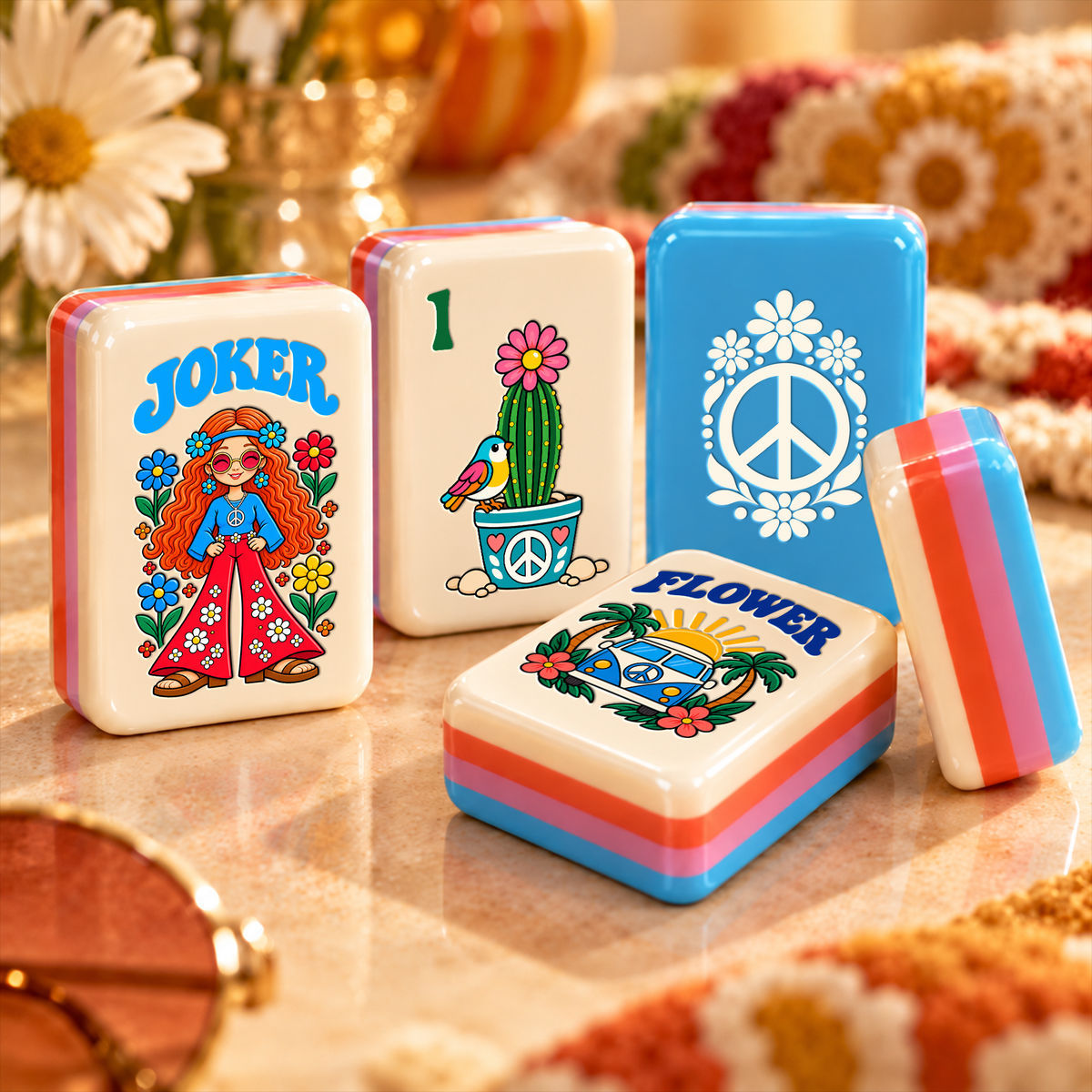
A bachelorette mahjong party is a four-player American mahjong game tailored for a celebration. Themes work well: "Bride's Lucky Hand," matching sets with custom engravings, comedy tiles, or bright acrylic colors. Keep first-timers comfortable by running a shorter session (90 minutes, two or three rounds), using a mat to organize tiles, and picking one simplified hand pattern from the current year's card. You'll need a 160-tile acrylic set, a mat, and racks with pushers to organize play. Skip complicated scoring for the first game; focus on the ritual (the Charleston tile pass, the wall build, calling a winning hand). Mahstead's best-selling mahjong sets come in bright acrylics, engraved titles, and custom designs—ideal for a memorable keepsake. Cost varies by customization; expect the experience to last two to three hours with snacks and laughter built in.
Should we teach mahjong rules before the party or during play?
Teach the basics one week before, then review in the first 10 minutes on party day. A bachelorette crowd rarely wants a 30-minute lecture; they want to laugh and play. Email the group a two-minute video or one-page cheat sheet covering the Charleston (tile-passing ritual), wall setup, and what "pung" and "kong" mean—exposed groups of identical tiles. On game day, assign one experienced player (often you) as dealer and gently walk through the first round: describe the wall as "our shared tile bank," the Charleston as "three passes, pretty satisfying," and winning as "calling Mahjong when your hand matches the card." Skip scoring entirely in round one; just celebrate each winner. By round two, players relax and absorb the rules through doing, not listening.

What themes turn a regular mahjong night into a bachelorette celebration?
Personalized set engravings transform the game into a keepsake. Brass engrave the bride's name, her initials, the wedding date, or a joke like "Last Mahjong Before the Ring" on the rack or tile case. Many of us pair this with a color scheme: rose gold acrylics with rose quartz or blush tiles, jewel-tone sets for a glamour vibe, or bright pastels for a fun, modern feel. Another layer: assign funny player names to the four winds (North, East, South, West)—"The Bride," "The Maid of Honor," "The Friend Who Plays Everywhere," and so on—and write them on place cards. One group we host used theme accessories: each player wore a sash in their wind's color and kept score in a custom scorebook with Polaroids. Engraved American mahjong sets lend themselves beautifully to this personalization; the acrylic takes engraving without chipping, and the tiles stay vibrant year after year.
What gear do we need to host four players comfortably?
Gear | Why It Matters | Beginner Setup | Upgraded Setup |
160-tile acrylic set | Bright, durable, visible to all four players. Acrylics don't chip like ivory; tiles sound clean. | One set per table | One main set + spare jokers for broken tiles |
Mahjong mat | Organizes tiles into clear sections; prevents tiles sliding off the table; creates a "boundary" so play feels intentional. | Neoprene or cloth mat, 30"–36" | Felt or premium neoprene, custom colors |
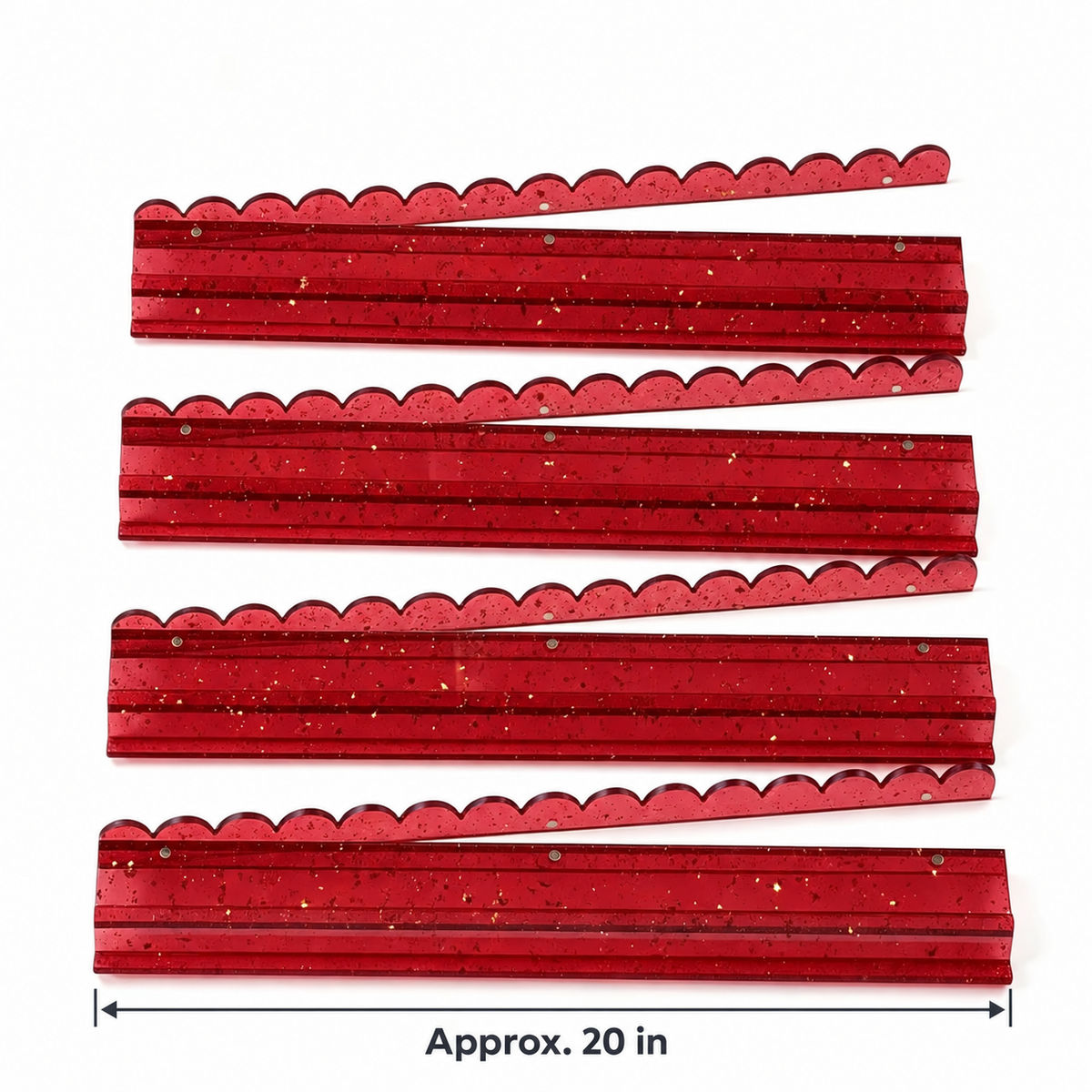
Racks with pushers | Four racks hold each player's 13 tiles; pushers keep tiles neat. Beginners feel more in control. | One set of four racks | Racks with felt or cushioned bases to protect tabletops |
Tile case or bag | Protects tiles between rounds; makes setup faster; looks polished. | Drawstring bag | Hard-shell case or shoulder bag for easy transport |
Scorepad or app | Tracks wins and totals for bragging rights. | Paper notepad | Printed scorebook with bride's photo on cover |
A beginner-friendly table needs a 160-tile set, mat, and four racks—all in one place so no one hunts for tiles mid-game. Mahjong racks with pushers are under-appreciated; they keep tiles upright and visible to the player, prevent fumbling, and make the table look organized rather than chaotic. Pair them with a mahjong mat in a color that matches your party—blush, navy, emerald, or gold—and the whole setup photographs well for Instagram. A mahjong bag or case means you can transport everything to a restaurant or backyard without tiles spilling; many of our players keep a decorated case in their car for impromptu games.
🀄 Shop best-selling mahjong sets →
How do we keep the pace fun and not bogged down in complex strategy?
Set a timer: 90 minutes for two or three complete rounds, no exceptions. Call out the wall build in a playful voice ("We're building the great tile wall of this bachelorette party!"), keep commentary lighthearted, and celebrate every draw. One simple rule that speeds play and raises laughs: if someone takes longer than 15 seconds to discard, announce "timer!" and the group cheers. Allow players to ask the experienced dealer any question mid-hand without penalty—no "official rule" shaming. Use the Charleston as a bonding moment; it's three passes of tiles with no strategy, just chaos and laughter. On the mahjong card, all 152 tiles worth of hands exist, but pick just three or four simple patterns in advance (one-suit hands, all pairs, or low-number combinations) and announce them before the round starts. This narrows focus and makes winners feel clever rather than lucky. Skip the rulebook; if a tie-breaking question comes up, let the dealer decide, laugh, and move on.
What should beginners know about jokers and the mahjong card?
Jokers are wild tiles; each hand on the card specifies how many you can use—usually one to three per hand. A joker can stand in for any missing tile you need (e.g., you have two Red Dragons and one joker, which counts as the third Red Dragon, completing a pung). Jokers can never form a pair or a single tile on their own. The card—released every spring by the National Mah Jongg League—shows all playable hands for that year. Each hand is a grid of symbols: numbers, winds, dragons, and flowers. To win, your 14 tiles (after drawing one more on your turn) must match one complete hand on the card, with no tiles left over. For a bachelorette game, don't memorize the card; instead, pick the simplest section—often "1 Like Number" or "All Pairs"—and use that. One player holds the card and calls out hands as tiles are exposed. This keeps energy high and decision-making simple. If you want guidance on reading the card, a one-page cheat sheet helps beginners orient themselves.
How do we manage scoring so it stays fun, not stressful?
Skip detailed scoring in round one entirely. Instead, award a point to the winner and move to the next round. This keeps energy up and prevents the party from grinding to a halt while someone calculates "double wind, triple pung, no flowers" or whatever the rules say. If your group has experienced mahjong players, keep a scorepad and track wins by name (Bride: 2 wins, MOH: 1 win, etc.). At the end of the night, award a funny prize—a chocolate tiara, a sash, or a custom drink stirrer—to the player with the most wins. Avoid chips or money; a bachelorette party mahjong game is about memory and togetherness, not profit. One memorable party we hosted gave each winner a custom tile keychain from the bride's set. If someone insists on "real" scoring, explain American mahjong scoring briefly—points multiply based on tile combinations and winning method—but offer an alternative: "We're keeping it simple tonight; the real victory is getting you all addicted so we play again next month."
🎁 See our most-loved mahjong sets & accessories →
What's the single best host move to set the mood?
Make the set and mat a visual centerpiece before anyone sits down. Set the mat on your best table, arrange the tiles in the wall, place a printed card beside it with the year's date, and let guests arrive to an inviting, intentional space. This signals "we're doing something special," not just "we're playing a board game." Dim overhead lights and use candles or pendant lights to make the table glow—acrylic tiles catch light beautifully. Play low, ambient background music (jazz, lo-fi, anything without lyrics). Keep snacks and a drink station nearby so people refill without leaving the table. One host we know printed custom scorecards with the bride's face at the top and funny wind names ("The Bride," "The Chaos Agent," etc.). These small touches transform a party from "we're learning a game" to "we're part of a tradition we'll talk about for years."
What to check before you buy or host:
Set condition: Check that all 152 tiles are present and unblemished. Acrylic tiles should be smooth with no cracks.
Table height and space: Mahjong works best on a table 28–30 inches tall with 36 inches of width. Four racks and a mat fit comfortably.
Player experience mix: Ideally, one player knows the game well; three can be complete beginners. An all-beginner table struggles.
Lighting: Ensure the table and card are well-lit so players can read tile faces and the card easily.
Duration commitment: Four players typically play two to three complete rounds in 90 minutes. Communicate this upfront.
Weather and location: If hosting outdoors, wind and glare make tile-reading hard; choose a covered or shaded spot.
✨ Find your Mahstead set — free US shipping →

FAQ
Can we play mahjong with fewer than four people?
Yes, but it's different. Two and three player mahjong follow different rules and hand patterns than four-player American mahjong. For a bachelorette party, four is ideal; it's the standard format and no special rules are needed. If you have five or six guests, rotate players in and out each round so everyone plays.
How long does a typical round take?
One complete round—wall build, Charleston, 14 draws, and one win—takes 15 to 25 minutes. Three rounds fit comfortably into a two-hour party. Most bachelorette groups play two rounds, then switch to other activities or continued socializing.
What if nobody at the party knows how to play?
Assign one person (you) as dealer and rule-keeper for the first round. Watch a two-minute YouTube video together as a group before the game starts, then let the dealer talk everyone through the first hand step-by-step. By round two, intuition kicks in and people play more fluidly.
Can we customize the set with the bride's name?
Yes. Engraved American mahjong sets accept engravings on racks, cases, or tiles themselves. Custom engravings turn the set into a lasting keepsake. Plan this several weeks in advance to allow processing time.
What if we make a mistake in play—do we have to restart the round?
No. If someone accidentally exposes a tile, calls an invalid hand, or miscounts their tiles early in a round, the dealer can agree to restart just that player's hand or (more commonly) move forward and agree to be more careful. Bachelorette mahjong prioritizes fun over perfection; if all four players agree to move on, that's the rule.
Is there a beginner-friendly mahjong set, or are all sets equally complex?
All American mahjong sets contain the same 152 tiles and follow the same rules. Complexity comes from learning the card and hand patterns, not the tiles themselves. Choose a set with bright, easy-to-read acrylic tiles and a mat to organize play, and you've done everything a beginner needs.


View More
View More
View More
