
American Mahjong End Game Strategy: Win More Hands
Last updated: Nov 23, 2026
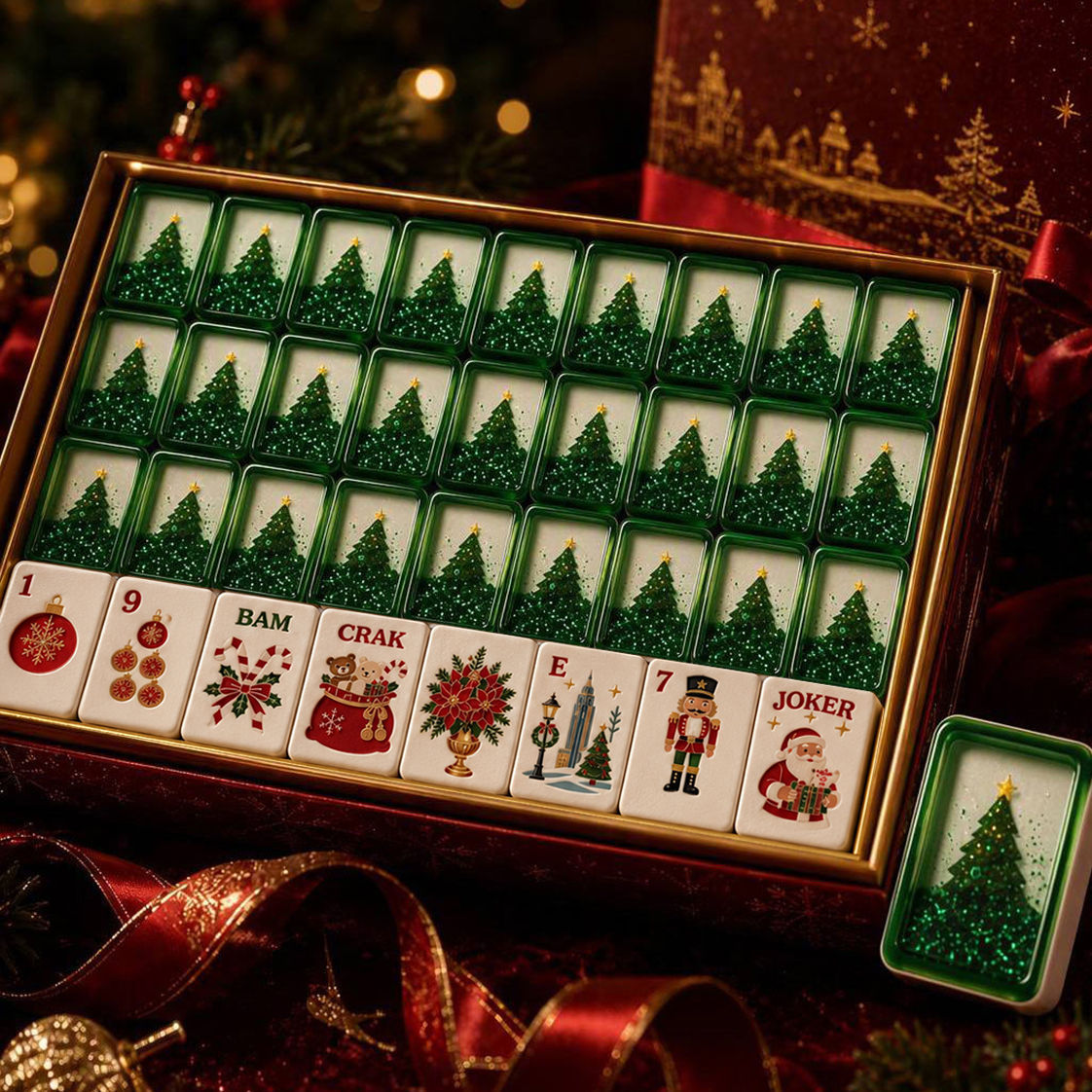
American mahjong endgame strategy begins the moment someone calls their second or third set. Until then, you're fishing for options; now you're defending and calculating risk. The endgame is the last 8–12 draws per player, when 2–3 others are visibly close to completing a hand. Your job shifts from "build what's on the card" to "slow down the leader, protect your winning tiles, and read what your opponents need." Study the current National Mah Jongg League card to know which patterns are in play and which tiles are blocked. Watch discard piles for dead tiles—those no one needs—and throw them first. If you have a realistic shot, be selective; if not, play defense by throwing tiles others are likely to call, and watch for the pivot moment when someone discards safety. Winning endgame play cuts unnecessary risk and forces your opponents to draw dead.
What tiles signal the endgame has started?
The endgame starts not by the draw count but by visible progress. Watch for the first pung or kong exposed (someone called 3 or 4 matching tiles). By the second or third exposed set, the game has shifted from exploration to pressure. Count how many tiles are left in the wall—if fewer than 24 remain and two players have exposed melds, endgame tactics apply now. This is when you stop chasing your original plan and start reading the table.

How do you read what opponents actually need?
Look at the discard pile, not just the tiles they call. If a player discards 1 Bam, 2 Bam, and 3 Bam, they don't need Bams—they're strong in another suit or honor category. If they discard 3 Craks, 4 Craks, 7 Craks over three rounds, they're likely holding a sequence-less meld (pairs, pungs, quints, or sextets—remember, American mahjong has no chows). Players discard what they don't need; keep a mental note of what's missing from their pile. A player with East wind, White wind, and North wind discarded is probably not waiting for another wind in their hand—they've either melded it or it's not their final tile pattern. Track these gaps ruthlessly.
When should you discard dead tiles vs. blocking tiles?
Dead tiles are those no one will call. A 9 Dot that's already been discarded twice and no one picked is dead—throw it early to clear your hand and reduce pressure on you. Blocking tiles are ones your opponents need. In the endgame, discard dead tiles first, then blocking tiles only when forced. If you're not winning and can't block safely, prioritize keeping your hand small (fewer tiles). A small, incomplete hand is less of a liability than a full hand that signals you're not a threat. Never throw blocking tiles when you're the only player with a realistic shot at meld; you'll speed up someone else's win and tank your own score.
How do you know when to abandon your hand and play pure defense?
Create a 60-second checkpoint when the second player calls their second set. Count how many complete sets you have called or laid, versus how many you need. If you have zero exposed sets and need three complete sets plus a pair to win, your odds are low—shift to defense now, not later. If you have one solid set exposed and only need two more melds, stay selective but playable. The decision matrix is simple: Are you in the top two for likely winners? If no, play defense (discard what's safest, don't stretch for risky tiles, let the leaders fight). If yes, stay selective (throw only tiles others clearly don't need, hold onto your options longer). Staying in a losing hand burns tiles and breaks focus; flipping to defense mode frees you to read the table instead of obsessing over your own tiles.
What's the fastest way to spot a player about to win?
Watch hand motion and discard speed. A player slowing down means they're thinking harder—they're one or two tiles away. A player discarding very fast is either: (a) throwing dead tiles automatically, or (b) panicking because someone else is close. If a player suddenly stops discarding a suit entirely, they've either melded it or they need it urgently. The real tell is eye contact and body language: a player who looks at the wall, then at the discard pile, then back at their rack in quick succession is calculating. A player who discards without looking is less of a threat.
Compare your typical endgame reads below:
Sign | Meaning | Your action |
Discards same suit three rounds running | Doesn't need that suit | Consider throwing it; low risk |
Calls a pung immediately after discard | That tile pattern is active | Don't throw the same suit |
Discards into wall without looking | Likely throwing dead tiles | Monitor them; not a primary threat |
Slows hand motion, stares at rack | Calculating final draw | Prepare to block or concede |
Discards honors, then only numbers | Honor melds are complete | They need numbers now |
🀄 Shop best-selling mahjong sets →

How do jokers change your endgame tactics?
Jokers in the endgame are currency—how jokers work in American mahjong means they're wildcards in exposed sets only (never in a pair or a single tile). If you see a player with jokers in their exposed melds, they're stretching patterns and likely need specific tiles to complete their hand. Those specific tiles become dangerous to throw. A player with a quint (5 tiles: three 5 Craks and two jokers) still needs the right tiles to finish; jokers bought them time, not a guarantee. In pure defense mode, note which jokers are exposed and avoid their suit. If you have jokers in your closed hand but no realistic path to meld, hold onto them as long as possible—they're your most flexible late-game tool if the game slows down.
What's the difference between aggressive and conservative endgame play?
Aggressive endgame means you commit to winning: you throw only tiles you're certain others don't need, you hold onto your options longer, and you risk calling "wait" (exposing your incomplete hand one tile away from winning). You do this only if you're in the top two competing hands. Conservative endgame means you prioritize staying alive (not discarding something an opponent will call and win on): you throw safer tiles, you expose less, and you let someone else take the risk. Most home players play conservatively too late and lose influence; the cost is you never win, but you rarely "busted" (threw the tile someone won on). Aggressive players win more hands but also lose more when they throw incorrectly. The balance: be aggressive only when your arithmetic says you have a real chance, and flip to conservative the moment that math breaks.
🎁 See our most-loved mahjong sets & accessories →
Why does the discard pile matter more than your own tiles?
Your tiles are fixed; the discard pile is a story of what others rejected. Every tile thrown tells you what someone didn't need. By the endgame, you should be able to predict the next three players' moves based on their discard patterns alone. A player who throws 1 Craks, 2 Craks, and 3 Craks (in any order) across three rounds is screaming "I don't need Craks." That means if you need Craks, they won't block you there—but also, they might have a strong alternate suit or honor pattern that does include those tiles. The discard pile is a veto map: use it to know what not to fear. If all three players have discarded at least one 9 Dot, the 9 Dot is likely low-value and safe for you to throw.
How do you play endgame with three players (or two)?
Two and three player mahjong changes endgame math because there are fewer discard patterns to read—fewer people, fewer tiles in play, faster cycles through the wall. With fewer players, each person's hand matters more, and dead tiles are rarer. The endgame in three-player arrives faster and is more aggressive: walls clear sooner, so every discard is higher-stakes. With two players, it's nearly pure combat—every tile you throw is either giving them what they need or blocking them. Play even tighter; mistakes are magnified because there's no third player to absorb risk.
What to check before you buy a set for serious endgame play:
Tile clarity: Can you read suit symbols and numbers instantly under table lights? Endgame speed depends on fast recognition. Best-selling sets use clear acrylic and sharp printing.
Hand comfort: Do your fingers move tiles smoothly without squishing them? A cramped hand slows your discard speed and your ability to rearrange melds when reading.
Rack visibility: Can you see all your tiles at a glance without moving your rack? If you're hunting for a tile during endgame, you've already lost the momentum.
Mat stability: Does your playing surface keep tiles from sliding when someone discards hard? Mahjong mats with non-slip backing eliminate accidental calls caused by tiles shifting.
✨ Find your Mahstead set — free US shipping →
Practice checklist: One week of endgame focus
Monday–Tuesday: Play one full game and pause at each endgame trigger (second exposed set). Map the discard pile. What suit or honor class has each player rejected?
Wednesday: Rewatch that game. For each player's endgame moves, predict their next discard. Were you right?
Thursday–Friday: Play two games. This time, keep a written log of "dead tiles" (discarded 2+ times, no one called). At game end, compare your list to the actual wall—did you identify the dead tiles correctly?
Saturday: Play defensively in your first game, aggressively in your second. Note which one you won and your error rate in each.
Sunday: One full game with focus on hand motion and eye contact. How early can you spot the leader?

FAQ
Can I use math to calculate my winning odds in the endgame?
Partially. Count how many tiles are left in the wall, how many complete sets you need versus how many turns you'll likely get. If you need two more sets and only 10 tiles remain, odds are poor. But American mahjong is also pattern-dependent (the hand must match the current card), so pure probability fails. Use math as a rough screen: if the math is bad, play defense; if it's close, play reads instead.
What happens if two players go "wait" at the same time?
The player whose turn it is (the one closest to the wall, drawing next) wins if they draw their winning tile. If neither draws it and the wall empties, the round is a draw. Declare "wait" only when your arithmetic is sound and you're willing to lose if someone else gets the tile first.
Should I ever discard my pair in the endgame?
Never. Your pair is the last tile you need to win; discarding it signals you've given up. If you're truly abandoning your hand, discard the entire hand; don't signal confusion by dropping your pair alone.
How far ahead should I keep my hand from the wall?
Far enough that you can count your tiles quickly without exposing them to other players, and close enough to grab the wall tile the instant you need it. Practice this with racks with pushers that anchor your hand position so it's consistent across games.
Is it ever right to throw a tile your partner is waiting for?
In four-player American mahjong, partnerships don't exist—all-against-all play rules. Throw the tile if it's strategically correct for you. If it's your actual partner (home game variant), discuss house rules beforehand; most serious games don't allow signaling to your partner anyway.
How do I avoid "busting" (throwing the winning tile)?
Endgame focus comes down to reading: know which tiles are dead (safe), which are blocked (others already discard them), and which are dangerous (no one's thrown them, so someone wants it). When in doubt, throw dead tiles. Keep a mahjong mat so all discard piles are visible and organized; a cluttered table leads to blind throws.


View More
View More
View More
