
American Mahjong East Strategy: Position, Defense & Winning Tactics
Last updated: Nov 20, 2026

East is the dealer and claims tiles first in American mahjong, holding a +1 point multiplier and the initial break advantage. Your strategic edge comes from tile visibility (you see the discard wall first), the right to claim any called tile before other players, and the ability to call off the wall. East strategy hinges on three pillars: aggressive pung/kong exposure in the first four turns to signal strength and shape outcomes, ruthless Charleston reading (noting which tile types flow to whom) to predict danger tiles, and defensive tile retention when ahead. Common mistakes include calling too early (limiting final hand options), exposing weak combinations that block future melds, and ignoring count timing—a strong East player wins roughly 28–32% of hands from position when the table averages 25%. The real skill is balancing aggression with patience: claim territory when your rack supports it, then lock down and defend. Mahstead's engraved American mahjong sets let you drill positions in your own weekly games, sharpening reads week after week. 🀄 Shop best-selling mahjong sets →
How do you use East's first-turn advantage?
East breaks the wall and draws first—a one-tile edge that compounds. Play your first discard deliberately: if you're hunting a specific hand type (like sequences of one suit), discard a tile that won't signal your direction immediately. Many new Easts panic and throw wild tiles; instead, hold your discard to your suit goal for at least three turns. This small discipline lets you read what suits the table abandons, then commit aggressively once you've mapped the danger. Your first four turns set the psychological tone: expose a pung or kong only if it genuinely strengthens your hand path, not to "show strength." False exposure exhausts jokers and limits your final options.

Should East call aggressively or play defensively early?
Early calls depend on hand type and your point lead from prior rounds. If you're East and already ahead, calling a pung or kong signals to the table that you're hunting—this often makes opponents defensive, slowing the game. If you're chasing points, aggressive claiming in turns two through five lets you expose combinations quickly and force the table to react to you, not vice versa. A worked example: you hold two 3 Craks and need to decide if a discard matches your hand pattern. If your hand supports a pung (three identical tiles), claim it; if it's a half-formed combo with no clear future, let it pass. Read the National Mah Jongg League card every hand: hands that require five or six exposed melds demand early calls; hands with mostly concealed tiles need silence and patience. East players who call every possible tile end up exposed and vulnerable; those who call strategically control the table tempo.
What defensive tactics protect East when you're ahead?
Once you've exposed melds and your lead is visible, opponents will hunt for your concealed tiles. Retain pairs and single tiles that don't reveal your hand structure. If your hand needs 2 Bams and opponents have already discarded three of them, keep other pairs locked until you must declare or tile. Watch what each player—West, North, South—is discarding; this tells you which suits they're safe in and which they fear. A defensive East plays a "second-hand game": let West lead, then respond to West's discards instead of forcing the pace. This feels passive but it's powerful—when opponents think you're cautious, they lower their guard, then you claim the winning tile off an unexpected discard.
How does Charleston reading improve East's edge?
The Charleston happens before play starts, and East pays close attention. Watch what East-to-West, West-to-North, and North-to-South passes contain. If West passes you mostly Dots, West is likely unhappy with Dots—meaning Dots may be safer to discard later. If South's pass to you includes Winds, South probably has a weak Wind hand. This observational window lasts only seconds, but logging which tiles move around the table informs your first five discards. Strong East players review the Charleston with their first draw: "Did I expect those tiles? What does that tell me?" This habit alone lifts your winning rate by 3–4 percentage points over a full season.
What's the difference between East strategy and other seats?
Aspect | East | South | West | North |
Claim order | First | Second | Third | Last |
Point multiplier | +1 | Even | Even | Even |
Pressure | High—table reads your moves | Moderate | Moderate–low | Low until endgame |
Early call timing | Turns 1–4 | Turns 2–5 | Turns 3–6 | Turns 4–7 |
Defensive window | Early (turns 5–8) | Mid (turns 6–10) | Late (turns 8–12) | Latest (turns 10+) |
Win rate from position | ~28–32% | ~24–26% | ~23–25% | ~20–22% |
East holds the most information early and the least power late. Your job is to exploit that timing mismatch: push advantage when the table is still learning your tiles, then shift to survival mode by mid-game. West and North play reactively; you don't have that luxury.
Common East mistakes—and how to avoid them
Over-exposing early. New East players expose two or three melds by turn six, thinking visibility = power. Instead, you've announced your hand structure and burned your jokers. Limit early exposure to one strong meld per hand; let the table wonder what else you're holding.
Ignoring discard patterns. If South discards 1 Bam, then 2 Bam, then 5 Bam, South is unhappy with Bams overall. Yet many Easts keep discarding into that suit, forcing South to call and heal. Read the table; don't fight it.
Calling off the wall carelessly. East can call off the wall at any time (unlike South, West, North, who must wait for a discard). Use this sparingly—call only when a wall tile finishes a pung, kong, or winning hand. Frivolous wall calls signal weakness and burn the surprise factor.
Forgetting point multipliers. A win as East scores double (or more) versus a win as North. This means your threshold for risk should be higher: it's worth slightly longer draws to secure an East win rather than settle for a South or West hand.
Playing the same way every hand. The best East players vary their timing. Sometimes expose a pung on turn three; sometimes on turn seven. Sometimes discard suits in order; sometimes jump around. Unpredictability throws off even experienced opponents.
What to check before you buy sets to drill East strategy
Tile clarity and weight. East strategy requires reading tiny discard patterns and tracking tile movement. Choose a set with clean numerals and suit icons so you're not squinting at turn four.
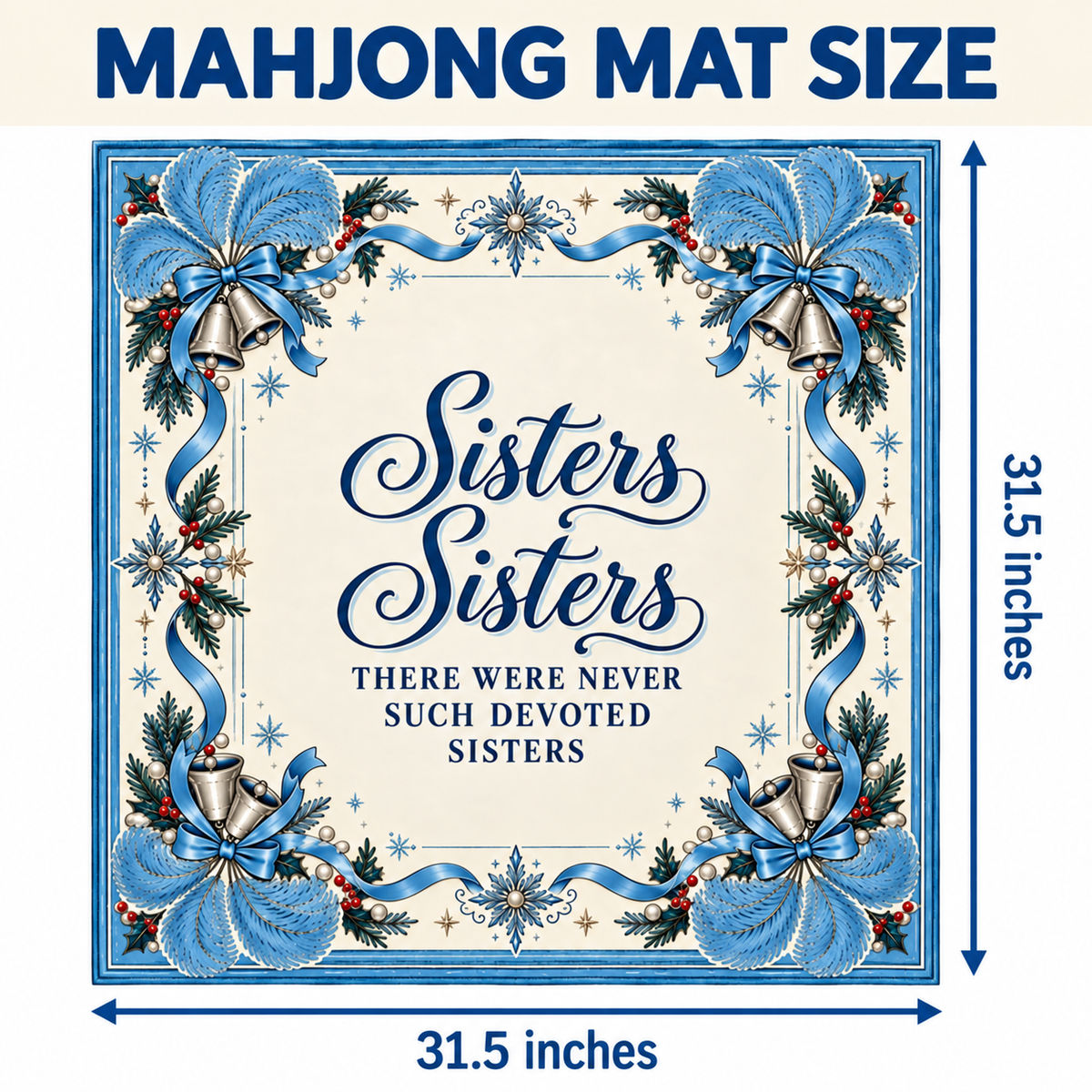
Mat size. East holds one edge of the mat and needs clear separation from South's rack. A mat that's too small collapses into chaos; one sized for four players gives you real spatial feedback.
Racks and pushers. East benefits from smooth pushers because you'll be testing different pace rhythms—slow pushes to signal caution, quick ones to signal aggression. Rough pushers ruin the effect.
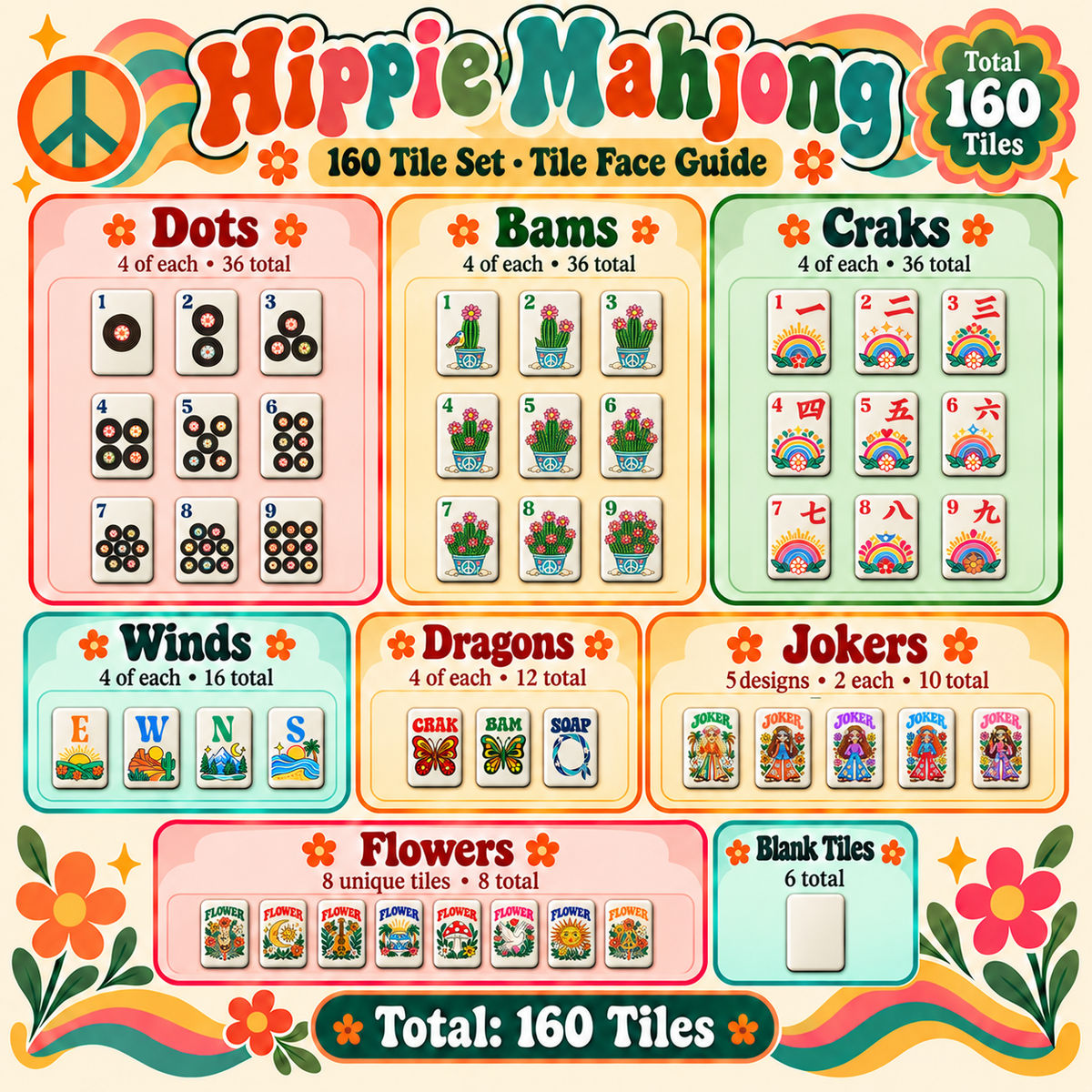
Joker and blank count. Standard American play uses eight jokers. Verify your set includes spares so you're never scrambling mid-hand to replace a lost joker.
🎁 See our most-loved mahjong sets & accessories →
Our best-selling collection includes sets with crisp tile printing and weighted acrylic that hold up through hundreds of weekly games. Many include racks with pushers designed for smooth, deliberate play—the hallmark of East position mastery.
Building a weekly game to practice East strategy
Host a regular game—weekly if possible—and rotate positions so you play East every four hands. Over eight weeks, you'll see how East strategy compounds. Track your wins from each seat in a simple spreadsheet (even three columns: Date, Seat, Win/Loss). You'll spot patterns: "I win 40% from East but only 15% from North." That gap is pure strategy, not luck, and it's where East players climb.
Teach your table the core principle: East isn't flashy; East is positional patience. Claim early when you have a plan. Defend silently when you're ahead. Read the Charleston. Watch discards. The player who masters these four habits wins from East most nights—and the rest of the table notices. Within two months, you'll feel the difference between playing East well and playing East casually. That's when you start winning tournaments.
✨ Find your Mahstead set — free US shipping →
FAQ
Can East call a tile that West just discarded if North also called it?
East's claim priority is absolute: if East calls, East takes the tile, and North's call is void. This is the main reason East position is powerful early—you can interrupt the discard flow whenever you choose.
How do you signal to opponents that you're NOT going after a suit?
Discard that suit repeatedly in your first four turns. If you throw a 3 Bam, then a 6 Bam, then a 9 Bam with no pung or kong exposed, the table learns you're not building Bams. They'll stop worrying about Bams and relax—this is a golden moment for you to pivot to your real suit.
Should East ever pass on a wall tile when calling?
Rarely. If the wall tile completes a winning hand, call it. If it's a single spare tile or fills a half-pung, usually pass—the discard flow offers better intelligence. Experienced Easts call walls only for concrete wins or emergency kongs.
What's the safest tile for East to discard first?
A tile from the suit most players passed to you in the Charleston. If three of your four neighbors gave you Dots, Dots are likely safe—nobody wants them. Discard that first, then read the reactions.
How many hands should you practice East strategy before playing for real stakes?
Eight to ten hands in a friendly game. By hand ten, you'll have seen 2–3 full cycles of positions and recognized patterns unique to your table. After that, play for whatever stakes your group uses—the habit will transfer.
Is East strategy different in two- or three-player American mahjong?
Yes—significantly. Two and three-player rules eliminate multiple seats, so the East advantage shifts. In three-player, East's claim priority remains, but there are fewer defensive opponents, so aggression is riskier. Study your variant's specific rules before assuming East dominance.


View More
View More
View More
