
5 Crak Mahjong Tile: Meaning, Use & Why It Matters
Last updated: Nov 20, 2026
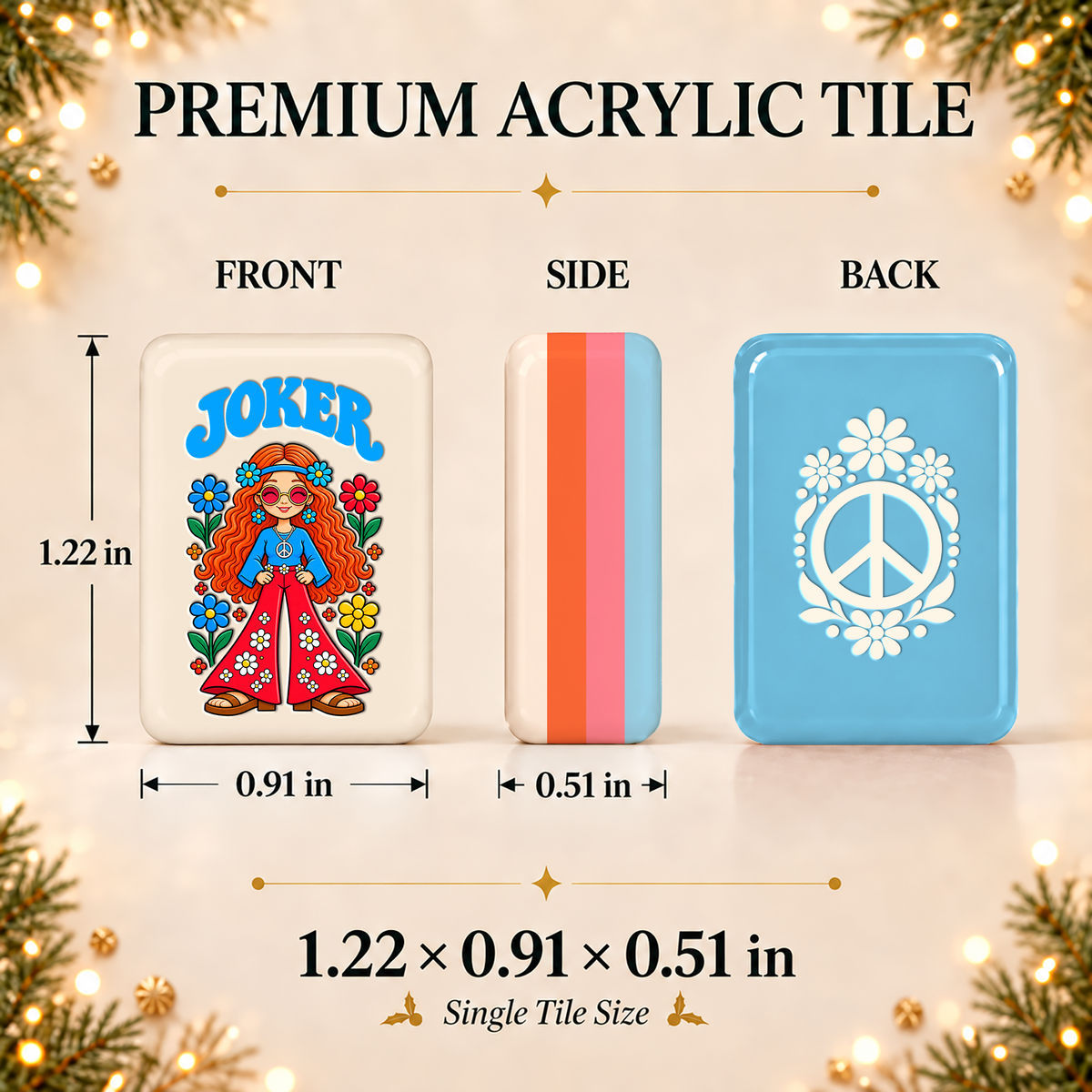
The 5 Crak is a single tile in the Crak suit (one of three number suits in American mahjong, alongside Bams and Dots), numbered 1–9, with four identical copies in every standard 152-tile set. On your tiles, you'll see the numeral "5" and a symbol representing the Crak suit—a stylized pattern unique to that suit. The 5 Crak appears in pungs (three identical tiles), kongs (four identical tiles), and longer melds called quints and sextets, all drawn from the current year's National Mah Jongg League card. It holds strategic weight because Red Dragon is paired with the Craks suit, meaning many hands that include Red Dragon also require multiple Crak tiles. Unlike Chinese or Riichi variants, American mahjong has no sequences (chows); every meld is identical tiles only. Beginners often confuse the Crak symbol with Bams or Dots, so learning to identify each suit visually on your set is the first step to confident play. A complete mahjong set contains 108 tiles across the three suits (36 each), plus winds, dragons, flowers, and jokers—152 playing tiles total.
Why does the 5 Crak pair with Red Dragon?
In American mahjong, each dragon (Red, Green, White) corresponds to one number suit by convention. Red Dragon is the traditional honor tile linked to the Craks suit. This pairing appears throughout the year's card: when a hand requires Red Dragon, you'll often need Craks too, and vice versa. Understanding this relationship helps you spot viable hands during play and plan your discards strategically. The pairing is historical rather than rule-based, so it never changes across seasons.
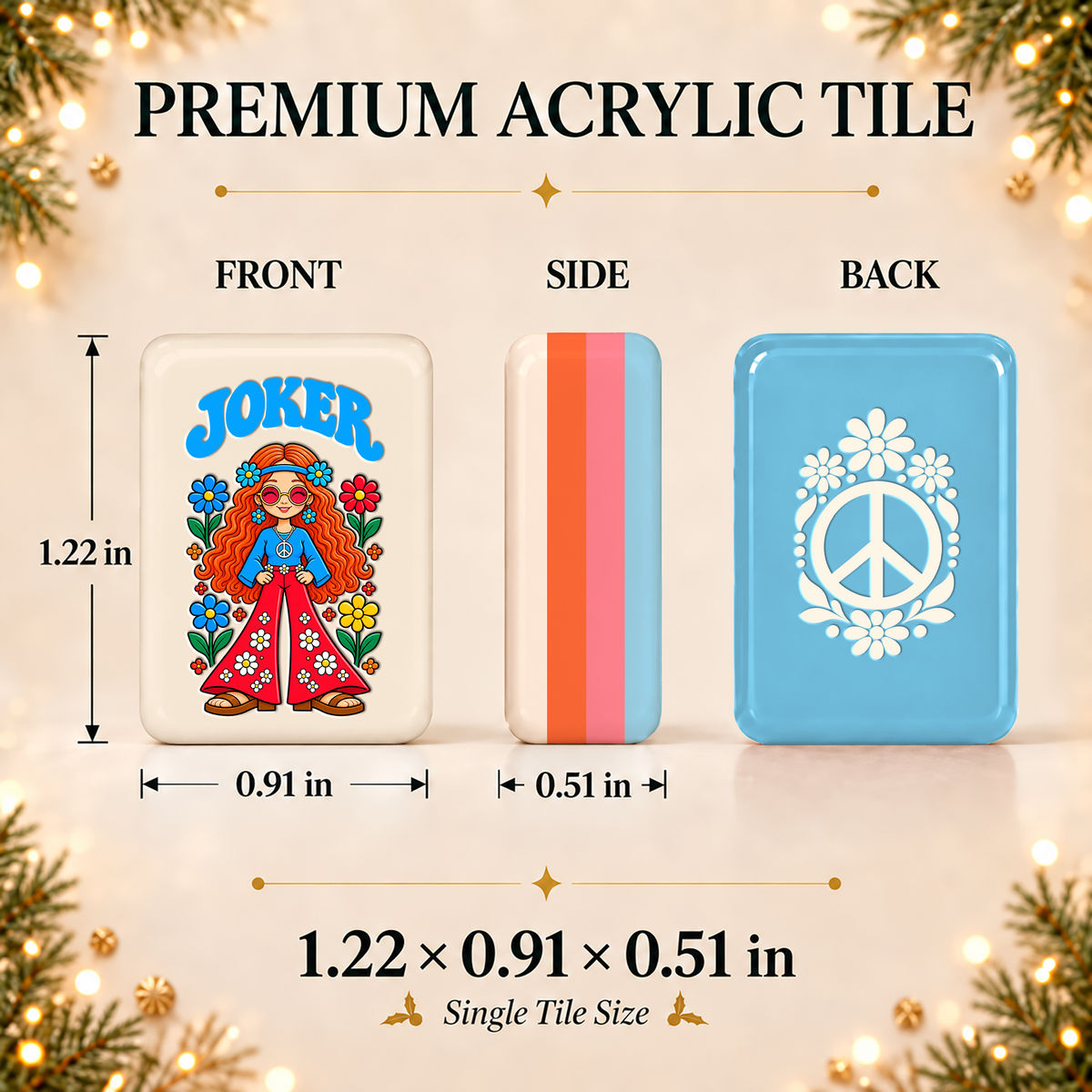
How do you identify the 5 Crak on an acrylic set?
Each suit has a distinctive visual symbol. Craks are marked with a stylized pattern (originally depicting a thousand-knot or geometric design) that differs clearly from the Bam symbol (a stick or rod, often with a bird on the 1 Bam) and the Dot symbol (a circle or pip). On engraved acrylic tiles, the suit symbol sits alongside the numeral "5," and the tile's color or engraving depth reinforces the suit identity. Hold a 5 Crak next to a 5 Bam and a 5 Dot to train your eye—accuracy prevents mismelds and keeps the game flowing. Many players keep a reference tile visible during their first season using a new set.
What hands commonly use the 5 Crak?
Because Red Dragon anchors many seasonal hands, any meld requiring Red Dragon often includes multiple Craks. For instance, hands combining Red Dragon with Like Numbers (three or more tiles of the same number across different suits) frequently feature 5 Craks in a pung or quint. Players also draw 5 Craks for hands built entirely within the Craks suit, such as a progression of Like Numbers or Consecutive Run patterns. The exact hands change annually with the National Mah Jongg League card; consulting the current year's card shows which patterns rely most heavily on mid-range Craks (4–6). Experienced players track which numbers appear in high-scoring hands and adjust their discarding priority accordingly.
Can you use jokers to substitute a 5 Crak?
Yes—jokers are wild tiles that substitute for any tile you need in any exposed meld (pung, kong, quint, sextset). However, jokers cannot be used in a single tile or pair, and they cannot replace a tile in a concealed hand (tiles you hold privately before declaring a win). If you're building a pung of 5 Craks on the table, you can use one, two, or three jokers plus however many actual 5 Craks you hold—the combination counts as a valid pung. Many beginners over-rely on jokers early in the game; experienced players conserve them for critical late-game melds. Learn how jokers work in full detail, including when to play and hold them.
How many 5 Craks should you expect in a game?
Every American mahjong set contains exactly four copies of the 5 Crak tile (one per standard set copy across 152 playing tiles). During a four-player game, all four copies stay in the wall or players' hands; you might draw one, two, or three depending on luck and your Charleston pass. If you retain all four copies—an extremely rare draw—you'd have a complete kong (four identical tiles) and nothing else, which cannot form a valid winning hand. Most games see the four 5 Craks distributed among two or three players. Understanding tile distribution helps you estimate whether a meld you're building is realistic or whether you're chasing a 5 Crak that's likely already in another player's hand or the wall.
🀄 Shop best-selling mahjong sets →
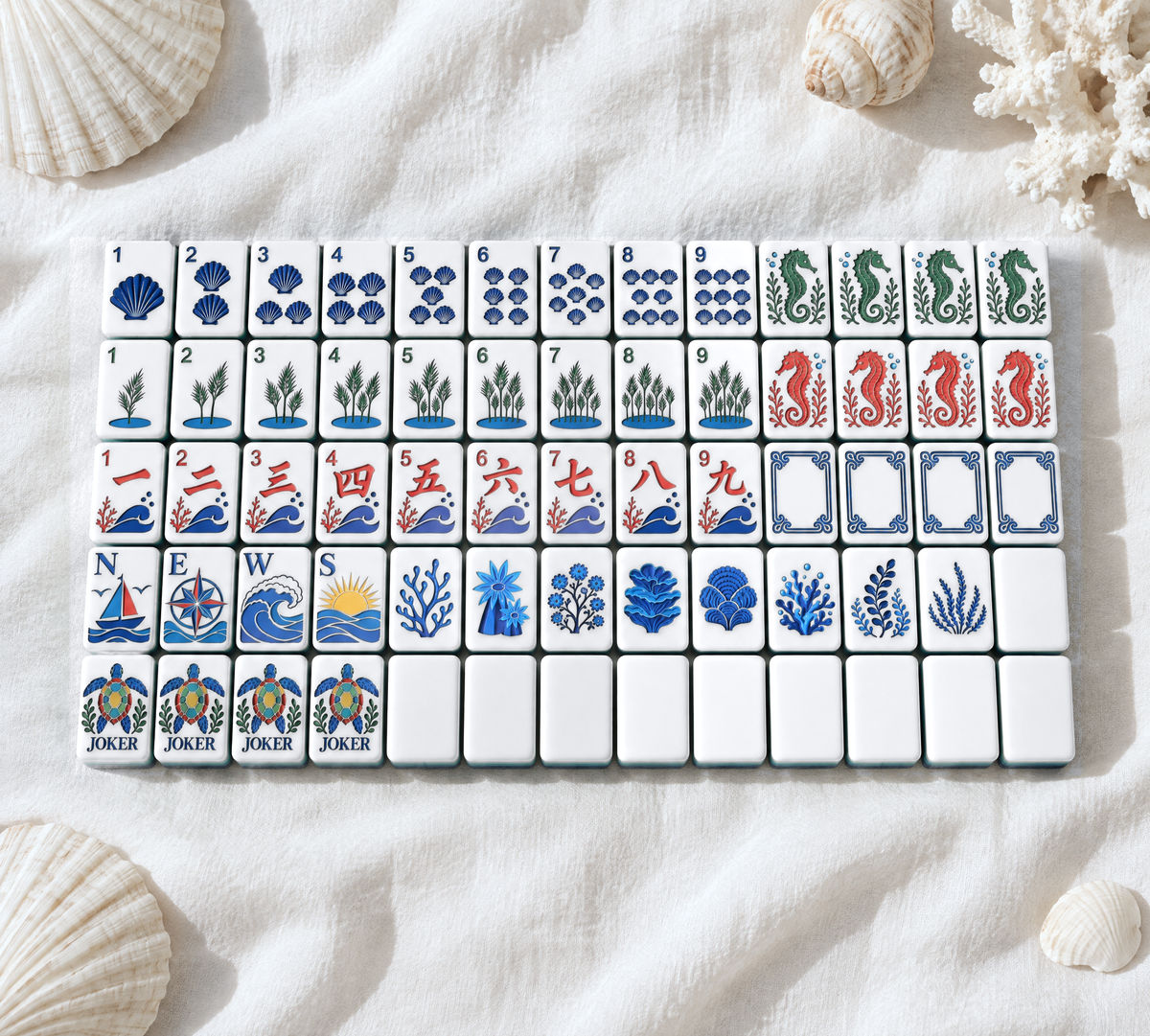
Quick Reference: Crak Suit Basics
Feature | Details |
Suit symbol | Stylized pattern (distinct from Bam & Dot) |
Count per set | 4 identical 5 Craks in every 152-tile set |
Paired dragon | Red Dragon (always links to Craks) |
Meld types | Pung, Kong, Quint, Sextet (never sequences) |
Joker rule | Jokers substitute; usable 1–3 per meld, never in a pair |
Annual cards | 5 Crak hands change each year—check current card |
Why learning tile symbols matters
New players often rush to count numbers and miss suit distinctions, leading to dead hands or embarrassing mismelds. Spending 10 minutes matching each suit symbol before your first game—or even during the Charleston ritual—pays dividends. If you're hosting weekly games, keeping a reference tile visible on the mat during the first few rounds normalizes checking and removes pressure from newer players. Players who master suit identification early advance faster because they can scan their hand for patterns (Like Numbers, Consecutive Runs, quints) without hesitation. Your set's tile quality and engraving depth affect how quickly you spot the 5 Crak in a crowded hand; crisp, legible tiles cut mistakes significantly.
What to check before you buy a new set
Engraving clarity: Ensure the 5 Crak numeral and suit symbol are sharp, not fuzzy or faded, especially if you're buying acrylic.
Tile size: Standard American sets use tiles approximately 1.25 inches wide; check that your hands comfortably grip and fan them.
Suit color or pattern: If choosing engraved tiles, confirm the Crak symbol is visually distinct from Bam and Dot symbols on your set.
Joker count: A 160-tile set includes spare tiles beyond the 152 used in play; ensure you have enough jokers for backup.
Set completeness: Count four copies of every number tile (1–9 in each suit); count four of each wind and three of each dragon before opening.
🎁 See our most-loved mahjong sets & accessories →
Comparing how 5 Craks differ from other variants
American Mahjong (what we play): 5 Crak is an identical tile; you need exact matches in pungs, kongs, etc. No sequences allowed. Red Dragon pairs with all Craks. Hands from annual National Mah Jongg League card only.
Chinese Mahjong: Sequences (chows) are allowed—you could meld 3-4-5 Craks or 4-5-6 Craks as a valid sequence. Dragon pairing is less rigid.
Riichi / Japanese Mahjong: Craks don't exist; instead, there are characters (manzu), circles (pinzu), and bamboo (souzu), plus terminal tiles. Completely different tile architecture and hand types.
Hong Kong Mahjong: Sequences and pungs both count; hand structure differs from American, and scoring is entirely different.
If you've played other variants and you're new to American, unlearn the sequence rule first—American mahjong is hardest for sequence-trained players to adjust to. Read the full American rules guide for clarity on what's unique to our version.
✨ Find your Mahstead set — free US shipping →
FAQ
What does the Crak symbol actually look like on a tile?
The Crak symbol is a stylized geometric or decorative pattern unique to the Crak suit, designed to look distinct from the Bam symbol (often a rod or stick with a bird) and the Dot symbol (a simple circle or pip). Engraved acrylic tiles show this clearly; learning the three suit patterns takes one practice game.
If I draw all four 5 Craks, can I win?
No. You'd have a complete kong but no other tiles, which cannot form a valid winning hand under American mahjong rules. A winning hand always consists of melds (pungs, kongs, quints, sextets) plus one pair, totaling 14 tiles. One meld alone is not enough.
Why is Red Dragon always paired with Craks?
This is a historical convention in American mahjong, not a mechanical rule. The pairing appears on every year's National Mah Jongg League card and never changes. It helps players organize hands visually and reduces confusion when reading patterns.
Can I use a joker as the fifth tile in a 5 Crak quint?
Yes. A quint is five identical tiles; you can build it with four actual 5 Craks and one joker. The joker substitutes and counts as valid. However, jokers cannot be used in concealed hands (your private tiles) or in a pair.
Do beginners struggle more with 5 Craks than other numbers?
No, but suit confusion affects all number tiles equally. Beginners struggle most with distinguishing Craks from Bams visually; once they master the three suit symbols, any number—including 5—becomes easy. Spend 10 minutes on tile identification before your first game.
How many 5 Craks can reasonably appear in a single hand?
At most, four (since every set contains exactly four). Realistically, you'll see zero to two in your hand per game; the other copies stay in the wall or other players' hands. Chasing a third or fourth 5 Crak mid-game is usually a losing strategy unless your hand requires it explicitly on the card.


View More
View More
View More
