
Acrylic Mahjong Set: Choosing the Right One for Your Game
Last updated: Nov 20, 2026
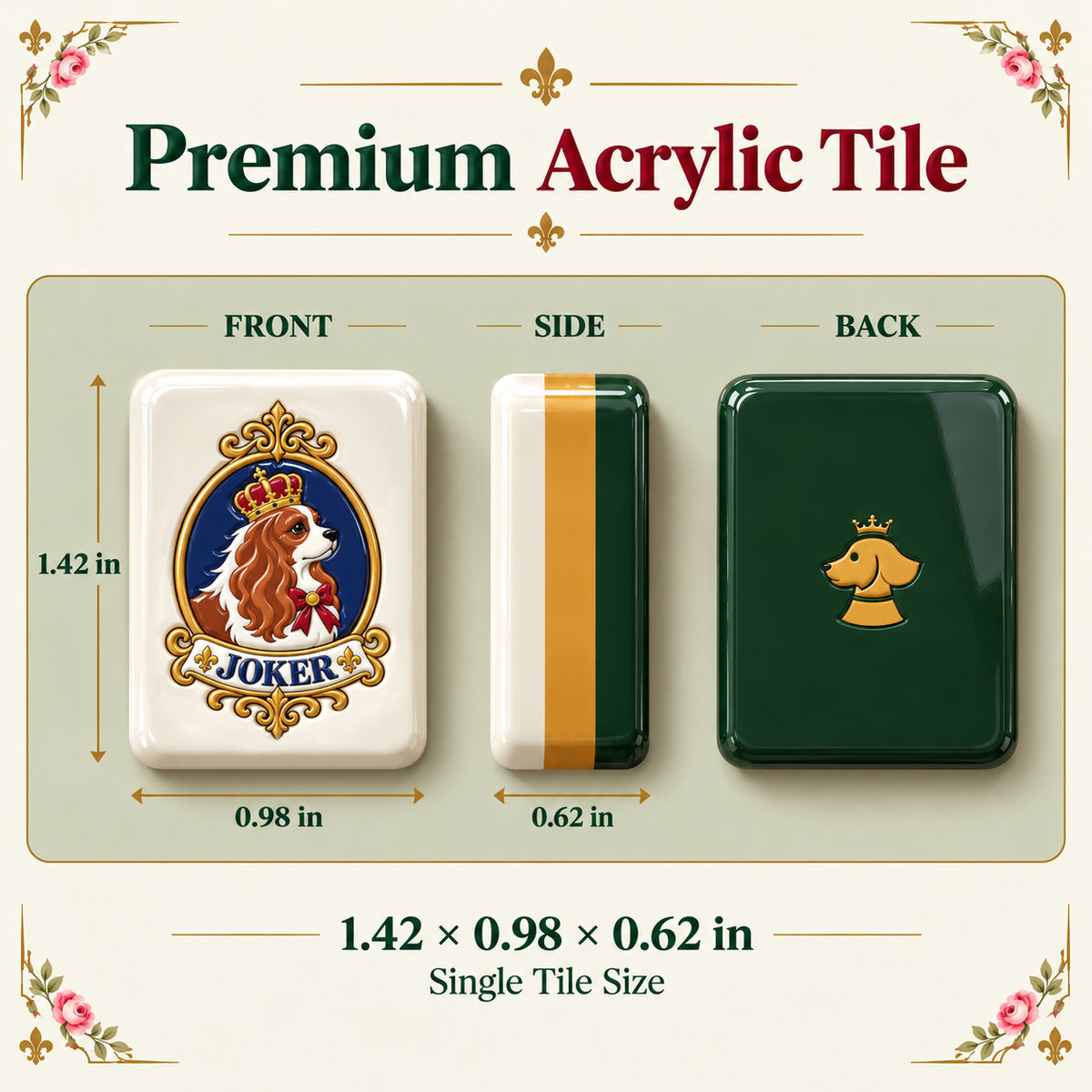
An acrylic mahjong set is a 160-tile collection where all 152 playing tiles plus spare tiles are cast from polished acrylic (acetal copolymer), offering superior scratch resistance and vivid tile faces compared to bone or bamboo. Acrylic tiles feel smooth, stack reliably on mahjong mats, and last decades with normal use. They cost more upfront than resin but less than imported bone sets. At Mahstead, we design and engrave American acrylic sets in Dallas, ship free across the US, and source from supplier networks to ensure consistent quality. Most acrylic sets weigh 3–4 pounds; fit in a standard travel bag; and come engraved with names, logos, or decorative motifs. Choose acrylic if you play weekly, want a set that won't yellow or chip easily, and value readability under varied lighting.
🀄 Shop best-selling mahjong sets →
Why Acrylic Beats Other Tile Materials for American Mahjong
Acrylic wins for weekly game hosts because tiles don't absorb moisture, resist cigarette smoke staining, and stay crisp after hundreds of shuffles. Bone tiles age beautifully but crack if dropped; resin yellows over time and becomes brittle in cold storage; plastic (PVC) can smell or warp in heat. Acrylic doesn't do any of that. The tile face—typically laminated with printed graphics or hand-painted details—remains legible for decades. We've seen players pull out their Mahstead acrylic sets after five years and find them looking new. The weight (3–4 pounds) feels substantial without straining your hands during the Charleston. Acrylic also accepts engraving better than resin: logos, names, and custom artwork embed cleanly into the tile surface rather than sitting on top where they peel. For a set you'll reach for every week, acrylic is the no-regret choice.
What's the Difference Between Engraved and Non-Engraved Acrylic Sets?
Engraved acrylic sets have your name, club logo, season, or custom design routed into the tile backs and case; non-engraved sets are solid-color acrylic with standard faces. Engraving costs more but transforms a set into a keepsake or club trophy. If you're buying for a weekly game group, engraving—say, your group's initials or the year—cements the tradition and makes the set instantly recognizable at tournaments or among friends. Non-engraved sets work fine if you want the durability and clarity of acrylic without personalization. The best-selling collection includes both styles. Engraved sets arrive with the custom routing fully finished; non-engraved sets come ready to play the same day. Most engraved orders take 2–3 weeks; we'll confirm timelines when you order. For gifts or club acquisitions, engraving adds permanence. For quick refreshes to a worn set, non-engraved acrylic is faster and equally durable.
🎁 See our most-loved mahjong sets & accessories →
How Do Acrylic Tile Faces Work? Printed vs. Hand-Painted
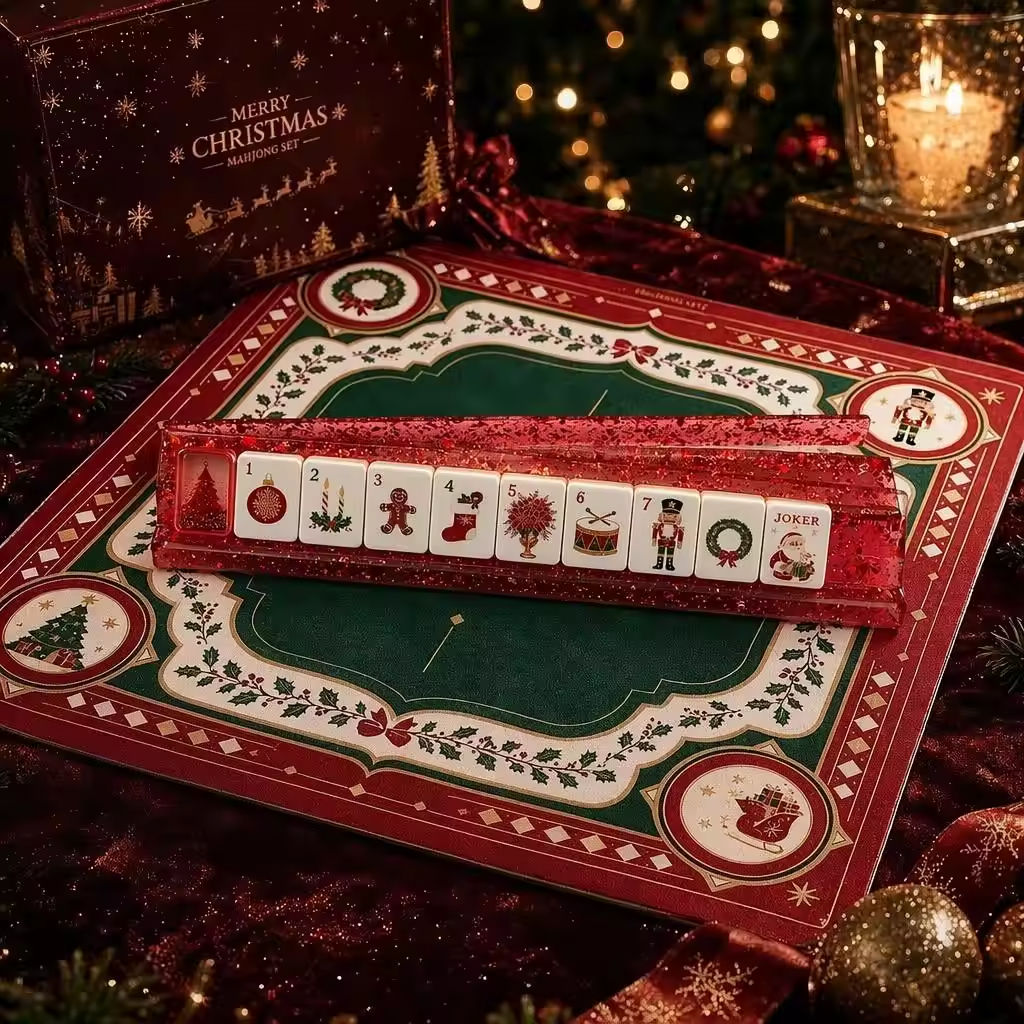
Acrylic tiles come in two face styles: printed (photopolymer or thermographic decal adhered to the tile) and hand-painted (artisan-painted details on acrylic or bone-colored acrylic blanks). Printed faces are more uniform, cost less, and are easier to read from across a wide table—ideal for large groups or older players with vision challenges. Hand-painted faces are unique; each tile shows slight variation in color depth and brushwork, adding charm to a premium set. Hand-painted tiles also hide wear better because the patina is part of the design. Printed faces can show fingerprints and light scratches more visibly on glossy acrylic. Neither fails faster; the difference is aesthetic and how you want the set to age. For a club set used by many hands, printed acrylic is clearer and more practical. For a personal or heirloom set, hand-painted acrylic rewards you every time you draw a tile. We offer both in our engraved collections; see the product page to compare face styles.
Acrylic Set Size, Weight & Portability Checklist
Feature | Typical Acrylic Set | Why It Matters |
Tile count | 152 playing + spares (160 total) | Fills all hands in a four-player game |
Total weight | 3–4 pounds | Easy to carry; won't strain wrists during shuffle |
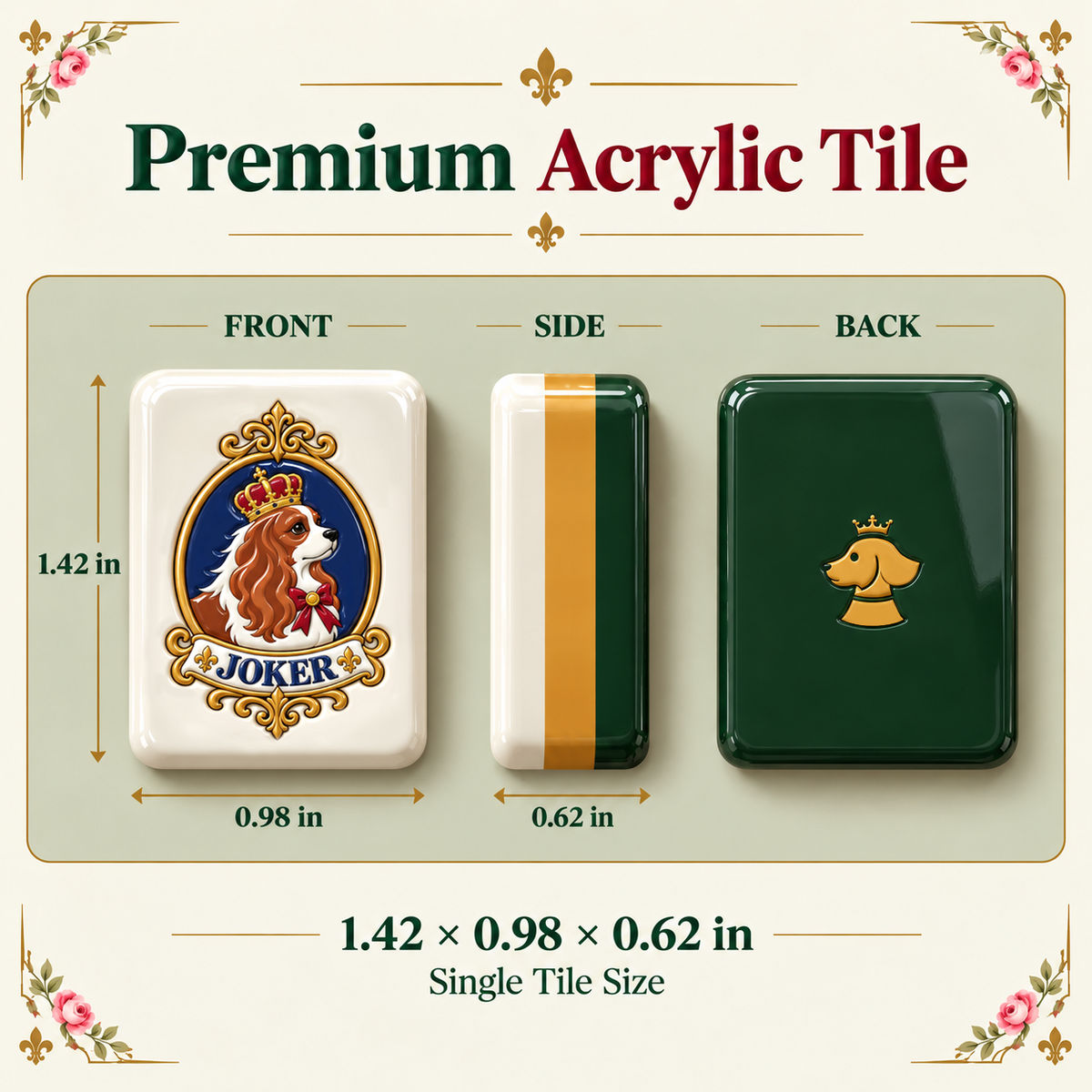
Tile dimensions | ½" × ¾" (standard) | Fits any mat or table; works with standard racks |
Case dimensions | ~12" × 6" × 4" | Fits under airline seat; no checked baggage needed |
Fit in travel bag | Yes, with room for mat & racks | Pair with a compartmentalized bag or case |
Before buying, confirm your storage setup. If you host at a club or home table, a full acrylic set plus racks with pushers and a mat becomes your complete station—invest in a wheeled case for easy transport between venues. If you play at rotating tables, a compact travel set plus a soft case keeps things portable. Acrylic's 3–4 pound weight is negligible; you're limited by case size and mat bulk, not tiles. Measure your closet shelf or storage bin before ordering to avoid surprises.
Common Mistakes When Buying an Acrylic Set (and How to Avoid Them)
Mistake 1: Assuming all acrylic is the same density. Cheaper acrylic can be more porous, absorbing humidity and dust. Mahstead acrylic is cast to a tighter tolerance, reducing porosity. Before checkout, ask if the acrylic is UV-stabilized and hand-finished for smoothness.
Mistake 2: Not checking tile size compatibility. Oversized tiles (9/16" or larger) don't fit standard mats or racks. Our tiles are ½" × ¾", meeting NMJL specs. If you already own a mat or rack, verify the new set's dimensions match.
Mistake 3: Ordering without confirming engraving proofs. Engraved sets are custom-made. We'll send a proof; review it closely before we route it. A typo or logo error can't be undone. Always sign off on proofs in writing.
Mistake 4: Ignoring joker and blank spares. A 160-tile set includes spares; never add extra jokers or blanks to play. Always use exactly 152 tiles in the game. Excess tiles are emergency backups only.
Mistake 5: Storing acrylic in extreme heat or sunlight. UV exposure can fade printed faces over time; acrylic itself is stable. Keep sets in a cool, dry, dark closet. If you display a set, use a cabinet with UV-protective glass.
✨ Find your Mahstead set — free US shipping →
What to Check Before You Buy
Tile clarity: Are the Bams, Craks, and Dots legible at arm's length and across a table? Request a sample or photo if unsure.
Tile smoothness: Acrylic should feel smooth, not sticky or rough. If a seller mentions gritty feel, pass.
Case condition: Cases protect tiles during shipping; inspect arrival photos or ask the seller to describe the case lining.
Engraving quality: If engraved, inspect the routing depth (should be at least 1/16") and edge finish. Rough edges indicate hand-finishing wasn't completed.
Weight balance: Tiles should stack without tilting; uneven weight means casting defects. When you open the set, test a pung by stacking three tiles—they should sit level.
Return policy: Confirm you can return or exchange if tiles arrive chipped, discolored, or if engraving has errors. Mahstead accepts returns within 30 days if tiles are unused.
Warranty or durability promise: Ask if the seller guarantees against cracking, yellowing, or delamination (face peeling) for a set period. Honest acrylic sellers will back their product.
For your first acrylic set, start with a non-engraved design from our best-selling collection to test the feel and quality; then upgrade to an engraved set if you want to make the investment permanent. Most players find one acrylic set lasts 5–10 years of weekly use, so it's a worthwhile purchase once.
FAQ
Can I use my acrylic set with a wooden mahjong table?
Yes. Acrylic tiles slide smoothly on wood, bamboo, or felt surfaces. A mat protects the table and reduces tile noise; it's optional but recommended for rental or shared spaces.
Do acrylic tiles feel different than bone or bamboo during play?
Acrylic is slightly cooler and smoother; bone feels warmer and has a subtle texture. Most players adjust within one game. Acrylic's consistency is actually an advantage—every tile feels identical, removing variables. Try both if you can, but don't let material fear stop you from playing.
How do I clean acrylic tiles without damaging them?
Use a soft, dry cloth or microfiber cloth weekly. For sticky buildup, wipe with a barely damp cloth and dry immediately. Never use abrasive sponges, alcohol, or bleach. Avoid prolonged soaking; acrylic can absorb water in seams. Store tiles in a dry case.
Can I engrave an existing acrylic set, or does it have to be new?
Engraving existing sets is possible but risky—the routing tool can crack weakened or aged acrylic. New sets are safer. For a cherished old set, contact Mahstead first; we'll advise based on condition.
What's the difference between a 160-tile set and a 152-tile set?
American mahjong uses exactly 152 tiles in play. A 160-tile set includes 152 playing tiles plus spare jokers and blanks for replacements. We sell 160-tile sets; the spares never enter the game, only replace damaged tiles.
Are acrylic sets safe for kids?
Acrylic tiles are non-toxic and durable enough for supervised family play. Tiles are small choking hazards for very young children (under 5); keep sets away from toddlers. For teaching older kids (8+), acrylic is a safe, long-lasting choice.
Do I need to store my acrylic set in a special way?
Store in a cool, dry place away from direct sunlight and heat sources. A closet shelf or cabinet is ideal. Avoid damp basements or hot attics. Cases protect against dust; keep the lid closed. No special humidity control is needed for acrylic (unlike bone or bamboo).


View More
View More
View More
