
Year Hands in Mahjong: Examples from the 2026 Card
Last updated: Nov 23, 2026
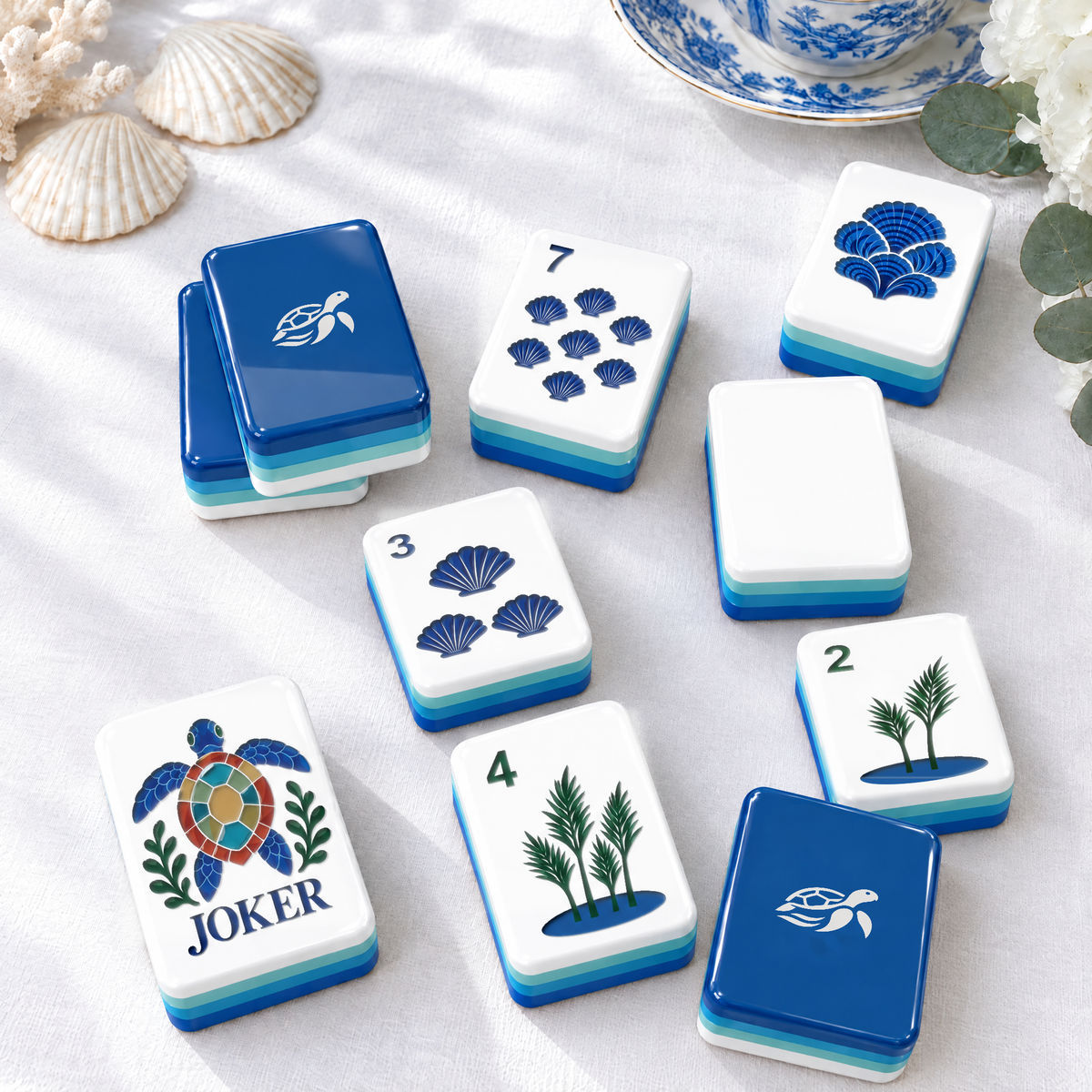
Year hands are specific tile patterns printed on the current National Mah Jongg League card (issued every spring) that incorporate the year's digits as part of their structure. In 2026, year hands use tiles numbered 2, 0, 2, and 6—though 0 is represented by the White Dragon ("Soap"), the only tile that doubles as zero. These hands appear alongside standard patterns and vary by section; they're worth learning because spotting them fast saves you from discarding a winning tile by accident. American mahjong uses 152 tiles (four copies each of Bams, Craks, and Dots numbered 1–9; winds; dragons; flowers; and jokers), and the card guides which combinations win—year hands are simply one category among dozens. You don't have to play them, but knowing them prevents costly mistakes and speeds up your game night. 🀄 Shop best-selling mahjong sets →
Why Do Year Hands Even Matter?
Year hands aren't mandatory—you win plenty of games ignoring them—but they're printed on the card because they're mathematically easier to spot than abstract patterns once you know the year. When you're holding a 2 Crak, a White Dragon (0), another 2, and a 6, your brain flags "these spell the year." That instant recognition keeps you alert to winning opportunities you might otherwise miss while scanning for complex pung sequences or quint patterns. The real value isn't flashiness; it's table discipline. Many newer players focus on one or two hand types and miss year hands by habit, losing points when someone else melds them instead. Learning to read the mahjong card teaches you how all patterns—including year hands—fit into the overall structure, so you can build mental speed at the wall.

How Are Year Hands Structured on the 2026 Card?
Year hands occupy specific rows or sections on the card, grouped by hand type (pungs, quints, sextets, or combinations). The 2026 card displays them in a dedicated area so players can cross-reference quickly during play. Each year hand follows the same rule as any other American mahjong hand: you must form it using either exposed melds (pungs of three identical tiles, kongs of four, quints of five, or sextets of six) or a hidden hand held in your rack, plus jokers where permitted. Unlike Chow-based variants (Chinese, Hong Kong, Riichi), American mahjong has no sequences; every visible meld must be identical tiles. Year hands in 2026 might require, for example, two Bams + two Craks + two Dots in a specific numeric order, combined with flowers or winds, arranged to spell or mirror "2026" through their tile faces. The card layout prevents guessing—you always have the reference right in front of you, so practice using it rather than memorizing by rote.
What Do Real 2026 Year Hand Examples Look Like?
We can't reproduce hands directly from the copyrighted League card, but we can describe the structure. A typical 2026 year hand might ask for: a pung of 2 Bams (three identical tiles), a pung of 2 Craks (three more identical tiles), a pair of White Dragons (the "0"), and a pair of 6 Dots, with or without jokers substituting as wildcards. Another might use flowers (which number 1–8) in place of some numerals, since flowers are often woven into year-themed hands. Winds (North, East, South, West) sometimes substitute too. The key difference from standard hands: year hands usually group identical numbers across suits (all the 2s, all the 6s) rather than asking for pungs from a single suit only. This makes them visually distinctive once you know what to look for. How jokers work in American mahjong is critical here—jokers can substitute within a pung or kong but never stand alone or form a pair, so spotting where jokers are allowed in a year hand prevents illegal claims.
🎁 See our most-loved mahjong sets & accessories →
Why Year Hands Are Easier to Spot Than You Think
The moment you know the year—2026—your eye naturally starts tracking 2s and 6s at the table. This is cognitive advantage baked into the game. Unlike a random five-tile pung or an obscure dragon-wind combo, year hands align with a number you already carry in your head. Players who win consistently often use this mental shortcut: the second they draw a 2, they unconsciously scan for other 2s and ask, "Is this a year hand start?" That habit costs nothing and catches winning patterns you'd otherwise miss. The challenge isn't understanding; it's remembering the card reference exists. Many casual players play purely from muscle memory after a few rounds, forgetting to glance at the card mid-hand. Year hands punish that laziness because they look "too simple" until suddenly someone calls one and wins. Keeping the card face-up in the center of the table (or on a mat if you have one) removes friction—no fumbling, no arguments about whether a hand is valid.

Comparing Year Hands to Other Quick-Win Patterns
Pattern Type | Tiles Involved | Difficulty | Why Year Hands Win | Frequency |
Year hand (2026) | 2, 0, 2, 6 in multi-suit or wind combos | Low | Spelled-out year; matches calendar awareness | Most tables play them once per game |
Pure suit pung | Three Bams 1–9 + one Craks 1–9, etc. | Medium | Suit isolation; no year meaning | Multiple per game |
Dragon-flower combo | Red, Green, White + Flowers 1–4 | Medium | Thematic but arbitrary | Few per game |
Quint-sextet blend | Five of one tile + six of another | High | Rare tile concentration | Uncommon wins |
Year hands occupy the "sweet spot" for competitive players: easy enough to spot reliably, but not so trivial that everyone ignores them. The table advantage belongs to players who treat them as a separate mental category, not as an afterthought.
How to Avoid Missing a Year Hand You Could Have Won
Here's a step-by-step checklist for year hand vigilance:
Keep the card visible. Place it flat in the center or on a mahjong mat with card slots—never tucked away where you must reach to consult it.
Scan for the year digits the moment you draw. Before sorting tiles in your rack, glance at whether you hold any 2s, 0s (White Dragons), or 6s.
Cross-reference the card's year section. The moment you spot a possible year combination, touch the card and trace the exact hand pattern to confirm joker rules and suit requirements.
Never discard year tiles early. If a 2 Crak or White Dragon comes to you in the first two draws, hold it until you're certain no year hand is forming.
Track what others are collecting. If the player across from you is holding a string of 2s and 6s, assume they're chasing a year hand—adjust your discards to block them.
Call immediately if you win. Hesitation signals weakness; confident, quick calls often earn respect and prevent challenges.
The costliest mistake: discarding a year-hand tile because you weren't thinking in year-hand mode. One lost hand costs real money (in friendly games) or significant points (in tournaments). Discipline beats cleverness.
✨ Find your Mahstead set — free US shipping →
What to Check Before You Buy Your Next Set
If you're hosting year-hand games regularly or starting a new group, ensure your set includes clear, readable numbers and dragon faces. Our best-selling collection includes sets with crisp engraving that makes spotting 2s, 6s, and the White Dragon (0) instantaneous under any lighting—critical when year hands are at stake. Verify the set includes all eight jokers (American mahjong requires exactly 8 for play) and that your rack or mat has enough space to organize tiles by number, making year-hand grouping obvious at a glance. Poor tile clarity or a cramped play surface slows down your year-hand recognition by seconds, and seconds cost games.

FAQ
Can I use jokers in a year hand to replace a 2 or 6?
Yes, jokers can substitute within an exposed pung, kong, quint, or sextet in a year hand, following the same rules as any other hand on the card. However, jokers cannot form a pair or stand alone as a single tile.
Are year hands worth more points than other hands?
Year hands are worth the exact points printed on the card for that specific hand, no bonus. The card lists their point value; it varies by hand structure, not by the fact that they involve the year.
If I'm playing a variant like Chinese or Riichi mahjong, do year hands exist?
Year hands are specific to American mahjong and the National Mah Jongg League card system. Chinese, Hong Kong, Riichi, and Taiwanese variants have entirely different rule sets and winning hand structures; they don't use the League card or year hands.
What if someone claims a year hand but misreads the card—do I have to let them win?
No. In American mahjong, the card is law. If the claimed hand doesn't match the card exactly, it's invalid. Always verify before accepting a win; arguing after the fact wastes time and creates tension.
Do all year hands require White Dragons (0), or can year hands avoid them?
Not all year hands require White Dragons. Some substitute flowers, winds, or other tiles for the 0. Always check the card for that specific hand's exact requirements—never assume.
How often should I look at the card during a hand?
Look at the card every draw if you're chasing a year hand, or at least once during the first five draws. After that, if no year hand is forming, shift focus to other hand types. There's no penalty for consulting the card; speed and accuracy matter far more than cool detachment.


View More
View More
View More
