
Why Card Players Love Mahjong: The Bridge Game That Rewires Your Brain
Last updated: Nov 23, 2026
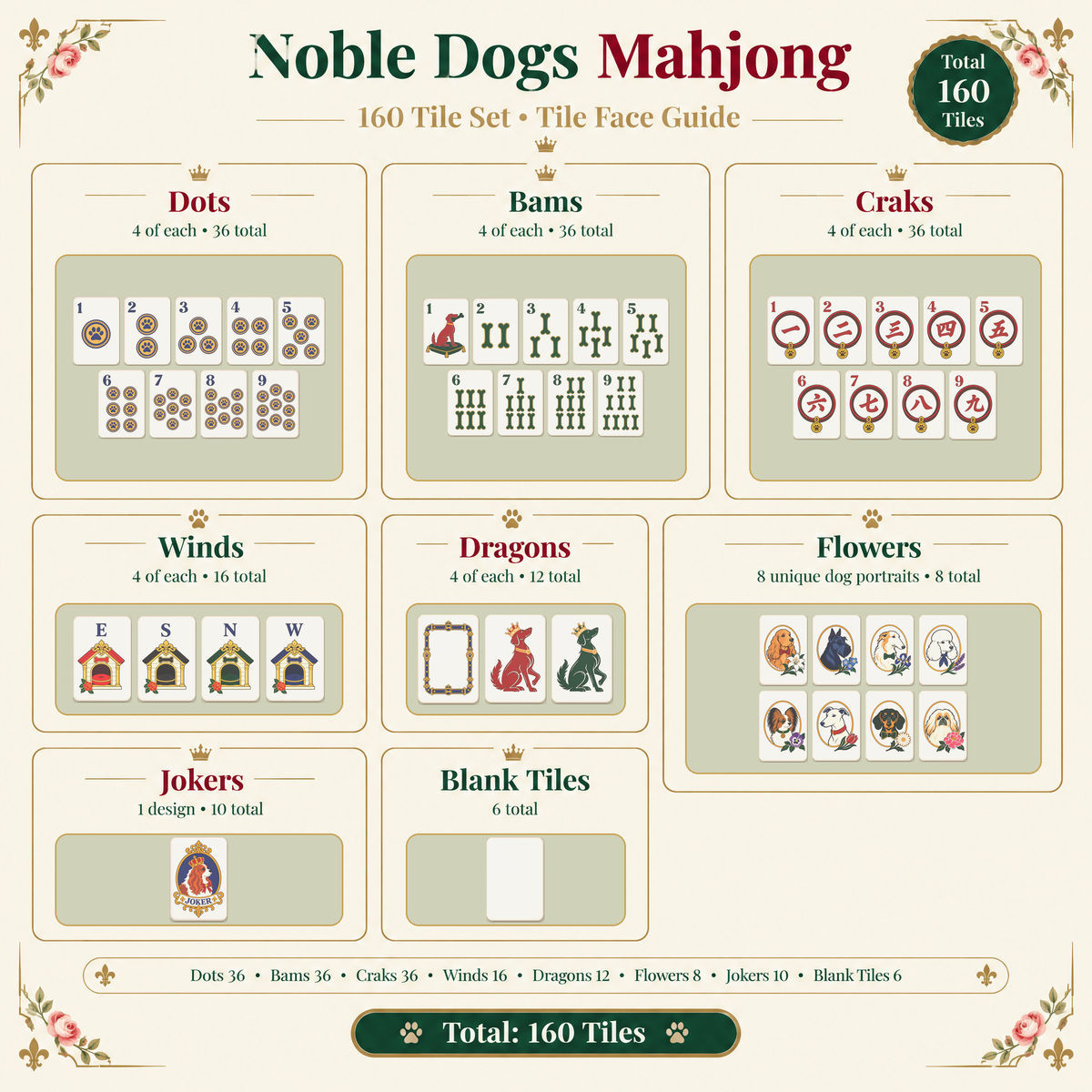
Card players love mahjong because it combines the strategic depth of bridge, the recognition speed of rummy, and the collaborative social structure they already cherish—but with a rotating reference card that forces constant learning and keeps every hand fresh. The game requires reading three opponents simultaneously, counting tiles mathematically, and adapting your hand mid-turn using jokers as wild cards (unlike bridge's fixed deck). American mahjong uses 152 tiles across three suits, winds, dragons, and flowers; each player draws 13 tiles and builds toward one of thousands of eligible hands listed on the annual card, creating puzzle-solving satisfaction that bridge's 13-card limit cannot match. Most card players adapt within five games. Mahstead's best-selling mahjong sets are designed by players for players, with clear tile markings and durable acrylic that handles the rapid discard-and-draw rhythm cardmasters expect. The learning curve is real but steep only in the first hour; after that, muscle memory and card familiarity kick in fast. 🀄 Shop best-selling mahjong sets →
How is mahjong's strategy different from bridge?
Bridge is bidding-forward: you announce your hand strength before seeing all cards, then execute that contract. Mahjong is puzzle-backward: you see 13 random tiles and hunt through the year's card to find legal hands you can actually build. In bridge, suits are fixed; in mahjong, a tile's value changes based on hand context (the 1 Bam with its bird symbol works differently in a sequence hand versus a pung hand). Bridge rewards memorizing past hands; mahjong rewards real-time pattern recognition. Most bridge players adapt within three sessions because they already think in groups (pairs, triples, sequences).

Why do rummy players switch faster than bridge players?
Rummy players instantly recognize mahjong's bone structure: grouping identical or consecutive items into melds. But here's where mahjong flips the script—in American mahjong, you cannot call or expose sequences (chows); you can only expose pungs (three identical), kongs (four identical), quints, and sextets. This forces rummy veterans to rebuild their instincts. They no longer hunt for 5-6-7; instead, they hunt for three 5 Dots. The payoff: faster turns, less table downtime, and jokers that function like rummy's wildcards—except you cannot use a joker alone or in a pair. Rummy players typically need one session to rewire, then they play faster than the bridge crowd.
What makes the annual mahjong card such a powerful draw?
The card is the game's secret weapon. Unlike bridge's universally fixed hand-ranking system, the mahjong card changes every spring, published by the National Mah Jongg League. It lists every legal hand for the year—typically 300+ combinations across sections: Like Numbers, Like Suits, Consecutive, Pairs, mixed patterns. Card players who loved the detective work of "can we make this contract?" now get "is this hand on the card?" It's a fresher puzzle every year. Veterans spend the off-season studying the new card, then the season starts with a collective "oh, they changed the Pair + Consecutive section"—instant novelty within a familiar frame. No other card game refreshes its rule set annually for casual play.
Game | Rule Refresh | Tile/Card Count | Turn Speed | Cognitive Load |
Bridge | Fixed (decades) | 52 cards, 13 per hand | Slow (bidding, discussion) | High (memory + calculation) |
Rummy | Fixed (decades) | 52 cards, 10–13 per hand | Medium (sequence hunting) | Medium (linear patterns) |
Mahjong | Annual | 152 tiles, 13 per hand | Fast (parallel checking) | High (2D grid, 4 players) |
The card refresh is why former rummy and bridge players stay: the game evolves without changing its core, so your skills compound but the mental load never plateaus.
Do card players' existing skills transfer?
Absolutely—and faster than you'd expect. Here's what transfers and what doesn't:
Transfers immediately:
Hand evaluation (ranking tile groups by strength)
Discard psychology (what your opponents need)
Counting opponents' likely holdings (basic probability)
Turn discipline (deciding fast without regret)
Needs one-session reboot:
Pattern recognition (groups of three, not sequences, in American mahjong)
Joker strategy (wild cards have constraints: no solo, no pair)
The "Charleston" ritual (passing tiles before the game starts—unique to American mahjong)
Reading the card (three suits × symbols require new visual parsing)
Bridge players often struggle with the non-hierarchical suit system (Bams, Craks, Dots are equal; in bridge, spades outrank clubs). Rummy players often forget that in American mahjong, jokers cannot fill a pair position—this costs most rummy converts one or two misplays. After that, they integrate.
What's the real reason card players commit to mahjong?
The answer is social and cognitive at once. Bridge and rummy are turn-based games where you wait. Mahjong is simultaneous: all four players are always engaged. While one player draws, the other three are already reading the discard, updating their hand math, and preparing their reaction. The table never goes quiet. Card players report higher engagement and less boredom.
Psychologically, mahjong delivers the "learning loop" that sustained bridge and rummy addiction: each game is new (different starting tiles, different hand possibilities), yet the rules are consistent (same 152 tiles, same annual card). Your first mahjong game is confusing; your tenth feels automatic; your hundredth teaches you the card's edge cases; your thousandth lets you sense other players' hands by their discard patterns. That infinite depth—combined with a fresh card every spring—is what card players crave. Bridge veterans describe mahjong as "a puzzle that never gets old."
🎁 See our most-loved mahjong sets & accessories →
What gear do card players actually need to switch?
Card players who host weekly games know that table setup matters. You'll need:
The set itself: Acrylic tiles (clearer than bamboo, faster discard sound, easier shuffling than wood). Our best-selling acrylic sets are designed with push-friction tiles so they don't scatter during the shuffle—a real pain point for fast-paced players.
A mat: Not optional if you're hosting. A quality mahjong mat protects tiles, defines play zones, and silences discards so the table isn't loud. Card players used to a quiet bridge room often comment on the clatter of a bare tile game; a mat solves that in one purchase.
Racks and pushers:Racks with pushers are essential if you have arthritis or prefer a cleaner hand display (card players often do). They organize tiles for faster play and prevent the "hand-spreading" fumbles common in the first few sessions.
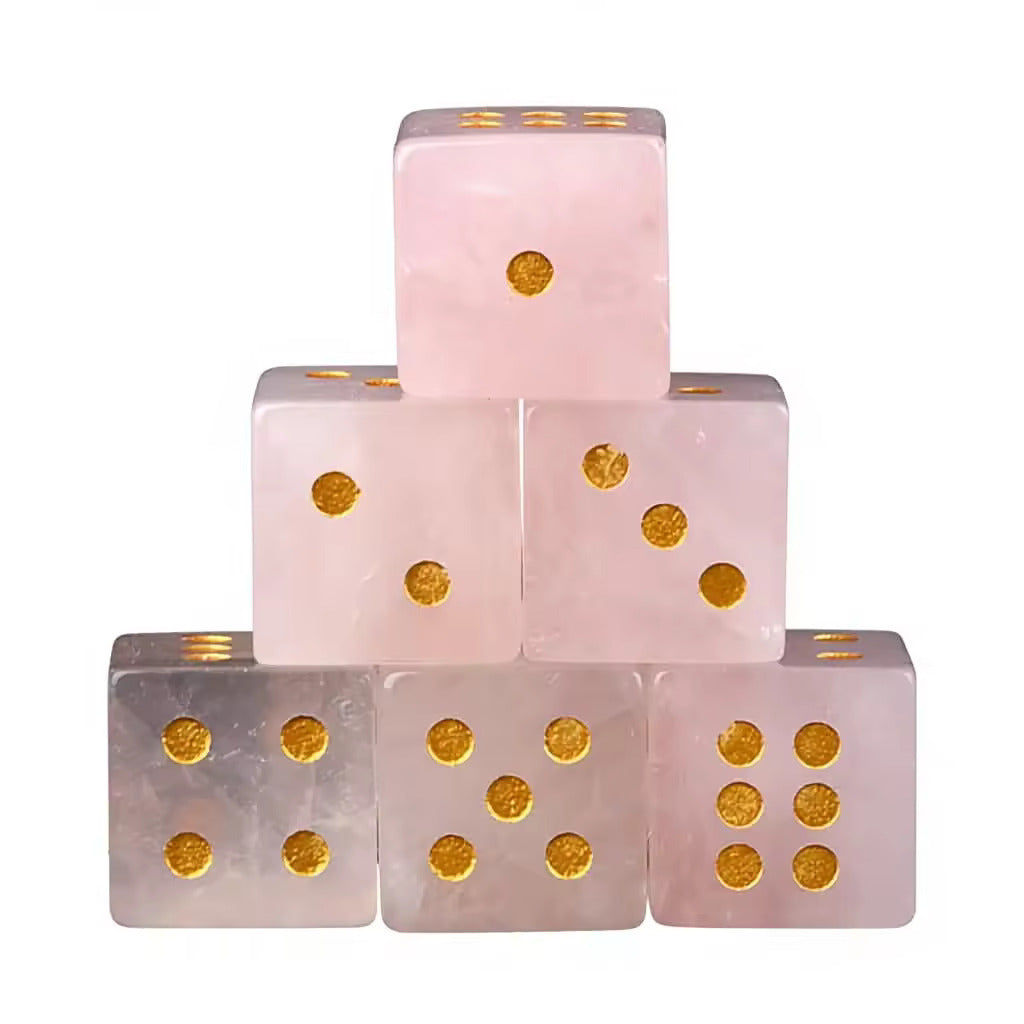
Dice: Standard or personalized. Card players like a quality feel; engraved sets often include quality dice that make the seating ritual (determined by dice roll) feel deliberate rather than random.
A travel bag or case: If you're rotating hosts, a padded case prevents tile loss and spills. Card players often transport a bridge deck in a small leather wallet; mahjong sets need real protection.
Most card players underestimate the mat and racks. Invest there first; they speed play by 20% and reduce hand-fatigue complaints that can derail a regular group.
What to check before you buy
Tile clarity: Hold the set under light. Can you distinguish 1 Bam from 1 Crak at arm's length? Card players have good eyesight and expect readability equal to playing cards.
Set size: Verify it includes 160 tiles (152 playing tiles plus spares). Never buy fewer than 152; you cannot play without them.
Joker count: A 160-tile set includes extra jokers as spares. Confirm the set you choose includes these; jokers are game-critical in American mahjong.
Rack fit: If ordering racks separately, measure your tile height. Most modern racks fit standard acrylic tiles, but older bamboo racks may not.
Mat material: Felt or PVC? Card players often prefer felt for a softer discard sound; PVC is easier to clean. Test at a friend's table if possible.
✨ Find your Mahstead set — free US shipping →

FAQ
I play bridge weekly. How long until I can host a mahjong game instead?
Most bridge players lead a mahjong game competently after 5–7 plays. Scoring and the annual card take longer to master, but playing a hand correctly is fast. Host with the year's card and a house rule that anyone can ask "is this hand on the card?" for the first 30 minutes.
Do I need to buy a full acrylic set, or can I use my friend's bamboo set to learn?
Bamboo works; acrylic is better. Bamboo tiles are heavier, slower to shuffle, and often harder to read if they're vintage. If you're serious (group meets weekly), invest in acrylic. The difference in play speed and hand comfort justifies it within 10 games.
Is there a mahjong variant that uses card-like ranking (suit hierarchy)?
No. In American mahjong—the most common variant for new Western players—Bams, Craks, and Dots are equal. Other variants (Chinese, Hong Kong, Riichi) exist, but they use 144 tiles and very different rules. Stick with American if you're joining a U.S. group; the annual card system makes it the easiest on-ramp.
Can I teach mahjong to a bridge group that's never played any tile game?
Yes, but expect 8–10 games before they're comfortable. Show them the card first (visual confirmation that hands are listed, not invented). Play 2–3 practice hands so they see what "pung," "Kong," and "joker" mean. Then play for real. Most groups find the second week much smoother than the first.
What's the biggest mistake card players make when switching to mahjong?
Treating sequences (1-2-3) as legal melds in American mahjong. They aren't—only exposable pungs, kongs, and longer identical-tile groups work. Card players who play rummy hold onto "sequences are legal" until a discard exposes them, and they reset their instinct. The Charleston (pre-game tile pass) and joker rules (no solo, no pair) come second and third.


View More
View More
View More
