
Best Automatic Mahjong Table: How to Choose for Home Play
Last updated: Nov 23, 2026
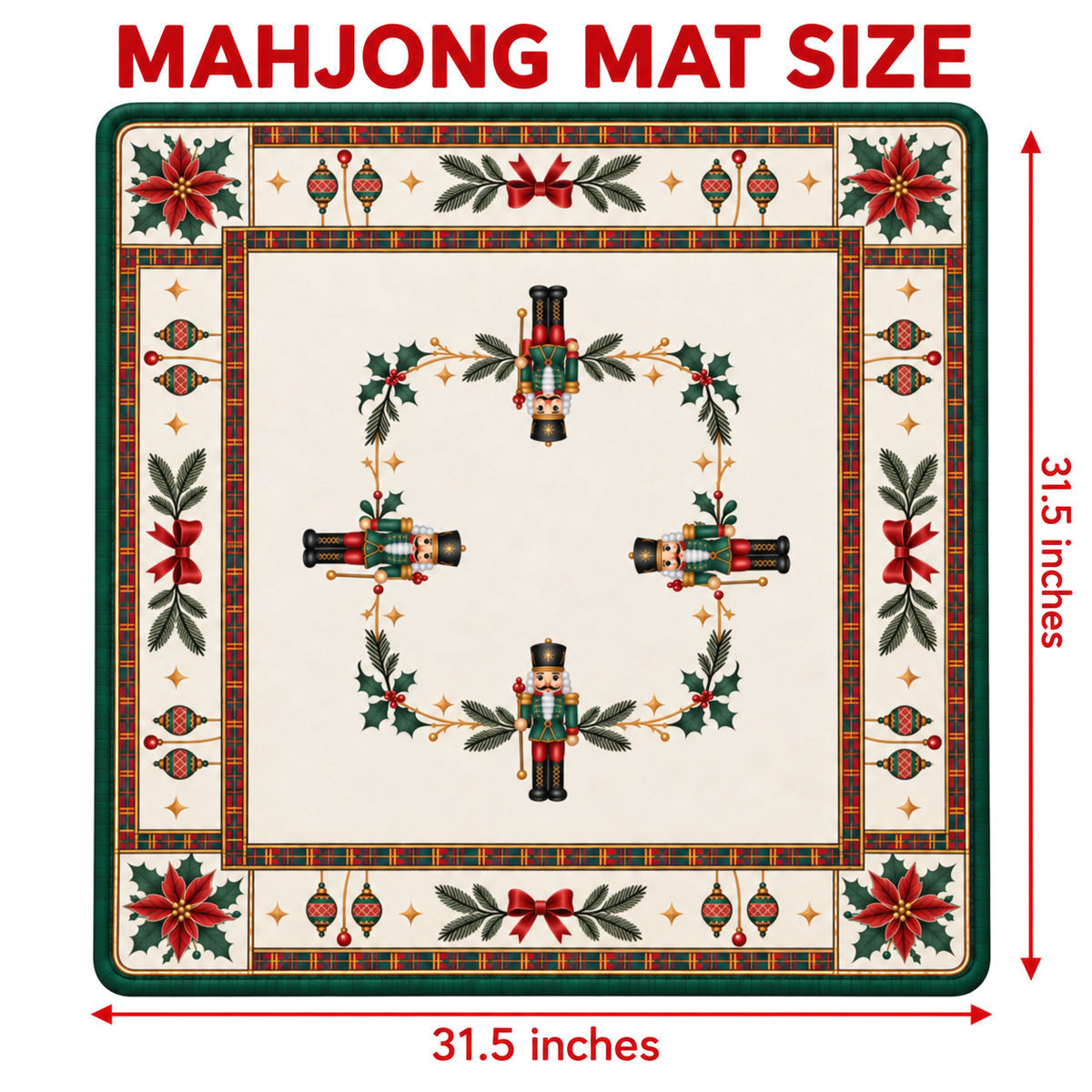
An automatic mahjong table is a motorized shuffler and dealer that mixes your 152 tiles and distributes them to all four players at the push of a button. Tables range from compact countertop models (useful when space is tight) to full-size four-legged units that replace your dining table. They run on electricity via an AC adapter or batteries, cycle through a shuffle in 30 to 90 seconds, and cost significantly more than a mat or rack combo—most serious players evaluate them as a luxury, not a necessity. Before buying, consider whether your group plays weekly (justifies the investment), how much storage space you have, and whether your players enjoy the ritual of shuffling by hand. For casual home groups on a budget, a hand-shuffled mat paired with racks with pushers offers the same gameplay at a fraction of the cost; for frequent hosts who value time savings, an automatic table can eliminate the setup bottleneck and get more rounds in per evening.
Should you buy an automatic table, or stick with a manual mat?
The honest answer: most weekly home players don't need one. A mat, four racks, pushers, and 152 tiles in our best-selling collection will serve you perfectly for years. Manual shuffle takes 10–15 minutes; automatic saves that time and removes human error in tile distribution. If your group meets just once a week, that trade-off rarely justifies the outlay. However, if you host multiple rounds per evening, run a larger club, or have players with physical limitations (hand tremors, arthritis), an automatic table becomes genuinely valuable. The table also appeals to players who enjoy the novelty or prefer consistency in deal—no worrying whether the tiles are truly randomized. The real question is not "is this better?" but "what fits my hosting style and budget?"
What sizes and table types are available?
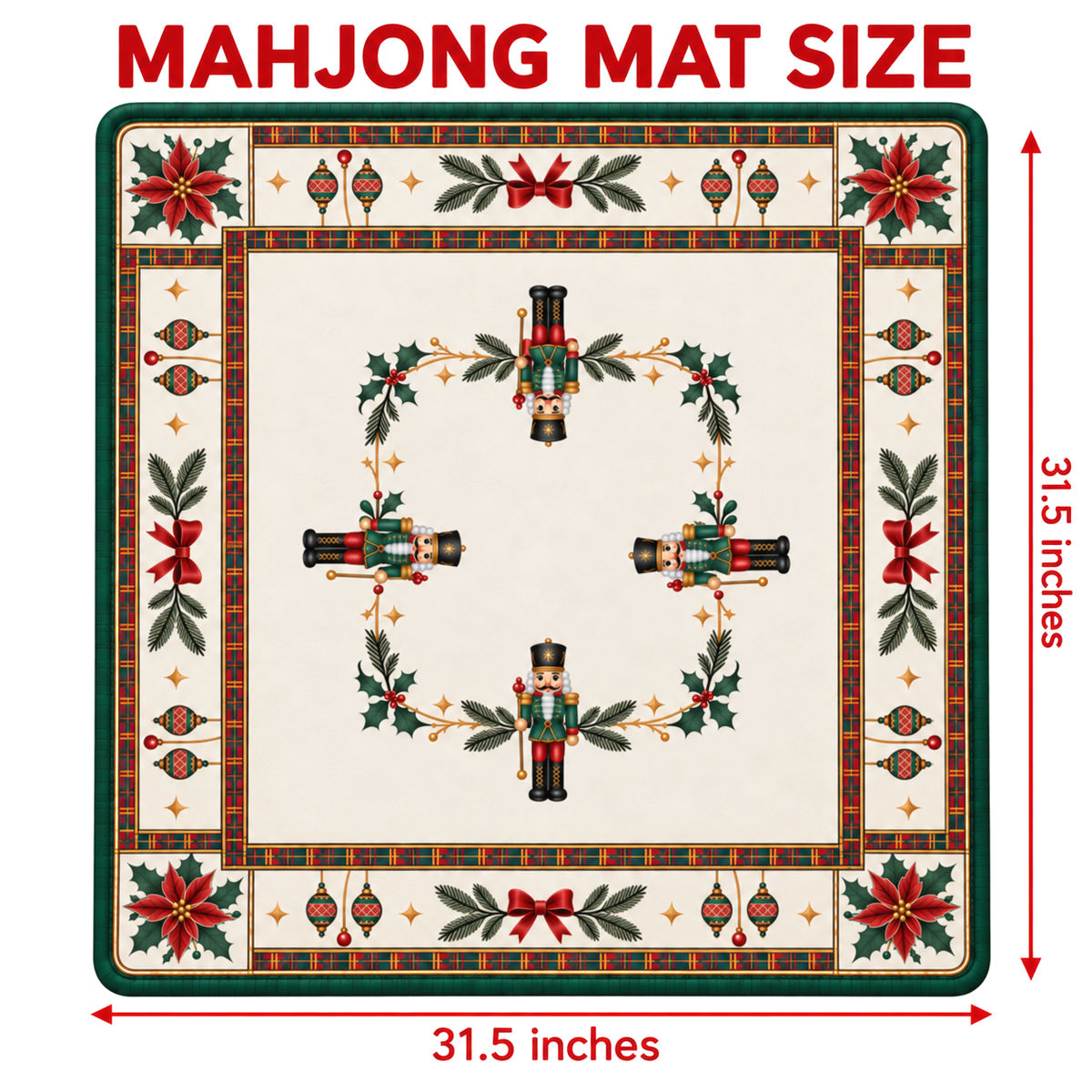
Automatic tables fall into three broad categories. Compact countertop shufflers are roughly two feet square, fold or stack away, and work for casual play—they shuffle tiles but don't have four built-in trays or deal seats. Tabletop models sit atop your existing dining table and have arms or chutes that push tiles to each player; they're portable and don't require furniture replacement. Full-size four-legged tables are standalone furniture (roughly 3–4 feet square) with integrated seats, cup holders, and often a felt playing surface with built-in tile trays. Footprint matters: measure your space before ordering, especially if you live in an apartment or have a smaller dining room. Portability also varies—full-size units are heavy and stay in one place; countertop shufflers move easily but may feel less stable. Think about whether you want the table to be permanent or stored between games. All three types achieve the same core function: shuffle and deal tiles automatically, but the table type shapes convenience and setup experience.
How do automatic tables compare to hand-shuffling on a mat?
Feature | Hand-Shuffled Mat + Racks | Automatic Countertop | Full-Size Automatic Table |
Setup time | 10–15 minutes | 2–3 minutes | 1–2 minutes |
Cost basis | Entry-level, budget-friendly | Mid-range, one-time purchase | Premium, furniture investment |
Storage | Rolls up, fits in a closet | Folds or stacks in a cabinet | Requires dedicated space |
Portability | Highly portable; travel-friendly | Moderate; can move between rooms | Stationary; stays in one place |
Gameplay feel | Traditional, hands-on | Modern, time-saving | Convenient, feels like a club |
Noise level | Silent | Audible (motorized shuffle) | Audible; some models louder |
Durability concern | Wear on fabric; tiles last decades | Motor reliability; motor failure risk | Motor reliability; leg/base wear |
Best for | Weekly casual groups, learners | Hosts who value speed and space | Frequent players, large groups |
The mat-and-rack approach is unbeaten for budget, portability, and simplicity—perfect if you play casually or travel to games. An automatic table trades manual labor for electricity and equipment cost; it makes sense only if you value that time trade-off and have the space and budget to support it. Neither approach is "wrong"—the right choice depends on your lifestyle.
What should you check before ordering an automatic table?
Before committing to an automatic table, ask the seller or manufacturer these specific questions:
Motor and noise level: How loud is the shuffle cycle? Some players find 90-second whirring distracting; others don't mind. Ask for a demo or video.
Tile compatibility: Does it work with standard 152-tile American mahjong sets? Some tables are designed for 144-tile Chinese sets and may jam with the thicker American tiles.
Power and durability: Is it AC or battery powered? How long do batteries last per game? AC-powered tables are more reliable but tether you to an outlet.
Warranty and support: What happens if the motor fails after six months? Some manufacturers offer limited warranties; others don't.
Stability and wobble: Does the table feel rock-solid on your floor, or does it shift during the shuffle cycle?
Seat comfort: If it's a full-size table with integrated seating, is the bench or chair comfortable for a three-hour game? Test if possible.
Ease of loading: How easy is it to load 152 tiles into the mechanism? If it's fussy, you'll resent it after round five.
Drainage and cleaning: Can you easily remove and rinse the shuffle tray? Dust and debris can jam motors.
These questions take five minutes but can save you frustration or regret later.
Do automatic tables work with American mahjong rules and the annual card?
Yes—an automatic table shuffles and deals tiles; it doesn't change your hands, scoring, or the role of the National Mah Jongg League card. You still play by American mahjong rules: exposing only pungs, kongs, quints, and sextets; using jokers strategically; calling hands from the current year's card. The table simply automates the shuffle and deal; gameplay remains identical. One practical note: if your table has built-in tile racks or push buttons, make sure they integrate smoothly with your racks and pushers. Some players bring their own acrylic racks to any table for consistency and comfort. The automatic mechanism is agnostic to rules—it's just an efficiency tool.
What's the real cost of ownership beyond the purchase price?
The initial cost of an automatic table is only the first expense. Factor in electricity (minimal but ongoing), possible maintenance if the motor wears, and eventual replacement or repair. Some players report needing a replacement table after 5–10 years of weekly use; others get 15+ years. If you play once a week, annual cost per game session is manageable; if you host monthly, it stretches longer. Used automatic tables do appear on resale sites, but verify that the motor works before buying—a nonfunctional shuffle mechanism is useless. Also consider: if you later decide to travel to tournaments or host games outside your home, your table stays behind. Portability is zero. For players committed to a permanent home setup and frequent games, that's a fair trade; for those who value flexibility, it's a drawback. Compare the all-in cost—purchase, electricity, space, and potential repairs—against the time savings and enjoyment you'll genuinely get. Honesty: most casual groups find that a mat and hand-shuffle delivers better value and less regret.
🀄 Shop best-selling mahjong sets →
What makes a mat a smarter choice for most home players?
A quality mat from our mahjong mats collection paired with four racks with pushers remains the gold standard for home games. The mat costs far less than an automatic table, takes up minimal storage space (rolls into a tube or bag), travels easily, and lasts indefinitely. Hand-shuffling takes 10–15 minutes but it's meditative—many players actually enjoy that ritual. Mats don't break down because there are no motors to fail. They're available in dozens of designs and colors, from engraved acrylic tiles to custom logos for clubs or families. If you host infrequently or value budget, simplicity, and portability, a mat is objectively the smarter choice. You can always upgrade to an automatic table later if your game grows; most players never do.
🎁 See our most-loved mahjong sets & accessories →
Key checklist: Before you buy an automatic table
Use this short checklist to decide if an automatic table is truly right for you:
✓ Do you host or play mahjong weekly or more often?
✓ Do you have dedicated space (permanent or semi-permanent) for a table?
✓ Is saving 10–15 minutes per game worth the upfront cost to your group?
✓ Can all your regular players comfortably reach the tiles and trays?
✓ Have you checked motor durability, warranty, and customer feedback?
✓ Does your budget accommodate an automatic table without straining?
✓ Will you actually enjoy the automated feel, or do you prefer hand-shuffling?
If you answer "yes" to five or more of these, an automatic table may pay for itself in convenience and enjoyment. If you answer "no" to three or more, stick with a mat—you'll be happier and wealthier.
✨ Find your Mahstead set — free US shipping →

FAQ
Can I use an automatic table with a standard American mahjong set?
Yes, provided the table is designed for American tiles (152-tile sets with acrylic or bone construction). Confirm with the seller that your tile size and weight are compatible; some machines are calibrated for lighter Chinese tiles.
How long does a shuffle cycle take on an automatic table?
Most tables complete a full shuffle and deal in 30 to 90 seconds, depending on the model and motor speed. Hand-shuffling typically takes 10–15 minutes, so the time saving is real but often overstated—a typical three-hour game gains roughly 30–45 minutes total.
Do I still need racks and pushers if I have an automatic table?
Many automatic tables include built-in tile racks or chutes, so separate racks may not be necessary. However, some players bring their own racks with pushers for comfort and consistency in tile manipulation during play.
What happens if the motor breaks during a game?
Depending on warranty and manufacturer, you may be able to return or repair it under coverage, or you'll pay for out-of-warranty repair. This is why checking warranty terms before buying is critical. Many motors are reliable for years; others fail sooner. Ask for real-world durability feedback from the seller.
Is an automatic table worth it for a group that plays once a month?
Rarely. The per-game time savings doesn't justify the cost if you play infrequently. A hand-shuffled mat and racks is more economical and portable for casual monthly groups.
Can I store an automatic table between games, or does it need to stay set up?
Countertop shufflers can be folded or stacked and stored. Full-size four-legged tables typically remain set up because disassembly and reassembly are awkward and time-consuming. Factor storage into your decision if space is tight.


View More
View More
View More
