
Where to Play Mahjong on Long Island: Clubs, Groups & Resources
Last updated: Nov 23, 2026
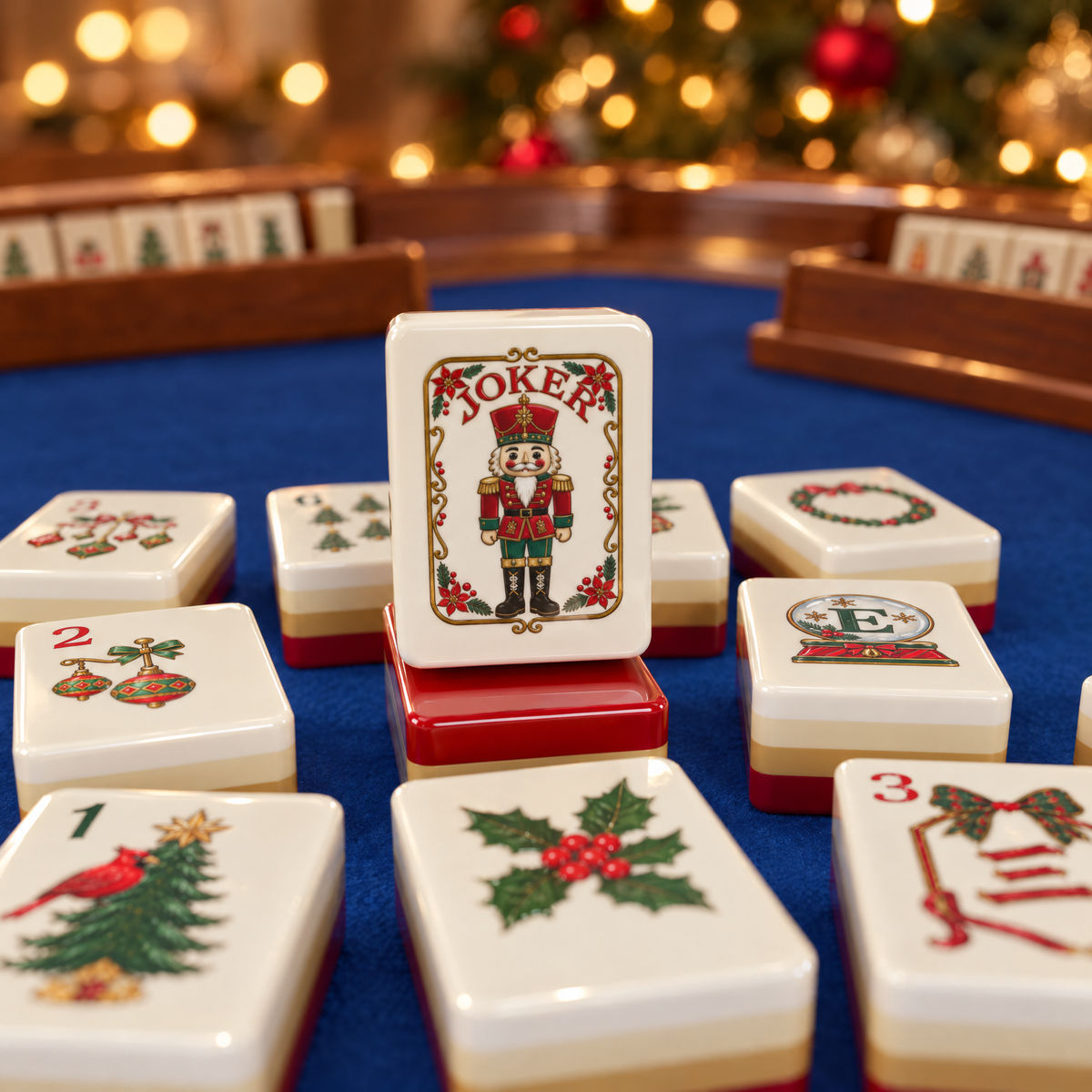
Long Island's mahjong scene centers on public libraries (Huntington, Great Neck, and Port Washington branches host regular games and lessons), community centers in Nassau and Suffolk counties, and private clubs at country clubs and synagogues across the Island. Most casual games happen weekday afternoons or weekend mornings; ask at your local library's activity desk or check community boards (Nextdoor, Meetup, library websites) for specific times. No cost to attend most public games, though some private clubs charge membership. Before your first game, confirm the variant (Long Island plays mostly American mahjong), bring a current National Mah Jongg League card, and know the basics—or ask organizers if teaching is available. Many groups welcome beginners and lend tiles; if you're serious, owning a best-selling mahjong set removes barriers and shows commitment. 🀄 Shop best-selling mahjong sets →
How do I find a mahjong game near me on Long Island?
Start with your town library's website or call the reference desk; Huntington, Great Neck, Port Washington, and Manhasset branches are known hubs. Ask directly: "Do you host mahjong games or have a bulletin board for local groups?" Check Nextdoor (neighborhood app), Meetup.com, and Facebook community groups under your town name + "mahjong." Some synagogues and country clubs list activities on their websites. Visiting during posted library hours and asking staff face-to-face often yields the fastest, most honest leads.

What should I expect at my first mahjong game on Long Island?
Most Long Island groups play American mahjong on Monday or Wednesday afternoons and Saturday mornings. You'll sit at a table with three others; one person is the dealer (East wind) and play rotates. Games last 1–2 hours per round, with breaks between. Bring a current National Mah Jongg League card (issued each spring) so you can read legal hands. Experienced players will teach you hand basics and tile etiquette. Expect a casual, social pace—not competitive unless it's a tournament. Many games rotate players each round, so you're not locked in.
Do I need to own my own mahjong set to play on Long Island?
No—most established groups have house sets (usually older bone-and-bamboo tiles or acrylic). Playing at someone's home game often means bringing nothing. However, if you join a weekly group or host friends, owning a set eliminates logistics and shows you're invested. A 160-tile acrylic set with racks and a mat is durable, lightweight, travels easily, and lasts through hundreds of games. It also ensures you're familiar with your own tiles before tournaments or new groups.
What's the difference between American mahjong and other variants I might encounter on Long Island?
American mahjong (the default on Long Island) uses 152 playing tiles plus 8 jokers, plays with exactly four players, and hands come only from the current National Mah Jongg League card—no improvisation. You cannot meld sequences (chows); only pungs (three identical tiles), kongs (four), and higher sets are exposed. Chinese and Riichi variants use different tile counts, allow sequences, and play by entirely different hands. Almost all Long Island clubs run American rules, but ask when you call—some private clubs or longtime groups occasionally mix in other variants. If you're new, stick with American; it's standardized, beginner-friendly, and the card changes yearly to keep the game fresh.
🎁 See our most-loved mahjong sets & accessories →
How do I prepare before joining a Long Island mahjong group?
Learn the American mahjong basics: the suits (Bams, Craks, Dots, winds, dragons, flowers), how pungs and kongs work, and why the National Mah Jongg League card is your playbook. Our guide to playing American mahjong covers tile names and the Charleston (the tile-passing ritual before each hand). Ask the group organizer if they teach beginners or if you should study the Charleston explained separately. Print or download a current-year card before you go. If you plan to host or join regularly, owning tiles removes the mental overhead of learning unfamiliar sets.

Connecting on Long Island: A Quick Map
Venue Type | Where to Find | Typical Schedule | Beginner-Friendly? | Bring Tiles? |
Public library | Call reference desk or website | Weekday afternoons, Saturdays | Often yes | Usually no |
Community center | Town parks/rec. dept. website | Varies by location | Sometimes | Usually no |
Synagogue/church | Contact directly or town bulletin | Weekday mornings or evenings | Depends on group | Often no |
Private club | Country club membership required | Varies | Rarely; competitive | Likely yes |
Home group | Nextdoor, Facebook, word-of-mouth | Weekly, consistent | Depends on host | Ask ahead |
Starting Your Own Long Island Mahjong Group
If you search and find no games nearby, start one. Host at home with four players (the minimum) on a standing day each week—say, Thursday 1 p.m. Post on Nextdoor and a local Facebook page: "Beginner mahjong game starting [date] at [address]. Bring snacks, tiles provided or BYOT." A mat and racks with pushers make hosting easier and signal professionalism; players will appreciate the smooth surface and organized tile management. After four weeks, word spreads. Beginners often become regulars once they taste the social rhythm and strategic depth of the game.
✨ Find your Mahstead set — free US shipping →
What to Check Before You Buy Your First Set
If you decide to own a set for Long Island play, choose wisely. Tile quality: acrylic tiles (in our best-selling collection) resist humidity, weight, and staining better than plastic or resin. Size and weight: a 160-tile set with a nylon travel bag or case fits a car or apartment closet. Racks and pushers: if you're hosting, racks with pushers keep tiles organized and the game flowing. Mat: a durable mat protects your dining table and tiles and signals respect to players. Readability: if you or your group has vision concerns, sets with large, clear engraved characters (like our engraved American mahjong sets) are worth the investment. Avoid unmarked or faint tiles—squinting kills the fun. All Mahstead sets ship free across the US and are built for repeated play.
Joining a Tournament or Seasonal League
Some Long Island clubs host annual tournaments (typically fall or winter). Ask your local group if they compete or organize. Tournaments follow strict National Mah Jongg League rules and scoring. If you're ready, our guide to American mahjong scoring and how to read the mahjong card will sharpen your edge. Most tournaments are open to members; some require a small entry fee (ask locally). Many players use personal sets and bags for tournaments to ensure consistency and avoid mix-ups with house tiles.

FAQ
Are there beginner-only mahjong games on Long Island?
Some libraries and community centers offer beginner circles or teaching sessions. Call your local branch or check their website for "mahjong lessons" or "beginner group." If none exist, ask if an experienced player leads instruction at their regular game—most groups welcome learners.
What is the National Mah Jongg League card and where do I get it?
It's the annual playbook (issued each spring) listing every legal hand in American mahjong. Long Island players must have a current year's card at the table. Buy it from the league website, at some libraries, or ask your group for a photocopy to start.
Can I play mahjong on Long Island if I've never played before?
Absolutely. Most groups expect new players, teach basics in 15 minutes, and let you learn during play. Bring an open mind, a current card, and ask questions freely. Many players love teaching the game's history and strategy.
Should I buy a set if I'm just visiting Long Island games casually?
If you play weekly or plan to host, a set is worth it. If you're trying one or two games, use house tiles first. A 160-tile set with a bag costs less than a mahjong magazine subscription and lasts years.
What's the cost to join a Long Island mahjong group?
Public library and community center games are free or charge a small activity fee (ask staff). Private club games may require membership. Most weekly home groups are free among friends; some pot money into an optional prize pool at the end of the season (ask the host).
Is mahjong played year-round on Long Island or seasonal?
Year-round, though some groups pause in summer. Winter (October–April) is peak season. Ask your local group about their calendar so you know when to show up.


View More
View More
View More
