
Where to Play Mahjong in the Hamptons
Last updated: Nov 23, 2026
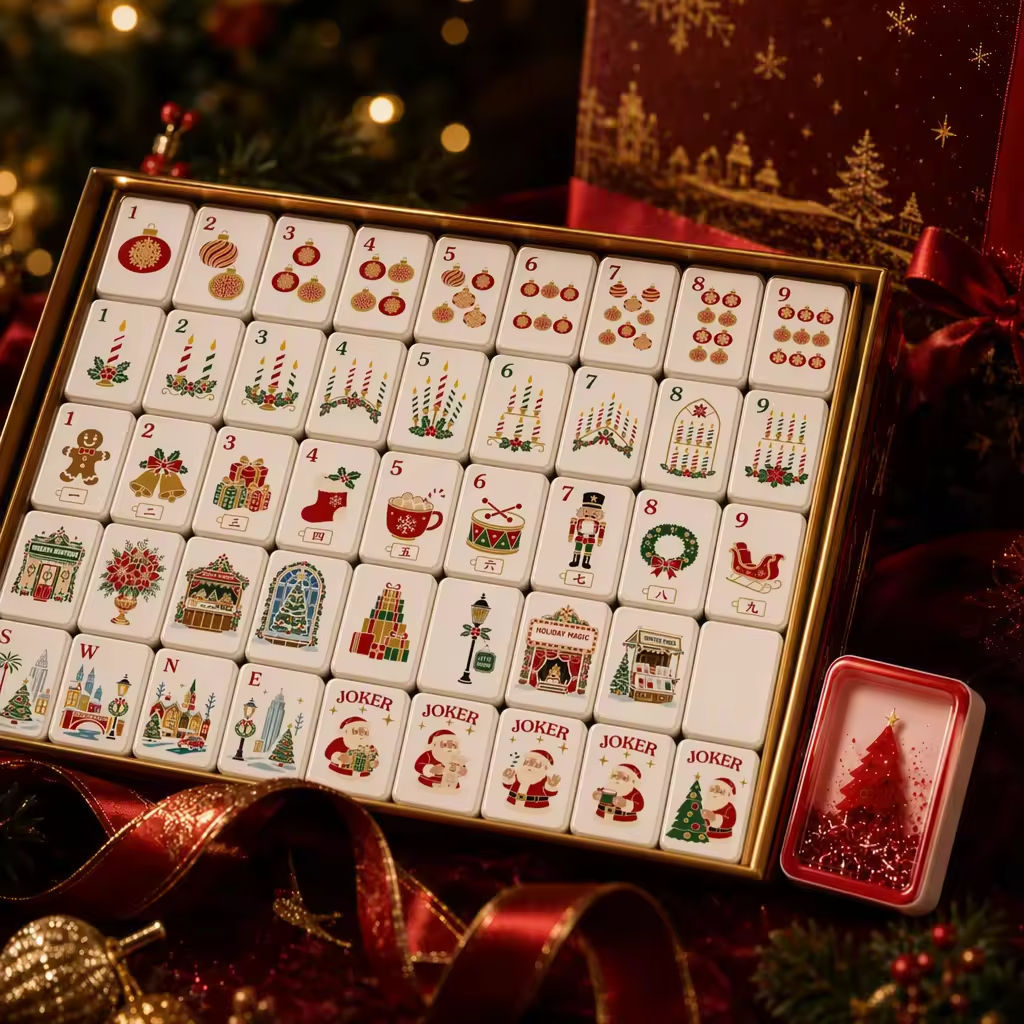
The Hamptons host mahjong through community centers, libraries, country clubs, synagogues, and casual meetup networks that pick up year-round and intensify seasonally. Start by contacting your local library or community recreation department—many post open-play hours or beginner lessons on bulletin boards or websites. Synagogues and Jewish community centers often run weekly games; check their event calendars. Country clubs sometimes offer mahjong mixers. Online platforms like Meetup let you search "mahjong Hamptons" to find ongoing groups. Most games follow American mahjong rules and expect players to bring their own set or share from a communal pool. Join as a beginner without hesitation—Hamptons players typically welcome new people and teach on the fly. A best-selling mahjong set with a carrying case is your entry ticket if you want to host or contribute your own tiles.
How do community centers and libraries run mahjong in the Hamptons?
Most Hamptons community centers and public libraries dedicate a weekly or biweekly afternoon slot to open mahjong play. You walk in, no registration required, and sit at an available table—or get on a list. Libraries often host Friday or Tuesday afternoons; community recreation departments advertise schedules in local newsletters and on town websites. Call ahead to confirm the day and time, as some groups pause in summer (when seasonal residents vanish) and ramp up in fall. Bring your own set if you're serious; otherwise, expect to share. Many groups have communal tile pools and lend to newcomers.

What do private clubs and country clubs offer?
Country clubs in Southampton, East Hampton, and the surrounding areas sometimes organize mahjong as a member benefit or open community event. These games typically run during shoulder seasons (spring and fall) when the Hamptons population stabilizes. Ask the membership or event coordinator if they host mahjong; some clubs run themed tournament weekends. Synagogues and Jewish community centers are the most reliable hubs—they run year-round programs and welcome non-members to drop-in games. Call ahead or visit their websites to find the weekly schedule. Private club games often follow strict American mahjong rules and may move quickly, so read the official rules before your first session.
Where do Hamptons residents find casual weekend games?
Word of mouth remains the strongest signal. Ask at your library game or community center—regulars know other tables in homes, backyards, and vacation rentals. Many seasonal residents organize standing Thursday or Saturday games; joining one table introduces you to the network. Online Meetup boards for the East End sometimes list open mahjong groups. Facebook local community pages (by village or zip code) occasionally post "looking for a fourth" or "new game forming." Attend a public library session first to build confidence and connections; that usually opens doors to private games. If you're hosting, a mahjong mat with pushers and racks makes setup professional and speeds play.

What should you bring to a Hamptons mahjong game?
Most players expect you to bring your own set if you're a regular. A portable mahjong set with a travel bag is ideal for Hamptons weekend play—easy to carry, no tiles lost in the car. Bring the current year's National Mah Jongg League card printed or on your phone; seasoned Hamptons players will have one and will notice if you don't. Bring cash for the end-of-game settlement, if the group plays for money (ask first). Some groups play for chips only; others play for nickels or quarter-point bets. Bring a pen for scoring. Show up 10 minutes early to ask if the group has house rules—some play five-minute ties, some play to a winning hand only, some rotate the wind. Knowing whether you're playing two rounds or four rounds matters.
What to Bring | Why It Matters | Notes |
Your own mahjong set | Ensures you know where all 152 tiles are; saves group setup time | Portable case optional but smart for Hamptons travel |
Current year's NMJL card | Required to identify valid hands; printed or phone version works | Ask the group if they follow that year's card exactly |
Cash (if playing for money) | Groups often settle in cash per hand or round | Confirm stakes before play starts |
Pen & small pad | Score tracking and tie-breakers; some groups use apps | Most groups keep score by hand |
A water bottle | Mahjong sessions run 2–3 hours; stay hydrated | Avoid spills near the tiles |
🀄 Shop best-selling mahjong sets →
Do Hamptons groups teach beginners, and what's the learning curve?
Yes. Hamptons players pride themselves on community and welcome beginners openly—the game needs four players and retention matters. Expect a 20-minute rules rundown at your first session: the Charleston (tile exchange), how to read the National Mah Jongg League card, which tiles form a valid pung or kong, and how jokers work. Your first hand will feel chaotic; your second will click. Most players reach competence—recognizing hand patterns, calling hands cleanly—in four or five sessions. The social rhythm (chatting between hands, ribbing the discarder, celebrating a win) teaches as much as rules do. If you're serious, spend an afternoon reading mahjong-for-beginners guides online before showing up; it cuts embarrassment and speeds acceptance.
What gear makes hosting a Hamptons game easier?
If you're hosting, invest in a dedicated setup: a mahjong mat defines the playing surface and protects your furniture, racks with pushers let players tile at speed without physical strain, and a carrying case keeps everything organized between Hamptons weekends. A high-quality set with clear tile faces reduces squinting and argument. Good lighting—a floor lamp near the table—matters more than people think; poor lighting slows the game and raises tension. Have a printed NMJL card at each seat and a backup set of rules (one page, laminated) in your hosting notebook. Set a house rule sheet in advance: Do you rotate the wind after each hand or each round? Do you play gambling stakes or friendly? Do you start a new round if someone has to leave, or do you stop at four complete rounds? Written rules prevent friction.
🎁 See our most-loved mahjong sets & accessories →
What to check before you buy a set for Hamptons play
Does your set have all 152 tiles plus spare jokers? American mahjong requires exactly 152 tiles in play; spare jokers and blanks never go on the table. Confirm your set includes four copies of each tile (1–9 in three suits, 16 winds, 12 dragons, 8 flowers, 8 jokers).
Are the tile faces large and readable? Hamptons players often include players over 60; small or faded tile faces cause frustration. Look for engraved, high-contrast designs.
Does it include a travel bag? Hamptons homes and clubs are spread across villages; a padded bag saves tile loss and scratches in transit.
Do you need racks and pushers? If you're hosting regularly, racks and pushers are not optional—they reduce hand strain and speed play for all four players.
✨ Find your Mahstead set — free US shipping →

FAQ
Do I need to know how to play before joining a Hamptons mahjong game?
No. Most groups teach on the spot. Arriving early and watching one hand helps. If you're nervous, read a mahjong-for-beginners guide online the night before—it removes anxiety and shows respect for the group's time.
Are there age restrictions for Hamptons mahjong groups?
No. Mahjong in the Hamptons skews 50+, but it's intergenerational. Younger players join through family or friend groups. No formal age rule exists; players of any age are welcome.
How much does it cost to play in a Hamptons mahjong game?
Open games at libraries and community centers are free or ask a small donation (a few dollars per session). Private games vary: some play for charity, some for nickels or quarters per point, some for fun only. Ask the host before your first hand.
What's the difference between American mahjong and other versions played in the Hamptons?
American mahjong uses the National Mah Jongg League card (updated yearly) and requires exactly 152 tiles with no sequences (chows). Chinese and Hong Kong versions use 144 tiles and allow sequences. East End groups are almost entirely American unless advertised otherwise. Ask the host which variant they play.
Can I bring my own set to a Hamptons game, or should I ask first?
Bring your own if you have one—most groups welcome it. Confirm your set is complete (152 tiles) and tiles are readable. If you're new, ask the host whether they prefer a communal pool or individual sets; some groups rotate sets to avoid disputes over tiles.
Do Hamptons mahjong groups play for money?
Many do, most don't. Some groups play "friendly" (no stakes). Others play for a fixed amount per point or hand. Always ask the host before sitting down. If you're uncomfortable with gambling, say so; the group will accommodate you or direct you to a non-gambling game.
What happens if I have to leave a Hamptons game early?
Tell the host in advance. Some groups have a replacement player on call; others prefer four complete rounds and will wait for your return. If you must go, pay your settlement for the hands played and apologize to the three remaining players—they now need a fourth or must stop.


View More
View More
View More
