
Mahjong Classes for Beginners in The Woodlands: Where to Start
Last updated: Nov 23, 2026
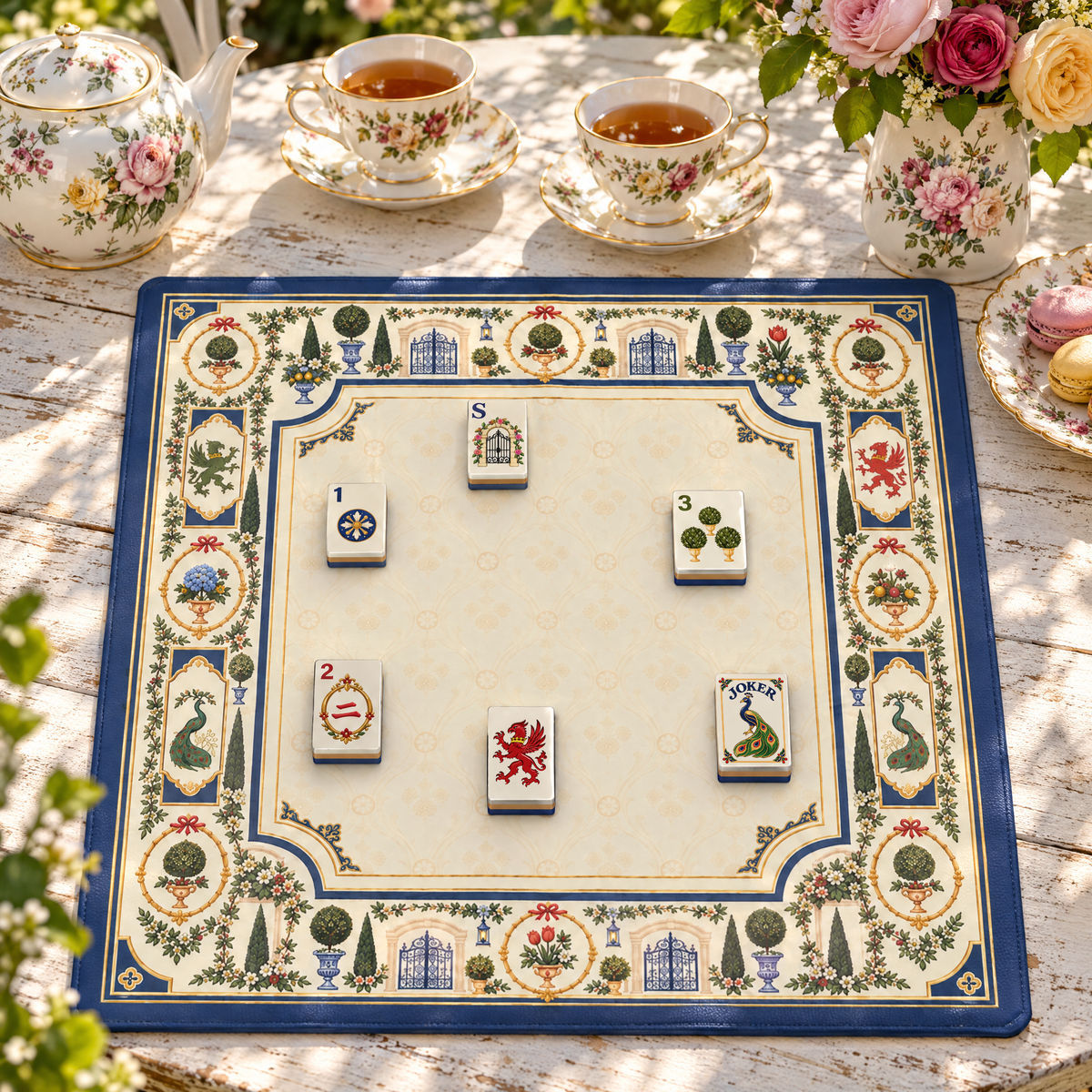
Beginner mahjong classes in The Woodlands are available through community recreation departments, public libraries, and private game clubs that welcome new players year-round. Most classes run four to eight weeks, meeting once or twice weekly for two to three hours per session. Beginner classes teach the fundamentals: tile recognition, hand-building, the Charleston passing ritual, and how to read the current National Mah Jongg League card. Check your local recreation center's website or call ahead to confirm class schedules; many require registration and cap enrollment to maintain teaching quality. You'll need a 152-tile American mahjong set—Mahstead offers best-selling mahjong sets in designs suited to classroom play—plus paper and pencil for scoring notes. Expect to pay modest class fees; always ask whether the instructor provides sets or if you bring your own. 🀄 Shop best-selling mahjong sets →
Where do beginners actually find classes in The Woodlands?
Start with your local parks and recreation department—most list game classes on their activity catalog or website. Public libraries often host mahjong clubs and beginner sessions; call ahead to ask about instructors and meeting times. Synagogues, country clubs, and community centers in your area may run formal classes or casual meetups. Search online community boards and bulletin boards at coffee shops or community centers; players sometimes post flyers for new-player groups. Ask at any established player's game night—word-of-mouth referrals to local instructors are the fastest path to a beginner class.

What will the instructor actually teach in week one?
Week one focuses on recognizing the 152 American mahjong tiles: three suits (Bams, Craks, Dots numbered 1–9), four winds (North, East, West, South), three dragons (Red, Green, White), and flowers. Instructors explain how many copies of each tile exist (four each), show you how to hold and organize tiles in your rack, and introduce the Charleston—the three-way tile-passing ritual all players perform before every hand begins. You'll learn to read the National Mah Jongg League card, which contains all legal winning hands for that year. Beginners rarely memorize the card; instead, they learn how to scan it efficiently and ask questions. No strategy yet—just mechanics, vocabulary, and confidence.
How is American mahjong different from what my friends play online or overseas?
American mahjong uses exactly 152 tiles and 8 jokers; no wild tiles, no chows (sequences like 1-2-3), and no melds you can steal from other players. Only the player whose turn it is can draw and discard; melds (called pungs, kongs, quints, sextets) are exposed only in the player's own rack, never called from another player's discard. Jokers serve one purpose: substituting for a single missing tile in a pung, kong, quint, or sextet—never used as a pair or standalone. The hand must come directly from the current year's League card; there is no wild hand or strategy variation like in Chinese, Hong Kong, or Riichi variants. American mahjong is scored by the type of hand, not tile count, and the dealer role rotates. If you've played elsewhere, expect to unlearn sequences entirely and re-learn hand structure from the official League card.
What's the single biggest beginner mistake—and how do you avoid it?
The biggest mistake is building a hand before checking the League card to see if it's actually a winning hand. Beginners will arrange their tiles into what looks like a nice pung or quint, only to discover it's not on the card for that year—so it's not legal. The fix: always have the card in front of you. Cross-check your hand against the card the moment you think you've won. Second mistake: misusing jokers. Jokers can only substitute for one missing tile in a set, not fill a pair, and never stand alone. Third: assuming you can call a meld from another player's discard (you can't in American mahjong). Ask your instructor to show you the card, drill hand-checking three times per class, and never assume your tiles are a winner until you've matched them to the printed card.

What should you bring—and what should your set look like?
Bring a tile set, a notebook, a pen, and the current year's League card (your instructor may provide copies). Your set must have all 152 tiles plus 8 jokers; buy or borrow from someone before class so you're familiar with it. Engraved American mahjong sets in durable acrylic are classroom-tested and survive constant shuffling and handling without chipping. Bring a mahjong mat if the playing table is hard or small—mats define play zones and protect tiles. Wear comfortable clothes and plan to sit for two to three hours; bring water. Don't bring a set with missing tiles or a card from a past year—outdated cards have hands no longer in play, which confuses beginners. If you're borrowing, confirm the set is complete before class starts.
Beginner Class Checklist
Item | Why It Matters | Bring or Borrow? |
152-tile set + 8 jokers | Must play by League rules; incomplete sets cause misdeals | Bring your own (most reliable) |
Current year League card | Only legal hand source; old cards show retired hands | Instructor may provide |
Pen and notebook | Score tracking and note-taking for learning | Always bring |
Mahjong mat (optional) | Protects tiles; defines play zones on small tables | Borrow from host or bring your own |
Rack with pushers (optional) | Speeds hand display; reduces accidental tile spills | Nice-to-have; ask if host has extras |
Water and snacks | Four-hour game days require hydration and energy | Bring; check if class allows food |
🎁 See our most-loved mahjong sets & accessories →
How many weeks until you're ready to play in a real game?
Most beginner classes run four to eight weeks. By week four, you'll recognize all tiles, understand the Charleston, read the League card with moderate speed, and play a full hand without major errors. You'll still look up hands on the card often and play slowly—that's normal. True comfort comes around week eight to twelve, after twenty to thirty hours of play. By then, hand-checking becomes automatic and you'll spot winning combinations faster. Many instructors host a "graduation game" or connect you to a beginner-friendly regular group after your class ends. The learning curve isn't steep; mahjong rewards repetition over memorization. Expect to feel clumsy for the first month, competent by month two, and genuinely enjoy playing by month three.
✨ Find your Mahstead set — free US shipping →
What to check before you buy a set for class
Tile count. Verify the set has 152 playing tiles plus 8 jokers. Sets labeled "160-tile" include spare tiles for replacement if any crack or go missing—this is normal and desired for a classroom set that gets heavy use. Never buy a set with missing tiles; a misdeal ruins the game.
Material. Acrylic tiles are quieter, more durable, and less likely to break if dropped than bamboo or plastic. Beginners benefit from quieter play so they can hear instructions.
Joker clarity. Jokers must look visually distinct from regular tiles. If you can't spot them instantly, the game slows down.
Rack and mat. Not required, but a mahjong mat reduces noise and keeps the board organized. Racks with pushers are nice but optional in the first four weeks.

FAQ
Can I join a class if I've never played any version of mahjong before?
Yes. Beginner classes assume no prior knowledge and teach from tile recognition onward. If you've played Chinese or online mahjong, mention it to the instructor so they can clarify how American rules differ.
Do I need to own a set before the first class?
Not always. Many instructors provide sets or have extras on hand. Call ahead and ask; if you must buy, choose a best-selling set with 152 tiles plus spares so it lasts through classroom wear.
What does the Charleston actually involve?
The Charleston is a three-way tile pass before each hand begins: you pass three tiles left, then three tiles right, then three tiles across the table in a set sequence. Learn the Charleston step-by-step so you're not surprised on day one.
How much will a beginner class cost?
Class fees vary by venue—community centers typically charge modest fees per session or per full course. Call your local recreation department or library to ask; many offer scholarships or sliding-scale fees for seniors or new players.
Is American mahjong harder than the version I saw online?
No, just different. American mahjong has simpler rules (no stealing melds, no sequences) but requires memorizing one card per year. Most players find American mahjong easier to learn and faster to master than Chinese variants.
What happens if my tile set is slightly damaged during class—do I need to replace the whole set?
No. Mahstead's 160-tile sets include spare tiles specifically for this reason. A chipped or cracked tile is easily swapped out without stopping the game.
Can I practice at home between classes?
Absolutely. Shuffle tiles, practice the Charleston by yourself, and spend time reading the League card without a hand in front of you. Familiarity with the card is your fastest path to confidence.


View More
View More
View More
