
Where to Play Mahjong in San Antonio: A Local Player's Guide
Last updated: Nov 23, 2026
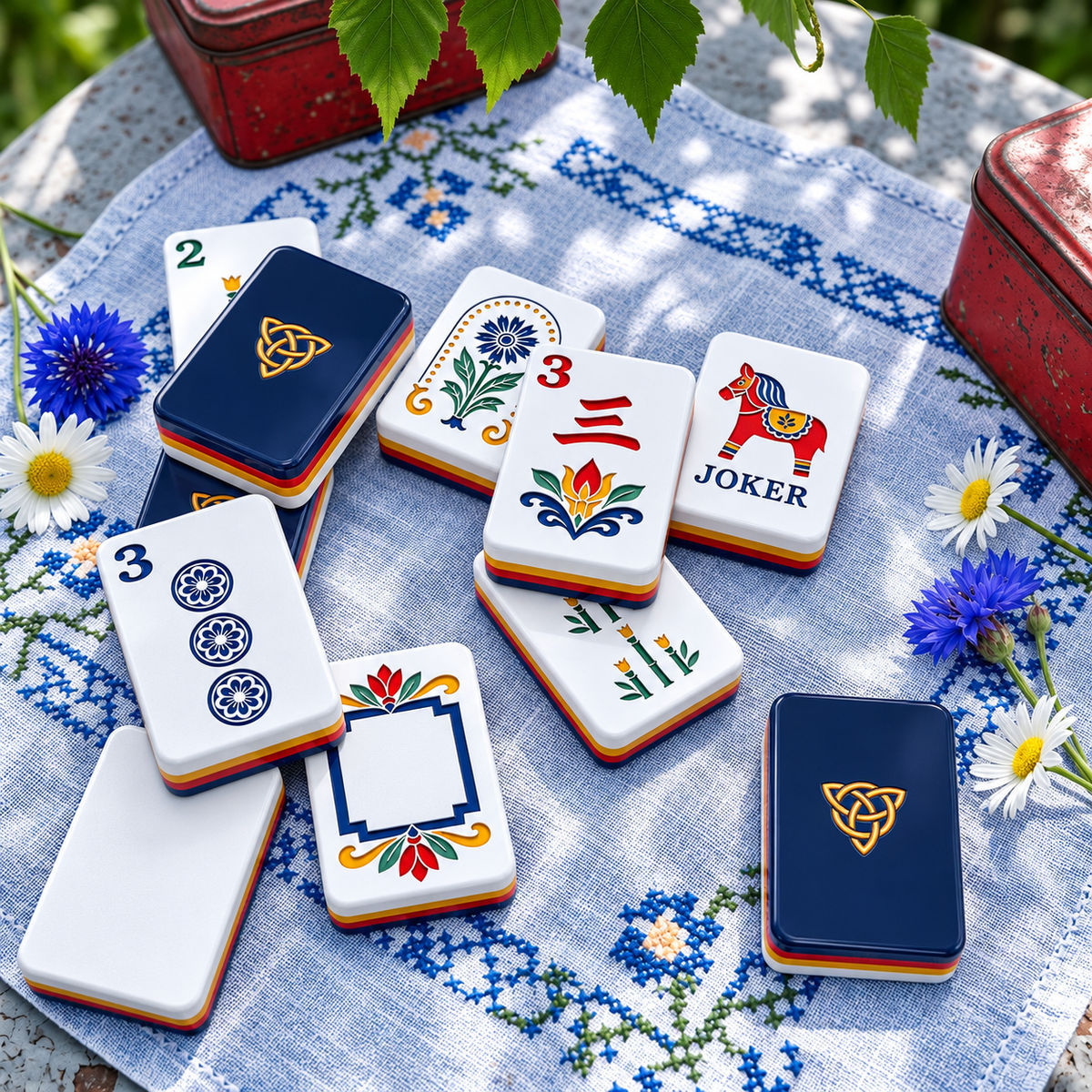
San Antonio mahjong players congregate at public libraries (especially the downtown and north locations), community centers run by the Parks and Recreation Department, and synagogues and country clubs on the north side—call ahead or check bulletin boards for weekly American mahjong groups, which typically meet Tuesday to Thursday evenings in 2–4 hour sessions. Many players also find partners through Meetup boards and Facebook groups dedicated to San Antonio games. You'll need a 160-tile best-selling mahjong set, a mat to protect the table, and four racks with pushers if your venue doesn't have them; most established groups have gear on hand. Beginner-friendly venues often welcome drop-ins; call before your first visit to confirm rules, skill level, and whether scoring uses the current year's National Mah Jongg League card.
Where do local mahjong groups meet each week?
San Antonio's main hubs are the public library system (ask at the central branch desk for game night calendars), municipal recreation centers, and private clubs. Synagogues often host Wednesday or Thursday evening games open to members and referred guests. Country clubs frequently run mahjong leagues September through April. Facebook groups and Meetup boards list meetups by neighborhood—search "mahjong San Antonio" and filter by weekly or monthly frequency. Call three venues before your first visit to confirm skill level, house rules, and whether jokers are played as wild tiles or restricted, because American mahjong rules vary slightly by table.

What's the difference between drop-in games and league play?
Drop-in games welcome new players most weeks, impose no registration fee, and end by a set time (usually 8 or 9 p.m.). League play spans a season (typically September to May), tracks cumulative scores, and may charge a small season fee per player. Drop-in groups are ideal for learning; leagues suit serious players who want competitive brackets and prize records. Both use the National Mah Jongg League card, so understanding how to read that card is essential before either setting. Most venues don't charge per session at drop-in tables, though some collect a few dollars for supplies or coffee.
What equipment should you bring or expect to find?
A complete American mahjong session requires exactly 152 tiles plus 8 jokers, a mat to cushion tile movement, four racks (one per player), and pushers to manage your hand. Established venues own their own sets and mats; smaller meetups may ask players to share gear. If you're hosting at home or joining a new group, bring your own 160-tile acrylic set—acrylic lasts through weekly play and sounds satisfying when shuffled. A padded mat protects both your table and keeps tiles stable. Racks with pushers let you sort and hide your hand neatly; bamboo racks are traditional, but plastic racks are easier to clean after a long session. Bring the current year's card and pen. Most tables provide dice, but a backup set never hurts.
Should you join a group or start hosting at home?
Option | Best for | Setup cost | Why choose it |
Established library/center group | New players, consistent schedule | None (free) | Learn rules in a patient, pressure-free setting |
Private weekly game at home | Friends, regular crew of 4–8 | One set + mat + racks | Control house rules, no commute, full control of food/pace |
League play (seasonal) | Competitive players, record-keeping | Small per-season fee | Track wins, play against fresh opponents, scheduled tournaments |
Synagogue or club group | Social players, networking | Membership or guest fee | Built-in community, often includes social hour, consistent venue |
Beginners almost always start with a library or community center group because the pressure is low and hosts explain the Charleston and tile-calling rules patiently. Once you've played 5–10 sessions, hosting a weekly game at home becomes realistic—you'll know exactly what tiles and racks you need, and you can learn scoring at your own pace without watching the clock.
🀄 Shop best-selling mahjong sets →

How do you find a game as a complete beginner?
Start with your nearest public library or Parks and Recreation center; most offer mahjong nights or can refer you to local groups. Ask the librarian or community coordinator directly—they keep schedules and contact info. Visit on the first week of the month, when many groups do a slow, teaching-focused session. Join the local Facebook groups and post "new to SA, looking to learn American mahjong" with your preferred neighborhood and day of the week; you'll get 3–5 responses within 24 hours. Finally, call or email the National Mah Jongg League (they maintain a club finder on their site) to see if San Antonio has a registered club near your home. Bring cash for parking or a small donation, the current year's card (available at most venues), and a willingness to ask questions—every player at the table learned this way.
What if you want to start your own game instead?
Hosting at home is simpler than many beginners think. Invite four friends (or ask existing players if they want to rotate host duties each week), pick a regular night, and commit to showing up for four weeks to establish rhythm. You'll need one 160-tile American mahjong set, a mat, and four racks with pushers—see our best-selling collection for sets that hold up through 50+ games a year without chipping or fading. Buy a printed copy of the current year's National Mah Jongg League card (or share a digital image on your phone) and a scorepad. Start with the Charleston, which everyone finds fun once they've done it twice. Play 2–3 hands the first night and spend time explaining the card; by week three, play moves fast. Most home games wrap in 2 hours and cost nothing but snacks—far less than a league fee. If your group grows beyond 4 or 5, you can rotate "tables" so everyone gets a seat each night.
What to check before you buy a set for home hosting
Feature | Why it matters | Red flags |
160-tile count (not 144 or 152 only) | Includes spare jokers and tiles for breakage | Sets missing jokers or blanks mid-game |
Acrylic or resin tiles | Loud, clear sound; durable through 100+ plays | Soft plastic or bone tiles cloud and chip quickly |
Matching rack set included or sold separately | Keep hands hidden and organized | Racks sold only in incomplete sets; mismatched sizes |
Matt finish, not glossy | Tiles don't slide off the mat; easier to read symbols | Polished tiles skid; symbols glare under ceiling lights |
Tile size 1.2"–1.3" wide | Fits standard racks; comfortable grip for 2–4 hour games | Tiny tiles (under 1") strain eyes; oversized tiles don't fit racks |
🎁 See our most-loved mahjong sets & accessories →
Before your first session, whether at a club or your dining table, read the beginner's guide to learn how the Charleston works and what jokers do. Attend at least one game before buying your own gear—you'll see which styles your group prefers. San Antonio's mahjong scene is warm and inclusive; players love teaching newcomers, and most groups have loaner sets if you want to try before you buy.
✨ Find your Mahstead set — free US shipping →

FAQ
Are there any all-day mahjong tournaments in San Antonio?
Yes, some venues host spring or fall tournaments (usually 6–8 hours with breaks). Call the Parks and Recreation office or ask at library game nights to get on a mailing list; tournaments usually post schedules by the prior month.
Do I need to know how to score before I join a game?
No. New players can join as "learners" for the first 2–3 sessions. Your group will keep score and explain hand values as you go; scoring feels natural after 10 hands. Bring the card and focus on learning which tile combinations are legal first.
Can I play 2- or 3-player mahjong at these San Antonio venues?
Most groups play only 4-player American mahjong because that's what the National Mah Jongg League card supports. Some private home games experiment with 2- and 3-player variants, but ask your host in advance before assuming.
What's the cost range for hosting a weekly home game?
Your only one-time expense is a 160-tile set, mat, and racks—a complete setup runs under what you'd spend on league fees for three months. Ongoing costs are zero; ask guests to bring snacks or drinks if you want to share the hosting load.
How do I find players specifically interested in learning, not competitive play?
Contact library program staff directly and ask which time slot is "beginner-friendly" or "teaching-focused." Many libraries run a new-player session the first Tuesday or Thursday of each month specifically for that reason.
What's the age range at San Antonio mahjong tables?
Typically 35–75, with a growing number of younger players (25–40) joining home games and social venues. Ask where you're visiting what the vibe is; some groups mix ages freely, others have separate leagues for different skill levels.


View More
View More
View More
