
Mahjong Open Play in Savannah: Where & How to Find Games
Last updated: Nov 23, 2026
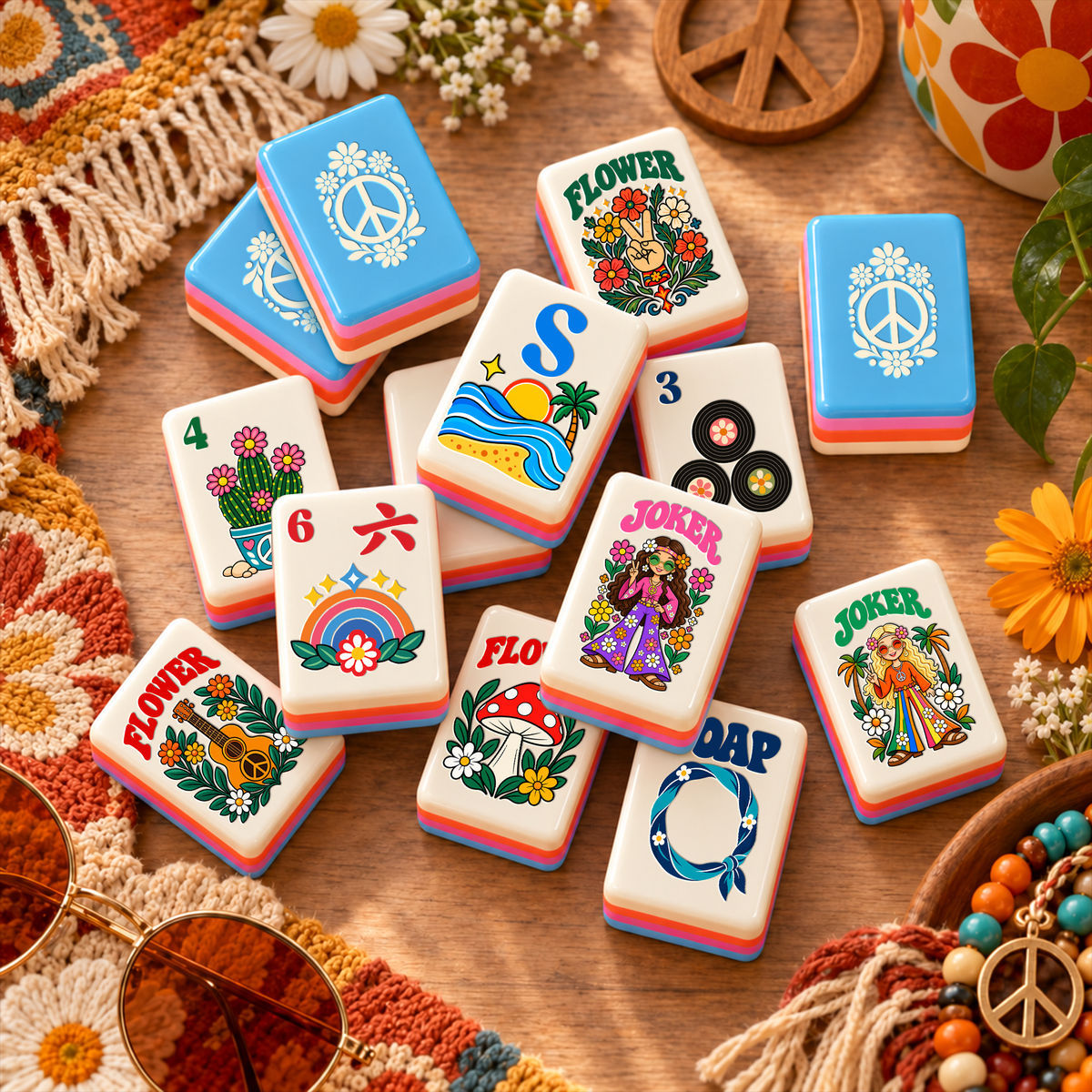
Open play mahjong in Savannah happens at community centers, libraries, synagogues, country clubs, and informal home groups—check local community center bulletin boards, library event calendars, and Meetup.com for active listings. Games are typically played on Thursday or weekend afternoons or evenings; most use the current year's National Mah Jongg League card and follow American four-player rules. Newcomers are welcome; expect to pay a modest host fee (usually a few dollars per seat) or bring snacks to share. Before joining, confirm the group plays American mahjong (not Chinese or Hong Kong variants), whether they allow jokers as wildcards, and if they provide tiles or if you should bring your own. A quality best-selling American mahjong set with a mat and pushers eliminates friction and signals you're serious—locals appreciate a player with their own reliable gear. 🀄 Shop best-selling mahjong sets → --- #
Where do Savannah mahjong groups meet?
Savannah's open play scene is distributed rather than centralized. Check community centers first—most run recreational game afternoons and maintain bulletin boards listing regular groups. Public libraries often host game clubs or can direct you to organizers. Synagogues and Jewish community centers frequently sponsor mahjong nights, whether or not you're a member; call ahead. Country clubs and leisure centers often have standing Thursday or Saturday games for members and guests. Meetup.com is reliable for finding organized groups; search "mahjong" with your zip code or browse nearby cities. Word-of-mouth through friends or coworkers often reveals smaller home-game circles—ask around at local restaurants or community events. Most groups welcome drop-ins, though showing up with your own set and understanding basic rules (and this year's card) earns immediate respect.

What's the typical open play schedule like?
Open play groups in Savannah usually run on weekday afternoons (Monday–Friday, 1–4 p.m.) or evenings (6–9 p.m.), with the heaviest activity on Thursdays and weekends. Many groups have standing times—for example, every Thursday at 2 p.m.—so once you find one, you can plan recurring attendance. Games last roughly 1.5–3 hours depending on player speed and the scoring system used. Most groups play multiple rounds in a session so you can leave early or stay longer. Beginners are typically accommodated; experienced hosts will slow the pace or sit beside you during your first game. Arrive 10–15 minutes early to introduce yourself, pay any host fee, and get oriented. Bring water and your own tiles if the group doesn't provide them—having your own mahjong set with a mat and racks shows preparedness and lets you practice hand-building between turns.
How do I know if I'm ready to join?
You need to understand the four-player American game, read the current season's National Mah Jongg League card, and know how jokers work as wildcards. Review American mahjong basics so you know the tiles (Bams, Craks, Dots, Winds, Dragons, Flowers), how to form pungs and kongs, and what a "meld" looks like when called and exposed on the table. Practice reading the mahjong card—this is essential; most groups won't start until everyone can quickly spot patterns. Understand the Charleston ritual—the pre-game tile exchange—so you don't hold up the table. Play a few practice games at home or online if possible. When you arrive, tell the group you're new; most will pair you with an experienced player or coach you on your first hand. Knowing the rules shows respect for everyone's time and keeps the game flowing.

What should you bring—and what gear matters most?
Item | Why it helps | Essential for open play? |
Your own 160-tile set | Familiar tile feel, consistent quality | Recommended; many groups provide, but yours ensures reliability |
Quieter play, organized layout, protects tiles | Helpful but not required; many tables have built-in surfaces | |
Faster hand building, cleaner tile display | Nice to have; speeds up your play and shows experience | |
Card holder or stand | Keeps the card visible without hand fatigue | Useful if the group doesn't have a shared display |
Small travel bag | Easy transport, protection | Smart if you're going to regular games |
Notebook (optional) | Track scoring, learn patterns | Not required; most groups handle scoring verbally or on apps |
Bring your own set so you're never without a backup and can practice at home. A mat dampens noise and signals seriousness to the table. Racks and pushers speed up your play and are appreciated by other players. A travel bag or case protects your investment if you're carrying tiles between games. Arrive with the current year's card—groups usually have one to share, but having your own means you're never stuck waiting. Leave your phone on silent and your competitive spirit in check; open play is social and recreational.
🎁 See our most-loved mahjong sets & accessories →
What happens during a typical open play session?
A standard American mahjong session begins with four players seated at a table. The organizer or an experienced player collects any host fee (usually a small amount to cover snacks or venue rental) and ensures everyone has a current card. The Charleston—the formal tile-passing exchange—happens first; players pass discards three times across the table in a set pattern, then once back. After the Charleston, tiles are drawn and wall-building begins. The East player (determined by dice roll) goes first. Players draw from the wall and discard; when someone melds a set (pung, kong, quint, or sextet) that matches the card, they call it, and it stays exposed on the table in front of them. The game ends when someone completes a legal hand matching a pattern on the current card and calls "mahjong." Scoring is tallied—American scoring varies but is typically simple point-based—and players rotate. Most groups play 2–4 rounds per session. Conversation flows between turns; the pace is relaxed for open play. Experienced players help newcomers spot winning patterns and explain why a discard is risky. By your third or fourth hand, you'll feel the rhythm.
How to avoid common open play mistakes
Don't pick a tile from the wall out of turn; it's the most disruptive error. Don't discard without checking whether anyone can call it—a meld you miss can alter the game significantly. Don't touch tiles you haven't drawn; this is considered poor form. Don't rearrange your hand excessively once others can see it—it wastes time. Avoid asking for a re-do after discarding; your discard is final once released. Don't assume all groups use the same scoring; ask before the first hand. Don't bring a set with missing or unmarked tiles; a complete 160-tile set from Mahstead with clear engravings eliminates confusion. Don't criticize another player's move during the game; save strategy chats for after the round. Don't show your tiles to anyone but yourself until they're exposed on the table or you win. Most groups are forgiving of honest mistakes from newcomers, but showing you know the etiquette means you'll be invited back.
#

FAQ
Can I join open play if I've only played mahjong online or on an app?
Yes. Online play teaches you hand-building and strategy, but physical tile handling is different—your first two sessions will feel slower. Arrive early, bring a notebook to jot down patterns, and ask the table for coaching. Most groups treat online-only players as complete beginners and pace accordingly.
Do I need to bring my own mahjong set, or does the group provide one?
Most established groups provide a set or two, but bringing your own is strongly recommended. It eliminates wait time if a set has a missing tile, gives you familiarity for faster play, and shows commitment to the group. A quality set with a mat and racks is an investment that pays off.
What's the cost of joining open play in Savannah?
Most groups charge a small host or venue fee per player—ask when you contact the organizer. Some groups are free but ask you to bring snacks or beverages. Cost varies by location and whether the venue requires a rental fee; expect minimal expense (a few dollars per session).
Can I join if I'm still learning the rules?
Absolutely. Open play groups always have room for beginners. Arrive on time, tell the host you're new, and ask them to pair you with an experienced player or sit close so you can ask questions between turns. Knowing the tiles and recognizing pungs is enough to start; you'll learn fast.
What's the difference between open play and tournament play?
Open play is casual, social, and forgiving; the pace is relaxed, rules are applied gently, and mistakes are corrected without penalty. Tournament play is scored strictly, uses timed turns, and enforces rules rigidly. Start with open play to build confidence and enjoy the game.
How do I find a group if online searches don't turn up results?
Call or visit your local community center, public library, or synagogue directly and ask if they host mahjong or can refer you. Ask at senior centers or leisure clubs. Post a "looking for mahjong" note on neighborhood Facebook groups or Nextdoor. Word-of-mouth is often the fastest route—tell friends you're interested and someone usually knows a player. --- ## What to check before you buy your own set Tile clarity. Make sure all tiles are clearly labeled with numbers and suit symbols—nothing should be worn or unclear. Engraved tiles from Mahstead are legible and stay clear for years of play. Completeness. Count the set yourself (152 playing tiles plus spare jokers and blanks). A missing tile derails a session. Our best-selling sets are verified for completeness before shipping. Case or bag. If you plan to transport the set, buy one with a protective bag or case. A padded travel bag keeps tiles safe and organized. Mat quality. A good mat has a felt surface that grips tiles and reduces noise. Non-slip backing prevents sliding. Choose based on your play style and storage space—see how to choose a mat. Joker count. American play uses 8 jokers always. A 160-tile set has 152 playing tiles plus spare jokers; confirm the set you're buying includes enough spares to replace worn jokers. --- ✨ Find your Mahstead set — free US shipping →


View More
View More
View More
