
How to Use the Season Tile in American Mahjong
Last updated: Nov 23, 2026
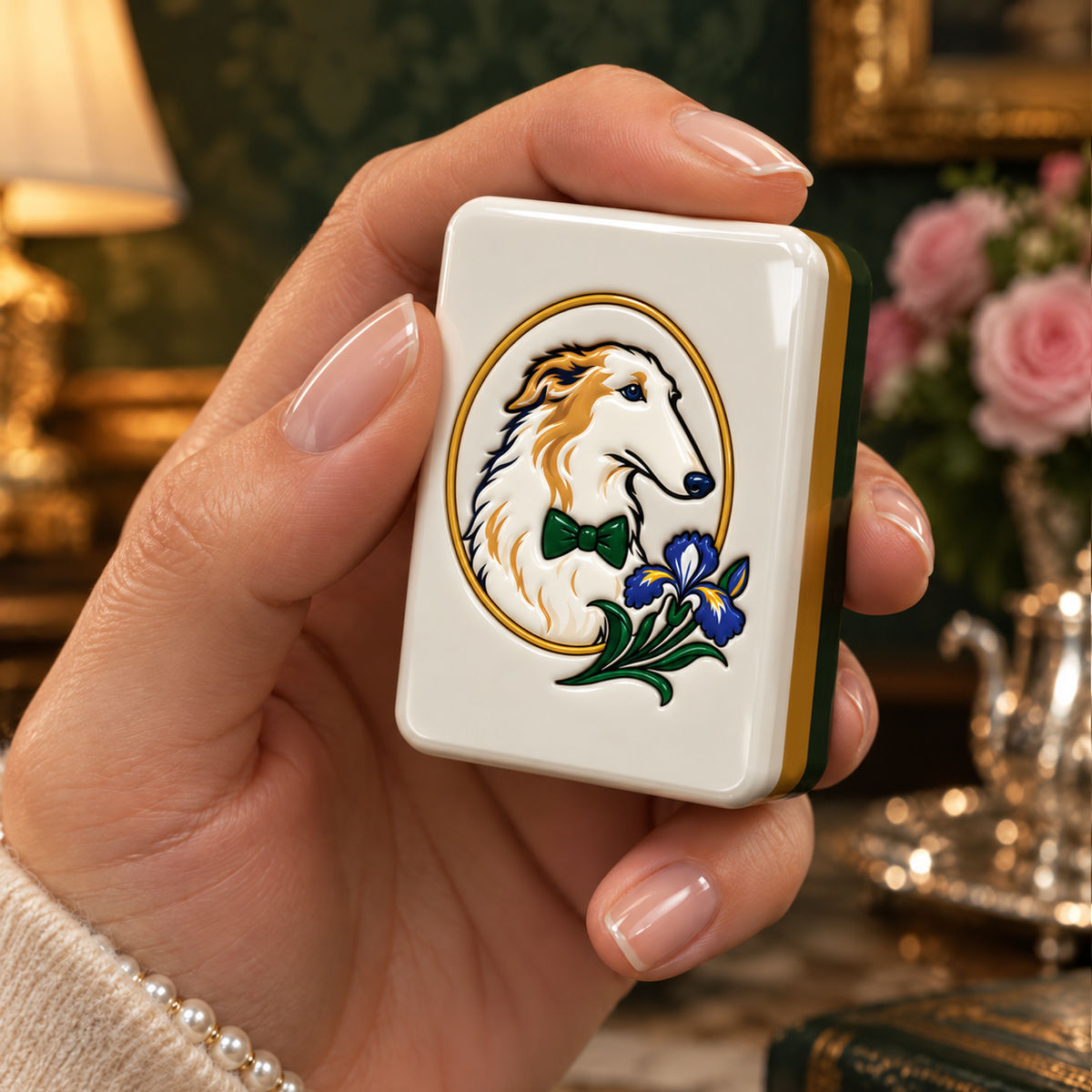
Season tiles are eight individual honor tiles—two complete sets of four numbered 1 through 4, each paired with a distinct symbol (Spring, Summer, Autumn, Winter)—that appear in every 160-tile American mahjong set. They sit alongside winds and dragons as exposed bonus tiles: you may set them aside immediately upon drawing, and each replaces itself with a tile drawn from the dead wall. Unlike jokers, season tiles have fixed values and cannot be used as wild cards. They appear in specific hand patterns on the current year's National Mah Jongg League card, typically in honor hands or "bouquet" combinations. Drawing a season tile is always advantageous—it refreshes your hand without penalty—and mastering when to claim them and which hands require them is essential to competitive American play.
What are season tiles and where do they appear in the set?
Season tiles are four honor tiles numbered 1, 2, 3, and 4, each with a traditional East Asian season symbol. They live in every standard 160-tile American mahjong set alongside 16 winds and 12 dragons. Each season appears twice—once for each player—giving you eight total. Unlike numeral tiles (Bams, Craks, Dots), season tiles have no suit. They're printed or engraved on acrylic or bamboo the same way as flowers and honor tiles; what's in an American mahjong set covers their exact composition.

How do I identify a season tile during play?
Season tiles display a pictograph—plum blossom (Spring/1), peony (Summer/2), chrysanthemum (Autumn/3), and orchid or bamboo (Winter/4)—plus the numeral 1–4. Some sets use English labels; others show only the symbol. Before each game, lay out your best-selling mahjong sets face-up and point to each season so all four players agree on the artwork. If your set tiles are small or worn, poor lighting can cause confusion—one common mistake is misreading a season as a wind or vice versa. Set up on a quality mahjong mat with even lighting, or use a magnifying cloth if needed. Many players keep a reference card or photo on hand during the first few hands of a new set.
What happens when I draw or pick a season tile?
When you draw a season tile from the wall or claim it on your turn, you must immediately expose it in front of your rack (never in your hand). Set it face-up in your discard area or a designated "bonus" zone. Then draw one tile from the dead wall (the 14 remaining tiles at the end of the wall that are normally untouched). This dead-wall draw does not count as a turn; play passes to the next player without interruption. You keep the season tile exposed for the rest of the hand; it does not return to the pool. Because season tiles refresh your hand, drawing one is always favorable—you lose no playable tile and gain a free replacement. Jokers and seasons differ here: how jokers work explains that jokers are wild and can substitute for missing tiles, whereas seasons have fixed values and appear only in specific hands on the card.
Which hands on the card use season tiles?
Season tiles appear on the current year's National Mah Jongg League card in honor-only hands, "bouquet" patterns (combinations of flowers, seasons, and dragons), and some mixed hands. You cannot create a hand without checking the card—American mahjong has no house rules for seasons outside the official card. Seasons cannot be used as chows or sequences; they are always singles, pairs, or exposed sets (pungs or kongs of identical seasons). For example, a hand might require a pair of Season 1, a pung of Season 2, and a pung of Red dragons, all exposed. Never assume a season tile "counts as" a wind or dragon; the card is your only source of truth. The 2026 card (issued in spring) is the only valid reference for that year's game. If you're unsure whether a season fits a hand, ask all four players before claiming the tile.
🀄 Shop best-selling mahjong sets →
What are the most common mistakes with season tiles?
Mistake 1: Leaving a season in your hand. Seasons must be exposed immediately; hiding one is a dead hand. Mistake 2: Confusing season suits or numbers. Always confirm the artwork with your group before play. Mistake 3: Drawing from the wrong wall. After a season appears, draw from the dead wall—not the regular wall—or you'll disrupt the count and ruin the hand. Mistake 4: Using a season as a joker. Seasons have fixed numbers and symbols; they cannot substitute for missing tiles. Mistake 5: Claiming a season you don't need. Just because you can take it doesn't mean it helps your hand. Study the card first; a season might block a better hand shape. Mistake 6: Forgetting that seasons never make chows. A season and two numeral tiles do not form a sequence in American mahjong—no chows exist in this variant at all.

When should I claim a season vs. skip it?
Claiming a season is a strategic choice, not an automatic reflex. If you draw one, you must expose it; you cannot leave it in your hand. But if another player discards a season and the discard pool allows it, you must decide: does claiming it now help your current hand shape on the card? Seasons are high-value bonus tiles—they often appear in honor hands worth points—so claiming one early can lock you into that hand type. If you're building a number-suit hand (Bams, Craks, Dots), a season might seem useless. However, a season draw always refreshes your tiles; skipping a discarded season you could have claimed gives up a free pass. The key is reading the card: look for all hands that use your season before claiming. If two or more hand types use it, claiming it early is strong; if only one hand uses it and you're far from completing that hand, you might wait. Your mahjong racks with pushers give you room to organize tiles by hand type, making it easier to spot season opportunities.
Quick reference: Season tile decision table
Scenario | Action | Why |
You draw a season | Expose immediately in the bonus zone | Required; then draw from dead wall |
Season in discard matches your card hand | Claim it unless you have a stronger hand near completion | Bonus tiles are rare; they boost point value |
You have two season types in your hand zone | Prioritize the hand type requiring the most seasons | Locks you into the highest-value hand path |
Season is a single tile (not pung/kong) on the card | Still claim it if it's part of your hand | Singles count in honor and mixed hands |
Opponent's discard is a season you don't need | You may not claim it; pass to next player | Seasons are optional discards, not forced calls |
How do season tiles affect scoring?
Seasons are honor tiles, so any hand using them is an honor hand or a mixed hand with honor value. Honor hands typically score higher than number-only hands because honor tiles are harder to collect. The exact points depend on your hand structure on the card—having all four seasons exposed in one hand is rare and usually very high-scoring. American mahjong scoring walks through the full point calculation. Because seasons refresh your tiles (you draw from the dead wall), claiming them efficiently speeds your hand completion and gives you more turns to win. Players who skip seasons often fall behind in hand shape because they're working with fewer good draws.
What to check before you buy a new set
Tile size and clarity. Seasons are small; make sure your new set has large, legible artwork so all players can see the symbol clearly under table lighting.
Engraving vs. printing. Engraved season tiles (found on many engraved American mahjong sets) hold their symbol longer than printed tiles and resist fading after years of play.
Color coding. Confirm that seasons are visually distinct from winds and dragons. In some sets, poor contrast makes mistakes likely.
Complete count. Verify that your set includes all eight seasons (two each of 1, 2, 3, 4) before opening. Missing a season ruins honor hands.
Storage. Keep seasons together in a mahjong bag or case so they don't mix with other tiles or get lost between games.
🎁 See our most-loved mahjong sets & accessories →
Key takeaway
Season tiles are non-negotiable in American mahjong. Master the four symbols, expose them immediately upon draw, refresh from the dead wall, and check the card every time. Seasons unlock honor hands and boost your score—ignoring them or mishandling them costs points and credibility at the table. Study this year's card before your next game, lay out your set side-by-side with a reference photo, and ask your group to confirm the artwork once. After one or two games, identifying seasons becomes automatic, and you'll spot hand opportunities other players miss.
✨ Find your Mahstead set — free US shipping →

FAQ
Can a season tile be used as a joker?
No. Seasons have fixed numbers and symbols; they cannot substitute for missing tiles. Jokers are the only wild cards in American mahjong.
What if I draw a season but don't have a hand that uses it?
Expose it in the bonus zone and draw from the dead wall anyway. Your hand shape refreshes; you may now build toward a different hand that does use it.
Do all four season tiles score the same points?
Points depend on the specific hand on the card, not the season number itself. Check your current year's National Mah Jongg League card for the exact hand pattern and point value.
What happens if a season tile is damaged or missing?
The set is incomplete and American mahjong cannot be played fairly. Most best-selling mahjong sets come with spare tiles; check your set documentation or contact the seller for a replacement.
Can I mix season tile artwork from two different sets?
Only if all four players agree beforehand. For competitive or tournament play, always use a single matching set so no confusion arises during play.
If another player discards a season, must I claim it?
No. Claiming discarded tiles is optional in American mahjong. You claim a season only if it helps your hand and the discard rules allow it.
How do I teach a new player to recognize season tiles?
Before the first hand, lay out all four seasons face-up and say the names aloud: Spring 1, Summer 2, Autumn 3, Winter 4. Repeat this step for the first two or three hands until they're confident.


View More
View More
View More
