
History of Vietnamese Mahjong: Origins and Modern Play
Last updated: Nov 23, 2026
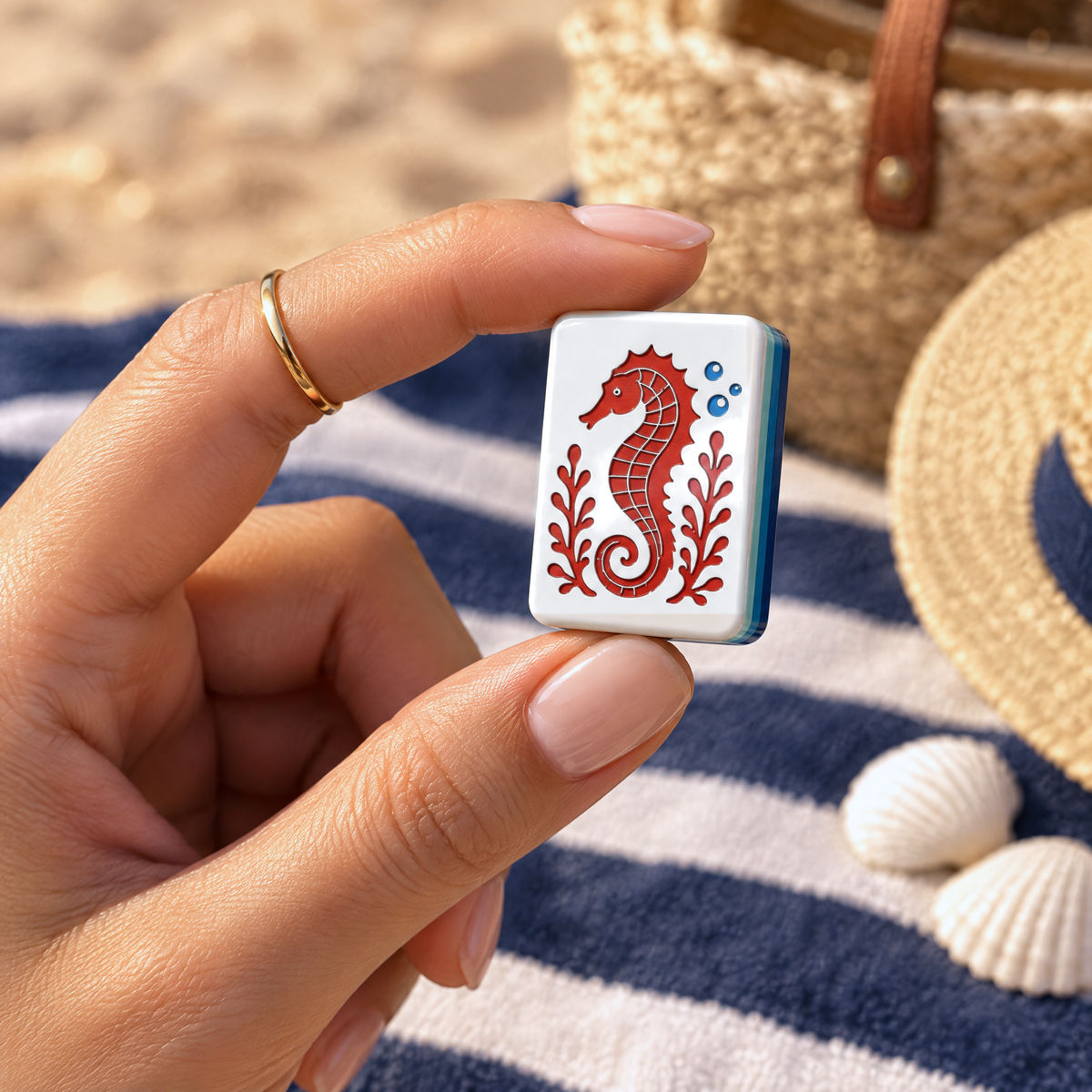
Vietnamese mahjong emerged in the early 20th century when Chinese mahjong spread through French Indochina, adapting to local culture and play styles. The game uses 144 tiles (four complete sets of 36 tiles: Bamboo, Character, Dot suits, plus honors and bonuses), differing from American mahjong's 152-tile structure. Play focuses on concealed melds until winning, with minimal calling—players build hands quietly, drawing and discarding until someone declares a win. Unlike American mahjong's rigid yearly card-based hands, Vietnamese mahjong relies on fluid combinations and tactical tile reading. The variant emphasizes speed and memory; games typically last 30–90 minutes depending on skill level. Today it thrives in Vietnam, Cambodia, and diaspora communities worldwide.
How did Vietnamese mahjong originate from Chinese roots?
Mahjong itself emerged in 19th-century China as an evolution of older card and domino games. When French colonial rule brought Vietnamese and Chinese communities into close contact in Indochina (1887–1954), mahjong became a bridge game—played equally in Hanoi cafes and Saigon merchant quarters. Vietnamese players adapted the Chinese 144-tile ruleset but introduced faster pacing, more aggressive discard strategies, and stricter penalties for rule violations. This localized version eventually became the standard across Vietnam and neighboring countries, creating a distinct Southeast Asian tradition separate from Hong Kong, Taiwanese, and Japanese variants.

What are the core rule differences from American and Chinese mahjong?
Vietnamese mahjong uses 144 tiles (one complete set of four), whereas American mahjong plays 152 tiles with eight jokers per game. Vietnamese melds form silently—no declared pungs or kongs mid-game until a player wins. Calling is forbidden; you announce only when your hand is complete. Scoring prioritizes winning method: self-drawn wins ("hút") score higher than wins from discards. Winning hands follow traditional patterns (pairs + melds of three or four), not the 2026 National Mah Jongg League card system American players use. No jokers fill gaps; tiles must match exactly. Games move quickly because players conceal their strategy, creating an information-asymmetry puzzle. This mirrors Hong Kong mahjong more than American play, which emphasizes shared hand visibility and collaborative tile-passing rituals like the Charleston.
🀄 Shop best-selling mahjong sets →
Why do Vietnamese players emphasize concealment over American transparency?
Vietnamese mahjong inherited the "closed hand" philosophy from classic Chinese play, where bluffing and tile memory form the game's intellectual core. Unlike American mahjong's openly visible melds and enforced hand-from-card structure, Vietnamese players build hands invisibly, making tile discard psychology crucial. Watching an opponent's discard rhythm reveals their strategy—knowing when they draw from the dead wall, which tiles they fear, which they chase. This opacity teaches pattern recognition and reads opponents through subtle signals. American mahjong, by contrast, prioritizes rule precision and hand standardization (one card, one valid hand per player), reducing memory burden but increasing game transparency. For casual players, Vietnamese rules demand sharper focus; for competitive players, they reward deeper psychological study. Both systems are equally valid—they simply optimize different player preferences and cultural values around luck versus skill.
Aspect | Vietnamese Mahjong | American Mahjong | Why It Matters |
Tiles per game | 144 (one set of four) | 152 + 8 jokers | Vietnamese = tighter tile economy; American = more flexibility |
Melds visible? | No (concealed until win) | Yes (exposed pungs/kongs mid-game) | Vietnamese rewards memory; American rewards transparency |
Hand source | Player-built combinations | Annual League card (2026 edition) | Vietnamese = infinite hand variety; American = standardized, repeated hands |
Joker role | None exist | Fill gaps in exposed melds | American = strategic wildcard; Vietnamese = no wildcards, exact tile match only |
Calling allowed? | No (win declared when complete) | Yes (call tiles from discard) | Vietnamese = silence, focus; American = vocal, collaborative |
Winning method bonus | Self-drawn higher score than discard | Minor point swing only | Vietnamese = drawing from wall earns prestige |
Typical game length | 30–90 minutes | 45–120 minutes | Vietnamese faster due to simpler scoring |

Where and when do people play Vietnamese mahjong today?
Vietnamese mahjong remains the daily standard in Vietnam, Cambodia, and Laotian diaspora homes across North America, Europe, and Australia. In major US cities with Vietnamese populations—Houston, Los Angeles, Orange County, Northern California, Washington DC, Minneapolis—you'll find informal games in community centers, Vietnamese Buddhist temples, and private homes. Online platforms also host Vietnamese mahjong tournaments and casual play, particularly among younger diaspora players. Regular tournaments occur annually in Vietnam and occasionally in overseas Vietnamese communities. Unlike American mahjong's association with Jewish and senior social clubs, Vietnamese mahjong weaves into family life and intergenerational bonding—grandparents teaching grandchildren the tile-reading skills that connect them to homeland traditions. During Lunar New Year celebrations, Vietnamese mahjong games intensify socially and competitively. The game remains largely invisible to mainstream American mahjong circles, creating a parallel universe of players who rarely cross into American League card play, though some dedicated players master both systems.
🎁 See our most-loved mahjong sets & accessories →
How do you learn Vietnamese mahjong if you know American rules?
American players switching to Vietnamese mahjong must unlearn three habits: forgetting the League card, accepting invisible melds, and trusting pure tile memory. Start by learning the 144-tile composition (Bamboo, Character, Dot—nine of each; honors and flowers). Study basic winning patterns in a tutorial alongside a patient Vietnamese player (family members, meetup groups, or community centers often host teaching games). Practice discard strategy separately: which tiles stay safe, which invite danger, what drawing patterns telegraph an opponent's hand. Many bilingual guides exist online; search "Mah-Jongg Việt" or "Mahjông Việt Nam học chơi" for video tutorials. The transition typically takes three to five games for basic competence, several months to competitive play. Your American mahjong tile knowledge transfers directly—the tile types, suit names, honor roles stay identical. Only the ruleset, calling logic, and scoring system require retraining. Some hybrid players deliberately play both variants in weekly rotation, using quality tile sets from Mahstead's collection for both American League play and casual Vietnamese games.
✨ Find your Mahstead set — free US shipping →
What should you check before buying a set for Vietnamese mahjong play?
If you're buying specifically for Vietnamese mahjong, verify the set includes exactly 144 tiles (four complete suits), not the American standard 152. Check tile size and weight—Vietnamese players often prefer slightly heavier tiles (bone or bamboo face-painted resin). Ensure characters are legible: traditional Chinese script reads more naturally for Vietnamese players than simplified modern fonts. Inspect edges: sharp edges catch during rapid play; smooth, rounded edges suit the faster, more aggressive discard rhythm. Look for tiles with strong pip contrast (Dots clearly distinguished from Bams, Characters from both). Verify the set includes 16 wind tiles (four each: North, East, South, West) and eight flower/season tiles—essential for Vietnamese hand completion. Avoid sets marketed as "American only" unless you specifically want American play; many quality sets work beautifully for both systems. For tournament or serious casual play, splurge on tiles with substantial heft and carved detail rather than printed decals—they signal respect for the game's cultural significance. Test tile shuffle feel if possible before committing; Vietnamese play demands rapid, smooth shuffling, so loose-fitting tiles frustrate fast players.

FAQ
Is Vietnamese mahjong the same as Hong Kong mahjong?
Both use 144 tiles and concealed play, but Vietnamese mahjong developed its own scoring system, hand patterns, and winning categories. Vietnamese rules emphasize speed and memory more aggressively than Hong Kong variants, which include more strategic nuance around specific tile combinations. They're cousins, not twins.
Can I play Vietnamese mahjong with an American mahjong set?
No—American sets contain 152 tiles plus eight jokers, while Vietnamese mahjong requires exactly 144. You'd have 16 extra tiles creating confusion. Buy a proper 144-tile set for Vietnamese play or use two complete American sets mixed together (requiring removal of eight tiles total).
How long does a game of Vietnamese mahjong take?
Casual games average 40–60 minutes; competitive or learning games may stretch to 90 minutes. American mahjong typically runs 60–120 minutes due to hand-lookup time on the annual card. Vietnamese speed comes from simpler, quicker scoring.
Do Vietnamese players use jokers?
No—Vietnamese mahjong has no joker tiles. Every meld requires exact tile matches. This stricter constraint makes hand-building more challenging and makes tile memory more valuable than American play's joker-enabled flexibility.
Where can I find a Vietnamese mahjong group near me?
Search online for Vietnamese community centers, Buddhist temples, or cultural associations in your city. Check local meetup boards and social media groups for Vietnamese diaspora communities. Ask established mahjong friends; word-of-mouth remains the strongest route to finding regular games.
Can I learn both American and Vietnamese mahjong?
Yes, many bilingual players switch between systems weekly. Tile knowledge transfers directly; only rulesets and calling logic differ. Expect three to five games for basic Vietnamese competence if you already understand American mahjong.


View More
View More
View More
