
Where to Play Mahjong in Raleigh: Local Games & Groups
Last updated: Nov 23, 2026
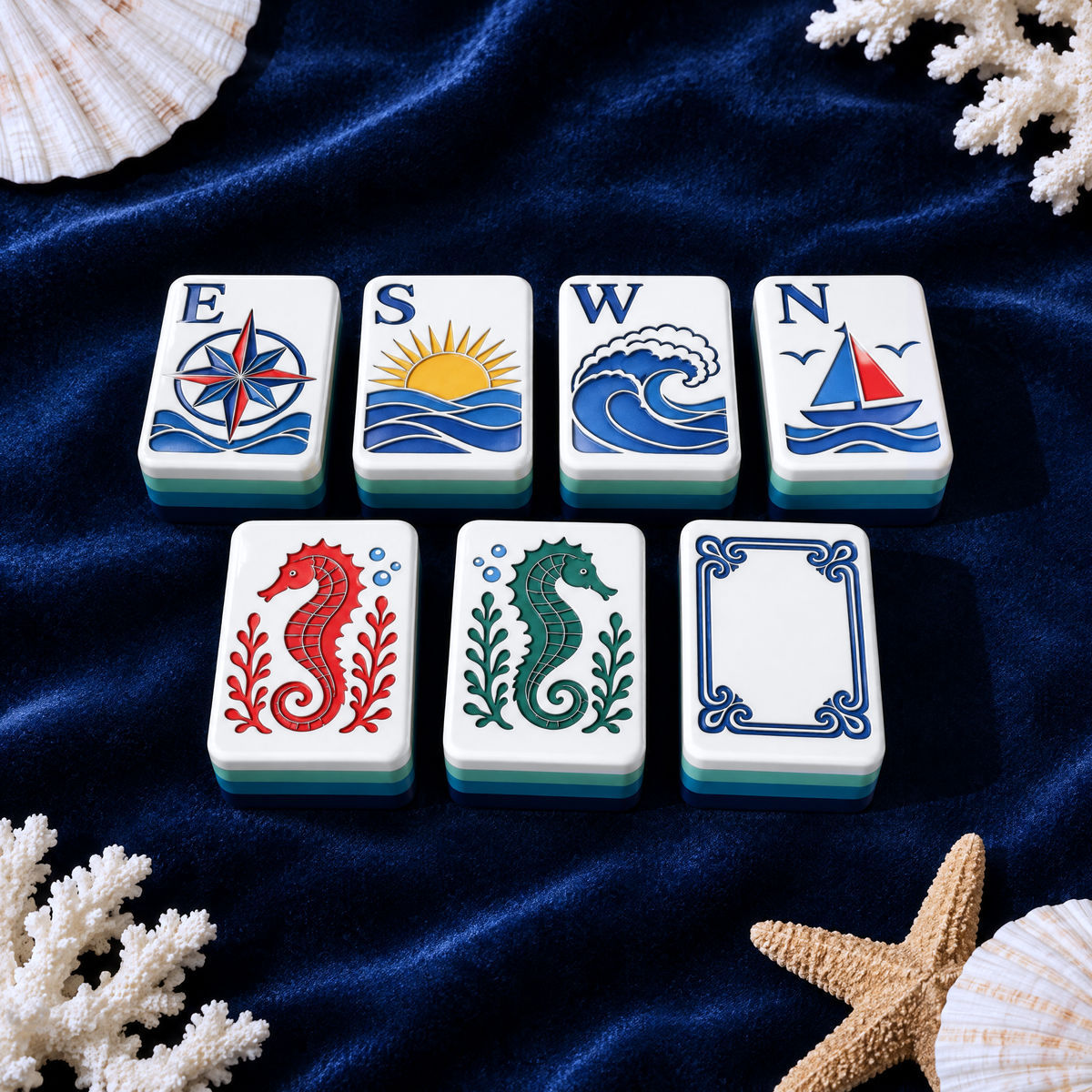
Mahjong in Raleigh lives in three main spaces: community centers (check the Parks & Recreation department website for drop-in or league play), public libraries (call ahead to ask about hobby groups or bulletin boards), and country clubs or synagogue social groups (often advertise on Meetup or Facebook). Weekly games typically run Tuesday–Sunday evenings, 6 p.m.–10 p.m., with stakes ranging from casual-play-for-fun to nickel-and-dime betting. Most groups follow American mahjong rules using the current National Mah Jongg League card. Beginners are welcome; many groups have a teaching table. Start by visiting the library's community events board, posting on local Meetup or Facebook groups for "Raleigh mahjong," or asking at a community center's front desk. You'll need a 160-tile set with racks and a mat for serious play—our best-selling designs work for both home and travel tables.
What Raleigh mahjong spaces actually have running right now?
Raleigh's Parks & Recreation department runs seasonal classes and drop-in nights at three to four city recreation centers; call the main office to confirm current schedules and fees. Libraries often host hobbyist groups on weeknight evenings—ask the reference desk or check their online events calendar. Private clubs (country clubs, synagogues, civic associations) usually advertise through internal newsletters or Facebook; membership isn't always required to join a guest night. A few shops in the Research Triangle area stock sets and may post game notices. No single "mahjong club" dominates, so joining means reaching out to multiple venues and asking directly: "Do you host mahjong? What night and skill level?"

How do I find out about a game before I show up?
Call or visit the community center directly and ask for the activities coordinator—they'll tell you which nights have mahjong, whether you need to register, and what the cost is. Check the Parks & Recreation website's online activity guide (usually updated monthly). Post on Meetup, Facebook groups (search "Raleigh mahjong" or "Triangle mahjong"), or local Reddit: someone usually responds within hours with the time and address. Libraries often maintain a printed activities bulletin board in the lobby and online calendar. Ask if the group has a group email or text chain—once you attend once, you'll likely be added to future notifications. Never assume a game is still happening; always confirm within 24 hours.
What's the difference between casual drop-in games and membership groups?
Drop-in games (usually at community centers or libraries) charge a small hourly or nightly fee, have open seating, and welcome newcomers. No signup beyond checking in at the desk. Membership or league groups meet weekly at the same time and place, often track scoring and payouts, and may require you to join an organization (like a synagogue or club). Casual games tend to move slower and include more teaching; league games expect everyone to know the current card and rules. Most Raleigh players do both—they attend drop-in nights early in the week to practice and meet people, then join a steady league table later. If you're new, start with drop-in.
What do I need to bring to a game in Raleigh?
Most venues provide a set, rack, and mat, so you can walk in with nothing but yourself. If you prefer your own gear (because you like the feel or your group plays with a specific mat), bring an engraved set, a padded mat, and racks with pushers—all fit in a compact travel case. Bring a notebook for scoring (many groups keep written records), your phone to check the current National Mah Jongg League card online, and small bills if cash games are played. Wear comfortable clothes and don't plan to eat heavily beforehand (most games are 3–4 hours). If you're joining a bet-play table, confirm the stakes in advance and bring only what you're comfortable losing.

What rules do Raleigh players follow, and where can I learn them fast?
Nearly all Raleigh groups follow American mahjong: 152 tiles, the current year's NMJL card, the Charleston tile-passing ritual, and no calling chows (only pungs, kongs, quints, and sextets). A few players or one-off groups may offer Chinese or Hong Kong mahjong nights; ask ahead. If you've never played, spend 30 minutes reading how American mahjong works, then watch how the Charleston flows. Attend your first game confident that the experienced players will guide you through the card and hand-reading. Bring a copy of the current NMJL card (free, printable online) or have it open on your phone. Most groups welcome one or two questions per hand—don't feel shy.
How fast can I go from beginner to playing in a regular game?
Most players need three to five sessions to feel comfortable reading the card and keeping up with the pace. After two weeks (four–six games), you'll know the common hands and flow. By month two, you're competitive. Speed isn't everything; accuracy and table etiquette matter more. Raleigh tables are patient with learners, especially if you've watched a video or read a guide beforehand. Bring your best-selling mahjong set home after your first game, practice the card at home, and you'll be ready to win in no time.
Comparison: Finding Your First Game in Raleigh
Venue Type | Pros | Cons | Best for |
Community Center Drop-In | Affordable, welcoming, low pressure | Inconsistent schedule, crowded | Beginners, casual players |
Library Group | Free or low-cost, daytime options | Irregular meetings | Retirees, learners |
Country Club / Synagogue | Steady weekly table, experienced players | Membership or guest fee, need invite | Serious players, league |
Facebook / Meetup Group | Flexible, advertise new games | Variable quality, meet at random venues | People with scheduling flexibility |
🀄 Shop best-selling mahjong sets →
What to check before you show up to your first game
Confirm the date and time by text or phone within 24 hours—games are sometimes cancelled or moved.
Ask about the skill level—will there be other beginners?
Know the stakes—casual (no money), friendly (nickels/dimes), or serious (dollars). Never attend a money game you can't afford.
Bring a set if you own one—check that your case closes securely and racks fit in the bag.
Read the current NMJL card online before you go; have it on your phone.
Wear layers—some venues run cold from air conditioning.
Eat beforehand—games run 3–5 hours.
🎁 See our most-loved mahjong sets & accessories →
Getting serious: what equipment helps you transition from beginner to regular?
Once you've played three or four times and know you want to keep going, a personal set makes sense. A 160-tile acrylic set with a mat and racks fits most car trunks and travel easily to different venues. Most Raleigh players rotate between two or three tables and appreciate having their own gear. Look for a mat that folds or rolls (easier than a rigid board for car travel) and a case with interior pockets so dice and pushers don't rattle. After a month of regular play, you'll know the tiles by feel and weight—your own set becomes part of how you read the game faster. Also grab a small notebook specifically for scoring—most Raleigh groups keep written records for league standings, and players respect good record-keepers.
✨ Find your Mahstead set — free US shipping →
Raleigh entry checklist
[ ] Check Parks & Recreation website for current classes/drop-in schedules
[ ] Call one library and one community center; ask about mahjong groups
[ ] Post on Meetup or local Facebook: "Looking for mahjong in Raleigh—where do you play?"
[ ] Download and print the current NMJL card (or bookmark online version)
[ ] Watch a 10-minute video on American mahjong rules and the Charleston
[ ] Call the venue 24 hours before your first session to confirm
[ ] If serious after three games, look at a portable set and mat for your car

FAQ
Do I need my own mahjong set to play in Raleigh?
No. Most community centers and libraries provide a set, mat, and racks for drop-in games. Bring your own only if you prefer the feel or want to practice at home first. Many Raleigh players play at a community center for two months before buying their own gear.
What's the cost of joining a game?
Community center drop-in nights typically charge a flat hourly or nightly fee; ask the staff. Libraries are often free. Private club nights may have a membership fee or guest fee. Money games stake vary—ask before you show up.
Can I play if I don't know the rules yet?
Absolutely. Raleigh tables welcome beginners. Watch how to play American mahjong online first (20 minutes), bring your phone with the current NMJL card, and tell the table you're new. One or two rules questions per hand are normal.
What if I can't find a game running right now?
Post on Meetup, Facebook groups, or a local subreddit asking "Anyone know where mahjong plays in Raleigh?" You'll usually get a response within 24 hours. Also ask at the library reference desk—staff often know who calls asking about hobby space.
How long does a typical game take?
American mahjong sessions run 3–4 hours for casual play, sometimes 2–3 hours for fast drop-in tables. Plan on staying at least two rounds (one hour) to settle in. Most games wrap by 9 or 10 p.m.
Should I buy a set before I play my first game?
No. Play three or four times first to confirm you love the game. Then, if you're rotating between venues or hosting at home, a portable 160-tile set with a mat pays for itself in convenience and shows the table you're serious.


View More
View More
View More
