
Throwing in Mahjong: Discard Rule Explained
Last updated: Nov 23, 2026
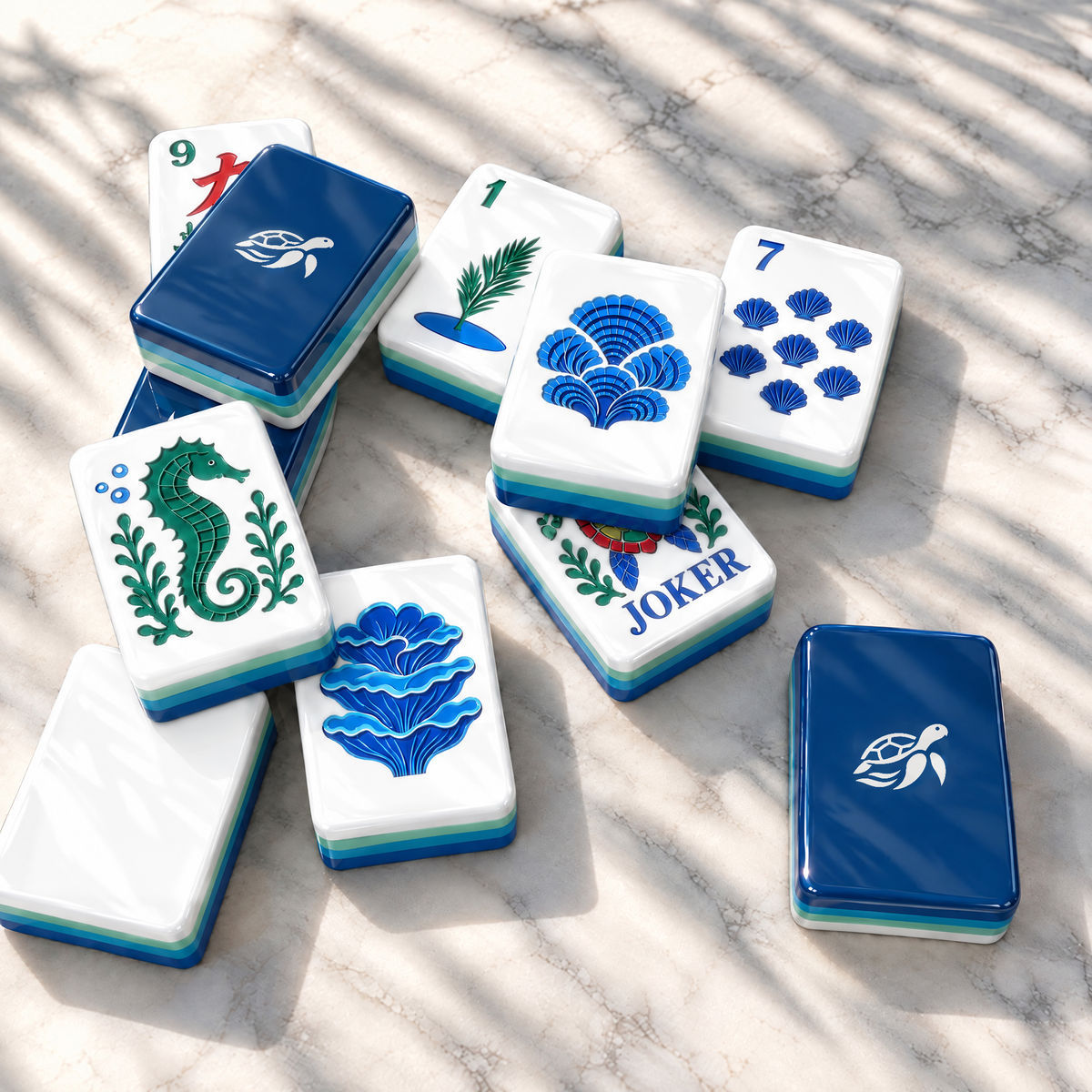
Throwing (or discarding) in American mahjong means placing one unwanted tile face-up on the table after drawing during your turn, reducing your hand from 14 back to 13 tiles. You throw one tile every turn unless you are calling mahjong (going out). The only tile you can never throw is one you just drew—you must use your full turn cycle. Your throw is what other players wait for: any discard can be called by another player to form an exposed pung (three identical), kong (four identical), quint (five identical), or sextet (six identical), or on rare plays, a joker tile. Never throw a tile already exposed on the board in another player's hand; verify the board before each discard. Throwing strategy is where skill lives: experienced players read which tiles other players need based on their exposed groups and play accordingly.
When you draw a tile during your turn, you must end that turn by throwing exactly one tile face-up into the center of the table, reducing your hand back to 13. This tile becomes immediately available for any player to claim for their own hand. The tile you just drew cannot be thrown the moment you receive it—you must use your full turn (draw, arrange, announce any exposure if needed, and then throw). Most new players trip here: they draw and immediately throw without thinking. Pause, look at the board, study what your opponents are building, and choose your discard carefully.
What tiles are legal to throw?
You can throw almost any tile—Bam, Crak, Dot, wind, dragon, flower, or joker—except tiles already used up on the board. Before you throw, scan all exposed groups at the table. If another player has already exposed three 5 Craks, you cannot throw your 5 Crak (it would create two identical identical tiles, which is illegal under American rules). Check the National Mah Jongg League hand card for the current year to see which hands are playable; if a hand requires four 5 Craks and three are already exposed, that hand is dead for everyone. Jokers have special rules: you can throw a joker just like any other tile, but no player can claim a joker to substitute for a missing tile in an exposed group—jokers belong only to the player who plays them as part of a completed hand.

Can you throw any tile face-down?
No. Every tile you throw must land face-up and visible to all players. If you throw face-down or cover it, that is a misdeal and play must restart. Placing your discard face-up is not optional—it is the rule. Face-up tiles stay on the board in a discard pile (usually arranged in a grid or line depending on house rules) so everyone can track which tiles have left play. If your throw is questioned as to which tile it was, any player can ask for clarification, and the discard pile is law. Some players use a small space or rack to keep discards organized; others pile them loosely. Mahjong mats often feature a designated discard area to reduce confusion and keep the game flowing.
🀄 Shop best-selling mahjong sets →
What happens when you throw a tile other players want?
The moment your tile lands, any other player can call it—but only for a legal exposure. If you throw a 3 Dot and the player to your left has two 3 Dots in hand, they can call "pung" and claim your tile to make three 3 Dots, then immediately expose that group face-up in front of them. If the player across from you needs a 3 Dot to complete a different exposure, they cannot interrupt; only the next player in turn order (going counter-clockwise in American mahjong) can claim a discard. If no one calls your discard within a moment or two, play passes to the next player, who then draws from the wall and throws their own tile. A called tile breaks the turn order—the player who claims it becomes the active player, makes the exposure, then throws a replacement tile.
Why can't you throw a tile you just drew?
This is a cornerstone rule. When you draw from the wall, that tile is "new to your hand" and you cannot throw it immediately back. The rule exists to prevent accidental misdeals and to ensure each player has time to study their hand and make a deliberate choice. You must add the drawn tile to your hand, review your 14 tiles, consider your strategy, and only then select a tile to throw. If you draw a tile you do not need, you still must hold it until your next turn before you can throw it. Some casual games bend this rule, but in any serious game or tournament play, drawing and immediate throwing is a violation.

How do you choose what to throw strategically?
Throwing strategy separates casual players from competitors. Your discard should consider:
Safety: Throw tiles that are unlikely to be called. If no one has exposed Craks yet, Craks may be safer than winds or dragons that multiple players are chasing.
Board reading: If one player has exposed three pung groups already, they are likely hunting a specific tile for their final exposure. Avoid throwing tiles that fit their pattern.
Elimination: Throw tiles you are certain you do not need for your own hand. If you are building a hand that needs only Bams and dragons, begin discarding Craks and Dots early.
Sequence: Throw "dangerous" tiles (those that fit many hands on the card) only when you have few alternatives. Save "cold" tiles (those in few hands) for when you are in trouble.
The discard pile tells the story of the game. By turn six or seven, experienced players have already read what each opponent is building based on what they threw away.
Decision | Reason | Example |
Throw a flower early | Flowers are one-off tiles; cannot be part of a sequence | Throw any flower during turns 1–3 |
Hold winds/dragons longer | These fit many hands and many exposures | Discard East wind only if you are certain no one is calling it |
Throw dead tiles after first call | Once one player exposes a pung, tiles in that pung may be safer to throw | Player called 5 Bam pung; now throw your second 5 Bam if needed |
Watch the discard row | If two 7 Craks are already discarded, the third 7 Crak is very cold | Throw 7 Crak without fear after two copies are gone |
🎁 See our most-loved mahjong sets & accessories →
What happens if you throw a tile that is already exposed?
This is a major foul. If three 5 Dots are already face-up in another player's pung and you throw your 5 Dot, you have broken the rule because American mahjong is built on the fact that each tile appears exactly four times, and all four copies must be accounted for. When a player calls your discard for an exposure, they are removing that tile from the pool, and only three copies remain available. You cannot throw the fourth copy while it is still in play elsewhere. Before every throw, look at every exposure on the board. Most tables do this instinctively after a few hands; new players should make it a habit. If you make this mistake, play stops, the hand is declared void, and the game resets—a costly lesson.
How does throwing fit into the larger turn sequence?
Your turn consists of four steps: (1) draw one tile from the wall, (2) arrange it in your hand and study your tiles, (3) announce any exposure if required (e.g., if you drew a joker or if you are playing a specific hand that demands you expose immediately), and (4) throw one tile face-up. Only after your throw is complete does the next player's turn begin—or, if someone calls your discard, that player's turn interrupts the sequence. For a complete understanding of how your turn fits into the rhythm of the game, review the full how-to-play guide.
Common throwing mistakes and how to avoid them
Throwing face-down: Always place discards face-up where all players see them instantly. A hidden throw creates ambiguity and delays the game.
Throwing immediately after drawing: Pause. Breathe. Look at the board. You have time.
Throwing a tile already in play: Check the board before every throw. If unsure, ask aloud: "Is anyone playing this tile?" A moment of clarification prevents a voided hand.
Throwing out of turn: Only the active player (the one who just drew) can throw. If someone else throws, it is a misdeal.
Throwing a tile and then changing your mind: Once your tile leaves your hand and lands on the table, the throw is final. You cannot take it back.
What to check before you buy a set for regular play
If you host weekly games and want to reduce rule disputes, invest in a set with clear, large, easy-to-read tile faces and a dedicated mat with a discard area. Poorly engraved tiles or tiny markings slow down your ability to scan the board quickly and verify that you are not throwing a tile already exposed. Our best-selling sets are acrylic with bold characters designed for mid-table legibility. A mat keeps your discard pile organized and prevents tiles from rolling or being accidentally mixed with your hand. Organize your discards in a deliberate row or grid so that by mid-game, the entire table can instantly see which tiles have been played.
✨ Find your Mahstead set — free US shipping →

FAQ
Can I throw a tile on the same turn I draw it?
No. You must hold every drawn tile for at least one full turn. Add it to your hand, study your 14 tiles, make a strategic choice, and only then throw a different tile. This rule prevents accidental misdeals and ensures fair play.
What happens if I throw a tile that another player has already exposed?
That is a foul. American mahjong requires all four copies of each tile to stay accounted for until they are called. Throwing a fourth copy creates an impossible game state, the hand is voided, and play resets.
Do I have to throw immediately after I draw?
No. You may take time to study your hand, review the board, read the discard pile, and plan your throw. Most players take 10–30 seconds per turn to think. Rushing leads to mistakes.
Can I throw a joker?
Yes, you can throw a joker like any other tile. However, no other player can claim a joker from a discard pile to use as a substitute in their own exposure—jokers belong only to the player who uses them to complete a hand.
What if I accidentally throw face-down?
That is a misdeal. If your tile lands hidden or covered, play stops, the throw is voided, the hand is declared dead, and the game resets. Always place discards face-up and visible to all.
How do I know which tile is safe to throw?
Read the board: check which tiles are already exposed, see which hands are still possible on the card, and track the discard pile to learn what your opponents are playing. Throw tiles that fit few hands and that no one has signaled they need. Learn more about reading the mahjong card.
Can the player to my left claim my discard before the other players?
In American mahjong, any player can claim a discard, but turn order is strictly counter-clockwise. If no one calls your discard within a moment, play moves to the next player. The player to your left does not have priority over others.


View More
View More
View More
