
Urea Mahjong Tiles: What to Know Before You Buy
Last updated: Nov 23, 2026
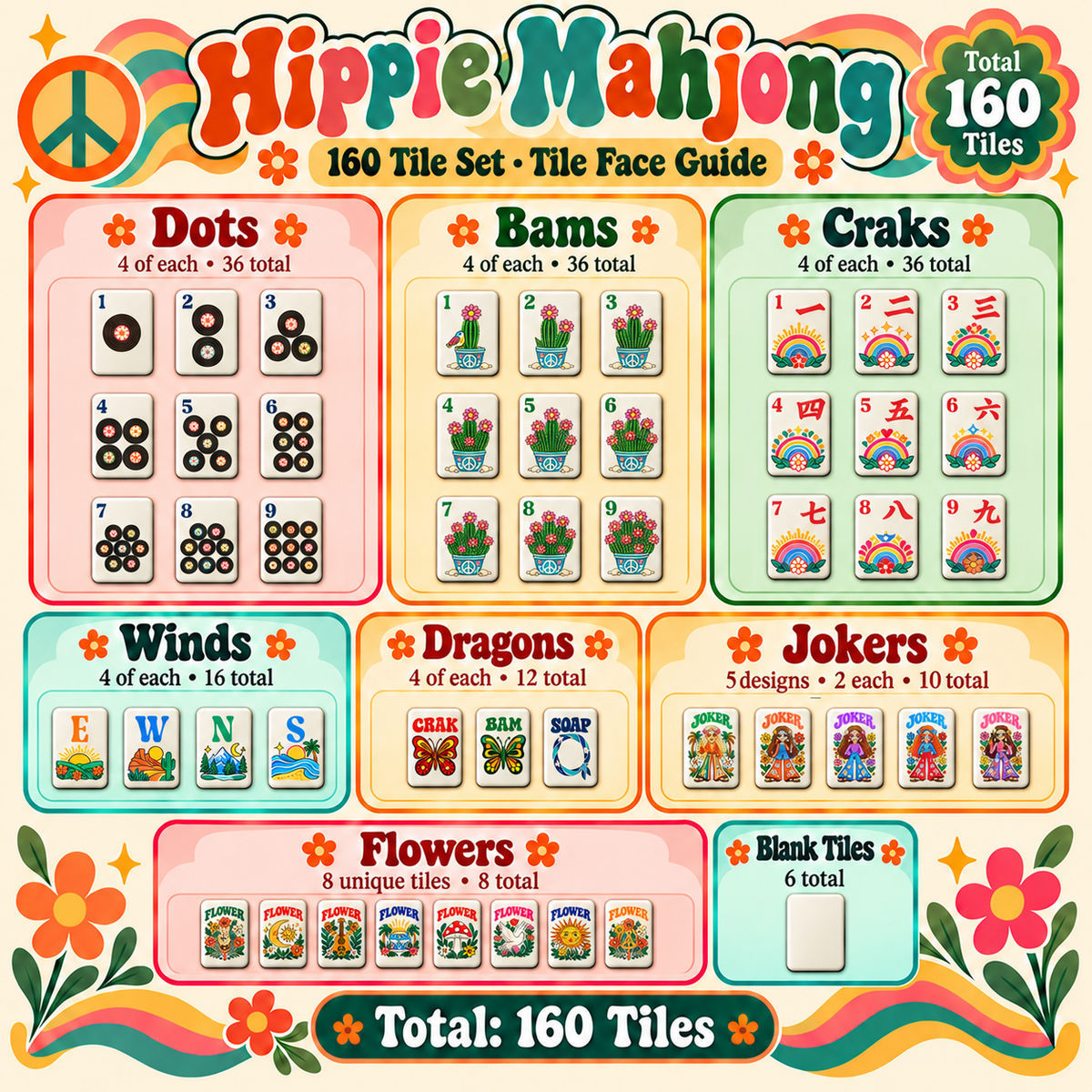
Urea resin tiles are molded synthetic tiles—affordable, lightweight, and engineered for consistent weight and durability. Most modern American mahjong sets sold in the US use acrylic or urea construction; both are food-safe and machine-washable. Urea tiles typically feel slightly warmer and softer to the touch than acrylic, with a lower "clack" sound when stacked. Our best-selling mahjong sets include acrylic options; the choice between materials depends on whether you prioritize authentic bamboo-like grip, portability, or ease of cleaning. Urea sets generally cost less than hand-carved alternatives but more than bare acrylic. Check tile thickness (3–4 mm is standard), joker count (8 per 152-tile deck), and whether engravings are laser-etched or printed before buying, since repair is difficult after purchase.
Most American mahjong players never think about tile composition until they're ready to buy their first set—or replace one after a decade of weekly games. Urea resin is one of three mainstream materials: acrylic, urea, and occasionally bamboo or bone for collectors. Understanding the differences saves money and frustration.
What exactly are urea tiles, and how are they made?
Urea tiles are molded from urea formaldehyde resin, a plastic compound mixed with pigment and pressed into shape under heat and pressure. Unlike acrylic tiles (which are cast and cooled), urea is compression-molded in industrial presses, allowing for thinner walls and tighter tolerances. The process creates uniform thickness and balanced weight across all 160 tiles in a set. Engravings—character symbols, suit marks, wind labels—are either laser-etched into the tile surface or printed and sealed. Urea's main advantage is consistent feel and sound; tiles glide smoothly on mats and stack without the brittleness sometimes seen in low-grade acrylic. Our engraved American mahjong sets use precision molding to ensure every tile meets playable standards before it ships.
🀄 Shop best-selling mahjong sets →

How do urea tiles compare to acrylic?
Aspect | Urea Resin | Acrylic | Best for |
Feel | Warm, soft grip | Cool, slick grip | Warm-handed players prefer urea |
Sound | Lower "clack," quieter stacks | Crisp "click," louder play | Quiet home games → urea |
Weight | Lightweight (easy travel) | Heavier (more substantial) | Traveling players → urea |
Durability | Scratch-resistant, UV-stable | Scratches with time; fades in sun | Long-term indoor use → either |
Cleaning | Warm water + mild soap safe | Warm water + mild soap safe | Both are washable |
Cost basis | Mid-range entry price | Varies widely; can be cheaper or dearer | Budget buyers → check per-set price |
Engravings | Laser or printed; easy to read | Laser or printed | Both readable with proper lighting |
Neither material is "better"—it depends on playstyle. Urea excels if you travel weekly between homes or need a softer touch. Acrylic works if you want the weight and precision of a heavier tile or prefer a sharper game sound.
What should I look for on a urea tile before purchase?
Inspect three areas: tile thickness (3–4 mm is standard for American sets; anything thinner risks flexing during shuffling), engraving depth and clarity (laser-etched marks should not fade after one year of weekly play), and batch consistency (tiles from the same set should feel identical; if some are soft and others rigid, ask the seller). Check also for joker count—a 160-tile American set includes exactly 8 jokers as spares; if fewer are shown, you're missing tiles before delivery. Look at product photos under good lighting to see how character marks render; printed engravings sometimes blur on urea if the printer isn't calibrated correctly. Verify that the set includes the full range: three suits (Bams, Craks, Dots) numbered 1–9, winds (North, East, West, South), dragons (Red, Green, White), and flowers. Finally, confirm shipping and return policy—once tiles are out of the box, most vendors won't accept exchanges for feel or sound preferences.
🎁 See our most-loved mahjong sets & accessories →

Who is urea best for: travelers, beginners, or serious players?
Travelers benefit most from urea's lightweight, compact profile. If you host games at two homes or carry your set in a car weekly, urea's 20–30% lighter weight than acrylic tiles matters over time. A full American set in a padded travel bag or case is easier to lift in and out of vehicles.
Beginners often prefer urea because the lower sound level feels less intimidating during a first game. Acrylic's loud "click" can feel jarring if you're learning tile recognition and the Charleston shuffle.
Serious weekly players divide: some love urea's tactile warmth and quiet aesthetic; others insist on acrylic for the crisp, authentic feel. Neither choice affects scoring or hand validity. The National Mah Jongg League card (issued each spring) plays the same regardless of tile material.
Pet owners and households with noise concerns choose urea for its muffled stack sound, especially in apartments or late-night games.
What mistakes do buyers make with urea tiles?
Mistake 1: Assuming all urea sets are the same. Compression-molding quality varies. Cheap urea tiles may feel soft or flex under weight; mid-range urea from established sellers holds weight and maintains grip. Ask the seller whether tiles are tested for flatness before shipping.
Mistake 2: Ordering without checking joker count in photos. If the product listing shows only 152 tiles (the playable deck) without spare jokers or blanks clearly labeled, ask whether extras ship separately. American play always uses 152 tiles + 8 jokers; if your set arrives with fewer, you cannot complete a legal hand.
Mistake 3: Not inspecting engraving durability. Printed engravings on urea can fade after two years of heavy weekly play, especially if tiles are washed frequently. Laser-etched marks are permanent; printed marks may require refresh. Confirm the engraving method before buying.
Mistake 4: Ignoring mat compatibility. Urea tiles glide very smoothly on some mats (especially felt or speed cloth) but can stick on others. If you already own a mahjong mat, ask the seller whether urea tiles have been tested on similar surface textures.
Mistake 5: Buying based on price alone. The cheapest urea set online may cut corners on thickness, weight distribution, or joker inclusion. Compare per-tile cost only after confirming the set includes all 160 pieces (152 playing tiles + 8 spares).
✨ Find your Mahstead set — free US shipping →
What to check before you buy
Use this checklist before ordering any urea mahjong set:
Tile count verified: 152 playing tiles + 8 jokers (160 total) clearly stated in product description.
Thickness spec: 3–4 mm noted; confirms resistance to flexing during shuffling.
Engraving method: Laser-etched or printed; laser is more durable for long-term play.
Material sourcing: Seller confirms food-safe, non-toxic urea formaldehyde (safe for US homes).
Spare tiles included: Extra jokers or blank tiles listed; you should have backups.
Mat test: Seller has tested tiles on felt, speed cloth, or your mat type; glide is smooth, not sticky.
Return window: Clear policy if tiles arrive defective or feel wrong after arrival.
Free shipping: Confirm whether shipping is included in the price you see.
American mahjong is a 4-player game played with a current-year National Mah Jongg League card. Material choice doesn't affect legality—only hand composition does. Urea tiles are a practical, affordable entry point for new players and an excellent choice for anyone moving sets between homes. Compare the feel and sound in person if possible; visit a local mahjong club or game night to handle both urea and acrylic before committing. See our best-selling mahjong sets for options tested in weekly home games, with free US shipping and detailed material specs on every product page.

FAQ
Can urea tiles go in the dishwasher?
No. Hand-wash in warm water with mild dish soap, then air-dry or wipe with a soft cloth. Dishwasher heat can warp urea resin and fade engravings permanently.
Do urea tiles sound different than acrylic or bamboo?
Yes. Urea produces a lower, softer "click" than acrylic; bamboo or bone creates a warmer, muffled clack. Sound preference is personal and doesn't affect gameplay or scoring.
Are urea tiles safe for children?
Yes, urea formaldehyde used in modern mahjong tiles is food-safe and non-toxic per US standards. However, small tiles are choking hazards for children under 8; adult supervision is required.
How long do urea tiles last with weekly play?
10+ years if stored dry and away from direct sunlight. Printed engravings may fade slightly after 5–8 years of heavy play; laser-etched marks persist indefinitely. Tiles do not "wear out"—they only scratch or crack if dropped on hard surfaces.
What's the weight difference between urea and acrylic tiles?
Urea sets weigh roughly 20–30% less than equivalent acrylic sets, making travel easier. A full 160-tile set in a travel bag is noticeably lighter with urea.
Can I mix urea and acrylic tiles from different sets?
Not recommended. Weight and thickness may differ slightly between manufacturers and materials, affecting fairness during shuffling and hand play. Use a complete matched set from one maker.


View More
View More
View More
