
Where to Play Mahjong in Frisco: Finding Games & Getting Started
Last updated: Nov 23, 2026
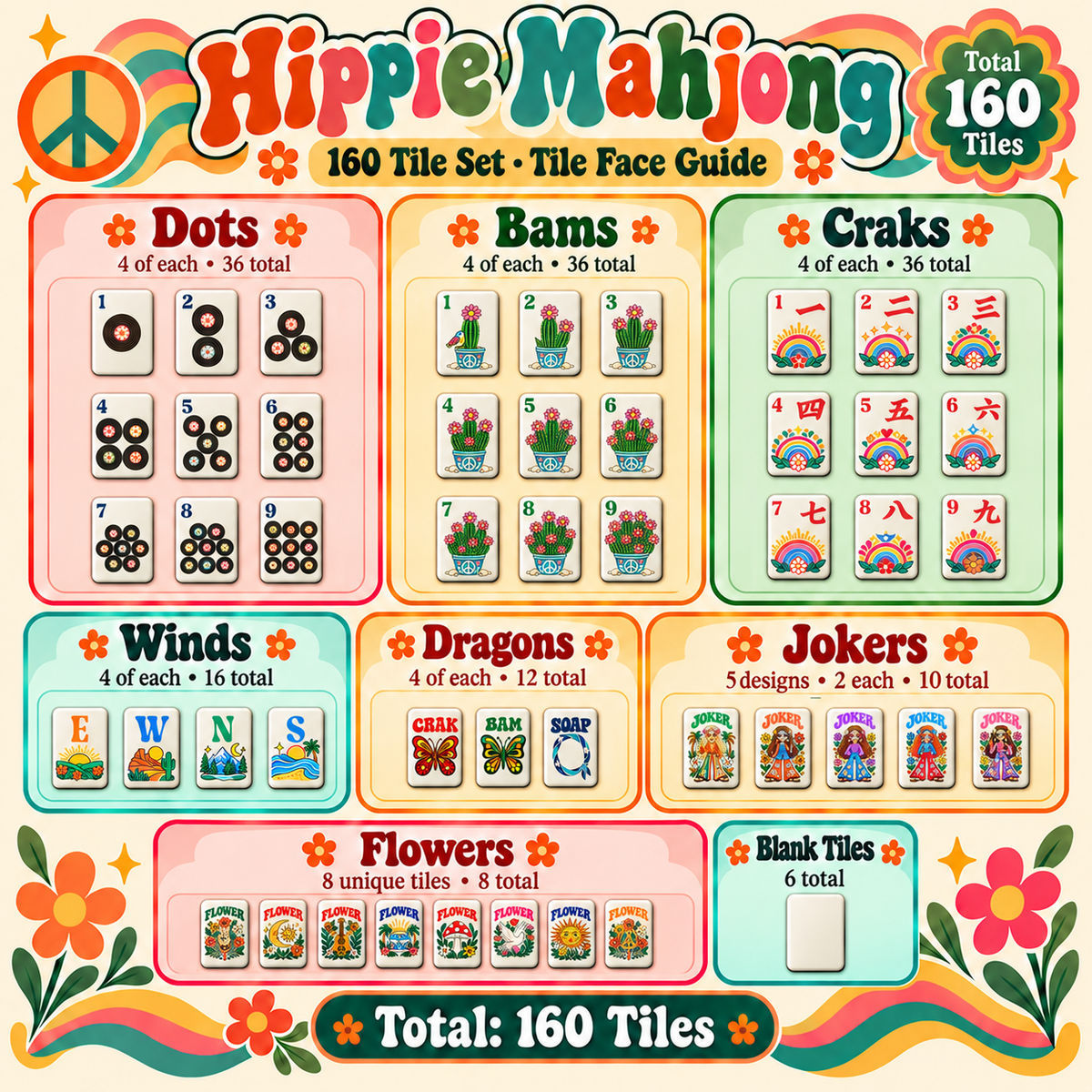
Frisco players find mahjong games at community centers (check Parks & Recreation), public libraries (bulletin boards and staff referrals), synagogues and religious organizations with game rooms, country clubs, and online meetup platforms. Most games run weekly on weekday evenings or weekend afternoons. The Frisco Public Library system and Parks & Recreation department are the fastest starting points—call ahead to ask about existing groups. If you can't find a game, hosting one at home is simpler than you'd expect: you'll need a mahjong set, a mat or table surface, racks with pushers for comfort, and the current year's National Mah Jongg League card (available free online). Newcomers often underestimate how much a quality mat and racks improve play; we recommend the best-selling collection as a reliable foundation for any home game.
What do Frisco's active mahjong venues look like?
Frisco has no single "mahjong hall" like major metropolitan areas, so players rely on open recreation spaces. Community centers host drop-in games, library game rooms welcome regular meetups, and some synagogues run monthly or weekly games—often free or low-cost. Country clubs sometimes sponsor mahjong nights. Call the Parks & Recreation scheduling line to ask about reserved rooms for standing groups. Most venues provide tables and chairs but expect you to bring tiles, mats, and cards. This is why hosting at home often feels easier: you control the equipment and schedule.
🀄 Shop best-selling mahjong sets →

How do I find existing games in Frisco right now?
Start with Meetup.com and Nextdoor—search "Frisco mahjong" or "Dallas mahjong" to find active groups. Call Frisco Public Library's main branch and ask if staff know of game groups; librarians often have bulletin board lists or contact names. Visit Frisco community centers in person during open hours—check their events calendar online first. Ask at local synagogues' front desks; many host games and will direct you. Facebook community groups for North Dallas, Frisco residents, or Asian Americans sometimes post game times. Don't overlook smaller cities nearby: some weekly games in adjacent areas welcome Frisco players. Once you find a group, ask what tile set they use (American, Chinese) and whether they'll lend you a card for your first session.
What equipment do I need to host my own weekly game?
A proper home setup needs five things: a 152-tile American mahjong set (all four suits, winds, dragons, flowers, and jokers), a padded playing mat to protect tiles and muffle noise, racks with pushers so tiles stand upright and you can pass neatly, the current National Mah Jongg League card (free from online league sources), and dice. The mahjong mats collection covers surfaces from compact travel sizes to full-table layouts. We ship sets with mahjong racks and pushers as matching pairs so everyone plays the same way. Many hosts also use a small caddy to hold the card and dice between rounds. Skip the cloth tablecloth idea—a dedicated mat stays in place and keeps tiles from sliding. If you're hosting four players weekly for months, invest in travel-friendly bags and cases so setup takes under five minutes.
🎁 See our most-loved mahjong sets & accessories →
Which tile set should beginners choose?
American mahjong is the standard in Texas, so buy an American set—not Chinese, Hong Kong, or Riichi variants, which use different tile counts and hand structures. Look for sets with engraved titles (monogrammed or custom designs) if you're a gift-giver; they're the same playable quality and add personality. Many beginners worry about tile durability; acrylic tiles with a good resin coating last through years of weekly play without cracking or fading. The best-selling mahjong sets page shows options from classic to contemporary designs—pick one that appeals visually because you'll look at it every week. Avoid super-cheap plastic sets (tiles feel thin and can crack) and sets marketed as "professional tournament grade" if your group plays casually. If you're unsure about committing to weekly games, a mid-range acrylic set offers the best balance of cost, durability, and resale value. Read what's in an American mahjong set to confirm all 152 tiles and 8 jokers are present before you buy.

What mistakes do new hosts make when starting a game?
Mistake 1: Forgetting the current year's card. The National Mah Jongg League releases a new card every spring with updated hand patterns. Using last year's card will cause confusion and illegal hands. Print a copy free from the league or buy a laminated card so it survives spills. (We don't sell cards, but they're freely available online.)
Mistake 2: Mixing tile sets. If Player 1 brings a set with one tile design and Player 2 brings another, tiles become confusing mid-game. Agree in advance that one host provides all tiles.
Mistake 3: Skipping the Charleston. The tile-exchange ritual before play—explained in detail here—is mandatory in American mahjong, not optional. Skipping it throws off the randomness and feels wrong to experienced players.
Mistake 4: Poor mat or no mat at all. Playing tiles directly on a wooden table creates noise and wear. A dedicated mat (even a cheap one) solves this and makes the game feel intentional.
Mistake 5: Not explaining joker rules upfront. New players often ask, "Can I use a joker here?" during play. Review how jokers work before the first hand so everyone's on the same page.
Mistake 6: Using bent or missing tiles. Check your set monthly—a lost or warped tile ruins the game. Keep spares on hand.
Mistake | Why It Kills the Game | How to Avoid It |
Wrong year's card | Hands don't match; arguments stop play | Print current card free; laminate it |
Mixed tile sets | Tiles look different; confusion mid-hand | One host provides all tiles |
No mat | Tiles slide, crack, or get lost | Buy any padded mat; protects tiles and table |
Missing jokers or tiles | Can't complete certain hands | Count tiles monthly; order spares if needed |
Forgot Charleston rules | Doesn't feel like real mahjong | Read the ritual once; explain it before play starts |
Racks missing | Tiles lie flat; hard to see hand or pass | Buy racks with pushers for each player |
✨ Find your Mahstead set — free US shipping →
What to check before you buy a mahjong set
Tile count: Confirm it includes 152 playing tiles (three suits of 1–9, four of each = 108; 16 winds; 12 dragons; 8 flowers) plus 8 jokers. A quality set lists these counts on the product page.
Material: Acrylic or resin-coated tiles are durable and affordable. Bone or bamboo sets are beautiful but pricey and fragile for weekly play.
Includes mat and racks? Check the bundle description. If not, budget for those separately; they're not luxuries—they're essential for comfort and accuracy.
Spare tiles or blanks: Sets often ship with extra jokers or blank tiles. These are spares and never enter play; they're replacements for damage.
Shipping and returns: Free US shipping is standard at Mahstead. Check the return window in case tiles arrive damaged (rare, but it happens).
Design appeal: You'll see this set weekly. Pick one you like to look at—monogrammed sets, holiday designs, or classic colors all play identically.
Getting started: a host's first-game checklist
[ ] Buy or borrow a complete American mahjong set (152 tiles + 8 jokers)
[ ] Print the current year's National Mah Jongg League card and laminate it (free online; verify the year)
[ ] Get a padded mat sized for your table
[ ] Buy or borrow racks with pushers (one per player, four total)
[ ] Find dice (most sets include a pair)
[ ] Invite three friends or find a group via Meetup/Nextdoor
[ ] Read the Charleston explanation and review how to read a mahjong card
[ ] Schedule a consistent day and time (weekly games build rhythm)
[ ] Set a no-phone rule or agree on it upfront
[ ] Buy a small bag or case if you'll transport the set (optional but convenient)
Frisco players don't need to travel far to find mahjong—they just need to know where existing games meet or have the confidence to start one. The barrier is usually equipment, not skill: once you have a set, mat, racks, and card, the game itself becomes the reward.

FAQ
Is American mahjong different from Chinese or other variants I see online?
Yes. American mahjong uses 152 tiles, hands come only from the current year's card, and you can only expose pungs (three identical tiles), kongs (four), quints, or sextets—never sequences. Chinese and other variants allow sequences and use different tile counts. Stick with American if you're in Frisco; it's the Texas standard and has the steepest learning curve, so groups are motivated to teach newcomers well.
How much does a mahjong set cost, and is it worth it?
We can't quote current prices here, but see pricing on our product page. A solid acrylic set plays identically to a high-end bone set but costs a fraction as much. If you're hosting weekly, the cost per game drops to pennies after a month. Consider it a one-time investment in four people's entertainment, not a luxury.
Can I play mahjong with fewer than four people?
Yes, but rules change. 2 and 3 player mahjong rules are streamlined versions that adjust hand patterns and tile counts. Most Frisco groups play four-player because the strategy and pace are better. Start with four if possible; three-player games work fine once everyone knows American mahjong.
Do I need a fancy table or a dedicated mat?
No fancy table required. A mat is essential—it protects tiles, dampens noise, and signals respect for the game. How to choose a mahjong mat covers sizes and features. A basic padded mat costs less than a dinner out and lasts years.
What's the best way to learn rules before my first game?
Read our mahjong for beginners guide, watch one live game without playing, then play your first hand with an experienced player sitting next to you. Don't memorize all hand patterns; the card does that. Learn the Charleston, joker rules, and how to read the card first—the rest clicks after two or three games.
Are there beginner-friendly games in or near Frisco that welcome newcomers?
Call your local library or community center directly and ask. Synagogues sometimes run beginner sessions. Online groups (Meetup, Nextdoor) often post "beginner-friendly" games. If you find a group, email first and ask; almost all players enjoy teaching because the game is richer with four experienced players.


View More
View More
View More
