
Where to Play Mahjong in Charleston: Clubs, Groups & Getting Started
Last updated: Nov 23, 2026
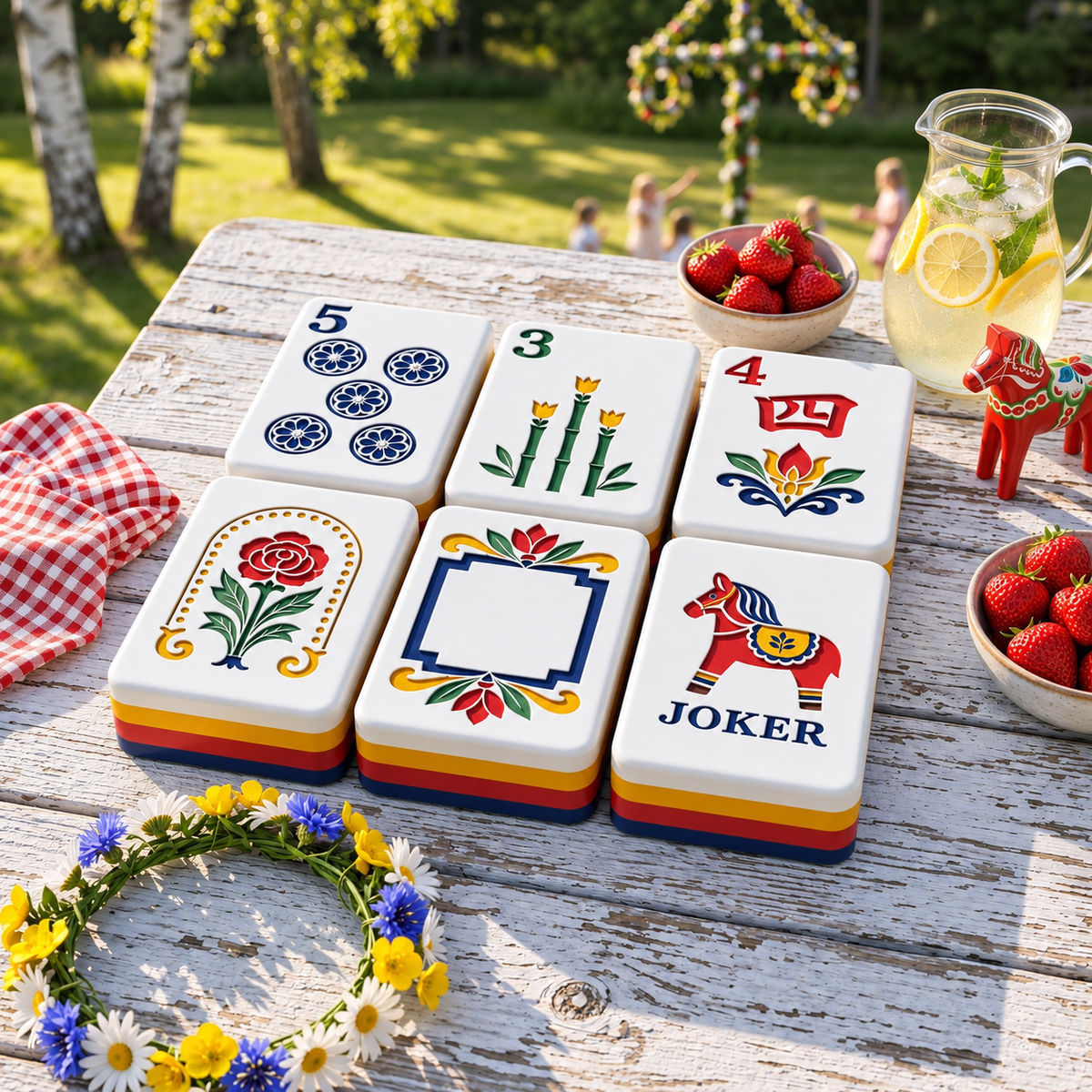
Charleston's mahjong scene centers on community centers, libraries, and informal home groups rather than a single dedicated hall. Most games happen through word-of-mouth networks, Meetup.com boards, and Jewish community organizations (Charleston has two active synagogues where players often host weekly Thursday or Sunday sessions). The best starting points are your local public library's event calendar, community center bulletin boards, and online game-finder apps. Games typically run 2–3 hours, require four players, and use American mahjong with the current National Mah Jongg League card. No fee to join casual home games; some library or community center sessions may charge a small table fee. If you're new, learn the basics—the Charleston passing ritual, how jokers work, and hand-reading—before sitting down. Consider a best-selling acrylic set from Mahstead if you want to host your own regular game and attract local players.
How do I find an active mahjong game in Charleston right now?
Start by checking your neighborhood community center's website or calling their front desk; most list weekly game schedules under "cards and games." Charleston's main library branches (downtown and regional locations) often post mahjong groups on their event boards or host drop-in sessions—call ahead to confirm current times and whether beginners are welcome. Meetup.com frequently lists "Mahjong" groups in the Charleston area; joining an online group often leads to private home games where regular players meet weekly. Ask at local country clubs and golf clubs; many host mahjong nights or can refer you to active players in your neighborhood.

What's the difference between casual home games and organized club play?
Casual home games meet in a player's house, usually Thursday or Sunday evenings, with 2–4 hours of play and no entry fee or a small donation for snacks. No scorekeeping beyond the game itself, and the host typically teaches newcomers if asked. Organized clubs—often affiliated with synagogues, community centers, or Meetup groups—meet on a fixed schedule, enforce the current National Mah Jongg League card strictly, track season scores, and may charge a weekly table fee. Club play moves faster, players expect you to know basic rules before arriving, and winners often receive small prizes. Casual games suit beginners; clubs suit players ready to compete and improve hand-recognition speed.
What rules and equipment do I need to understand before my first game?
American mahjong plays with exactly 152 tiles: three suits (Bams, Craks, Dots) numbered 1–9 with four of each (108 tiles), 16 winds (four each direction), 12 dragons (Red, Green, White), 8 flowers, and 8 jokers. You must have the current year's National Mah Jongg Card to play legally—ask your host or group to share one. The Charleston explained guide walks through the tile-passing ritual before round one. Jokers are wild and can substitute for any tile in a pung, kong, quint, or sextet (never a pair, and never as a single tile). No sequences or "chows" exist in American mahjong—only identical-tile melds. One hand wins per four-player rotation; games typically score points, and the player with the highest score after 2–4 hours wins. If you're nervous, read our American mahjong how-to guide before you arrive.
🀄 Shop best-selling mahjong sets →
Should I bring my own set or use the host's tiles?
Always ask your host in advance. Most regular groups use the same set every week and prefer not to swap—they're familiar with how the tiles feel and stack. If you're asked to bring your own, use a 160-tile acrylic American mahjong set with clear engraving and pushable pushers so tiles don't slip during the game. Acrylic tiles are louder and more durable than bamboo, and they work well for casual play in homes. Never bring a set smaller than 160 tiles; American mahjong requires all 152 playing tiles plus spare jokers. A travel mahjong bag protects your set during transport. If you're hosting your own first game to invite neighbors or coworkers, a matching mahjong mat and racks with pushers make setup professional and keep everyone comfortable—players can see each other's tiles clearly without reaching across the table.

What does a first game timeline look like?
Arrive 10–15 minutes early. The host will introduce you to the other two or three players, explain house rules (payment structure, scoring method, time limit), and confirm everyone has the current National Mah Jongg League card. Setup takes 5 minutes: tiles are shuffled in the middle of the table or mat, players build the wall, the Charleston pass happens (roughly 2 minutes), and the first hand begins. A single hand lasts 5–15 minutes depending on skill level; beginners often take longer because they're reading the card or asking questions. A typical session plays 4–8 hands in 2–3 hours. Most groups take a 5-minute break every hour to stretch and refill drinks. The last hand typically ends by 9:00 or 9:30 p.m. Scoring and payouts (if any) happen after, and you'll leave with contact info to join the next week's game.
What mistakes do newcomers make and how do we avoid them?
Mistake | Why it matters | How to prevent it |
Not knowing what a pung is | You'll call tiles incorrectly and slow the game | Ask the host to show you three identical tiles (e.g., three 5 Dots) before play starts |
Forgetting the card changes every April | You'll play with last year's card, and your hands won't match | Ask your host for the current year's card; screenshot it on your phone |
Trying to make a sequence like 1–2–3 Bams | American mahjong has no sequences—only pungs of identical tiles | Review the rules guide and ask if you're unsure mid-game |
Using a joker as a single tile or pair | Illegal and causes disputes | Jokers are wild only in sets of 3+ identical tiles (pung, kong, quint, sextet) |
Picking up a tile before the discard is complete | Confuses play order and causes miscalls | Wait for the player to place the tile on the mat or rack, face-up and still |
Not asking which suit is Red Dragon, Green Dragon, or White (Soap) | Red goes with Craks, Green with Bams, White with Dots | Memorize or ask at the start: "Which is which?" Most hosts are patient with beginners |
🎁 See our most-loved mahjong sets & accessories →
How do I become a regular and build friendships at the table?
Show up on time and stay until the scheduled end time (leaving early is considered rude). Bring snacks or drinks to share on your second or third visit. Learn the names of the other three players and ask about their mahjong history. Joke gently when you lose; don't sulk or blame the tiles. Offer to host a game at your house after a few weeks if you like the group. Ask the more experienced players one rule question per game—people enjoy teaching—but don't interrupt mid-hand. Attend consistently; regulars form bonds over weeks and months, and showing up twice a month won't build community the way weekly play does. Most home groups are 20–40 years old and genuinely welcoming to newcomers who are respectful and reliable.
What should I check before I buy my own set?
If you're hosting or playing frequently, here's a quick checklist:
160-tile count: Acrylic sets from Mahstead include 152 playing tiles plus spare jokers—the American standard
Tile size: Standard tiles are roughly 1 inch wide; check the product page to confirm they fit your hand comfortably
Clear engraving: Bam (bird symbol), Craks (spider web), Dots (circles), winds, dragons, and flowers must be easy to read under indoor light
Pushers included: Plastic or bamboo pushers let tiles stack neatly without slipping; crucial for a four-player game
Storage bag: A padded drawstring or hard case protects tiles during transport and keeps them together between games
Spares included: Extra jokers and blanks mean you'll have replacements if one cracks or becomes illegible after years of play
Browse our best-selling collection to compare sizes, engraving styles, and storage options; each product page shows what's included and whether it ships with a rack and mat.
✨ Find your Mahstead set — free US shipping →

FAQ
Is there a single mahjong club I should call in Charleston?
No formal dedicated mahjong hall exists in Charleston, but community centers, libraries, and synagogues host weekly games. Call your local library's main branch or check Meetup.com for current group contacts; home groups are more common and usually free.
Do I have to pay money to play casually?
Most home games are free. Some players play for small stakes (a dollar or two per hand) for friendly competition, but you can ask the host in advance. Organized club games may charge a weekly table fee—ask before you arrive.
What if I'm terrible at mahjong and embarrassed to sit down?
Every player was new once. Casual groups expect beginners; competitive clubs less so. Start with a home game, tell your host you're learning, and ask them to go slow on your first hand. After three or four games, you'll feel confident.
Do I need to learn to play the Chinese or Hong Kong version first?
No. American mahjong is its own game with different rules and tiles. Focus on American mahjong if you're playing in Charleston; the learning curve is steep either way, but mixing variants causes confusion.
What's the best way to host my first home game and attract neighbors?
Invite 2–3 people you trust (friends, neighbors, coworkers), explain that it's a casual four-player game, and promise snacks and a fun evening. Set up on a mahjong mat so tiles don't slide around, have the current National Mah Jongg League card printed or on a tablet, and keep the first game light—no betting, just learning and laughs.
Can I play if I only have one other friend who knows mahjong?
You need four players to play standard American mahjong. If you only have two or three, check out 2 and 3 player variants or wait to join a group where you'll meet new players and round out a table.


View More
View More
View More
