
Where to Learn American Mahjong: In-Person, Online & Home
Last updated: Nov 23, 2026
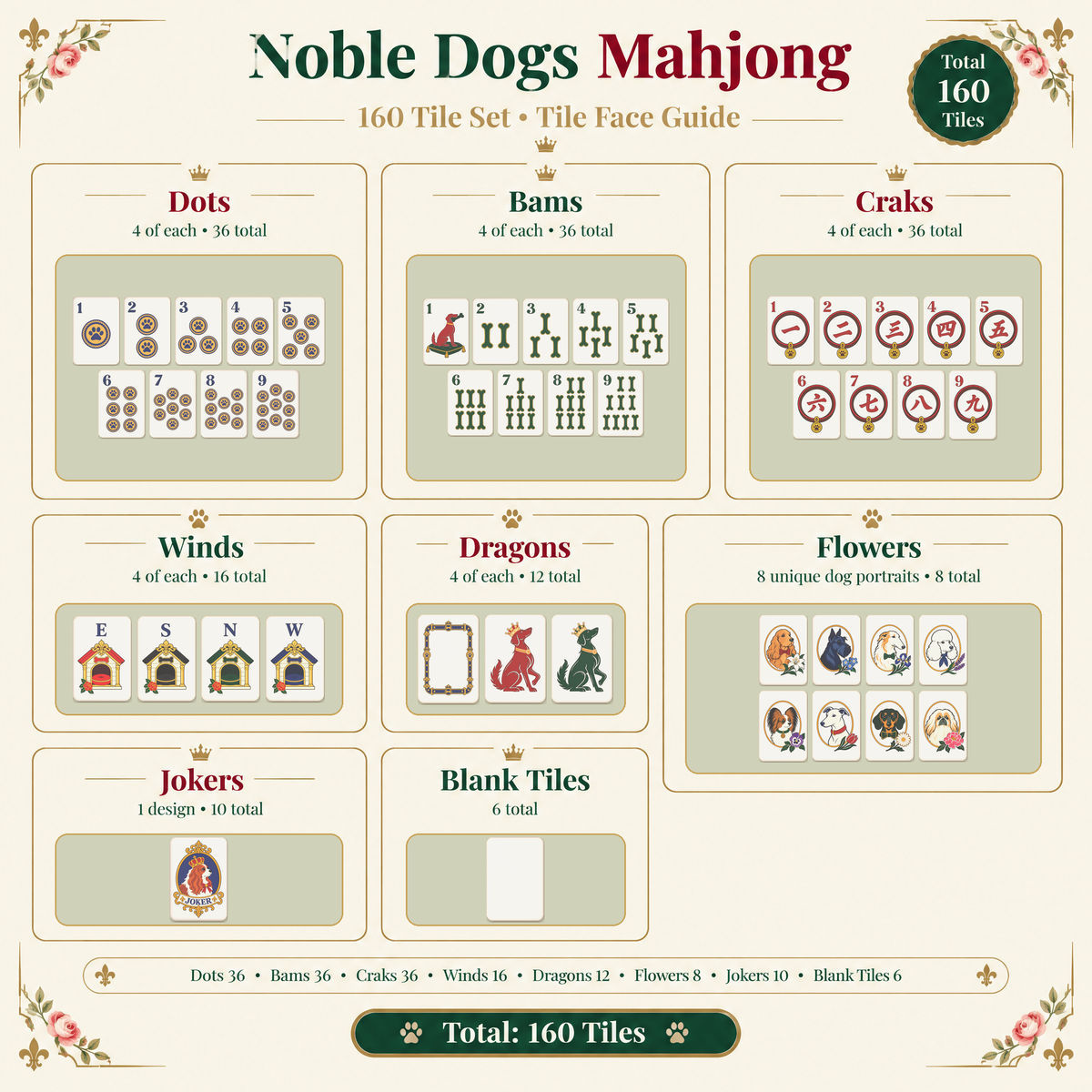
American mahjong is taught at community centers, libraries, synagogues, senior centers, country clubs, and Meetup groups in most U.S. cities—search "[your city] mahjong lessons" or ask community boards. Private tutors offer 1-on-1 or small group sessions, often meeting weekly; expect to spend 4–8 weeks learning the basics (tiles, the Charleston, reading the hand card, and scoring). Online platforms host live classes and recorded tutorials. Home practice works best with a quality best-selling mahjong set, a mat to protect your table, and a copy of the current National Mah Jongg League card. Most beginners combine one group class with 2–3 weeks of home play before joining a regular game. Cost varies: group lessons run low or free at nonprofits; private tutors charge hourly; online classes range widely. We recommend starting at a local club or library to see if you enjoy it before investing in your own set.
American mahjong looks intimidating but is learnable in a few weeks. We'll show you real places to find teachers, the fastest learning path, and how to practice at home.
What Are Your Real Learning Options in Your City?
Your best bet is a search for "[your city] mahjong club" or "[your city] mahjong lessons" on Google Maps, Meetup, or local community center websites. Libraries often host beginner nights; ask the reference desk. Country clubs, senior centers, and Jewish community centers run regular lessons. Some cities have storefronts or game cafes; call ahead to confirm class times. Start with free or low-cost drop-in sessions to test your interest before committing.
🀄 Shop best-selling mahjong sets →

How Long Does It Really Take to Learn the Basics?
Most people grasp the tile names, the Charleston (the tile-passing ritual), and hand-reading in 4–6 weeks of weekly group play. Understanding how jokers work in American mahjong and scoring takes another 2–4 weeks. Full comfort—knowing when to call a tile, strategic discards, and pung/kong/quint exposure—typically arrives after 8–12 weeks of regular play. Beginners who play twice weekly progress faster than once-weekly players.
What's the Fastest Way to Learn at Home?
Start with the how-to-play American mahjong guide and the mahjong-for-beginners post to understand the tile structure and basic rules. Next, study the current National Mah Jongg League card—focus on ONE section (patterns grouped by suit or structure) each day. Then play practice hands: deal 13 tiles (plus the dealer's 14), draw and discard according to the card, and practice calling tiles out loud. Use a mat to keep tiles organized; it slows the learning curve. Watch one 10-minute YouTube tutorial on the Charleston to see the four-pass tile exchange in action. After 10–15 practice hands, join a beginner group.
Online Classes: When Do They Make Sense?
Online live classes work best if no local clubs exist near you or your schedule doesn't match group times. Expect hourly rates comparable to private tutoring. Recorded courses (lasting 2–6 hours total) are cheaper and let you pause, rewind, and practice at your own pace—ideal for learning the Charleston and how to read the mahjong card before your first live game. Hybrid learning (online course + one in-person session) often produces the fastest comfort. Verify that any online teacher uses American mahjong rules, not Chinese, Hong Kong, or Riichi variants—rules differ significantly.
Learning Path | Time to Comfort | Best For | Pros | Cons |
Local club only | 8–12 weeks | Social learners | Free/cheap, peer support, immediate play | Schedules may not match; skill levels mixed |
Private tutor + home play | 4–6 weeks | Busy professionals | Personalized pace, faster progress | Tutors vary in quality; more expensive |
Online course + home play | 6–8 weeks | Visual learners, remote areas | Affordable, self-paced, replayable | No live feedback; self-discipline required |
Library group + home practice | 6–8 weeks | Budget-conscious learners | Very low cost, community feel | Instructor availability varies by location |
Hybrid (online + one group session) | 5–7 weeks | Mixed learning styles | Combines speed, affordability, and peer play | Requires two commitments |

What Should You Have Ready Before Your First Lesson?
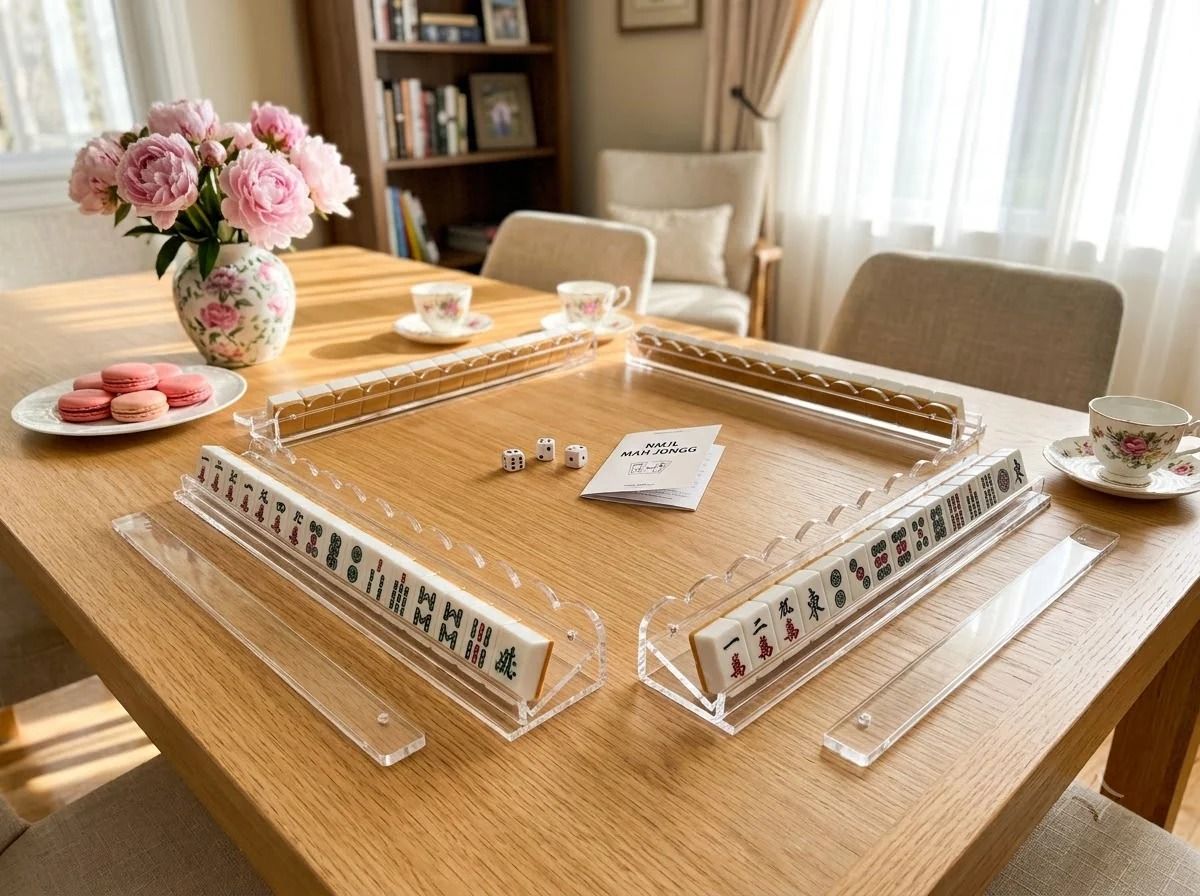
Gather a quality 160-tile set so you can practice at home. A mat keeps tiles from sliding and helps you arrange them in the correct hand layout. Print or download the current year's National Mah Jongg League card—instructors provide it or direct you to order it. Racks with pushers are optional but helpful for beginners: pushers move tiles forward one at a time, forcing you to call clearly and slowing your pace so you don't confuse suits. Wear glasses if you need them; tiles are small. Write down three questions before each session so you stay engaged.
🎁 See our most-loved mahjong sets & accessories →
Common Beginner Mistakes That Slow Learning
Mixing game variants. Don't learn Chinese or Riichi mahjong alongside American rules—they contradict each other. Stick to one variant until you're comfortable. Skipping the Charleston. Beginners often want to jump straight to play, but the four-pass Charleston is essential; practice it 5 times before your first game so it becomes automatic. Ignoring the hand card. Many new players try to memorize hands instead of using the card to look them up quickly. Use the card every time until pattern-matching becomes natural (usually 4–6 weeks in). Calling tiles too quietly. American mahjong requires clear, audible calls so others can verify your hand. Mumbling leads to disputes and slows group play. Playing too many variants of the same hand. The League card changes yearly and includes only about 88 legal hand patterns per year; learn those well before branching to alternate holdings.
What to Check Before You Buy Your Own Set
If you've played once and want to invest, confirm the set has all 152 playing tiles plus spare jokers (usually sold as 160-tile sets). Check that the tiles are large enough to read comfortably—acrylic sets from our best-selling collection print numbers and suit symbols clearly on both faces. Verify tiles are numbered 1–9 in each suit plus winds, dragons, and flowers (not a Chinese variant with different tile names). If you'll travel to games, a padded bag or case protects your set and keeps tiles organized. Ask your instructor what set design they use so yours will match when you play in a group.
✨ Find your Mahstead set — free US shipping →
FAQ
Can I learn American mahjong online without ever playing in person?
Yes, but less effectively. Online courses teach rules quickly, but live play teaches instinct, speed, and comfort with pressure. Combine a 3–6 hour online course with at least 2–3 in-person games before deciding.
Is American mahjong harder than other mahjong variants?
American mahjong has a steeper learning curve than some Chinese variants because the hand card changes yearly and the rule set is strict. Once you learn it, skill transfers to no other variant—they're separate games.
Do I need to memorize the hand card to play?
No. Beginners always look up hands on the card during play. After 8–12 weeks, pattern recognition kicks in and you'll look it up less often, but even experienced players reference the card.
What if my city has no mahjong club?
Search broader: check neighboring towns, ask at synagogues and senior centers for referrals, and join Meetup groups labeled "mahjong" (some members travel from other cities to host games). Start an online class while you scout.
Should I buy a set before taking a class?
Not necessary. Borrow or use the set at the club for your first 3–4 sessions. Once you're sure you like the game and have a regular group, a personal set becomes a worthwhile investment.
How much does a beginner need to spend to start playing?
At least on the learning side: nothing if a local club provides sets and the tutor is free. Once you're ready to play regularly, a quality set and mat are an asset, and a bag is helpful if you travel to games. See current prices on the product pages.


View More
View More
View More
