
Melamine Mahjong Tiles: Which Set Is Right for You?
Last updated: Nov 23, 2026
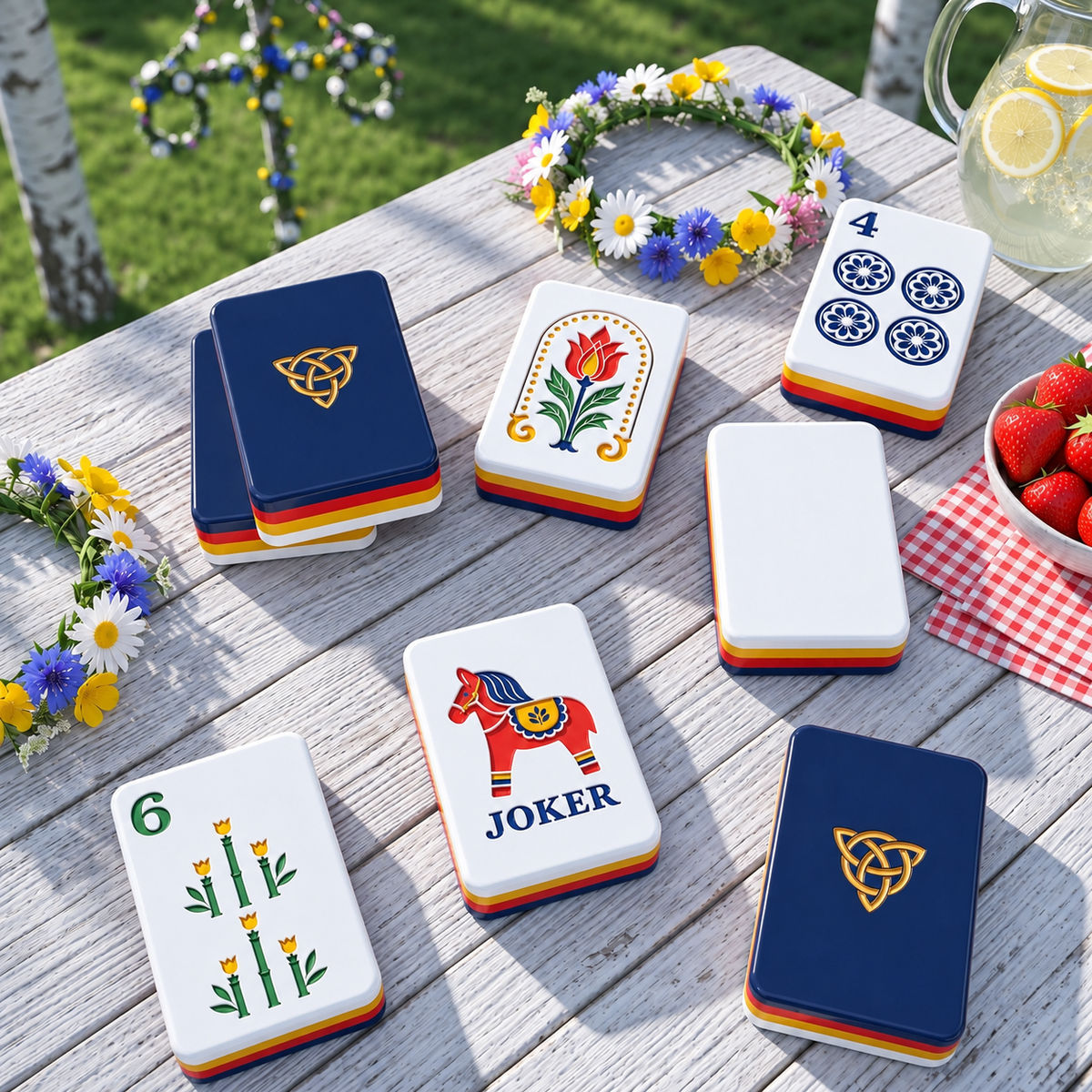
Melamine mahjong tiles are polymer-based synthetic tiles that form the core of most modern American mahjong sets. Made from compressed resin and finished with screen-printed designs or engraving, melamine offers a balance between affordability, durability, and table feel. An American mahjong set includes 152 playing tiles (three Bam, Crak, and Dot suits numbered 1–9 in four copies each, 16 winds, 12 dragons, 8 flowers, and 8 jokers) plus spare tiles. Melamine tiles resist chips, moisture, and discoloration far better than paper-faced alternatives, making them ideal for regular home play or group sessions. Unlike bone or bamboo sets, melamine requires minimal upkeep—a dry cloth removes dust and minor marks. When shopping, check tile thickness (heavier is more satisfying), whether designs are screen-printed or engraved (engraved lasts longer), and whether the set includes a mat and racks, which protect your investment over years of play.
Why does melamine crack or chip more than I expected?
Melamine is tough, but improper storage and impact damage are the main culprits. Tiles left in extreme heat (above 120°F) or direct sunlight can warp or become brittle. Dropping a set or stacking tiles loosely in a bag without separators invites edge damage. The best defense: store your set in a padded mahjong bag or case, keep it away from heat and moisture, and handle tiles gently when shuffling. A quality set stored well lasts decades.

What's the difference between screen-printed and engraved melamine tiles?
Screen-printed designs sit on the surface and can fade or wear away with heavy use over years; engraved tiles have the design cut into the material itself, so wear is invisible. For casual play (once a week or less), screen-printed tiles are fine and often come at a lower price point. For serious weekly players or groups that gather regularly, engraved American mahjong sets hold their beauty longer and feel more substantial. Engraved tiles also tend to be slightly heavier and have better tactile feedback when played.
How do I compare melamine sets when shopping?
Use this checklist before ordering:
Tile weight: Pick up or handle if possible; heavier tiles (roughly 1⁄4 inch thick) feel more professional and resist wear better.
Design finish: Ask whether designs are screen-printed or engraved; if purchasing online, look for product descriptions mentioning "engraved" or "etched."
Included accessories: Does the set come with a mat, racks with pushers, and a storage bag? A complete bundle saves money and hassle.
Set count: American sets always use 152 playing tiles; sets marketed as 160-tile include 8 spare tiles for replacements (never added to play).
Tile face clarity: Even at thumbnail size in photos, you should read suit symbols and numbers clearly—fuzzy imagery suggests lower-quality printing.
Return or replacement policy: Check whether the seller covers cracked tiles or missing pieces within a reasonable window.
🀄 Shop best-selling mahjong sets →
What designs and styles are available in melamine?
Melamine tiles come in traditional Asian art styles (dragons, flowers, calligraphy), geometric and modern patterns, holiday themes (Christmas designs for seasonal games), and personalized or engraved options featuring initials, names, or custom artwork. Traditional designs appeal to purists and collectors; modern or engraved sets suit players who want something unique for their table. Our best-selling collection includes both classic and contemporary finishes, so you can match your style without compromising on durability.
How should I care for melamine tiles?
Melamine is low-maintenance compared to other materials:
Cleaning: Wipe tiles with a soft, dry cloth after play to remove dust and fingerprints. For sticky residue, use a barely damp cloth—never soak or submerge tiles.
Storage: Keep the set in its bag or a storage case in a cool, dry place. Avoid basements (humidity) or attics (temperature swings).
Handling: Shuffle gently; never bang tiles or drop them onto hard surfaces. Use a padded mat to protect tiles and the table.
Replacement: If a tile chips or cracks beyond play, contact the seller; quality sets often include spare tiles or replacement options.
For serious players, a mahjong mat and matching racks with pushers are investments that extend tile life by reducing impact and keeping tiles organized during long sessions.

Melamine vs. bone, bamboo, and plastic: Which is best?
Material | Best for | Durability | Upkeep | Feel |
Melamine | Weekly play, mixed skill levels, long-term use | Excellent; resists chips, moisture, fading | Minimal; wipe dry | Professional, slightly weighted |
Bone + bamboo | Collectors, formal games, enthusiasts | Excellent but fragile; prone to cracks in humidity | High; oil, sunlight protection | Warm, traditional, premium |
Plastic (cheap) | Casual or beginner play | Poor; surface scratches, fades quickly | Low | Thin, feels cheap |
Resin-composite | High-end hobbyists | Excellent; similar to melamine but heavier | Moderate | Luxe, very weighted |
Conclusion: Melamine is the sweet spot for most home players—durable enough for years of weekly play, affordable enough to replace if needed, and simple to maintain.
🎁 See our most-loved mahjong sets & accessories →
What size and thickness matters?
Standard American mahjong tiles measure about 1¼ inches wide by ¾ inch tall. Tile thickness is less standardized and affects feel significantly:
Thin tiles (under ¼ inch): lighter, easier for small hands, cheaper, but feel flimsy and chip more easily.
Standard thickness (¼ inch): the industry norm; balanced weight, professional feel, good durability.
Thick or premium (over ¼ inch): heavier, satisfy serious players, more resistant to warping, command higher prices.
If you have hand strength or arthritis concerns, thinner tiles may be easier to shuffle, but standard or thick tiles are worth the trade-off for longevity. For group play where multiple people handle the same set, thicker melamine resists wear from varied handling.
Should I buy a 160-tile set or just 152?
American mahjong uses exactly 152 tiles in play—always. A 160-tile set includes 8 spare tiles as replacements in case of damage. We recommend 160-tile sets for players who value protection: if a tile chips after a year of weekly play, you have a backup. Beginners or casual players might skip the extra cost, but serious or competitive players should expect spares. When comparing prices online, note that "160-tile sets" include the same 152 playable tiles as any other; the extra 8 are insurance, not additional play value.
✨ Find your Mahstead set — free US shipping →
What to check before you buy
Confirm 152 playable tiles in the product description (not every listing is clear).
Verify tile material: look for "melamine," "polymer," or "synthetic" (avoid ambiguous terms like "composite" without detail).
Check design durability: screen-printed or engraved? For regular play, engraved is worth it.
Bundle or separate? Buying a set with a mat and racks together often costs less than buying separately.
Read return or warranty info: even durable tiles can arrive damaged; know your recourse.
Shipping: ensure the seller uses protective packaging (melamine tiles survive shipping well if padded).

FAQ
Can melamine tiles get wet, and will they warp?
Melamine resists moisture better than paper or bamboo but is not waterproof. Spill or splash should be wiped dry immediately. Prolonged exposure or submersion can cause warping or fading. Store in a dry place and avoid humid environments like damp basements.
How long do melamine tiles typically last with regular weekly play?
With proper care, melamine tiles last 10–20 years of weekly play without significant wear. Screen-printed designs may show minor fading after 5–10 years; engraved designs show virtually no wear. Heavy or competitive play (multiple times per week) can accelerate surface marks but rarely cracks the tile itself.
Are engraved melamine tiles worth the extra cost?
Yes, if you play weekly or host regular games. Engraved designs stay crisp indefinitely, racks organize better (thicker tiles grip better), and the professional feel justifies the premium. For casual or annual play, screen-printed tiles are adequate and more affordable.
What's the best way to shuffle melamine tiles without damaging them?
Use slow, deliberate shuffling motions on a padded mat rather than hard surfaces. Never bang or rapidly riffle tiles. Some players prefer a tile rack to minimize shuffling. Store shuffled tiles loosely—don't stack them tightly in bags, which creates pressure points.
Do all melamine sets include a bag and mat?
No. Many sets sold online include only the tiles; mats, bags, and racks are often sold separately. Check the full product listing before ordering. Buying a complete set with accessories often saves money compared to purchasing components individually.
Can I repair a cracked melamine tile, or must I replace it?
Small surface cracks are cosmetic and won't affect play. Deep cracks that affect tile integrity require replacement. Most sellers offer spare tile purchases or replacements within a reasonable period; contact them with a photo of the damage to explore options.


View More
View More
View More
