
When Does the 2027 Mahjong Card Release?
Last updated: Nov 20, 2026
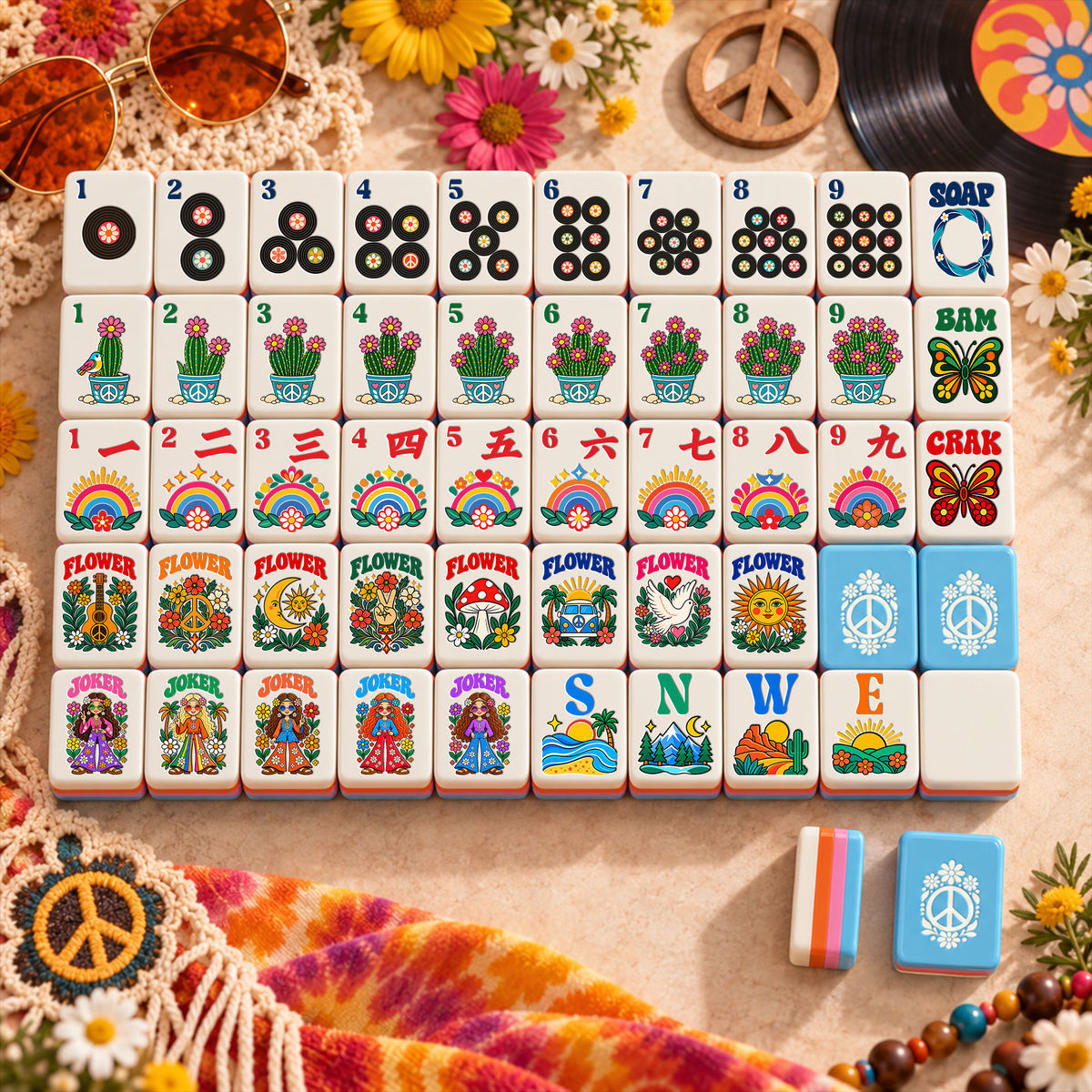
The 2027 National Mah Jongg League card releases in spring 2027—typically March or April, though the exact date varies slightly year to year. The card is the rulebook that governs all American mahjong play that season; without it, you cannot form a valid hand or call a win. The card lists every legal hand pattern, organized by suit, pung/kong combinations, and joker rules. Once released, it remains the standard until the following spring's card arrives. You'll need how to read a mahjong card to navigate it effectively. Most serious players and clubs order printed copies or access digital versions immediately; casual players often play from shared table copies. There is no cost to the card itself—it's published for community use. Mahstead players keep a set ready before the card arrives so they can jump into new hands right away.
The National Mah Jongg League card is not a deck of playing tiles; it's a printed or digital reference showing every legal hand combination for that year. American mahjong differs from Chinese, Hong Kong, Riichi, and Taiwanese variants because hands must match the current year's published card—you cannot invent hands or play by memory. The card changes every season to keep the game fresh and prevent stale patterns. Understanding the release cycle is essential for hosting games and staying competitive.
When exactly does the 2027 card arrive?
The National Mah Jongg League typically releases its new card in March or April each year. The exact date is announced on the League's official channels, usually a few weeks in advance. Clubs and retailers stock printed copies weeks before that date. If you play in a league or host weekly games, mark your calendar for late February to early April 2027 and check the League's announcements. Many players download the card or purchase a laminated copy as soon as it's available.
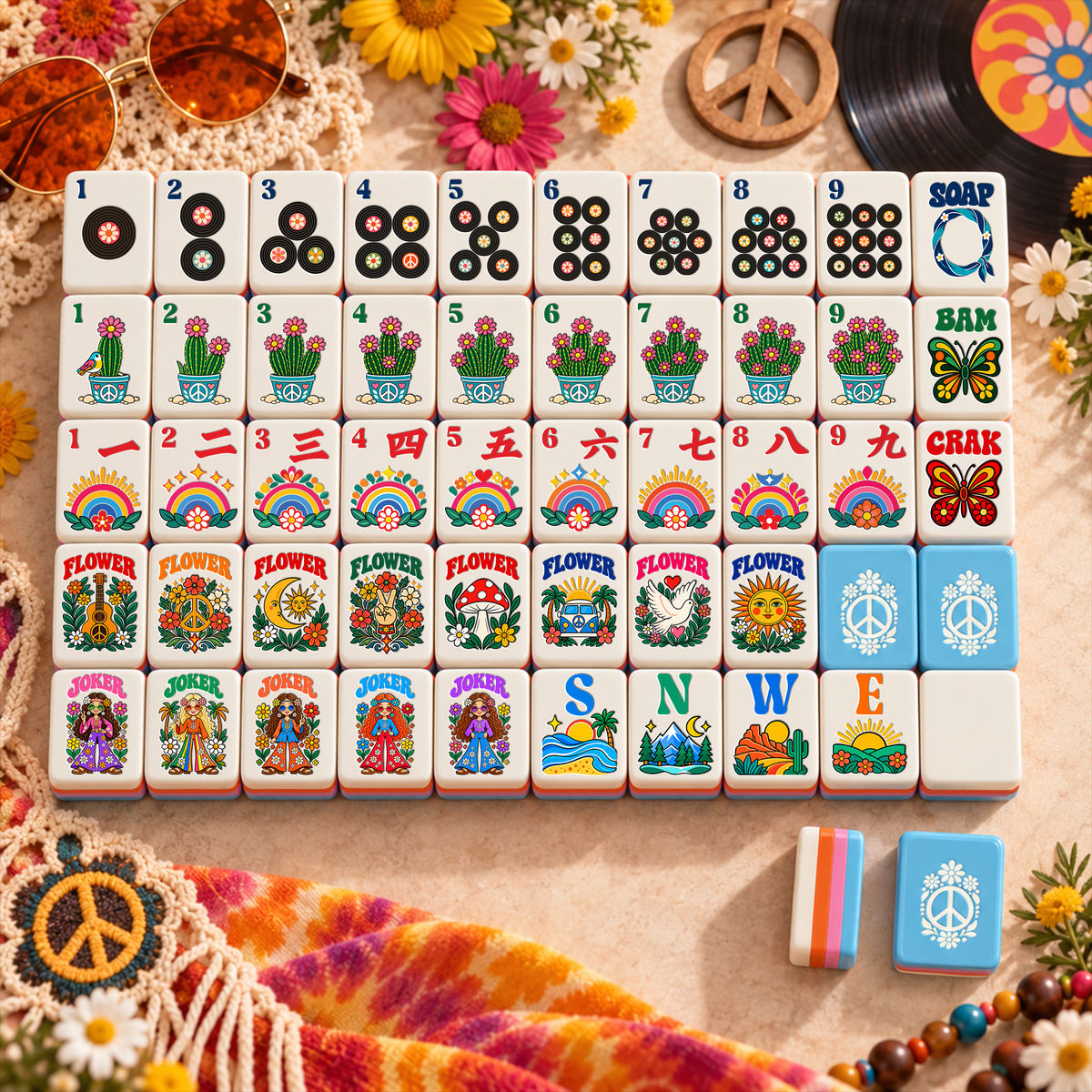
Why does the card change every single year?
A new card keeps the meta fresh and prevents players from memorizing the same hands indefinitely. The League rotates patterns—some hands from last year disappear, new ones appear, and the difficulty distribution shifts. This ensures tournaments feel novel and rewards players who stay sharp. Long-term players appreciate the variety; newcomers sometimes find the annual change daunting but soon adapt. Understanding how to read a mahjong card gives you the skills to decode any year's version instantly.
What changes between the 2026 and 2027 cards?
You won't know the specifics until the 2027 card drops in spring. The League does not publish changes in advance. However, historically, the League modifies roughly 30–40% of hands each year—removing difficult combos, introducing fresh patterns, and adjusting joker density across sections. Some hand types (like Pungs or Quints) remain more stable; others shift dramatically. The best preparation is strong fundamentals: master the card-reading process, drill joker placement logic, and practice calling hands from a previous year's card. When 2027 arrives, you'll recognize the layout and adapt within a few games.
🀄 Shop best-selling mahjong sets →
How should you prepare now (before 2027 arrives)?
Build your tile and mat setup today so you can host immediately when the new card lands. Invest in a quality 160-tile acrylic set with clear markings—the cleaner your tiles, the faster you'll spot patterns on a new card. A mahjong mat with marked positions and a rack with pushers speeds hand-building and reduces errors. Stock at least one printed copy of the 2026 card or download the League's app; when the 2027 version arrives, you'll already know how to navigate it. Drill the Charleston—the pre-game tile-passing ritual—so new players feel confident. Play mock games with your 2026 card in February 2027; you'll spot rule gaps and feel ready for the transition.
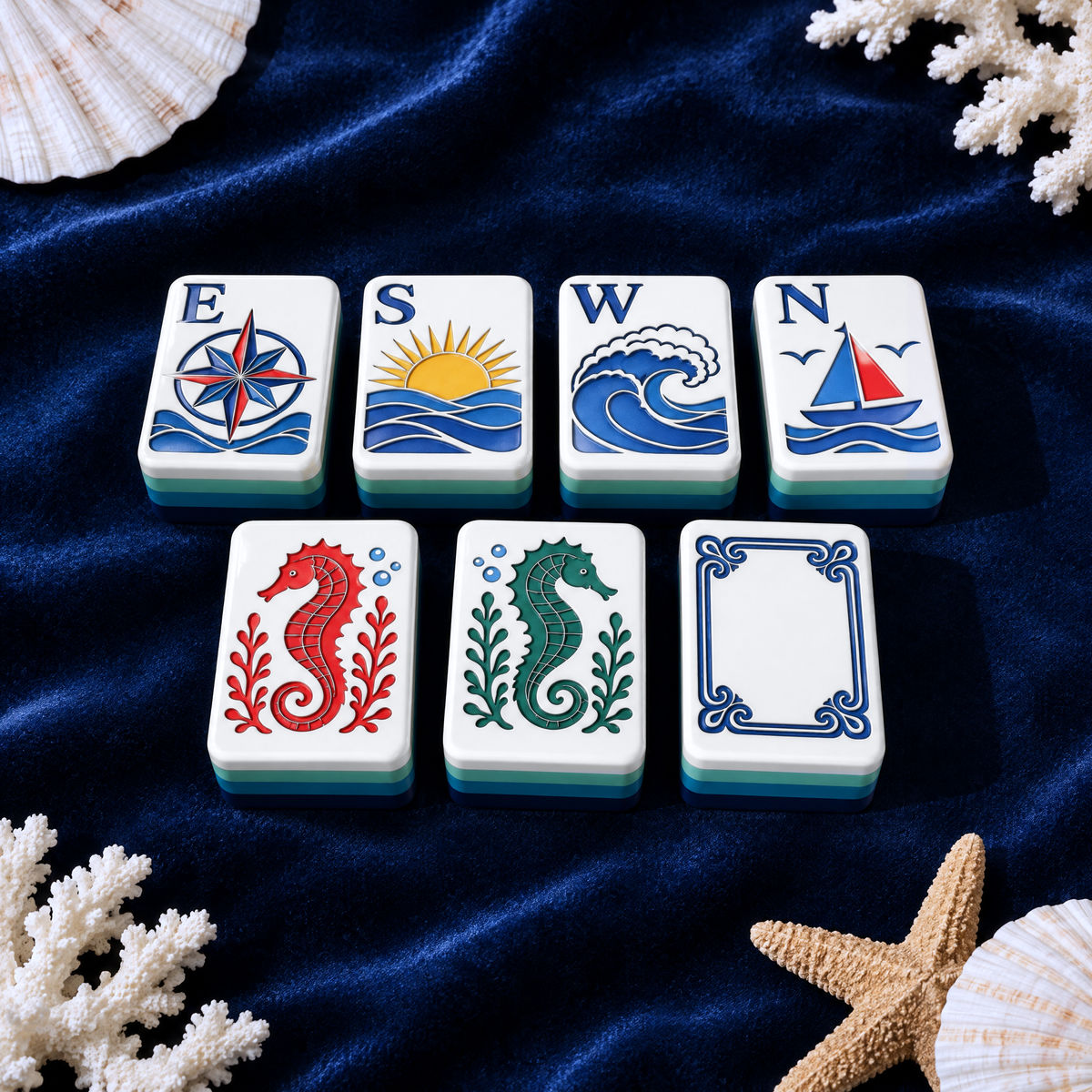
Does 2027 bring any rule changes beyond the hands?
The card release does not typically change the core rules of American mahjong—the Charleston, joker placement, pung/kong/quint definitions, and winning thresholds stay consistent year to year. However, the League occasionally clarifies edge cases or updates scoring guidance. Once the 2027 card drops, review the League's notes if any exist; most seasons run smoothly with no procedural surprises. If you host competitive games, subscribe to the League's official communication channels so you're informed of any changes the moment they're announced.
🎁 See our most-loved mahjong sets & accessories →
What to check before you buy tiles for 2027 play
Factor | Why it matters | Action to take |
Tile clarity | Smudged or faded symbols make new card patterns hard to spot. | Choose acrylic sets with laser-engraved, high-contrast markings. |
Set completeness | A full 152-tile standard set is non-negotiable for valid play. | Verify your set includes all four winds, dragons, flowers, and jokers. |
Mat size | Too small and you'll crowd your hand; too large and reaching feels awkward. | Measure your table; most players prefer a mat that leaves 12–18 inches of rim space. |
Rack quality | Cheap racks warp and pushers stick, slowing play and frustrating new players. | Test the rack's pivot and pusher glide before purchasing. |
Storage solution | Loose tiles in a bag invite lost pieces and damage before 2027 even starts. | Use a bag or case to protect your investment and simplify transport. |
A complete, well-maintained set ensures you're ready to play the instant the 2027 card arrives. New players hesitate when tiles are unclear or missing—crisp, organized equipment builds confidence and keeps games moving fast.
✨ Find your Mahstead set — free US shipping →
The card release calendar: a checklist for 2027 readiness
Now (2026):
Play actively on the current card to build card-reading muscle memory.
Review how to read a mahjong card until spotting hand patterns feels automatic.
Inspect your tiles for wear; replace any cracked or faded pieces.
January–February 2027:
Watch for the League's 2027 card announcement (usually late February).
Download or order printed copies as soon as available.
Host a practice game using the 2026 card; it builds stamina for fresh patterns.
March–April 2027:
The card releases. Circulate it among your regular players.
Host your first 2027 game; expect the first 30 minutes to feel slower as players adjust.
Reference the card liberally; there's no penalty for looking; speed comes with repetition.
May onward:
Play regularly on the 2027 card to lock in new patterns.
Host a friendly tournament once your group feels solid (usually by May or June).
FAQ
Can I play American mahjong without the current year's card?
No. American mahjong requires hands to match the National Mah Jongg League's published card for that season. Without it, you cannot verify a legal hand or call a win. Chinese, Hong Kong, and Taiwanese mahjong allow hands by traditional rules regardless of year, but American mahjong is card-dependent by design.
Where do I find the 2027 card when it releases?
The National Mah Jongg League publishes it through their official website and authorized retailers. You can purchase printed laminated copies or access digital versions via the League's app or PDF downloads. Clubs and community centers often post copies for shared use.
Should I buy a new set when the 2027 card arrives?
No. The card change does not require new tiles. A standard 160-tile acrylic set works for every year's card indefinitely. You only need to replace tiles if they're damaged, faded, or missing—not because the card changes.
How long does it take to learn a new card?
Most experienced players adapt within 2–3 games. New players typically need 5–10 sessions to feel confident. The more you've mastered how to read a mahjong card, the faster the transition. Muscle memory makes patterns obvious quickly.
Can I still play 2026 hands after the 2027 card releases?
Technically yes, if everyone agrees. However, competitive play and league games switch to the 2027 card immediately upon release. Casual home games can play older cards if all players consent, but most groups transition promptly to stay in sync.
Do different regions use different cards?
No. American mahjong uses a single National card nationwide. Chinese and other regional variants have their own rule sets, but American mahjong is standardized across the entire US and Canada under the League's published card each season.


View More
View More
View More
