
What to Bring to a Mahjong Game: The Complete Checklist
Last updated: Nov 23, 2026
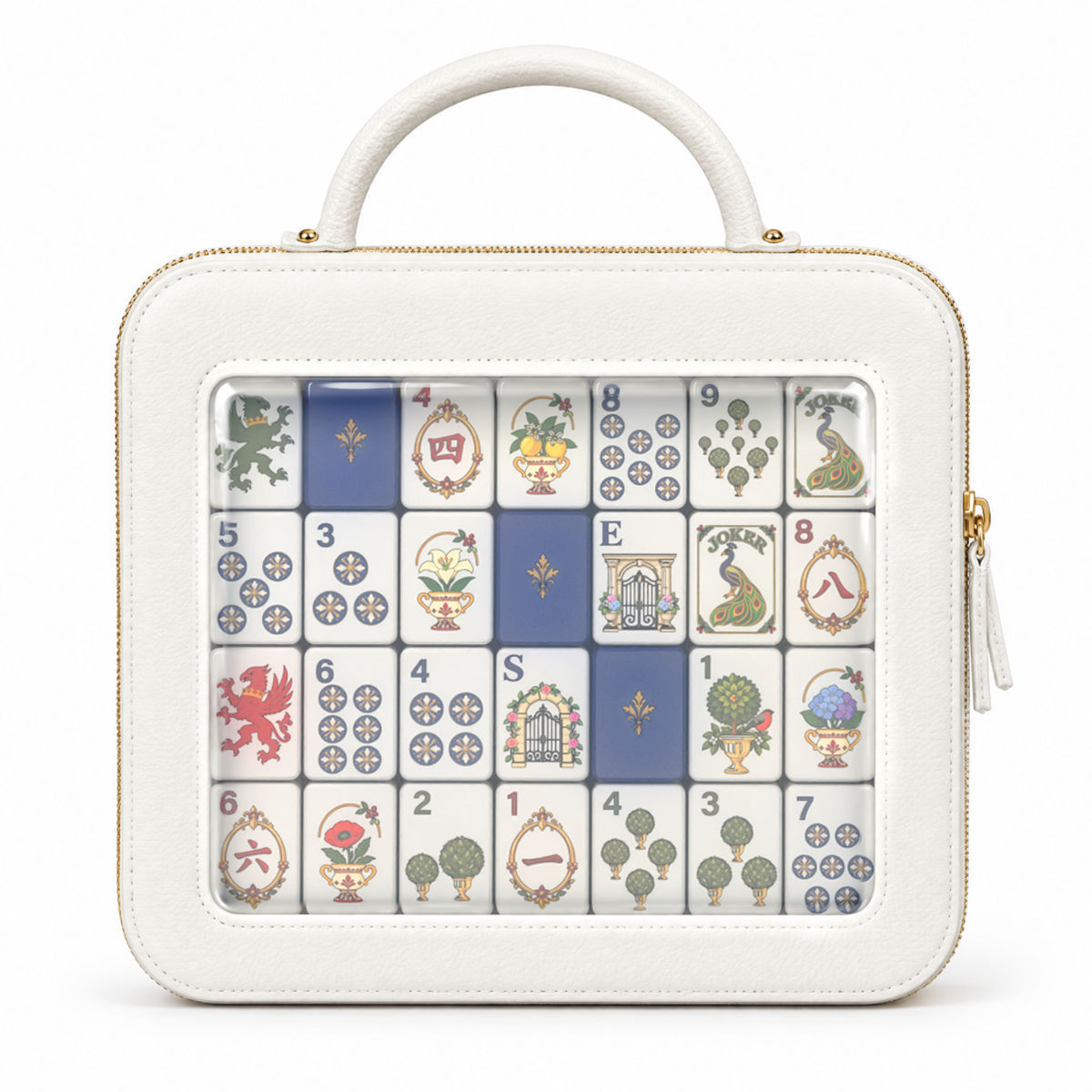
You need a 152-tile American mahjong set with 8 jokers, a mat or table cover, four racks with pushers, the current year's National Mah Jongg League card, scorecards, pencils, a dice set, and snacks plus water. A best-selling mahjong set runs the full equipment suite; mats protect the tiles and come in various sizes. Bring the card to every session—hands change yearly—and extra jokers as spares. Most players arrive 15 minutes early to unpack and shuffle. The biggest mistake: forgetting the card or using last year's version. Mahstead 160-tile sets include spare jokers so you never run short during play. Don't skip the mat; loose tiles scatter and chip without one. Have everyone confirm the hand on the card matches what's on the table before committing points.
Do you need a complete mahjong set, or just tiles?
A complete set is essential. American mahjong requires exactly 152 tiles plus 8 jokers in play—nothing more. You'll also need a mat to protect them, racks so each player holds tiles without the others seeing, pushers to manage your rack, and the current year's National Mah Jongg League card to verify hands before scoring. Scorecards and pencils track points. A dice set determines seating. Many players buy a best-selling mahjong set that includes racks and pushers in one package; this saves time and ensures all pieces fit together. Borrowing a partial set from a friend often means half the table is fumbling for a mat or arguing about whose racks fit.

What size mat should you bring?
Mat size depends on your table and how many sets you're bringing. Standard mats fit one game comfortably and measure roughly 24" × 24" to 28" × 28". If you host weekly games on a 36" round or 48" rectangular table, a larger mat or two overlapping mats works better. Thicker mats (¼" to ½") protect tiles from chips and muffle noise; thin vinyl mats are lighter to carry. Choosing the right mahjong mat depends on whether you play on a permanent table or use your dining table and need quick setup. Bring a mat roll or bag; a loose mat crumples in your car.
🀄 Shop best-selling mahjong sets →
How do you carry everything without damaging tiles?
Use a dedicated mahjong bag or case designed for transport. These bags hold the set, mat, racks, pushers, dice, cards, and scorecards in separate compartments. Hard cases protect tiles from crushing if the bag is dropped; soft bags are lighter and fit most car trunks. Pack tiles in their original trays or stack them in the bag's foam dividers. Never pile a mat on top of loose tiles—tiles will crack. Racks and pushers go in a side pocket. The National Mah Jongg League card slides into a front slot, protected from spills. A good bag costs less than replacing a chipped acrylic set and saves 20 minutes of setup fumbling at the table.
What should your checklist include the day of the game?
Use this pre-game checklist before you leave home:
Set: 152 tiles + 8 jokers in bag
Mat or table cover, rolled and bagged
Four racks with pushers (one per player)
Dice set (two dice for determining seating order)
Current year's National Mah Jongg League card
Scorecards (at least one pad per player)
Pencils or pens (2–3 backups)
Notebook for ongoing score tracking
Snacks and beverages (optional, but appreciated)
Phone with a photo of last week's final scores (if it's a regular game)
Arrive 15 minutes early. Unpack on a stable table. Shuffle the set by hand for two minutes—this ensures randomness and lets you spot any cracked tiles before the game starts. Arrange the mat. Position the card where all four players can see it. Check that the card year matches the current year (2026 rules and hands change annually). Have one player verify the opening hand layout against the card before the Charleston begins.
What's the difference between what beginners and experienced players bring?
Category | Beginners | Experienced Players | Why It Matters |
Set type | Standard 160-tile acrylic | Experienced players value durability and personal style; beginners need reliability. | |
Mat | Any mat | Thick, non-slip mat (¼"+) | Repeated play requires muffling and tile stability. |
Racks | Basic plastic racks | Faster tile movement, less wrist strain after hours. | |
Card knowledge | Borrowed card, reads slowly | Personal laminated card, color-coded | Experienced players memorize sections; beginners need clear reference. |
Scoring | Paper scorecard | Scorecard app or laminated sheet + dry-erase | Speeds up verification and disputes. |
Extras | Nothing | Extra jokers, blank tiles, backup pencils, phone timer | Reduces game delays. |
Beginners often bring too little (forgetting the card) or too much (extra tiles that create confusion). Experienced players pack lean and arrive knowing exactly what goes where.

How do you handle special occasions—hosting for new players or travel?
Hosting new players: Bring two sets if possible—one for demonstration before play starts, one for the actual game. Unpack 30 minutes early so everyone can handle tiles and ask questions. Have the card printed large or projected on a phone screen. Bring a simple one-page scorecard template; this removes scoring anxiety. Snacks matter: nuts, fruit, cheese, and water keep energy up during a 2–3 hour session.
Travel mahjong: Pack a lightweight travel bag or case designed to fit in a car or plane. Choose a mid-size mat (26" × 26") rather than oversized. Bring a backup card laminated in plastic. Pack jokers and blank tiles separately in a ziplock so they don't rattle. If traveling by plane, carry the set in your carry-on (it's not a weapon or restricted item). Verify the destination has a table at least 36" × 36"; ask the host beforehand.
🎁 See our most-loved mahjong sets & accessories →
What mistakes do players make when packing?
Mistake | Why It Ruins Games | Fix |
Bringing last year's card | Hands don't match; entire game is invalid | Replace card every spring; keep the new card in your bag. |
No mat | Tiles crack; noise disturbs neighbors; play slows | Always pack a mat, even if you think you'll use someone else's. |
Mismatched racks (different sizes) | Players complain tiles don't fit; game stalls | Buy a set with four identical racks and pushers. |
Forgetting dice or scorecards | Can't start or track points | Use our pre-game checklist above; take a photo before leaving home. |
Loose jokers rolling around | Players lose focus; jokers disappear; disputes | Store jokers in a small cloth bag or dedicated pouch inside your case. |
Wet or sticky tiles | Game stops; tiles smell; mold grows | Keep beverages away from tiles; use a table cover mat; never stack a water bottle on the set. |
The number-one avoidable error: bringing racks that don't match the set's tile thickness or design. Acrylic tiles are thicker than older bamboo; old racks wobble. Buy racks with your set, or verify dimensions before a game.
What about scoring sheets and the mahjong card itself?
Before the game, print or bring the current National Mah Jongg League card. This card is the rule book for that year—it shows every valid hand pattern and corresponding point value. You cannot play without it; hands from memory or last year's card are invalid. Understanding the mahjong card takes practice, but having it visible speeds verification and prevents disputes.
For scoring, bring blank scorecards or print a simple template with four player names, a box for each round's points, and a final-round total. One player keeps the official scorecard; others verify before the next hand starts. In high-stakes games, players photograph the scorecard after each hand as proof. Use pencils, not pens—erasure happens if someone wins and the calculation was wrong.
✨ Find your Mahstead set — free US shipping →
What to check before you buy
Tile thickness: Measure the tiles with a ruler or compare to racks you already own. American acrylic tiles are typically 0.3"–0.35" thick; racks must accommodate this.
Set completeness: Verify the package includes 152 tiles + 8 jokers, not fewer. A 160-tile set includes spares; 152-tile sets leave no margin for loss.
Rack fit: Test the racks with a few tiles if possible. Loose tiles or tiles that wedge are red flags.
Mat durability: Look for a mat with reinforced edges and a non-slip bottom. Vinyl or fabric over foam lasts longer than thin plastic.
Bag quality: Check that seams are stitched, zippers are heavy-duty, and pockets hold racks without bulging.
Spare jokers: Confirm your set includes at least one or two extra jokers. During play, a joker rarely cracks, but having a backup prevents mid-game delays.

FAQ
Can I use a tablecloth instead of a mahjong mat?
A standard tablecloth slides around and offers no tile protection. A dedicated mahjong mat has a non-slip backing, absorbs impact, and keeps tiles in place during shuffling and play.
Do I need to bring my own racks or can I share?
Sharing racks slows play—each player must wait for tiles to be handed back, and mistakes happen. Four matched racks—one per player—are essential. Bring your own or buy a set that includes them.
What if I forget the National Mah Jongg League card?
You cannot play. The card is the only legal reference for valid hands that year; memory or borrowed cards from other years are not valid. Photograph or bookmark the card on your phone as a backup.
How do I know if my tiles are damaged before a game?
Shuffle the set by hand for two minutes before seating players. Look for cracks, missing edges, or discoloration. Set any damaged tiles aside as spares and note them—they cannot be used in play.
Can I bring a personal engraved set to someone else's game?
Yes, if the set is complete (152 tiles + 8 jokers), undamaged, and all players agree. Engraved tiles are functional and beautiful; many players appreciate bringing a personalized customized mahjong set to weekly games as a conversation starter.
What should I pack for a mahjong tournament?
Bring your personal set, a reliable mat, racks and pushers, the current-year card (laminated if possible), a backup scorecard, at least two pencils, and small notepads for calculation. Pack everything in a hard case; tournaments often involve car travel between venues.


View More
View More
View More
