
Why Left-Handed Players Love Mahjong
Last updated: Nov 23, 2026
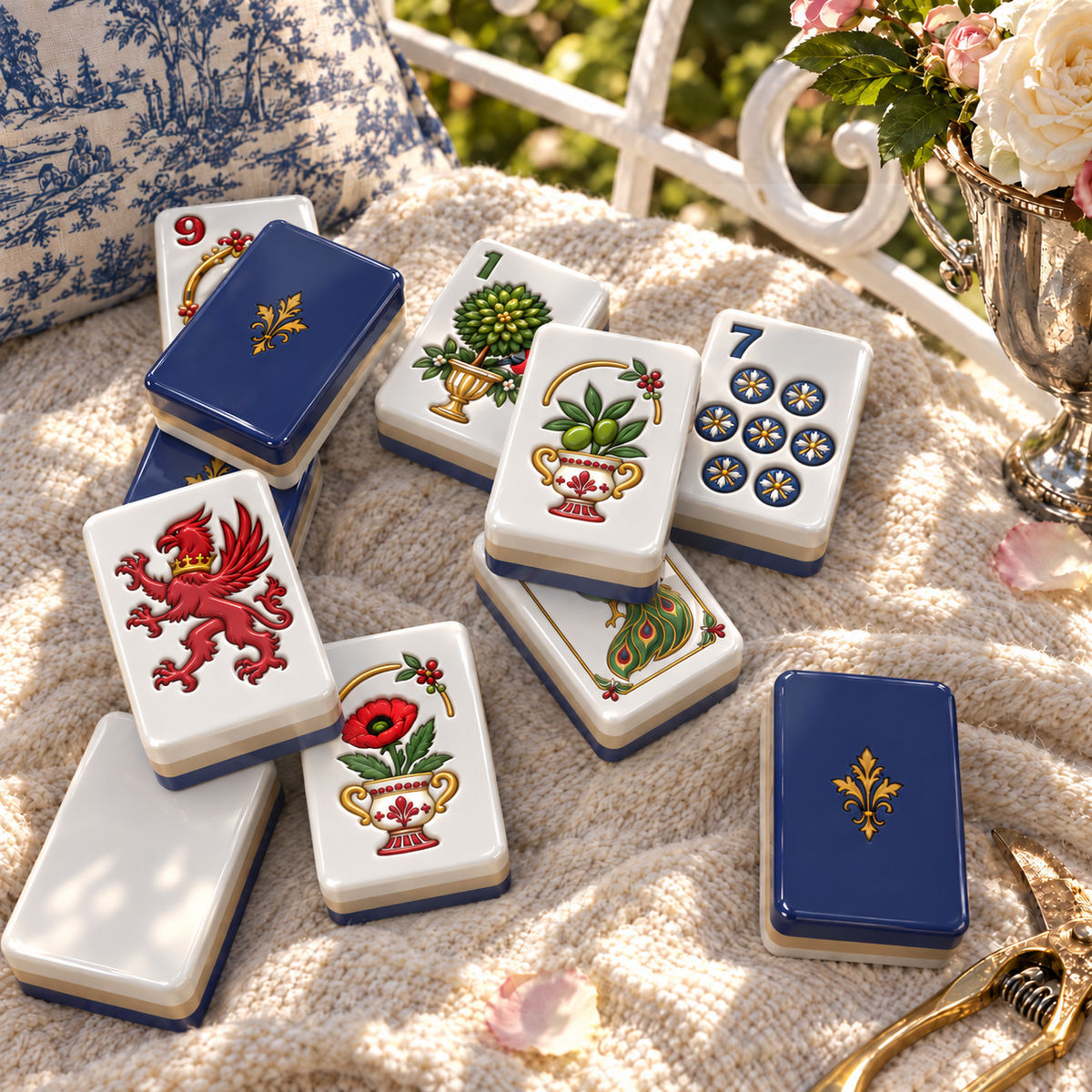
Left-handed mahjong players love the game because the sport itself has no built-in advantage for either hand. Unlike writing or throwing, tile handling in American mahjong rewards position sense, strategy, and draw speed equally. The real win for lefties comes from simple setup changes: sitting in a position where your draw arm faces the wall, keeping your discard pile to your right, and using racks designed for comfortable reach. A best-selling American mahjong set paired with a well-positioned mat and left-friendly rack with pushers removes friction and lets skill shine. Many left-handed players discover they actually see tile patterns faster from their natural seating angle, turning an old disadvantage into a genuine edge at the table.
Do left-handed players have a real disadvantage in mahjong?
No. Unlike sports requiring hand dominance, American mahjong depends on tile sorting, pattern recognition, and position at the table—not handedness. A left-hander sitting West and drawing from North has the exact same tile flow and game rules as a right-hander sitting East. The key difference: left-handed players often start in poorly positioned seats (East or South) where reaching the wall or organizing their hand feels awkward. Once seated correctly, lefties compete at equal skill levels and often report faster play.

What's the ideal seating position for a left-handed player?
A left-handed player thrives sitting in a position where their draw arm (left side) faces the active wall—typically North or West, depending on round rotation. From West, for example, you draw from the North wall with your left hand, discard right-handed to stay organized, and read tile faces naturally as you sort. Sit in East or South and you're reaching across your body, stacking tiles awkwardly, and losing speed. Rotate seats each round as rules require; the advantage shifts but stays real. Ask your group to honor seating preference during the Charleston if possible—most players accommodate without hesitation.
🀄 Shop best-selling mahjong sets →
Which mahjong mat layout works best for lefties?
The mat itself is symmetrical, but your seating zone matters. A quality mahjong mat with clear position markers helps you visualize your draw, discard, and hand zones. Sit West; your hand zone is your left side, discards stack to your right, and the wall is directly ahead. This layout lets you sort tiles left-to-right across the rack and reach naturally. A mat with a centered design and good padding also keeps tiles from sliding when you're reaching with your non-dominant right hand for gameplay—small stability wins matter in speed rounds.
Do left-handed players need special racks?
Not special, but intentional. Standard racks with pushers work for both hands; what matters is orientation. A left-handed player typically arranges tiles left-to-right (opposite of right-hander convention) and uses the pusher with the left hand to advance tiles smoothly. The tile face angle stays the same—you read tiles the same way. Many lefties prefer racks that sit at a slight angle to their body, allowing left-hand sorting without torquing the wrist. Acrylic racks with smooth pusher glides reduce friction and let speed play shine regardless of hand dominance.
Should left-handed players avoid certain set types or materials?
No. Tile material (acrylic, bone, bamboo) and hand size matter more than dominance. A left-handed player with smaller hands benefits from lighter tiles and smooth racks; a tall left-hander prefers taller racks and larger tile faces. The true advantage: acrylic tiles with clear markings (winds, numbers, dragons) so you read faces instantly without rotating. Choose a best-selling mahjong set based on tile size, rack comfort, and your table space—not handedness. Test a rack in person if possible; your grip and arm length drive comfort far more than left or right.

Comparison: Left-Handed Setup Checklist vs. Right-Handed Defaults
Setup Element | Left-Handed Ideal | Right-Handed Default | Outcome |
Seating (draw wall) | North or West | South or East | Lefty has natural arm reach; righty mirrors |
Tile sorting direction | Left-to-right | Right-to-left | Both read hand equally fast if seated correctly |
Rack pusher hand | Left hand | Right hand | Tile flow stays smooth if rack is quality acrylic |
Discard pile side | Right side of body | Left side of body | Organized play; no reach conflicts |
Mat orientation | Rotates per round | Rotates per round | Symmetric advantage; position drives speed |
What to Check Before You Buy
Rack pusher smoothness. Spin the pusher by hand before buying. Rough glides slow both hands equally; lefties notice drag more because they're often buying their first set.
Tile face clarity. Check numbers, winds, and dragon markers are large and high-contrast. Lefties reading tiles at non-standard angles need crisp printing.
Mat cushioning. A thin mat means tiles slide during left-hand reaches. Test pad thickness if ordering online; a mat guide helps you choose.
Set weight and tile size. Hold a sample if possible. Lightweight acrylic tiles work better for rapid left-hand play than heavy bone; smaller hands prefer smaller tiles.
Bag or case access. If you transport your set, choose a travel-ready bag or case with easy top access so you're not reaching into deep corners with your non-dominant hand.
Why Left-Handed Players Often Excel
Once setup friction disappears, left-handed mahjong players frequently report faster tile recognition and pattern spotting. Why? Many lefties spend years adapting to right-handed tools; they develop stronger visual compensation skills and read tiles from non-standard angles naturally. At the mahjong table, that translates to quick hand organization and rapid discards. A left-handed player sitting West with a quality rack, clear tile faces, and a stable mat often plays noticeably faster than a right-handed neighbor in the same round—not because of hand dominance, but because they've optimized position and gear to match their neurology.
The social side also clicks. Most mahjong groups are inclusive and rotate seats fairly. Left-handed players who speak up about seating preference are almost always accommodated, turning what could be awkward into a collaborative setup that benefits everyone at the table.
Real-World Left-Handed Win: The Setup Conversation
You sit down for a weekly game. The group defaults to East–South–West–North seating based on who walked in first. You mention you're left-handed and play faster from West or North. Instead of reshuffling, one player rotates to accommodate you. After the first hand, someone says, "You're moving those tiles really fast." By round three, the group has informally noted your preference—no big deal, no fuss. You play three more hands competitively and pack your set into a quality travel case knowing you've set yourself up for success. That's the left-handed mahjong advantage: small intentional choices, executed once, that pay off every week.
🎁 See our most-loved mahjong sets & accessories →
Where to Learn More
New to American mahjong? Start with our beginner's guide for hand patterns, the Charleston, and scoring basics. Left-handed learners benefit most from learning how to read the mahjong card first—clarity on tile calls cuts setup confusion in half. Understand how racks with pushers work and how to choose a mat before your first purchase so you're buying gear that fits your hand, your table, and your play style.
✨ Find your Mahstead set — free US shipping →

FAQ
Can a left-handed player use a standard acrylic mahjong set?
Absolutely. Acrylic tiles have no handedness built in. What matters is tile size, rack quality, and your seating position. A standard 160-tile set works identically for left and right hands; the rack and mat positioning are what shift.
Should I ask my mahjong group for special seating?
Yes, briefly and once. Say "I play faster from West or North" during setup. Most groups rotate seats each round anyway; they'll accommodate without fuss. Frame it as preference, not requirement.
Do left-handed players need a special rack with pusher?
No, but buy a high-quality acrylic rack with a smooth pusher. Smooth glides let both hands move tiles quickly; rough racks slow everyone down equally. Your left-hand comfort depends on rack angle and pusher smoothness, not left-handed design.
What tile size is best for left-handed hands?
It depends on your hand size, not dominance. Smaller hands (whether left or right) prefer tiles under 1 inch. Larger hands suit standard 1-inch tiles. Test before buying if possible; hand size and arm length drive comfort more than handedness.
Can I play mahjong left-handed if I've never played before?
Yes. Learn American mahjong rules the same way right-handers do, then sit in a position where your draw arm faces the wall. You'll catch on faster because you won't be fighting awkward reach and seating. Left-handed beginners often progress as quickly as right-handed peers once positioned correctly.
Is there a left-handed version of the mahjong card?
No. The National Mah Jongg League card is identical for all players. How you orient it at your seat is your choice; left-handers often angle it left-to-right instead of right-to-left, but the hand patterns and scoring are universal.


View More
View More
View More
