
Mahjong Groups in Arizona: Find Players & Start Playing
Last updated: Nov 23, 2026
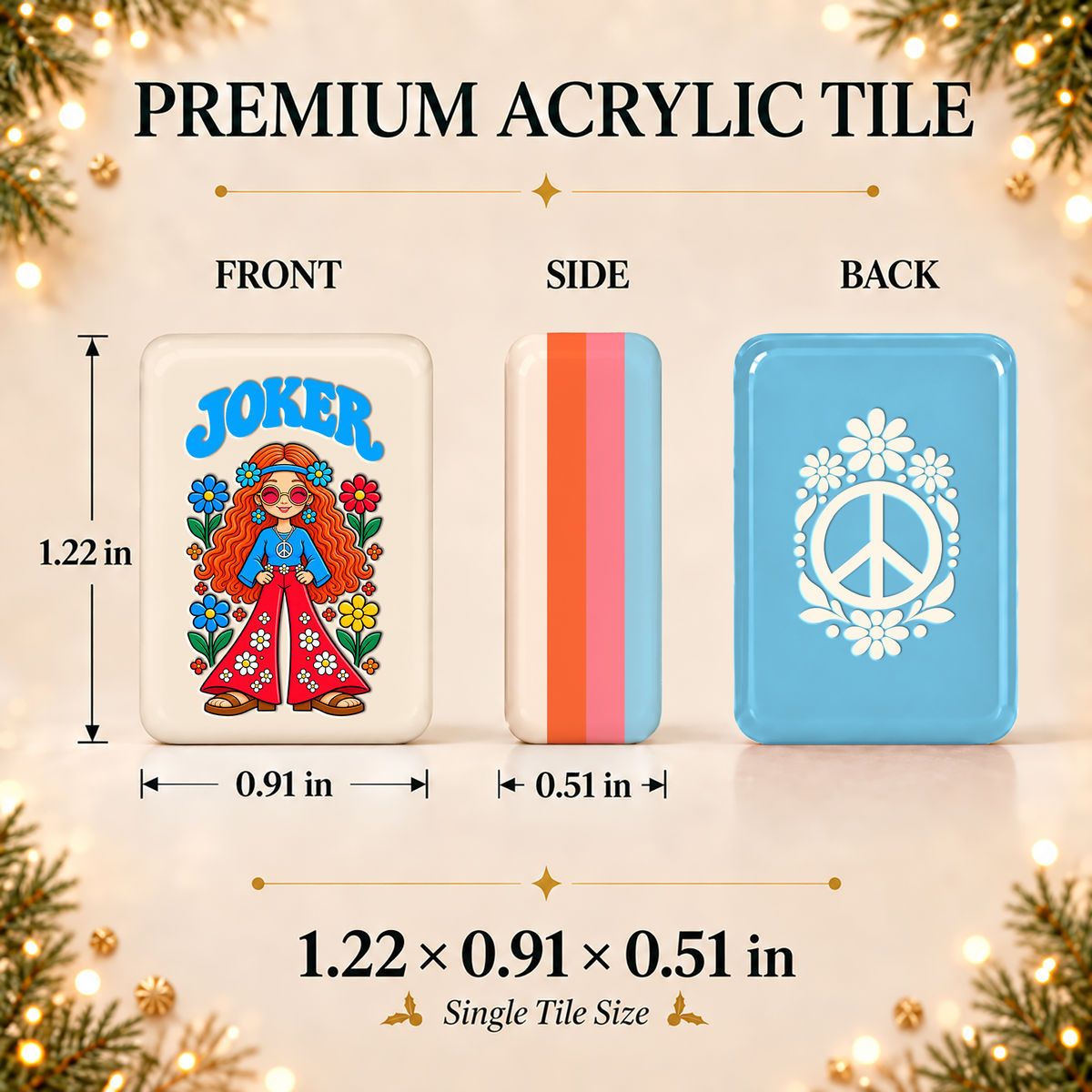
Arizona mahjong groups range from casual weekly home games to organized clubs in community centers, libraries, synagogues, and country clubs. Most Arizona groups play American mahjong (152 tiles, four players, hands drawn from the National Mah Jongg League card). Search Meetup.com and Facebook groups for "mahjong Arizona" or "mahjong Phoenix"; call your local community center, library branch, or Jewish community center—many host groups or maintain lists. Retirement communities in the Phoenix area often have established Thursday or Friday games. Beginner games typically start with instruction on the Charleston (tile-passing opening ritual) and how to read the card. Expect to invest in a personal set and mat if you'll play regularly; our best-selling mahjong sets come with everything beginners need, shipped free across the US.
Arizona has a genuine mahjong community spread across Phoenix, Scottsdale, Tucson, and retirement communities. Most Arizona groups play American mahjong (152 tiles, four players, hands drawn from the National Mah Jongg League card). Search Meetup.com and Facebook groups for "mahjong Arizona" or "mahjong Phoenix"; call your local community center, library branch, or Jewish community center—many host groups or maintain lists. Retirement communities in the Phoenix area often have established Thursday or Friday games. Beginner games typically start with instruction on the Charleston (tile-passing opening ritual) and how to read the card. Expect to invest in a personal set and mat if you'll play regularly; our best-selling mahjong sets come with everything beginners need, shipped free across the US.
Where do Arizona mahjong groups actually meet?
Most Arizona games happen in homes, community centers, libraries, and country clubs. Check your neighborhood community center for weekly drop-in or registered groups; they often charge two to five dollars per session or none at all. Libraries in Phoenix and surrounding towns frequently list mahjong groups on bulletin boards or direct callers to organizers. Jewish community centers host regular games and often welcome players of all backgrounds. Retirement communities—particularly in Sun City, Chandler, and Scottsdale—run established games, though some require residency or guest passes. Facebook groups tagged "mahjong Phoenix" or "mahjong Arizona" connect players directly; Meetup.com occasionally lists groups by city. Call ahead to confirm game level (beginner-friendly, intermediate, advanced) and whether you need to bring your own set.
🀄 Shop best-selling mahjong sets →

What skill level do beginners need to find a game?
Zero mahjong experience is fine; most groups include players teaching newcomers alongside veterans. Beginner-focused games spend the first 30 minutes on fundamentals: how the 152 tiles break down (three suits, winds, dragons, flowers, jokers), how the Charleston works, and how to recognize a winning hand on the card. You'll learn to spot how jokers work in American rules (they substitute for any tile except a pair or single) and why you can only call pungs (three identical tiles), kongs (four), and certain other combinations—never chows or sequences like in Chinese mahjong. Most groups expect you to practice reading the card between games; hosting a weekly game yourself accelerates learning fast. Learn the American mahjong rules fundamentals before your first session so you feel grounded.
How much does it cost to join an Arizona group?
Most Arizona community-center and library groups cost nothing or charge one to five dollars per session to cover space rental. Retirement-community games may require membership or a guest fee (five to ten dollars). Home games often rotate host duties and ask players to bring snacks or a small contribution to a pot (typically two to five dollars per person per game, split among winners). Private clubs or country clubs may charge annual membership fees separate from game costs. You'll need your own set if you play regularly; new players often share a set during their first game, but hosting a game or committing to weekly play justifies buying one. There's no hidden subscription or ranking system in American mahjong—you buy or borrow a set, learn the current year's card (issued every spring), and show up.
What equipment do you actually need to bring?
If you're a guest at your first game, bring nothing—the host provides a set, mat, and card. Once you're playing weekly, invest in your own set so you own tiles you trust and can practice at home. A standard American mahjong set contains 152 playing tiles plus spare tiles; you'll also want a mat for protection and easy tile movement, a rack with pushers to organize your hand without dropping tiles, and a bag if you're traveling to games. A guide to choosing the right mahjong mat walks you through sizing and surface finish. Many Arizona players keep a set in their car for spontaneous games at retirement communities or friends' homes. Racks with pushers let you handle tiles smoothly without fumbling—a practical investment if arthritis or hand strength is a factor. Our travel bags and cases protect a set during transport between Arizona heat and air-conditioned indoor venues.
Item | Who needs it | Why it matters | When to buy |
Personal set (152 tiles) | Regular players (weekly+) | Familiar tiles, faster play, home practice | After 3–4 games |
Mat (padded cloth or bamboo) | All regular players | Tile protection, quiet play, ease of movement | Before your 2nd game |
Rack with pushers | Any player with hand fatigue or arthritis | Ergonomic tile handling, fewer spilled tiles | Immediately if needed |
Bag or case | Players traveling to games | Protection from heat, sand, humidity | When you own a set |
Current-year NMJL card | Every player at every game | Contains all legal hands for the year | Before game 1 |
🎁 See our most-loved mahjong sets & accessories →

How do you move from your first game to joining a steady group?
Ask the host or organizer if the group meets weekly and when. Exchange contact info with players who seem welcoming; many Arizona groups use a group text or email to confirm attendance or announce time changes. Attend the same game twice to become familiar, then ask to be added to the regular roster. Some groups rotate hosts; offering to host once you own a set earns trust fast. If a community center or library group appeals to you, sign up for any formal registration and show up consistently—organizers notice and invite regulars to sidegames or special events. Join the Facebook or Meetup group associated with your favorite game so you see announcements. Arizona's seasonal migration (snowbirds leaving May–September) means summer games may shrink or pause; ask where the group reconvenes in fall. Don't hesitate to try multiple groups—a beginner game on Monday and a more competitive one on Thursday keeps your skill sharp and expands your network.
What should you check before you buy a set?
Decide whether you want American mahjong (152 tiles, four-player game, card-based hands) or a different variant. Almost all Arizona groups play American rules, so that's your safe bet. Check set quality: acrylic tiles last longer than bamboo in Arizona's dry heat; look for smooth, evenly weighted tiles and clear printing that won't fade. Verify the set includes the current year's card (or confirm the group provides one—new cards arrive every spring). If you have hand pain or arthritis, test a rack with pushers at a friend's game before buying. Our best-selling mahjong sets ship free across the US with everything a four-player game needs. Read what's in an American mahjong set to confirm you're not buying duplicates or a variant you don't need.
✨ Find your Mahstead set — free US shipping →
Practical next steps
Step 1: Search for groups. Visit Meetup.com, search "mahjong Arizona" or "mahjong Phoenix." Call your nearest community center, library, or synagogue and ask if they know a mahjong organizer. Check Facebook groups tagged "mahjong Arizona."
Step 2: Attend a beginner game. Don't overthink it. Show up five minutes early, introduce yourself as new, and listen. Most groups reserve 30 minutes for teaching new players the tile names, the Charleston, and how to read the card.
Step 3: Borrow or observe the first time. You don't need your own set yet. Watch two or three games; read how to play American mahjong online so you recognize what's happening.
Step 4: Buy a set if you'll play weekly. After 3–4 games, if you're hooked, invest in a personal set, mat, and rack. You'll play faster, feel confident, and be ready to host.
Step 5: Find your regular game. Ask the organizer if you can commit to a weekly slot or join a rotation. Consistency builds friendships and skill faster than dropping in randomly.

FAQ
Do Arizona mahjong groups play American mahjong or Chinese mahjong?
Nearly all Arizona groups play American mahjong (four players, 152 tiles, hands from the National Mah Jongg League card). Chinese, Hong Kong, Riichi, and Taiwanese variants are rare in Arizona. Confirm with the group organizer before attending.
Can I bring a friend to my first game?
Yes, most groups welcome observant guests during open-play sessions. Call ahead to confirm. Home games vary by host, so ask directly. Retirement-community games may restrict guests to members or require a pass.
Do I need to own a set before my first game?
No. The host provides a set for your first game. After 3–4 sessions, if you're playing weekly, owning your own set speeds up gameplay and lets you practice at home.
What's the best time to find a game in Arizona?
Most groups play Thursday, Friday, or Saturday afternoons or evenings. Summer (June–August) often sees lighter attendance because snowbirds leave. Groups typically resume full rosters in October.
Are there any mahjong tournaments in Arizona?
Arizona hosts occasional American Mahjong League sanctioned events and local charity tournaments. Ask your group organizer or check the National Mah Jongg League website for regional events. Many are invitation-only for registered players.
How long does an American mahjong game take?
A typical game lasts 1.5 to 2.5 hours for four players, including 10–15 minutes of the Charleston (tile-passing ritual at the start). Beginner games run longer because players read hands more slowly.
What's the National Mah Jongg League card, and do I need to buy it?
It's the official handbook of legal winning hands for American mahjong, updated every spring. Most groups provide one at the table. Buy your own if you want to practice at home; ask your group organizer where to order the current year's card.


View More
View More
View More
