
What Set Do You Need for Hangzhou Mahjong: A Buyer's Guide
Last updated: Nov 23, 2026
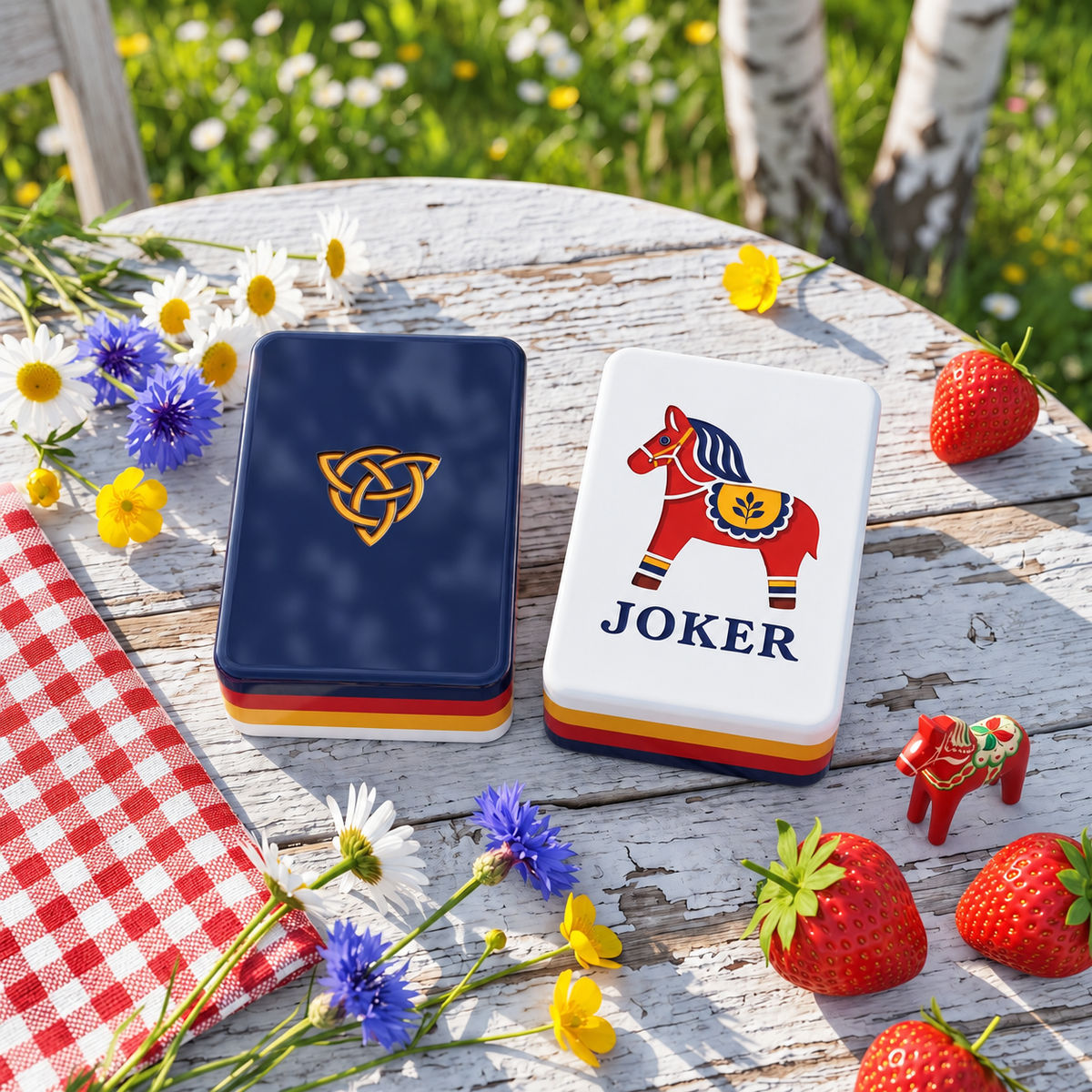
Hangzhou mahjong (杭州麻将), a Shanghai-region variant, uses 108 tiles—three suits (Bamboo, Character, Dot) numbered 1–9, four copies each, plus Winds and Dragons, but no Flowers or jokers. Play focuses on fast melds and simpler winning hands than American mahjong. If you're hosting Hangzhou games, you'll want a set labeled for Chinese or "Ningbo-style" play rather than an American-only deck, because American sets include Flowers and extra jokers that Hangzhou rules don't use. You don't need an expensive specialist set—a clean acrylic 108-tile or 144-tile set works fine, and our best-selling collection includes versatile options suitable for multiple Chinese variants. Expect to pay less than you would for a premium American set; the key is checking the tile inventory before you order to confirm Winds, Dragons and suit counts match Hangzhou play. 🀄 Shop best-selling mahjong sets →
How does Hangzhou mahjong differ from American mahjong?
American mahjong uses 152 tiles (or 160 with spares) and requires hands from the current year's official card. Hangzhou uses 108 tiles, no Flowers or Jokers, and winning hands follow fixed patterns you memorize, not a printed card. American play emphasizes exposed melds (Pungs, Kongs, Quints); Hangzhou rewards fast play and concealed hands. In Hangzhou, a winning hand typically contains four melds (three sets of three or four tiles each, plus a pair), similar to Chinese classical rules. Learning Hangzhou feels lighter if you already know American—fewer tiles to track, no Charleston tile-passing ritual—but the winning patterns are rigid, so expect a learning curve. Read how American mahjong rules work to see the contrast clearly.

What tile count and suit breakdown do you actually need?
Hangzhou requires exactly 108 tiles: three suits (Bamboo, Character, Dot) with numbers 1–9, four copies each (108 total for suits), plus 16 Winds (4 each: North, East, South, West) and 12 Dragons (4 each: Red, Green, White). You do not use Flowers or Jokers. Some players buy 144-tile sets (which add extra Winds and Dragons for larger tables or backup) or even full 152-tile American sets and simply remove or ignore the Flowers and Jokers—workable, but wasteful. The cleanest choice is a 108-tile set marketed for Chinese or Ningbo play. Acrylic tiles last longer than bamboo in weekly games and won't chip or absorb moisture from drinks. Check the product listing before checkout to confirm the exact tile breakdown; a set labeled "108 tiles" should itemize: Bamboos 1–9 ×4, Characters 1–9 ×4, Dots 1–9 ×4, Winds ×16, Dragons ×12, with zero Flowers or Jokers.
🎁 See our most-loved mahjong sets & accessories →
Should you buy a 108-tile, 144-tile, or oversized set?
Set Type | Tile Count | Best For | Notes |
108-tile (standard Hangzhou) | Exactly what rules require | Home games, 4 players, weekly groups | Most affordable; no unused tiles; fits standard racks. |
144-tile (Chinese classical) | Extra Winds/Dragons, same suits | Larger tables, multiple variants, backup tiles | Slightly pricier; lets you seat 5–6 or play other Chinese games. |
160-tile (American-style acrylic) | 152 for play + spares | Players who also enjoy American mahjong | Overkill for Hangzhou-only groups; Flowers and Jokers go unused. |
Most Hangzhou groups start with 108-tile sets because the tile inventory matches the rules exactly—no confusion about which tiles are "active." If your group plans to rotate between Hangzhou and other Chinese variants (Shanghai, Ningbo, Chongqing), a 144-tile set offers flexibility without much cost difference. Avoid 160-tile American sets unless you're genuinely hosting both American and Hangzhou games in rotation; the extra Flowers and Jokers just clutter your case.

What material and aesthetic work best for weekly Hangzhou play?
Acrylic tiles are our recommendation for Hangzhou groups because they're durable, sound crisp when shuffled, and resist stains from food and drinks over years of weekly play. Bamboo and bone tiles look beautiful but chip easily, absorb smells and need careful storage. Acrylic sets in our best-selling collection come in classic designs (white tiles with printed symbols) and engraved options—the engraved tiles are slightly more legible under dim bar lighting and feel premium without being fussy. Tile size matters too: standard is about 1" × 0.75"; larger tiles (1.25" and up) suit players with vision challenges or arthritis. Check the weight and balance—tiles should slide smoothly on your rack and not feel hollow or wobbly when stacked. If your table uses a mat, measure the mat dimensions and confirm the tile size fits; oversized tiles on a small mat create crowding.
What accessories do Hangzhou players actually use?
Beyond tiles, three accessories matter. First, a mahjong mat—not required, but it protects the table, reduces noise, and marks the discard zone clearly, which speeds up fast Hangzhou play. Second, racks with pushers help conceal your hand and organize your melds, especially valuable in Hangzhou where hand concealment is strategically important. Third, a case or bag keeps your tiles safe between games; Hangzhou groups often meet at restaurants or bars, so a sturdy case prevents tiles from shifting or cracking in the car. Our travel-focused mahjong bags and cases protect 108-tile or 144-tile sets perfectly. Scoring beads are optional in Hangzhou (most groups use paper or a phone app), so you won't need the scoring towers that American players use.
✨ Find your Mahstead set — free US shipping →
What to check before you buy
Tile inventory clarity. Before adding a set to your cart, verify the product description lists exact tile counts: "108 tiles = Bamboo 1–9 ×4, Character 1–9 ×4, Dot 1–9 ×4, Wind 16, Dragon 12, no Flowers/Jokers." If the description is vague (e.g., "complete set" without detail), contact the seller for a breakdown.
Engraving vs. printed symbols. Printed tiles are cheaper and lighter; engraved tiles are more readable and durable but slightly heavier. For weekly play, engraved is worth the small premium.
Tile size and rack compatibility. If you already own racks, measure your rack's tile slots (usually 1" or 1.25" wide). Buy a set that matches; mixed sizes won't fit smoothly.
Spare tiles or not. A 108-tile set with no spares means all 108 are in play—efficient but no backup. Some sellers bundle extra blank tiles; these are handy if a tile cracks mid-game, though rare with acrylic.
Shipping and case. Confirm free shipping is included (ours is, across the US). If the set doesn't come in a case, budget for one separately; loose tiles in a box arrive bent or chipped.

FAQ
Can I use an American mahjong set to play Hangzhou mahjong?
Technically yes—remove the Flowers and Jokers, then play with the remaining 144 tiles. But you'll have 36 "dead" tiles cluttering your storage, and the extra Winds and Dragons invite confusion about which combinations are valid in Hangzhou. Not recommended if Hangzhou is your primary game.
Is a 144-tile set overkill if I only play Hangzhou?
No. A 144-tile set costs only slightly more than 108 tiles and gives you backup tiles if one cracks, plus flexibility to host other Chinese variants. For weekly groups, the buffer is worth it.
Do I need engraved or printed tiles?
Printed tiles work fine for casual home play. Engraved tiles are more durable and easier to read under poor lighting—worth considering if you play at bars, restaurants or dimly lit venues.
What's the difference between "Hangzhou," "Ningbo," and "Shanghai" mahjong for tile selection?
All three use 108-tile decks with identical suit structures (Bamboo, Character, Dot, Winds, Dragons, no Flowers/Jokers). Winning patterns and hand values differ, but the tiles themselves are the same. A 108-tile set works for all three—just learn the hand rankings for each variant.
Should I buy a mat for Hangzhou play?
A mat isn't essential but helps with noise reduction, table protection, and hand organization—especially useful if you rotate games at different venues. If your group shares one mat, focus budget on a quality tile set and case instead.
How do I know if a set has the right Winds and Dragons count?
Hangzhou requires exactly 4 each of North, East, South, West (16 total) and 4 each of Red, Green, White Dragons (12 total). The product description should state "16 Winds, 12 Dragons" or list them individually. If it says "unlimited Winds" or doesn't break them out, ask the seller before buying.


View More
View More
View More
