
Why Is It Called Mahjong Sparrow? The Real History
Last updated: Nov 23, 2026
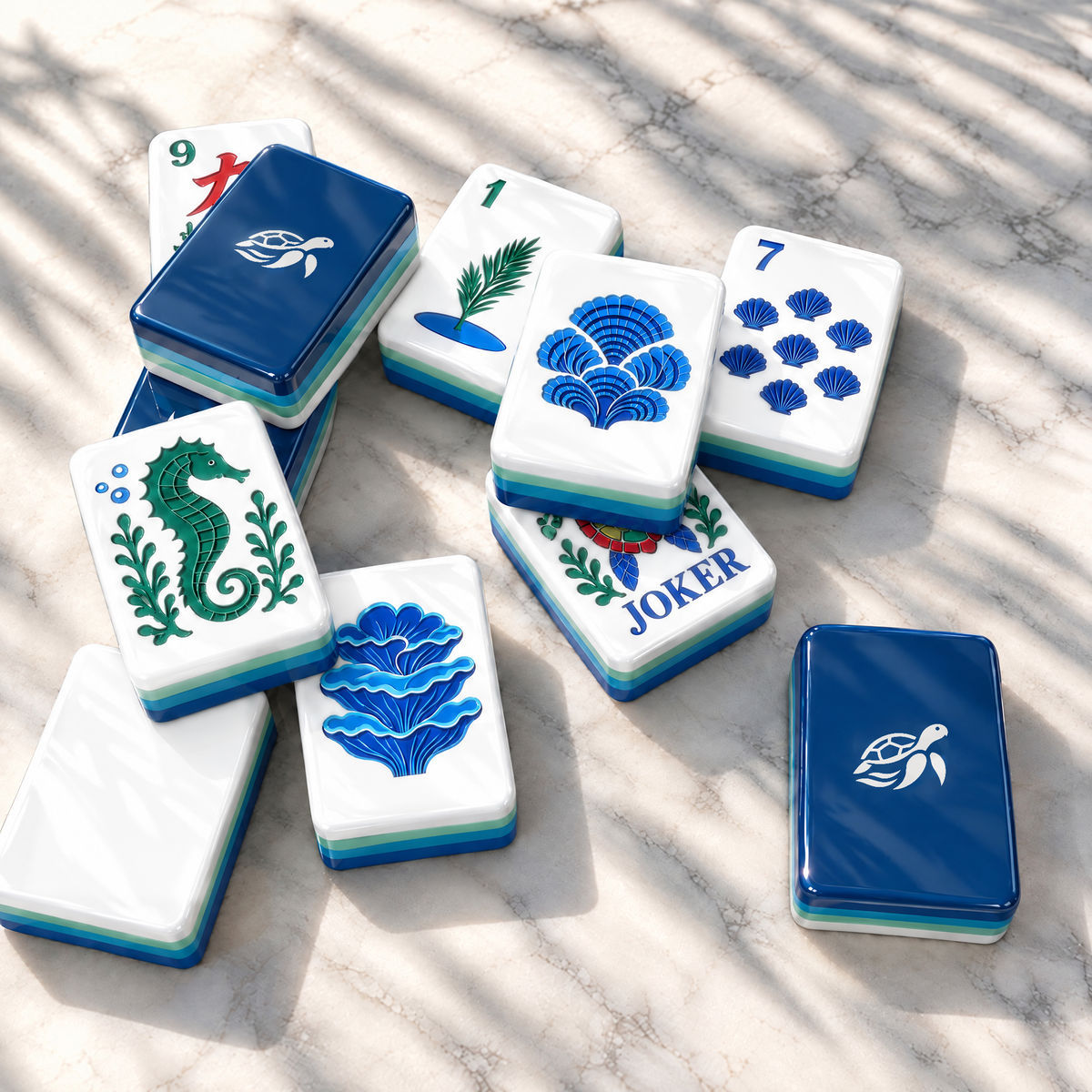
The term "sparrow" appears in mahjong's Mandarin name mah-jong or máhuà jiàng, where máquè refers to the sparrow bird. Ancient Chinese scholars and nobility played a domino-like sparrow game centuries before modern mahjong emerged in the 1800s. The sparrow connection symbolized quick wit, social gathering, and the game's blend of chance and skill—birds flitting unpredictably mirror how tiles are drawn and discarded. When mahjong as we know it (with 152 tiles, winds, dragons, flowers) standardized globally, the sparrow etymology persisted because it honored the game's cultural roots. You'll hear "sparrow" used casually in some regions, though American mahjong players today typically just say "mahjong" without the bird reference. The 160-tile acrylic sets at Mahstead carry no sparrow imagery—instead they feature modern designs that celebrate the game's strategy and social joy.
What does "sparrow" actually mean in mahjong?
The sparrow connection isn't decorative—it's etymological. The Chinese name máhuà jiàng evolved from máquè píai (sparrow tile game), a tile-based pastime predating modern mahjong by centuries. When Westerners first encountered mahjong in Shanghai during the 1920s, they heard the word and anglicized it to "mah-jong." The sparrow reference stuck in academic and cultural histories but faded in casual play. In American mahjong today, you rarely hear the term; the game stands on its own merit as a four-player tile game using exactly 152 tiles, eight jokers, and an annual card of legal hands.
The bird itself—the sparrow—carries metaphorical weight. Sparrows are quick, social, and unpredictable; they flit in flocks, much like a group gathered around a mahjong table. Chinese poetry and philosophy often used sparrows to represent intelligence, community, and fortune. Calling the game "sparrow" elevated it from a mere pastime to an art form worthy of scholarly attention. That cultural weight is why the name survived translation and colonization.

Was mahjong originally played with bird tiles?
No—the sparrow wasn't depicted on tiles; it was part of the game's linguistic and cultural identity. Ancient Chinese domino games and tile games often had animal or symbolic names to aid memorization and add prestige. The sparrow name emerged because the game's speed, tile-clicking sounds, and rapid draws reminded players of birds' movements and chatter. Over time, the name became inseparable from the game itself.
Modern American mahjong sets use only the four standard suits (Bams, Craks, Dots), honor tiles (winds and dragons), flowers, and jokers. No sparrow tiles exist in the canonical 152-tile deck. Some regional variants and antique sets from China or Japan included animal symbols or creature imagery, but these were decorative rather than functional. Today's best-selling mahjong sets focus on clarity, readability, and beauty—acrylic tiles with crisp symbols that make play smooth and social gatherings seamless.
Which mahjong variants actually use the sparrow name?
The term "sparrow" appears most in Chinese-language mahjong contexts and academic histories. Hong Kong mahjong, Chinese classical mahjong, and Taiwanese mahjong don't typically market themselves as "sparrow" games to players—the word is historical ballast rather than active terminology. Riichi mahjong (the Japanese standard) has no sparrow reference. American mahjong, which emerged as a Westernized simplification in the 1920s–1930s, never adopted the sparrow label; it was already Anglo-American by the time the term solidified in scholarship.
If you encounter "sparrow mahjong" in online forums or regional play guides, it usually signals an older text or a nostalgic reference rather than a distinct ruleset. The sparrow connection is cultural and etymological, not mechanical. Whether you play American, Hong Kong, or Chinese rules, the game's core—tile matching, pattern recognition, and social play—remains unchanged. Learning which variant suits your group is more important than the bird imagery; explore mahjong variants and find the ruleset that keeps everyone engaged.
🀄 Shop best-selling mahjong sets →
Does the sparrow name affect how American mahjong is played?
Not at all. American mahjong has no sparrow mechanic, tile, or scoring rule tied to the bird reference. The game is defined by its 152-tile structure, the annual National Mah Jongg League card of legal hands, the Charleston passing ritual, and a no-sequences (chows) rule that sets it apart from Asian variants. Whether you call it "mahjong" or remember its sparrow heritage, you're still matching sets, calling pungs and kongs, managing jokers, and reading the card.
The sparrow name is purely linguistic history—it enriches understanding of the game's ancestry but doesn't change strategy, scoring, or tile values. A player new to how to play American mahjong won't encounter the word "sparrow" in the rules, the card, or tournament guidelines. It's a lovely detail for players curious about etymology; it has zero impact on your Thursday night game or your first tournament.

Why isn't "sparrow" used in modern mahjong marketing and play?
The word faded because language evolves with use. As mahjong spread globally in the 20th century, the English word "mahjong" became dominant. Marketing, rulebooks, and social play gravitated toward simplicity and international recognition. A brand launching a new set today wouldn't call it "sparrow mahjong"—it would just say "mahjong," possibly with a style descriptor (e.g., "engraved," "travel," "luxury"). The sparrow reference survives in histories and academic texts, but casual players rarely hear it.
Additionally, the sparrow name was never universal even in China. Different regions had different slang, and colonization and globalization flattened terminology around "mah-jong" as the standard English transliteration. Modern sets—whether engraved American mahjong sets with custom names, festive designs, or travel-friendly acrylic tiles—market themselves on quality, readability, and functionality rather than linguistic nostalgia. The game's beauty speaks for itself without invoking birds.
Decision Framework: Choosing a Set Regardless of History
Factor | Why It Matters | Action |
Tile Count | American mahjong uses exactly 152 tiles + 8 jokers; extra tiles are spares. | Confirm the set includes 160 tiles total (152 playing + spares). |
Acrylic vs. Bone/Bamboo | Acrylic is durable, readable, affordable; bone/bamboo is traditional but fragile. | Choose acrylic for weekly games; bone if you collect and display. |
Readability | Engraved or printed symbols must be clear for fast play. | Test symbols in low light before committing. |
Portability | If you travel to other groups, a compact mat or bag saves time. | Pair a set with a mahjong bag if you host or visit often. |
Design | Themed or custom-engraved sets make gifts and group identity memorable. | Engrave a set for a milestone (anniversary, tournament win). |
What to Check Before You Buy
Tile count: Confirm the set has 152 playing tiles + 8 jokers (160 total). Spare tiles are never added to active play.
Suit symbols: Ensure Bams (circles), Craks (cracks/lines), and Dots (dots) are instantly recognizable under lamp or daylight.
Joker design: Some sets use blank tiles, others use printed jokers; both work, but consistency across the set matters.
Rack & mat fit: If buying a set, check whether you need mahjong racks with pushers and a mat for comfort.
First-time players? Start with a best-selling set that matches standard American rules; specialty variants can follow once your group is confident.
🎁 See our most-loved mahjong sets & accessories →
The sparrow name is a beautiful thread connecting modern mahjong to its ancient past. It reminds us that the game we play today evolved from centuries of Chinese ingenuity, social play, and the thrill of chance. Whether you know the etymology or not, every time you gather around a table—drawing tiles, calling sets, watching faces light up—you're part of that same tradition. The sparrow symbolized quick wit and community. Your mahjong night does too.
✨ Find your Mahstead set — free US shipping →

FAQ
Does the sparrow name appear on mahjong tiles?
No. Ancient sparrow games predated modern mahjong. The 152-tile American mahjong set contains only Bams, Craks, Dots, winds, dragons, flowers, and jokers—no bird symbols. The sparrow reference is etymological and cultural, not visual or functional.
Is "sparrow mahjong" a different ruleset?
No. "Sparrow mahjong" is a historical term, mainly found in older texts and academic writing. American mahjong, Hong Kong mahjong, and other variants don't market themselves as "sparrow" games today. The rules, tile structure, and scoring are independent of the name.
Why should I know about the sparrow connection?
It deepens your appreciation for mahjong's rich history and links casual play to ancient Chinese traditions. It's not required knowledge—you can play expertly without ever hearing the term—but it adds context and meaning to the game's cultural prestige.
Does buying a set have anything to do with the sparrow history?
No. Choosing a set depends on tile quality, readability, portability, and your group's rules (American, Chinese, Riichi, etc.). Mahstead's 160-tile acrylic sets are designed for modern American mahjong and function identically whether or not you know the sparrow etymology.
Where can I learn more about mahjong's origins?
Academic histories of mahjong (available in libraries and online) cover the game's evolution from ancient tile games to modern standardization. Start with books on mahjong culture or etymology; online forums and regional mahjong associations often share historical timelines and regional variations.


View More
View More
View More
