
How to Use the 3 Crak Tile in American Mahjong
Last updated: Nov 23, 2026
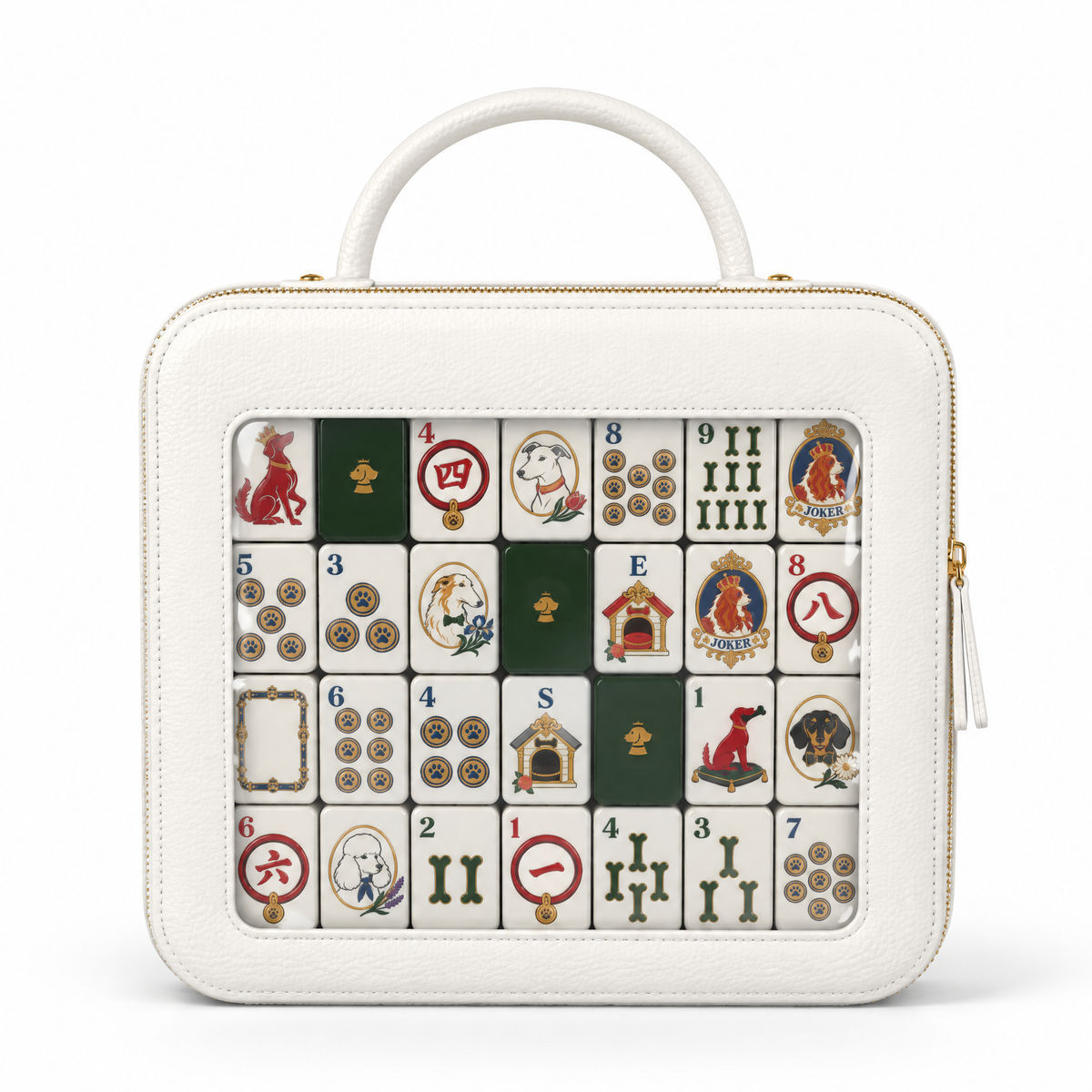
The 3 Crak is one of four identical bamboo-suit tiles numbered 3 in every American mahjong set. It appears in dozens of hand patterns on the yearly National Mah Jongg League card, often in pungs (three identical 3 Craks), kongs (four copies), or as part of a pair. Because American mahjong relies on sets of identical tiles rather than sequences, the 3 Crak's value depends entirely on what hand you're building: check the current card's sections (typically organized by pung, kong, pair and flower combinations) to spot which rows include it. You cannot use the 3 Crak in a chow or sequence—American rules forbid that. Four 3 Crak tiles come in every best-selling mahjong set, and learning to read the card will show you exactly when to hold, discard, or call it. --- 🀄 Shop best-selling mahjong sets →
What Suit Does the 3 Crak Belong To, and Why Does That Matter?
The 3 Crak is part of the Crak suit—bamboo-decorated tiles numbered 1 through 9, with four copies of each number in the set. Craks pair with the Red dragon in American mahjong hand patterns, so many high-scoring hands pair a Red with three, four, or more Craks. Recognizing that the 3 Crak is always bamboo (never confused with Dots or Bams) helps you quickly scan the card and spot hands that include it without hesitation during play.

Where Does the 3 Crak Appear Most Often on the Card?
The 3 Crak appears in pung, kong, pair, and flower/quint sections throughout the current National Mah Jongg League card. Because it sits in the middle of the 1–9 range, it's neither a terminal (1 or 9) nor a rare honor tile, so it shows up in a steady variety of patterns. You'll find it in simple three-tile pungs, in larger melds that combine multiple Craks, and in pairs alongside wind or dragon tiles. The card organizes rows by meld type—scan the sections that list Crak combinations and note which columns (often representing flower, wind, or dragon partners) pair with the 3. Most players hold or call a 3 Crak when they're one or two tiles away from completing a hand that includes it, so counting how many rows feature it helps you stay alert during the game.
How Do You Build a Meld With a 3 Crak?
In American mahjong, you build melds only from identical tiles. A 3 Crak meld always uses three, four, five, or six identical 3 Crak tiles—never 1-2-3 or 3-4-5, because American rules forbid chows and sequences. Here's a step-by-step process:
Draw or call the first 3 Crak from the wall or discard pile.
Collect a second and third 3 Crak through draws, calls, or the Charleston (the pre-game tile-passing ritual).
Expose a pung (three identical 3 Craks face-up) on the table when a player discards the fourth copy, or hold it hidden in your hand.
Add a fourth 3 Crak from the wall to upgrade your pung into a kong, exposing it to signal the upgrade.
Use a joker if you're one 3 Crak short—place the joker in the meld to represent the missing tile (though jokers cannot form a pair or single-tile meld alone).
Never mix numbers: three tiles of different Craks (like 1, 3, and 5) don't form a legal meld. A 3 Crak meld must be all 3s.
What's the Difference Between Holding and Calling a 3 Crak?
Holding a 3 Crak means keeping it hidden in your hand, waiting to draw or build it into a complete meld yourself. This is your default strategy early in the game when you're still fishing for tiles and don't want to telegraph your hand to other players. Calling a 3 Crak means declaring that you need it the instant another player discards it—you draw it from the discard pile, immediately expose a pung or quint on the table, and your turn ends. Calling is aggressive and useful only when you're certain the 3 Crak completes your winning hand or a meld that keeps you on track. The golden rule: call a 3 Crak only if it solves an immediate need, because once you expose it, all three opponents know exactly what you're building and will adjust their discards accordingly. Holding keeps your options hidden longer.

Common Mistakes Players Make With the 3 Crak
Mistake | Why It Hurts | How to Avoid It |
Discarding a 3 Crak too early | Opponent calls it and completes a hand you didn't know they were building | Hold it through at least three rounds; watch the discard pile for patterns |
Confusing it with 3 Dot or 3 Bam | You think you have a pung when you don't | Always check the suit symbol (bamboo stalks) before picking it up |
Calling it when you're not one tile from meld completion | You expose your hand prematurely and reduce your flexibility | Verify on the card that the 3 Crak + your remaining tiles form a valid meld before calling |
Using a joker as a 3 Crak in a pair or single tile | Illegal under American rules; invalidates your hand | Jokers represent missing identical tiles only in pungs, kongs, quints, or sextets—never pairs or singles |
Not counting how many 3 Craks are still in play | You chase a fourth copy that's already been discarded or exposed elsewhere | Track the discard pile and exposed melds; if three 3 Craks are gone, don't wait for the fourth |
🎁 See our most-loved mahjong sets & accessories →
How to Read the Card to Find 3 Crak Hands
The National Mah Jongg League card sections hands by structure: pungs and kongs (identical tiles), pairs, and flower/quint combinations. To spot 3 Crak hands:
Open the current year's card and scan column headers—they often label sections like "Three Pungs," "Pung-Kong-Pair," or "Five Flowers."
Look for the Crak symbol in the rows—bamboo icon or stylized lines.
Read the number row-by-row to find where the 3 appears.
Note the partner tiles (often Winds, Dragons, Dots, or other Craks) that must accompany it.
Underline or highlight the 3 Crak hands you're close to building so you can glance at them during play without flipping the full card.
Most winning hands on the card include a 3 Crak somewhere, so familiarity with the card layout pays dividends every game.
What to Check Before You Buy a Mahjong Set
If you're new to American mahjong, a quality set—like those in our best-selling collection—ensures the tiles are clearly marked and durable enough for weekly play. Look for:
Clear, readable tile faces with distinct suit symbols so you never confuse a 3 Crak for a 3 Dot.
Four copies of every number tile, including four 3 Craks (standard in 160-tile sets).
Smooth, balanced tiles that slide easily when you're scanning your hand.
A protective mat or carrying case so tiles don't scatter mid-game.
✨ Find your Mahstead set — free US shipping →
What You'll Need
To practice the 3 Crak scenarios in this guide, set up with a full 160-tile American mahjong set, the current year's National Mah Jongg League card, and a mahjong mat to organize your tiles. If you play weekly, racks with pushers help you hold tiles neatly and shield your hand from other players' view. A travel bag or case keeps your set safe between games.

FAQ
Can I use the 3 Crak in a sequence like 1-2-3 or 3-4-5?
No. American mahjong forbids chows and sequences entirely. The 3 Crak must be part of a pung (three identical 3 Craks), kong (four), quint (five), or sextet (six). Sequences are allowed only in Chinese, Riichi, and Hong Kong mahjong, not American.
If I have two 3 Craks in my hand and draw a joker, can I use it as the third 3 Crak?
Yes, but only if you expose the pung on the table immediately or use it in a larger meld. You cannot keep a joker hidden in your hand as a substitute for a single 3 Crak or pair—jokers may only represent missing tiles in exposed melds.
What happens if I discard the last 3 Crak and another player calls it for their winning hand?
That player wins the hand. They expose their meld and score; the game ends and you replay with a new wall. Always track which 3 Craks have left the set before holding or discarding them recklessly.
Is the 3 Crak worth more points than other number tiles?
Points depend entirely on the hand pattern on the card, not on individual tiles. A 3 Crak in one hand might score 30 points; in another, 50. Check the card row you're building to see the score, not the tile itself.
How many 3 Crak tiles should I expect in a standard set?
Exactly four. Every American mahjong set contains four identical copies of each numbered tile (1–9) in each suit, so four 3 Craks, four 3 Dots, four 3 Bams, and so on.


View More
View More
View More
