
What Is Pie in American Mahjong: The Winning Pattern Explained
Last updated: Nov 23, 2026
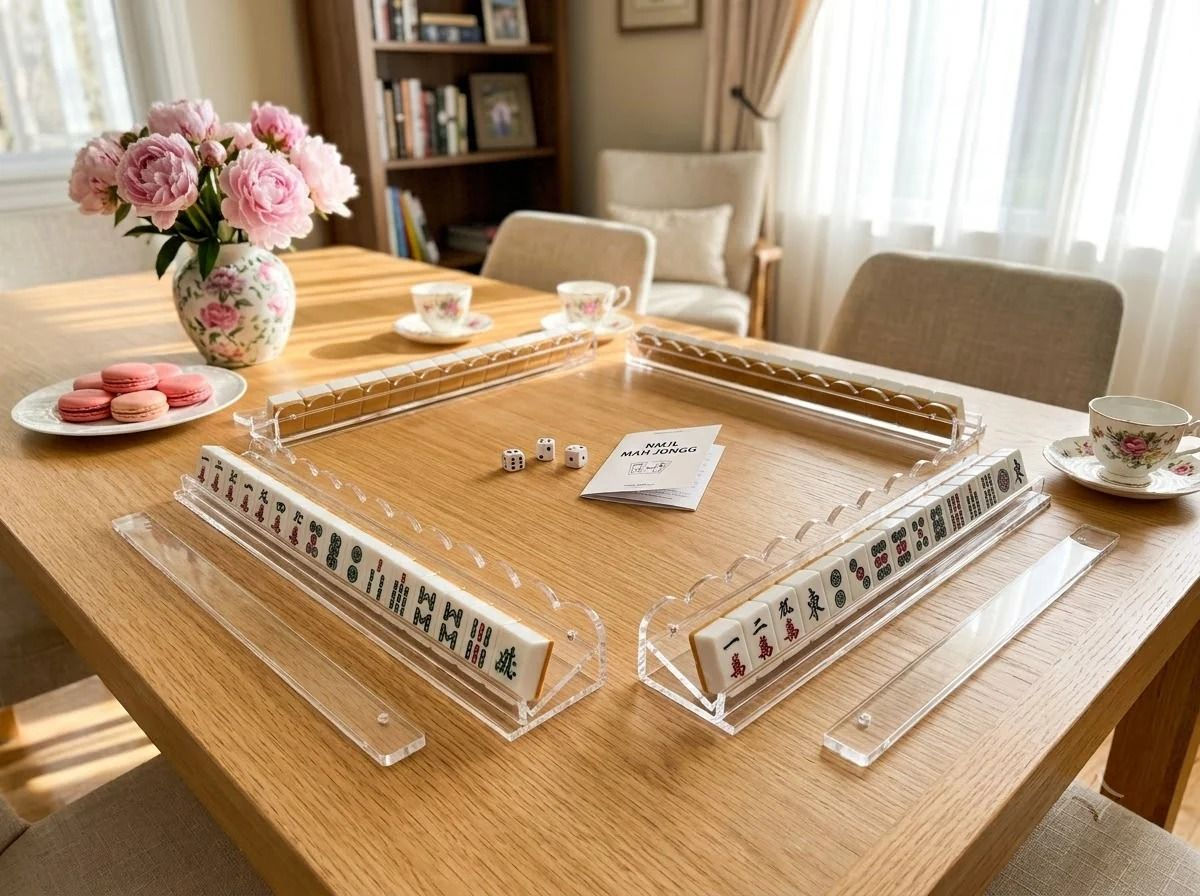
A pie in American mahjong is not a food—it's a winning hand combination listed on the National Mah Jongg League card issued each spring. The term "pie" refers to specific pattern categories (often marked with symbols on the card) that require you to build declared melds: pungs (three identical tiles), kongs (four identical tiles), or quints and sextets (five or six). Pies vary by year but typically involve combinations like "all pungs and a pair," "mixed patterns," or "dragons and winds mixed with number suits." You cannot call or expose chows (1-2-3 sequences) in American mahjong, so pies are built only from identical-tile melds. The winning hand is declared when you hold 14 tiles (including one pair and at least one meld that matches the card exactly). Strategy matters: some pies are easier to complete than others, and tracking discards helps you judge whether a pie is dead.
Where does the term "pie" come from in mahjong?
The word "pie" is slang used by American mahjong players to describe any winning hand pattern recognized by the National Mah Jongg League. It has no connection to food; it's simply the colloquial name for a completed meld. Some players think it comes from early 20th-century card game terminology, but the exact origin is unclear. What matters is that every serious player uses "pie" to mean "a hand I've completed that matches the card." When someone says "I got a pie," they mean they've formed a legal winning combination and declared it.
What is the difference between pie and other winning hands?
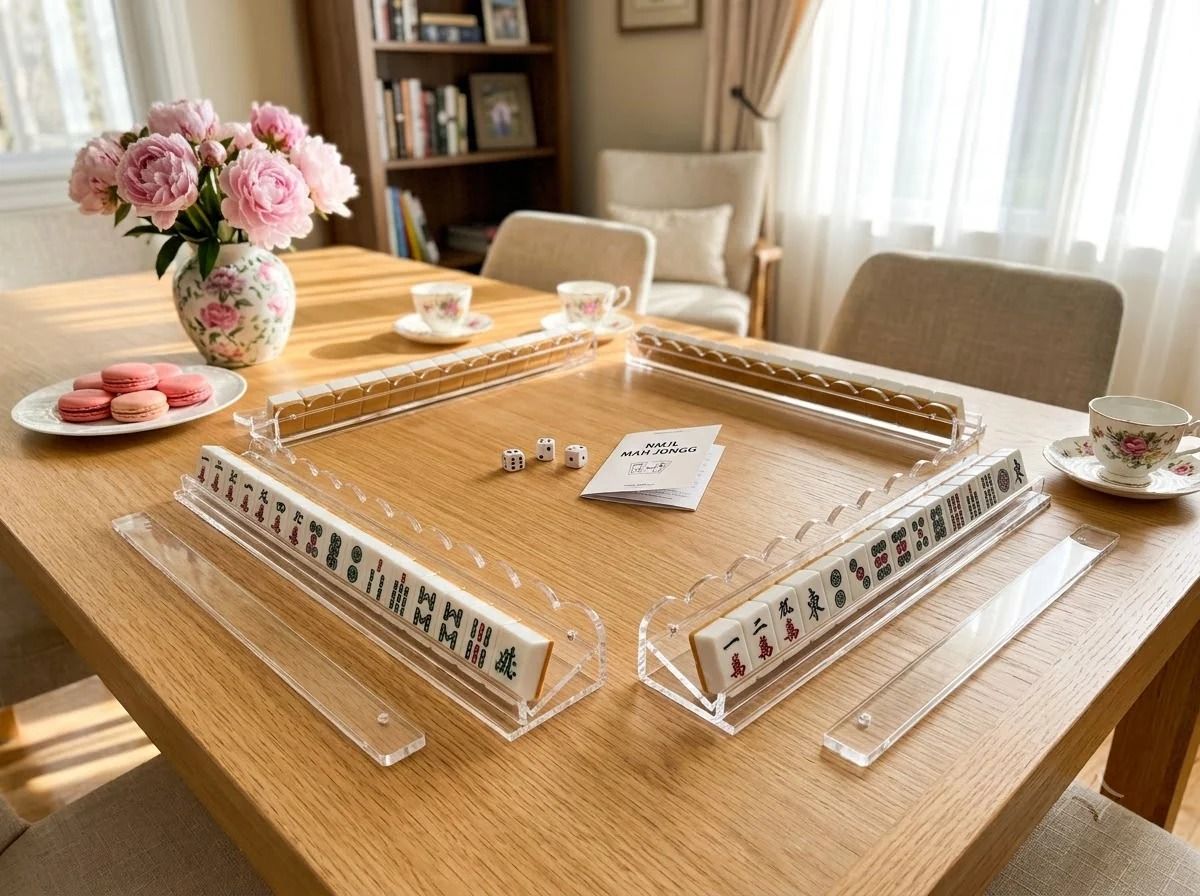
In American mahjong, the word "pie" is often used interchangeably with "hand"—both mean a winning combination that matches the card. However, some players distinguish between a simple pie (straightforward pattern) and a complex pie (one requiring many jokers or unusual tiles). The National Mah Jongg League card lists all legal combinations; every winning hand must match exactly one pattern on that year's card. There is no hierarchy: a pie is a pie, and the card determines both legality and point value. The key difference is not the hand type but how quickly you can build it and whether another player can block your tiles.
How do you build a pie hand?
Building a pie requires three steps: (1) study the current card and choose a pattern with tiles you can realistically collect; (2) during the Charleston (the pre-game tile-passing ritual), try to receive tiles that match your target pie; (3) during play, pick and discard strategically while tracking which tiles are still in the wall. You expose melds (pungs, kongs, quints, sextets) as you complete them, but you do not announce your chosen pie until you've drawn exactly 14 tiles and can legally declare. Jokers can fill any tile within a meld but never form a single tile or a pair alone. Many new players make the mistake of committing too early to one pie; the best players stay flexible and track at least two or three backup patterns. If a tile you need has been discarded four times, that pie is dead, and you must pivot. Keep the card visible at all times—holding engraved mahjong sets with clear tile faces and a mat with a card pocket helps you read patterns faster.
Why do pie patterns matter for scoring?
Each pie pattern on the card carries a point value, usually 30 to 70 points, though some rare combinations score higher. The card itself lists the exact points next to each hand—there is no hidden calculation. Pies with fewer melds (e.g., "pair and four pungs") typically score lower, while pies with mixed suits, dragons, winds, or jokers score higher. When you declare a winning hand, you announce both the pattern name (or card location) and the point value; other players pay you that amount. Understanding which pies score highest helps you prioritize during the Charleston and early play: if you draw tiles for a 60-point pie, you might pursue it harder than a 30-point pie. However, the "best" pie is the one you can actually complete before someone else wins; a 70-point pie means nothing if you never finish it. Track all four players' discard patterns and live tiles to assess which pies are still achievable.

What mistakes do beginners make when chasing pie hands?
New players often fall into these traps:
Tunnel vision. Committing to one pie and ignoring backup options when key tiles are discarded. Always keep two or three pies in mind.
Ignoring the discard pile. If all four copies of the 5 Crak have been thrown, any pie requiring that tile is impossible. Count discards ruthlessly.
Misreading the card. The 2026 card (or whichever year you're playing) has specific patterns; mixing up similar-looking melds costs time and tile decisions. Read how to read the mahjong card before your first game.
Using jokers too early. Jokers are powerful but finite. Save them for melds you cannot complete otherwise, not for convenience.
Not tracking other players' live tiles. If East player has exposed two pungs of Dots, she's probably not chasing Dot-heavy pies. Use that info to decide if your Dot pie is competing or safe.
Calling too fast. Verify your hand against the card three times before declaring. One error ends your turn and often costs you points.
A comparison of pie-building pitfalls:
Mistake | Why It Hurts | How to Avoid It |
Tunnel vision on one pie | You miss pivots when key tiles vanish | Study the card and pick 2–3 backup pies before play starts |
Ignoring the discard pile | You chase dead pies and waste jokers | Count all discards every turn; mark dead tiles mentally |
Misreading the card | You declare an illegal hand or miss a winning draw | Use a mat with a card pocket; read the pattern twice before calling |
Using jokers for convenience | You run out of jokers when you truly need them | Reserve jokers for tiles that are truly stuck or missing |
Not tracking other players | You compete for pies others are also chasing | Watch their exposed melds and discard patterns each round |
Calling before triple-checking | You make a false declaration and lose the hand | Verify your 14 tiles match the card line-for-line before announcing |
Why do experienced players call pie instead of "winning hand"?
Pie is faster shorthand: instead of saying "I have a winning combination matching pattern 3A on the card," players simply say "Pie!" or "I have a pie." This speed matters in a four-player game where discards come quickly. The term is also used playfully: "That's a great pie" means the hand was hard to build or scores high. Some regional groups use "mah jongg" instead of "pie"—both are correct—but "pie" is more common in casual American games. The language reinforces the game's informal, social culture: mahjong is fun, not a formal sport, so the slang reflects that attitude.
🀄 Shop best-selling mahjong sets →
What to check before you buy a mahjong set to play pie hands
Before investing in a set, confirm that the tiles are large enough to read quickly (at least 1 inch per tile), the card pocket on your mat holds the current year's reference card, and the jokers are clearly marked—you cannot confuse a joker with any numbered tile. Buy a full 160-tile American set, not a variant; you need all four copies of every tile to play standard pie hands. Check that your mat has a card slot and that your racks are tall enough to hide your tiles from other players' view. If you're hosting weekly games, consider mahjong bags and cases to keep your set organized and protected during transport. Most importantly, buy the current year's National Mah Jongg League card—pie patterns change annually, and an old card will lead to false declarations.
🎁 See our most-loved mahjong sets & accessories →
How does pie strategy change as you improve?
Beginners chase any pie they can complete. Intermediate players study the card before the game and pre-plan which pies are most likely given their hand size and tile distribution. Advanced players read the live game: they watch what tiles are moving around the table, predict which pies opponents are chasing, and pivot aggressively to block or compete. Strong players also know which pies are "trap pies"—combinations that look good on paper but require four or five jokers, making them nearly impossible. They avoid traps and instead go for balanced pies that use mostly natural tiles and one or two jokers. Over time, you develop an intuition for tile flow and probability. You stop overthinking and react faster. The card never changes (for a given year), but your ability to execute pies improves with every game you play.
✨ Find your Mahstead set — free US shipping →

FAQ
Is "pie" a term used in Chinese, Hong Kong, or Riichi mahjong?
No. Pie is American mahjong slang only. Chinese, Hong Kong, and Riichi players use different terminology (e.g., "winning hand" or "fan" in Chinese). The American game is unique in requiring exact pattern matches from a seasonal card; other variants have different rule systems and scoring, so "pie" does not apply.
Can you have a pie with only jokers filling the melds?
No. Jokers can fill individual tiles within melds, but you cannot build a meld using only jokers. For example, a pung of 5 Dots can be two natural 5 Dots plus one joker, but not three jokers. Additionally, jokers cannot form a single tile or a pair. Every meld must have at least some natural tiles.
What happens if two players claim a pie on the same turn?
The player who drew the winning tile calls "Pie!" first and is declared the winner. If both call simultaneously, the player closest to the right (or seat order as agreed before the game) wins that hand. Both players cannot win the same round. This is why speed and confidence matter—hesitation costs you the hand.
Do all pies on the card score the same points?
No. Each pattern has its own point value listed on the card, ranging from around 30 to 70 (exact values vary by year). More complex pies (mixing multiple suits, using dragons, or requiring specific meld types) typically score higher than simple "all pungs" pies. Check the card for the exact point value before you declare.
Can I change my mind about which pie I'm chasing mid-game?
Yes, absolutely. You have no obligation to stick to your initial choice. In fact, experienced players keep two or three pies live at all times and pivot based on what tiles are drawn, discarded, and exposed. Flexibility is a core skill; rigid play loses games.
How many jokers do I need to complete a typical pie?
It depends on the pie and your draws. Simple pies might need zero jokers; complex ones might need three or four. The card itself tells you the expected meld types. Generally, assume you'll need one to two jokers per hand, and plan your discard strategy accordingly. If you're using more than three jokers on one pie, reassess whether the pie is truly alive.


View More
View More
View More
