
Modern American Mahjong Set: What to Choose in 2026
Last updated: Nov 23, 2026
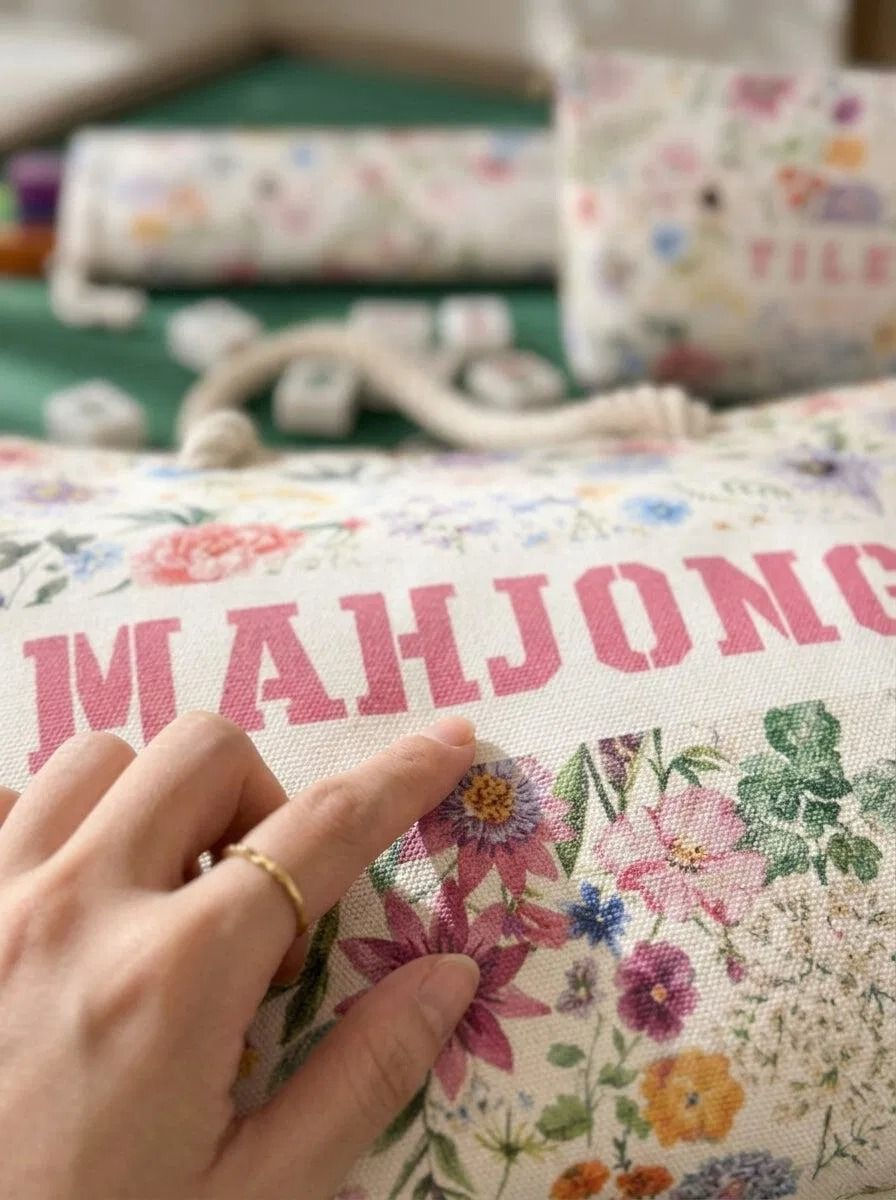
A modern American mahjong set contains 152 standard tiles (three suits of 36 each: Bams, Craks, Dots; 16 winds; 12 dragons; 8 flowers) plus 8 jokers, all sold as 160-tile sets with spare tiles included. Acrylic has replaced bone and bamboo in most homes because it's durable, easy to clean, and lighter for weekly games. Sets range from solid colors to custom-engraved designs with themes, titles, or art. Standard tile size runs about 1 inch square; some sets offer jumbo tiles for easier reading. You'll find sets from budget-friendly to luxury finishes at retailers including Mahstead, which ships free across the US. Before buying, confirm tile size suits your eyesight and table space, check that jokers are clearly marked (never blank), and verify the mat or rack you need isn't sold separately if you're a new player or upgrading from a worn set.
🀄 Shop best-selling mahjong sets →
What exactly is inside a modern American mahjong set?
American mahjong uses exactly 152 playing tiles per game: 108 number tiles (Bams, Craks, Dots in suits 1–9, four copies each), 16 winds (four each: North, East, West, South), 12 dragons (four Red, four Green, four White), and 8 flowers (typically unlabeled or numbered 1–8). The set also includes 8 jokers and spare tiles. All fit into one case; you pull all 152 tiles plus 8 jokers for every hand you play. Modern sets omit the old bone-and-bamboo racks and use lightweight acrylic or wood tiles instead.

Why acrylic instead of bone or bamboo?
Acrylic tiles hold up to weekly play for decades without cracking, split, or warping from humidity. They're dishwasher-safe, weigh less than bamboo, and come in unlimited colors and designs—from solid tones to marble effects to engraved art. Bone tiles are beautiful but fragile; bamboo is heavier and eventually splits. If you play regularly (once a week or more), acrylic is the practical choice and costs less than you'd spend replacing damaged tiles.
Standard tile vs. jumbo: Which size do you need?
Standard American tiles are roughly 1 inch × 1.25 inches—the default size for most best-selling sets. Jumbo tiles run 1.25–1.5 inches and suit players with vision challenges or those playing on a large table. If you're under 50, play on a regular dining table, and have average eyesight, standard tiles work fine. If you're over 60, have arthritis, or play on a card table, jumbo saves frustration. Check the product photos to compare tile size to your hand or a coin before ordering.
Engraved vs. solid: What's the real difference?
Engraved sets let you add titles, names, dates, or art to tiles or the carrying case—common for gifts, milestone games, or club sets. Solid-color sets (marble, pastels, jewel tones) cost less and still look professional. Engraving adds 1–3 weeks to production. If you're buying for a regular game starting next week, go solid. If you're celebrating a milestone or building a signature set for your club, engraving is worth the wait. Our engraved collection shows the range.
🎁 See our most-loved mahjong sets & accessories →

How do you compare sets by price and features?
Feature | Budget-Friendly | Mid-Range | Premium/Engraved |
Material | Acrylic, solid color | Acrylic, marble or textured finish | Acrylic, engraved design or custom art |
Tile size | Standard (1″) | Standard or jumbo option | Standard or jumbo available |
Case | Cardboard or basic hard case | Hard case with felt or velvet lining | Luxury case, often custom-labeled |
Jokers visible | Clearly marked | Clearly marked | Clearly marked + often color-coded |
Mat/rack included | Sometimes (check listing) | Not usually; sold separately | Not usually; sold separately |
Production time | In stock; ships within days | In stock; ships within days | Custom engraving adds 1–3 weeks |
Who it's for | New players, gift-givers on a budget, casual weekly games | Players upgrading worn sets, hosting bigger games, want a polished look | Clubs, milestone gifts, players who play 2+ times weekly |
Choose by game frequency: one game a month, budget works fine. Weekly or more, mid-range durability pays for itself. Hosting a regular game or club, premium or engraved signals commitment and lasts 10+ years.
What should you check before you buy?
Tile size and eyesight: Ask yourself: do I squint at small print? If yes, request jumbo or zoom product photos. Standard is fine if you read a book without struggling.
Joker clarity: Jokers must be visually distinct—never blank or solid colored. Check product photos for jokers against number tiles; if they're hard to spot, that set creates confusion mid-game.
Case durability: Will you move this set? If you travel or host at different homes weekly, buy a hard case. Cardboard cases fail after 5–6 moves.
Mat and rack availability: If you're new to mahjong, confirm whether a mat or racks with pushers are included. Most modern sets don't bundle them; you'll add those separately.
Spare tiles: All 160-tile sets include extras for wear or loss. Don't buy a 152-tile set if you plan to play weekly—you'll need spares within a year.
✨ Find your Mahstead set — free US shipping →
Which modern set works best for beginners?
If you're learning American mahjong, start with a standard-tile set in a solid color and a hard case. You don't need engraving yet; focus on learning hands from the National Mah Jongg League card. A mat is helpful but optional; racks with pushers come later once you understand tile organization. Buy from retailers offering fast shipping and clear product photos so you can verify tile size and joker markings before your first game.
How do regional preferences shape your choice?
In Texas, California, and the Northeast, acrylic standard-tile sets dominate because they suit both casual home games and club play. The Southwest leans toward larger or colorful tiles for outdoor play in bright sun. The Midwest prefers mid-range sets with hard cases for winters and frequent hosting. None of this changes what you need—check your local group's standard (ask your host or find a mahjong club near you) and buy what matches. A modern set bought in Dallas works identically in Boston or Phoenix.
FAQ
Do I need a mat or racks with my mahjong set?
Not always. Mats protect your table and keep tiles from sliding; racks with pushers organize tiles by suit and speed play. New players don't need them immediately; add them after your first 3–4 weeks once you understand tile organization and prefer a tidier game.
Are all 160-tile American mahjong sets identical?
No. Tile color, finish (solid, marble, engraved), case quality, and joker design vary widely. Some include mats or racks; most don't. Compare product photos carefully to confirm size, joker clarity, and case durability before ordering.
How long does an acrylic modern mahjong set last?
10–20 years of weekly play if you store tiles in a hard case and keep them clean. Tiles rarely chip or crack; jokers sometimes fade or detach if the set is dropped hard. Buy spare jokers or bags for long-term care.
Can I use a modern acrylic set for Chinese or Riichi mahjong?
No. American mahjong has unique tiles (flowers, jokers, dragons tied to specific suits) and hand structure. Chinese and Riichi sets use different tiles and rule books. Buy an American-specific set if you play American rules.
What's the difference between a 152-tile and 160-tile set?
A 160-tile American set includes 152 playing tiles (used in every game) plus 8 spare jokers and/or blank tiles for replacement and wear. A 152-tile set has no spares, risking gaps if a tile is lost or damaged during weekly play. Always buy 160-tile for regular games.
Should I buy engraved or solid if I'm just starting?
Start solid if you play once or twice monthly and aren't sure mahjong will stick. Buy engraved or premium if you play weekly already or are gifting to someone who hosts regularly. Engraving adds 1–3 weeks, so order early if you have a deadline.


View More
View More
View More
