
Soap in Mahjong Examples: What It Means & How to Use It
Last updated: Nov 23, 2026
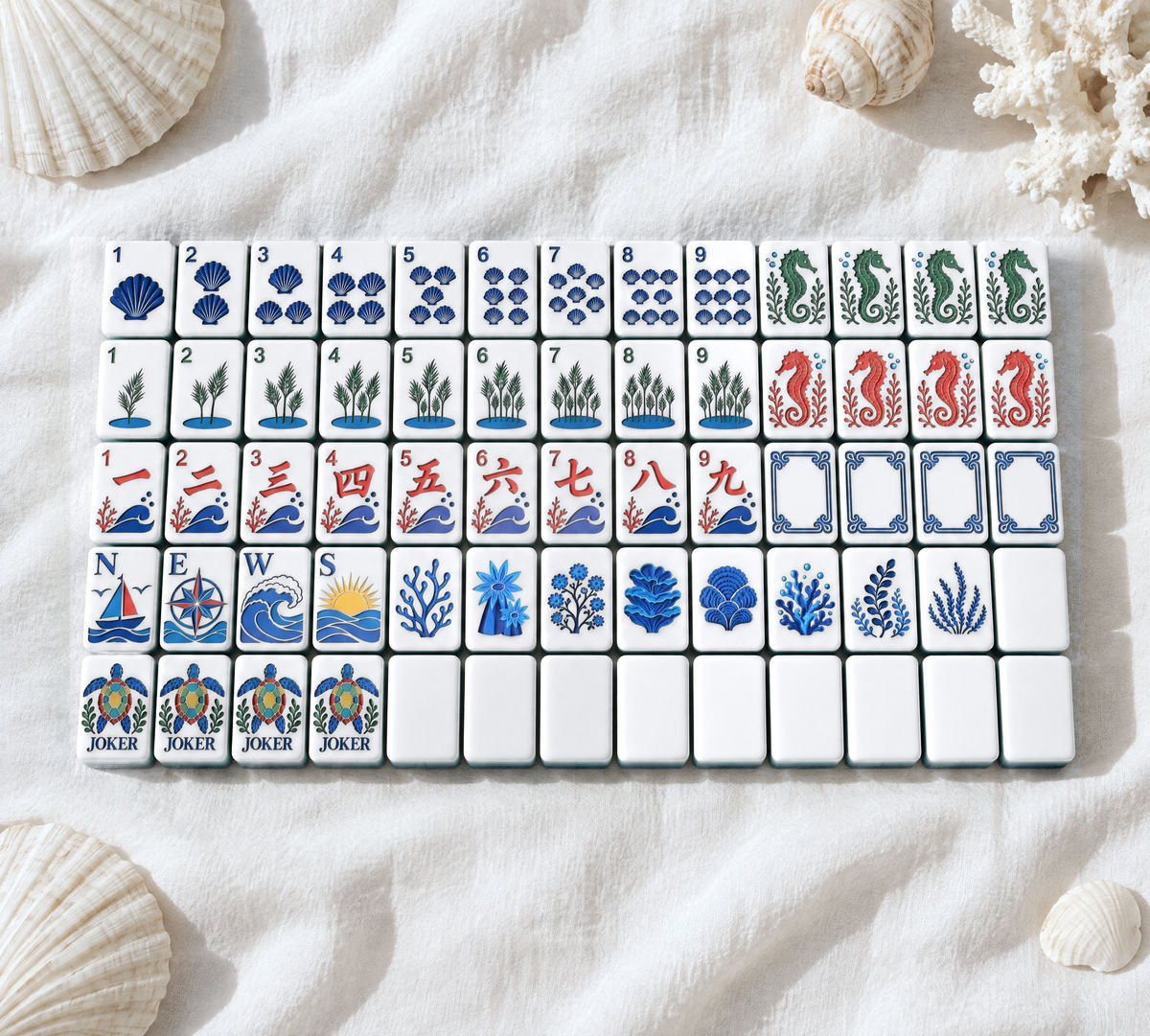
In American mahjong, "Soap" is the slang name for the White Dragon, one of three dragon tiles (Red, Green, White) in every 152-tile set. It appears in hands printed on the current National Mah Jongg League card and is unique because it functions both as a dragon tile and as a zero digit. Unlike Red (which pairs only with Craks) and Green (which pairs only with Bams), Soap pairs with Dots—and also substitutes for the numeral "0" in any sequence that calls for it. You'll see Soap in approximately one-third of exposed pung, kong, and quint combinations on most years' cards. It cannot be used as a joker or in a single tile or pair.
Why Is It Called "Soap" Instead of White Dragon?
The nickname "Soap" comes from older players' slang for the blank or unmarked face of the White Dragon tile. Historically, the White Dragon was left plain (unlike Red and Green, which carried symbols), so casual players joked it looked like a clean slate—"soap." The name stuck in American mahjong culture and is now standard shorthand at the table. You'll hear it called both "Soap" and "White Dragon" interchangeably; both are correct. Knowing the nickname helps you follow fast-paced table chatter without confusion. Most best-selling mahjong sets mark the White Dragon clearly so new players identify it without hesitation.
🀄 Shop best-selling mahjong sets →

Where Does Soap Appear on the Mahjong Card?
Soap appears on the National Mah Jongg League card in two distinct roles: first, as a pure dragon tile in patterns that call for three or four identical White Dragons (e.g., three White Dragons as a pung). Second, and more commonly, as a zero digit when a hand pattern needs numerals starting from 0 instead of 1. For example, a hand might require "0-1-2 Dots" as an exposed pung—that uses one Soap tile (standing for zero) plus the 1 Dot and 2 Dot. Soap never appears as part of a chow or sequence that winds; American mahjong has no callable chows at all. The card layout changes each spring, so Soap's frequency and role shift yearly. Learn how to read the mahjong card to spot every Soap hand pattern quickly.
What Are Real Examples of Soap-Heavy Hands?
Common hands using Soap include "0-1-2 Dots as a pung plus two winds plus a flower"—a simple winning combination where Soap substitutes for the zero in the Dot suit. Another frequent hand calls for four Soap tiles (a kong of White Dragons) alongside other tiles. Some years' cards feature what players call "Soap runs"—multiple hands in a single row that all need White Dragons, creating competitive pressure when only four Soap tiles exist in the entire set. A practical example: if you're holding 0-1-2 Dots as an exposed pung, you display one Soap, one 1 Dot, and one 2 Dot face-up; jokers cannot fill the Soap's place in this combination. Because only four Soap tiles exist per set, every player watches how many have been exposed, making Soap scarcity a real strategic element mid-game. Understanding how jokers work will show you why Soap is fundamentally different—jokers can replace many tiles, but Soap cannot replace jokers.
Soap vs. Other Dragons: Key Differences
Dragon | Pairs with | Also acts as | Frequency on card | Why it matters |
Red | Craks only | Red Dragon only | ~25–30% of hands | Easy to track; fewer roles |
Green | Bams only | Green Dragon only | ~25–30% of hands | Tied to one suit; predictable |
Soap (White) | Dots only | Zero digit (0) | ~35–40% of hands | Two jobs; higher scarcity pressure |
Soap's dual function makes it more valuable and contested than its sibling dragons. Red Dragon always means a Red Dragon; Soap might mean a White Dragon or a zero Dot, forcing you to read the card carefully before claiming it. This flexibility also means Soap tiles deplete faster during active play, creating tighter endgame dynamics. When the card calls for a Soap in a "0-1-2" pung but you've already seen three Soaps exposed, your odds of completing that hand drop instantly. Many experienced players prioritize holding one or two Soap tiles in their concealed hand precisely because they serve two roles—a simple strategic edge that beginners often miss.
🎁 See our most-loved mahjong sets & accessories →

Common Soap Mistakes: How to Avoid Them
Mistake 1: Treating Soap as a joker. Soap cannot substitute for other tiles; it's either a White Dragon or a zero Dot, never a wildcard. If a hand requires "0-1-2 Dots," you must use one actual Soap, one actual 1 Dot, and one actual 2 Dot—you cannot use a Soap and two jokers. Mistake 2: Forgetting which suit Soap pairs with. Soap goes with Dots only. If you see a hand that calls for "Soap + Red Dragon + Green Dragon" (three dragons), those are three separate exposed tiles—Soap doesn't "blend" into a dragon pung just because the other two dragons are present. Mistake 3: Confusing Soap with a blank tile. American mahjong sets sometimes include spare blanks (beyond the 152 playing tiles) for scoring notation or as replacements; a blank is not a Soap tile and cannot be played. Explore what's in an American mahjong set so you understand every tile type and avoid mid-game disputes. Mistake 4: Not checking the card before calling Soap. Always glance at the current year's card to confirm Soap's role in that particular hand—don't assume. A single misread can cost you the hand or lead to false calls.
How Soap Fits Into Winning Strategy
Soap tiles move fast because they're useful in so many hands. Strategic players track how many Soaps have been discarded or exposed and adjust their strategy accordingly. If two Soaps are already shown and a dangerous competitor holds a hand calling for "0-1-2 Dots," you know the pool of available Soaps is shrinking—information that shapes your discard choices. Conversely, if no Soaps have been exposed yet and the card is heavy with Soap hands this spring, you may hold onto your own Soap even if it slows your immediate progress, because future turns could unlock a completed hand. Understanding American mahjong scoring reveals why some hands with Soap are higher-value than others—that's when tile scarcity truly matters. New players often discard Soaps too early, not realizing they've just made an opponent's hand easier to complete. A few weeks of watching Soap flow around the table teaches you its rhythm. Join a regular game at your local community center, library, or synagogue—many groups play multiple games a week and will happily explain Soap's role as you play.
✨ Find your Mahstead set — free US shipping →
What You'll Need
To practice Soap hands at home, grab a full 152-tile American mahjong set and the current year's National Mah Jongg League card. A mahjong mat keeps tiles organized and visible; racks with pushers let you separate concealed tiles so Soap doesn't accidentally reveal itself before you call. If you're hosting weekly games, a sturdy bag or case protects your set during transport.
Before You Play: A Quick Checklist
[ ] Confirm you have exactly one set of four White Dragons (Soap) in your tile collection
[ ] Pull this year's card and highlight every hand that uses Soap (0 Dots role)
[ ] Mark which hands use Soap as a pure White Dragon (dragon role)
[ ] Practice exposing a "0-1-2 Dots" pung three times to build muscle memory
[ ] Ask a seasoned player to call out hands and identify which Soap hands are highest-value
[ ] Play five practice games and track how many times Soap was called or exposed—you'll start to see patterns

FAQ
Can Soap ever be used as a joker?
No. Soap is always either a White Dragon or a zero Dot—never a wildcard. Jokers fill different roles; Soap cannot substitute for other tiles or be substituted by jokers in any hand pattern.
If a hand calls for "0-1-2 Dots," must I use Soap, or can I use a joker instead?
You must use an actual Soap tile (White Dragon standing in as zero), an actual 1 Dot, and an actual 2 Dot. Jokers cannot fill the Soap slot in this combination.
Why is the White Dragon called "Soap"?
Older players nicknamed it "Soap" because the blank, unmarked face of the White Dragon tile resembled a clean slate. The slang stuck in American mahjong culture and is now universal shorthand at the table.
How many Soap tiles are in a standard set?
Exactly four, like every other tile in American mahjong. A complete 152-tile set includes one set of four White Dragons, four of each Bam, four of each Crak, and four of each Dot.
Does Soap ever pair with anything other than Dots?
Soap pairs with Dots as a digit or as a dragon on its own. Red Dragons pair with Craks; Green Dragons pair with Bams. Soap never pairs with Bams or Craks, only Dots or stands alone as a White Dragon.
What happens if all four Soaps have been exposed and someone's hand still needs one?
That player cannot complete that particular hand on the board. They must discard and try a different hand from the card, or wait to draw a new tile. Soap scarcity is a real factor in mid-game decision-making.


View More
View More
View More
