
Riichi Mahjong Dora Strategy: Winning Plays and Hand Patterns
Last updated: Nov 23, 2026
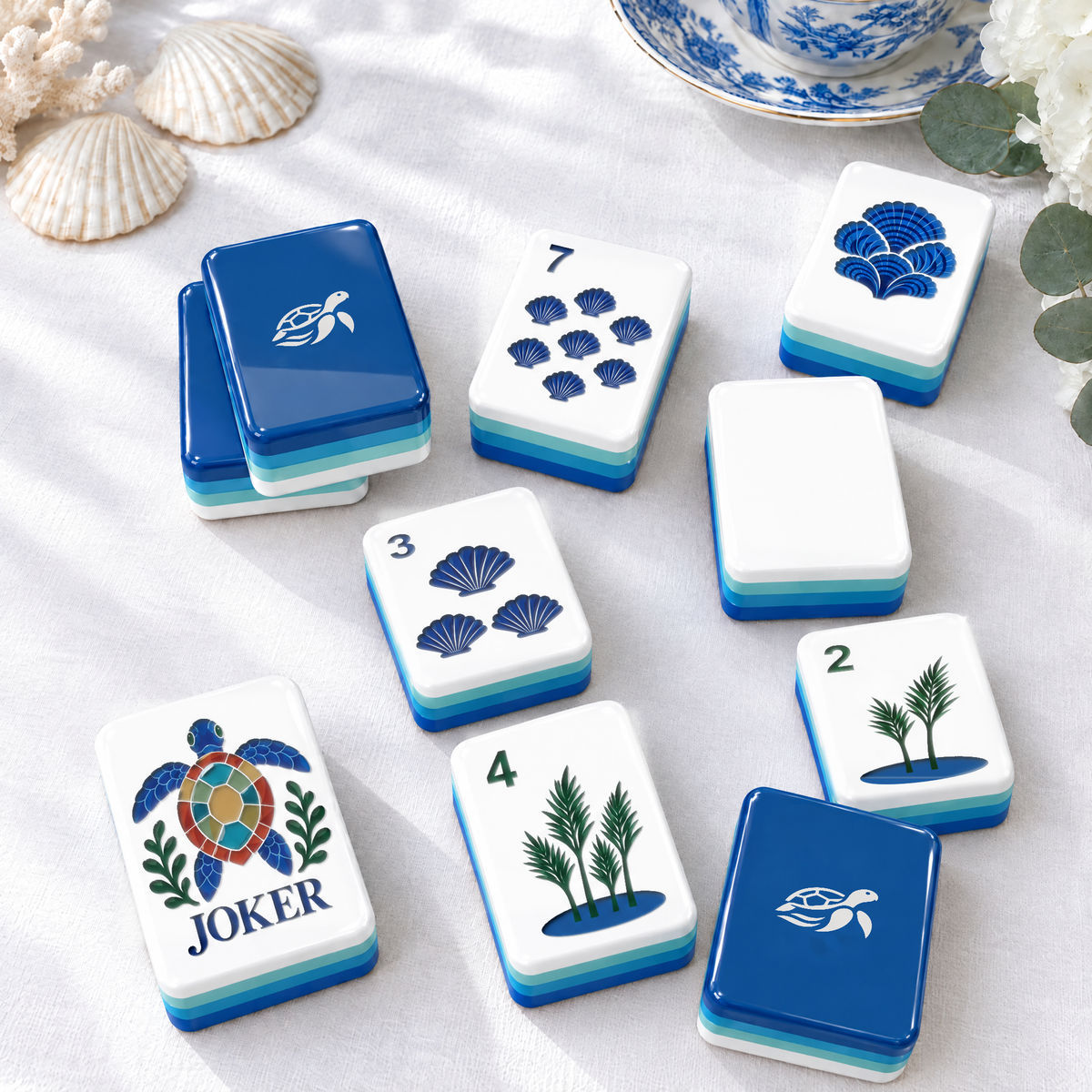
Dora in riichi mahjong are designated bonus tiles revealed after the initial draw: one face-up indicator on the wall, plus one hidden dora beneath it (and its ura-dora in closed hands after someone wins). Each dora in your winning hand adds one fu (point unit), stacking multiplicatively with your base hand's meld count and terminal/honor presence. A hand with three dora plus a two-meld structure scores significantly higher than the same melds without dora. The key tactical question is not whether dora are good—they always are—but whether the tiles needed to complete a dora-rich hand create wait patterns (like single-tile or pair waits) that are easy to defend against, or dead draws that leave you vulnerable to discard. Winning riichi play balances greed for dora points against the probability of reaching and winning that specific shape before opponents hit their own hands or force a draw.
Dora in riichi mahjong sit at the intersection of luck and skill: the wall reveals which tiles carry bonus points, but you decide whether the extra points justify the hand shape and discard risk required to capture them. We've hosted weekly riichi games long enough to see strong players chase dora into impossible waits, and cautious players miss crucial scoring opportunities by ignoring them. This guide walks through the dora mechanics, hand-building frameworks, and the defensive calculations that turn dora awareness into winning decisions.
What exactly is dora, and how does it work mechanically?
Dora are bonus tiles indicated by an indicator tile face-up on the wall after the initial draw. If the indicator is a 5 Bam, then all 6 Bams in your hand count as dora; if it's the East wind, all South winds count as dora. Riichi mahjong also features ura-dora (hidden dora) revealed only if a hand goes to showdown with a winning call or if the hand is declared closed via the riichi declaration. A hand can hold multiple dora; each additional dora adds one fu to your final point calculation, compounding with your hand's meld structure. Most games begin with one indicator dora visible; some rule sets add red fives as automatic dora. The critical difference from American mahjong is that riichi dora are earned through hand completion, not given for a particular pattern, so your strategy must weight the cost of building dora-heavy shapes against simpler, faster hands that might win before dora become relevant.

How do I calculate whether a dora-heavy hand is worth pursuing?
The decision boils down to wait speed versus point gain. A hand waiting for a single tile (a "one-way wait") scores higher but is slower to complete and exposes you longer; a hand waiting for multiple tiles (a "two-way" or "three-way wait") completes faster but may miss the dora you're chasing. Start by identifying the dora indicator, then list which melds (open triplets, closed triplets, sequences) would include that dora. If you already hold two of the dora tiles and need only one more to complete a pung or a sequence, and your remaining tiles form a viable wait shape, the dora pursuit often pays off. If you need two or more dora tiles, or if pursuing dora forces you into a single-tile wait while opponents hold safer hands, fold that plan and pivot to a simpler shape. Use this mini-checklist:
Dora tiles already in hand: How many of the four dora tiles do you hold? Two or three is strong; one means you're relying on luck.
Meld completion cost: How many of your remaining tiles must you discard to form a closed dora-containing triplet or sequence?
Wait flexibility: After building the dora melds, do you have two or more different tiles that could complete your hand (good), or just one (risky)?
Discard danger: Are any mid-range tiles (4–6 of each suit) already gone from play, suggesting opponents are sitting on similar hands and will hit you hard if you stay open?
If three of these four conditions favor the dora pursuit, commit; if two or fewer, build a faster, simpler hand instead.
🀄 Shop best-selling mahjong sets →
When should I declare riichi, and how does that interact with dora strategy?
Riichi is a closed-hand declaration that freezes your melds as hidden, locks your waits immobile, and doubles your hand's base points on win—but only if your hand is already ready (tenpai). The riichi call itself creates no new melds and does not let you call on others' discards. From a dora perspective, riichi is a commitment: you're saying "my current hidden hand is my final shape." If you declare riichi and the dora indicator changes (via a tile discard or draw), any new dora that matches your waits become instant bonuses, but you cannot rearrange your melds to hunt them. Strong riichi players often delay the riichi call until they've observed which tiles are flowing from opponents' discards, giving them one extra round to gauge whether new dora favor their waits or not. Early riichi (on your first or second turn of readiness) is a bluff and a point boost; late riichi (after several rounds of observation) is a statement of confidence in your specific wait pattern. If the dora indicator lands exactly on one of your waiting tiles, late riichi becomes explosive. If a new dora lands on a tile you've already discarded, early riichi would have locked you out—so caution, observation, and tile-reading skill matter as much as dora luck.
What's the relationship between hand fu (point components) and dora stacking?
In riichi mahjong, your final hand score is base points × multiplier, where the base points depend on your melds' fu (point units) and your han (layer count: meld types, sequences, honors, terminals, etc.). Each dora adds one fu. A hand with a closed triplet of an honor (8 fu alone) plus two dora becomes 10 fu, which—combined with your han multiplier—yields a significantly higher payout than the base 8 fu. The compounding effect is why a hand with three or four dora can be worth two or three times as much as the same hand shape with no dora. However, chasing dora into awkward shapes can reduce your han (by losing terminal or honor bonuses for simplicity), which can actually lower your total points despite the extra fu. A strong dora strategy isolates hands where adding dora does not compromise your han—for example, a hand with a pung of winds or terminals plus a simple sequence, where the dora just amplifies an already solid han. Avoid building hands where dora is your only source of value, because if the dora indicator passes you without landing on your melds, you're left with a weak, slow shape that opponents can dismantle.
🎁 See our most-loved mahjong sets & accessories →

How do I read the table and adjust my dora strategy mid-game?
Tile reading—tracking which tiles have been discarded and inferring what opponents hold—is the backbone of riichi dora play. When the dora indicator is a 5 Dot, you're hunting 6 Dots; if both other players discard 6 Dots in the first three turns, you know dora are offline and should pivot immediately. Similarly, if one opponent has already declared riichi and is waiting passively, they're likely sitting on a hand whose waits do not overlap with the current dora—so the dora is less pressured and may last longer in play. Watch for "dora wars": if two players are both collecting the same dora tile, one of you will starve, and the third player (who doesn't need that dora) can squeeze you both by hoarding neutral tiles. The psychological shift from "greedy dora hunter" to "defensive dora avoider" happens the moment you see two opponents playing for the same bonus tile—fold fast, build something simpler, and let them fight. In closed hands (before riichi), dora are invisible to opponents, so you can pursue them without signaling your intent. Once you declare riichi, your waits become public knowledge, and opponents will try to block you; at that moment, dora no longer matter—only speed and the probability that your wait tile is still live. Read the discard flow after you call riichi: if four of your needed tile type have appeared, you're dead; if none have, you're a threat, and opponents will play defensively.
✨ Find your Mahstead set — free US shipping →
How does the dora indicator evolve, and how should I adapt my strategy as the round progresses?
In most riichi rulesets, the dora indicator is set at the start of the hand and does not change unless the hand reaches the 16th turn ("shanten" or "draw"), at which point the indicator may advance—but draw is rare. Your dora target is fixed. However, the effective dora value decreases as the round progresses, because the pool of available tiles shrinks. Early in the hand, if the dora indicator is a 3 Crak and you hold two 3 Craks, you have a real chance to collect the third. By turn 10, if no 3 Craks have been discarded, you know one is in dead hand (melded or in someone's closed set) and your dora hunt is futile. Adapt by:
Turns 1–4: Hunt dora aggressively if your wait shape is sound; you have time and tile density is high.
Turns 5–8: Reevaluate. Have the dora tiles you need appeared in discards? Are opponents signaling urgency (declaring riichi or playing fast)? If dora odds have shrunk, shift to a backup hand that doesn't depend on them.
Turns 9+: Unless you already have two of the dora tiles and a live wait, abandon the dora hunt entirely. Speed and defense trump points at this stage.
The strongest players don't fall in love with dora; they love winning. If dora is slowing you down or forcing a defensive discard, let it go and pivot.
Round Stage | Dora Strategy Focus | Key Decision |
Turns 1–4 | Pursue if wait is solid; collect early dora tiles | Commit to the shape or pivot? |
Turns 5–8 | Reassess tile flow; count discarded dora tiles | Continue or switch to faster hand? |
Turns 9+ | Dora is secondary; speed and defense primary | Close your hand; aim for any win. |
After riichi call | Dora bonus is locked; focus on defending your wait | Read opponent threats; adjust discards. |
What to check before you buy
If you're building a home riichi mahjong group, explore our best-selling collection of mahjong sets—standard 160-tile sets let you host 4-player games with backup tiles, and our acrylic sets are lightweight and durable through years of weekly play. Pair your set with a quality mat to keep tiles organized during play; a mat with clear suit zones and corner trays makes dora counting and hand reading faster and reduces errors. If you play multiple variants (American and riichi), confirm your set has standard riichi tile markings (Arabic numerals visible at all angles, not just embossed); sets designed for American mahjong may not display numbers clearly for rapid riichi tile recognition. Free US shipping on all Mahstead orders keeps your entry cost low.

FAQ
Does a hand with more dora always score higher than one with fewer dora?
No. A hand with three dora and a single-tile wait (slow to complete, risky) can score less on average than a simple, fast hand with one dora that wins three rounds earlier and prevents larger opponent payouts. Dora multiply with your han; a low-han hand with many dora may still lose to a high-han hand with one dora.
Can I calculate my final points before the hand ends if I see all the dora?
In closed riichi hands, no—the ura-dora (hidden dora) are revealed only at showdown. Before riichi, you know only the indicator dora. After riichi, you know one dora; the ura-dora remain secret until someone wins or the hand is declared drawn.
What should I do if the dora indicator is a tile I've already discarded?
It's bad luck, not a mistake. The dora indicator is fixed at the start; you cannot undo a discard. Learn from it: in future rounds, delay discarding mid-range tiles until you've seen the dora indicator and confirmed it's not a tile you're chasing.
If I'm not chasing dora, should I ever mention that to the table?
No. Riichi is a game of information asymmetry. Announcing you're avoiding dora telegraphs weakness. Play your hand honestly and let your discards speak.
How do ura-dora change my strategy after I declare riichi?
They don't, because you can't see them until the hand ends. Your riichi strategy is based on the one visible dora indicator. Ura-dora are a bonus surprise, not a planning tool.


View More
View More
View More
