
Mahjong Tournaments in Savannah: Where to Play & What to Know
Last updated: Nov 23, 2026
Savannah's mahjong tournament scene centers on community centers, libraries, and senior clubs that host casual and semi-competitive play throughout the year. The National Mah Jongg League sanctions tournaments in Georgia, and local chapters often post schedules online or through meetup boards and library bulletins. Most tournaments require NMJL membership (nominal annual fee) and follow American mahjong rules: 152 tiles, eight jokers, hands from the current-year NMJL card, and the Charleston tile-passing ritual. Entry typically costs between a small registration fee and modest prize pool contributions. Beginners are often welcome in lower-bracket or practice divisions. To prepare, learn how to play American mahjong, memorize the current NMJL card, and practice with a quality set to build speed and confidence under pressure.
Where do Savannah mahjong tournaments happen?
Tournaments in the Savannah area run through public library branches, senior community centers, synagogue fellowship halls, and country clubs with active membership. Check the Savannah Public Library system website for posted flyers or ask the reference desk. Many venues host monthly or seasonal events, especially in fall and spring. You can also search meetup boards like Eventbrite or Meetup.com for "mahjong Savannah" or contact the Georgia chapter of the National Mah Jongg League directly for an official calendar. Word-of-mouth through existing players remains reliable—if you know anyone playing, ask them where they compete.

Do I need to be an NMJL member to enter?
Yes. Most sanctioned tournaments in Georgia require you to join the National Mah Jongg League before competing. Membership is open to anyone, involves a simple one-time application with NMJL headquarters, and includes an annual dues contribution. In return, you get access to the official NMJL card (updated every spring), eligibility to enter sanctioned events nationwide, and your games count toward rankings. Some casual or club-internal tournaments may not require membership, but always ask the organizer upfront to avoid showing up unprepared.
🀄 Shop best-selling mahjong sets →
What skill level do I need?
Most Savannah tournaments divide players into brackets—beginners, intermediate, advanced. You do not need to be an expert to enter; in fact, beginner and novice divisions exist specifically for players learning the game or new to tournament play. Organizers will ask your experience level during registration and place you fairly. If you are brand new, consider playing in a few casual home games first to learn the Charleston, understand how jokers work, and get comfortable recognizing hands on the NMJL card. Many clubs offer free practice sessions before tournaments to help newer players feel confident.
What should I bring to a tournament?
Check the tournament flyer or contact the organizer for the official packing list, but here is what tournament players typically bring:
Your own American mahjong set (152 tiles with eight jokers)
Current-year NMJL card (printed or laminated copy)
Notebook and pencil for scoring and notes
Small personal items (water, snacks, phone on silent)
NMJL membership card if required
Cash or payment method for entry and any prize contributions
If you don't own a set yet, many tournament hosts have spare sets available to borrow, but owning your own lets you practice at home and ensures you're comfortable with your tile feel and size. Our best-selling collections include durable American mahjong sets ideal for tournament use; acrylic tiles hold up well under repeated play and are easy to sanitize between rounds.
How do I prepare for my first tournament?
Use this step-by-step checklist:
Join the NMJL. Complete application and pay annual dues. Request the current-year card.
Learn American mahjong rules. Understand the basics of play, the Charleston, calling and exposure rules, and how scoring works.
Memorize the current card. Spend 2–3 weeks drilling hands from the NMJL card so you can spot winning patterns under time pressure.
Practice at home. Play weekly games with friends or a local club using your own set. Track your speed and accuracy.
Visit the venue beforehand. If possible, attend a practice session or social game at the tournament location to get comfortable with the table, lighting, and other players.
Review how to read the card. Understand the notation, symbols, and sections so you can quickly cross-reference during play.
Arrive early. Bring water and snacks. Chat with other competitors to ease nerves.
🎁 See our most-loved mahjong sets & accessories →
What equipment do tournament organizers expect?
American mahjong tournaments follow strict tile standards. Here is what you need to know:
Equipment | Standard | Why It Matters |
Tile count | 152 playing tiles + 8 jokers | American mahjong is always 152 + 8; never use fewer or more tiles in play |
Tile material | Acrylic, bone, or bamboo | Tiles must be uniform, readable, and not worn or chipped |
Card | Current-year NMJL card (printed, laminated, or digital) | Organizers may require a physical copy; bring a backup |
Rack and pushers | Optional but recommended | Makes tile management faster and reduces table wear; helps you stay organized under pressure |
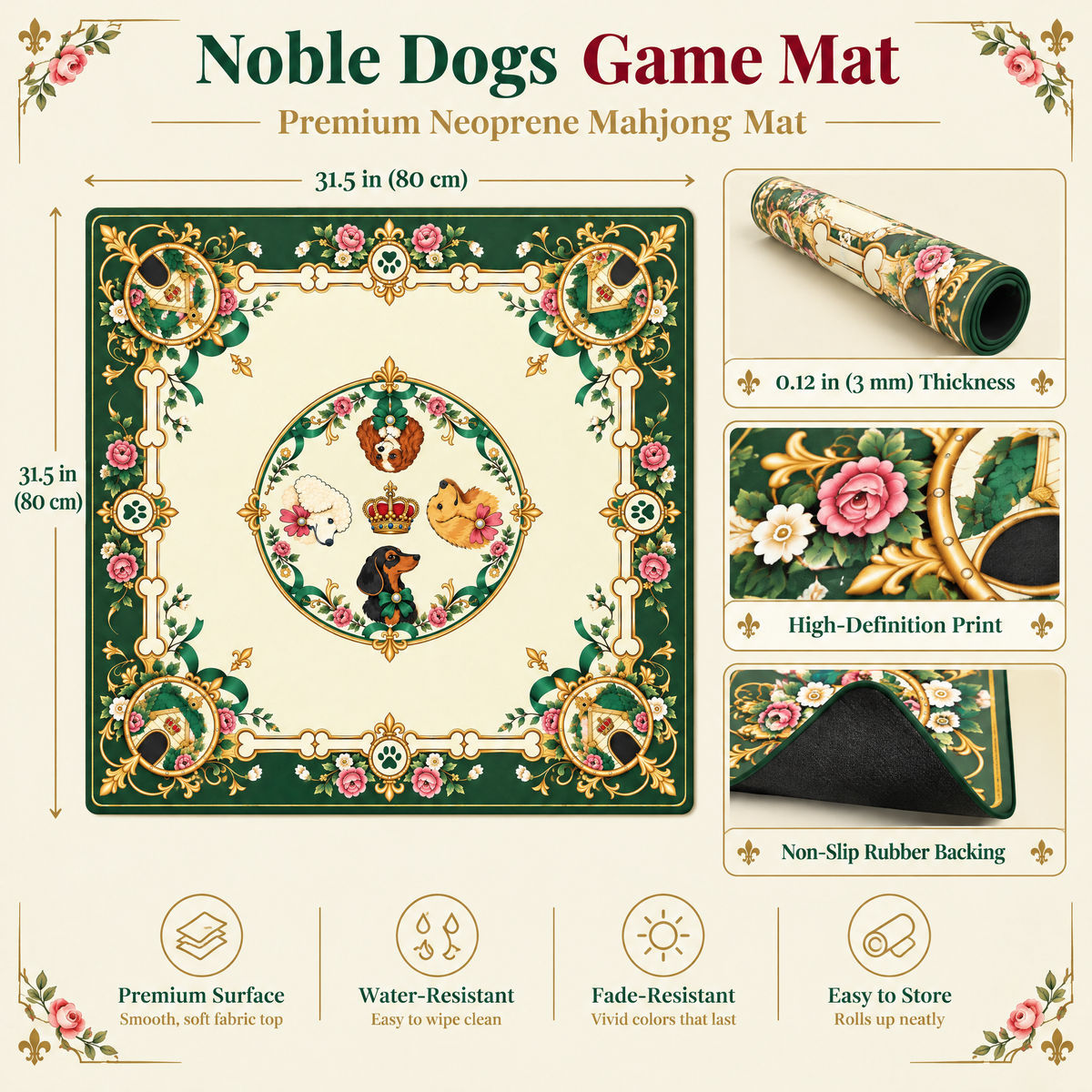
Mat or cover | Optional | Protects tiles and table; many clubs provide a shared mat |
Organizers will typically check that your tiles are complete, unmarked, and in good condition before your first game. If you are unsure about your set, reach out to the tournament contact and ask. Most are happy to answer questions beforehand.
What is the typical tournament format and schedule?
Savannah tournaments usually run as round-robin or bracket-style events. A typical day might include:
Registration & check-in: 30 minutes before start time
Practice round: 30–45 minutes (optional, for warming up)
Round 1–3: Four games per round, each lasting 45–90 minutes depending on skill level
Break: Lunch or mid-day social time
Results & awards: Scores tallied; prizes announced
Most tournaments last 4–6 hours and finish by early evening. Some clubs run monthly "mini" tournaments (one round, one hour) for casual players. Ask the organizer for the full schedule when you register so you can plan your day and bring enough sustenance.
✨ Find your Mahstead set — free US shipping →
How do I find out about upcoming tournaments?
Step 1: Contact the Georgia NMJL chapter. Visit the National Mah Jongg League website and look up the Georgia regional contact or chapter coordinator. They will send you a calendar of sanctioned events and local club information.
Step 2: Check Savannah venues directly. Call or email the main branch of the Savannah Public Library, local senior centers, and synagogue offices. Ask if they host mahjong tournaments or know of clubs that do.
Step 3: Search online. Look at Meetup.com, Eventbrite, and Facebook for "mahjong Savannah" or "mahjong Georgia." Many informal groups post events there.
Step 4: Ask local players. Once you join a casual game or visit a library event, ask other players where they compete. Personal referral is often the fastest way to find tournaments.
Step 5: Follow up regularly. Tournaments can be seasonal or change venues. Contact your local chapter every 6 months to stay in the loop.
Common mistakes to avoid
Playing with an outdated NMJL card. The card changes every spring. Using last year's card will disqualify your hands or confuse you during play.
Not practicing the Charleston beforehand. Many new tournament players fumble the tile-passing ritual. Practice it at home until it feels automatic.
Bringing a incomplete or damaged set. Double-check your tile count before you leave home. A missing tile or chipped joker can delay a round.
Arriving late. Tournaments have strict start times. Lateness may result in a penalty or disqualification.
Not knowing how jokers work. Jokers are wild tiles, but they cannot be used alone or in a pair. Misusing a joker is a penalty.
Rushing your moves. Take your time on your first tournament to avoid penalties. Speed comes with practice.
What to check before you buy
If you do not yet own a set, here is what to confirm before purchasing:
Tile count: American mahjong sets must have exactly 152 playing tiles plus 8 jokers (160 total). Never buy a 144-tile or 166-tile set for American play.
Clarity and readability: Tiles must be easy to read under tournament lighting. Acrylic tiles with screen-printed characters offer excellent visibility.
Weight and feel: Tournament-grade tiles should feel substantial and balanced so they do not tip or slide during play.
Storage and travel: If you plan to carry your set to tournaments, invest in a durable case or travel bag. Loose tiles will spill in your car.
Racks and pushers: Consider a set of racks with pushers so you can organize tiles quickly and reduce fumbling during timed rounds.
Many Savannah players start with a best-selling acrylic set because acrylic is durable, easy to clean, and tournament-standard. If you already play at home, bring your existing set to your first tournament—most organizers accept any complete, unmarked 152+8 set.

FAQ
Can I play mahjong tournaments online in Savannah?
Some NMJL chapters now offer sanctioned online tournaments. Contact your Georgia regional coordinator or check the NMJL website for virtual tournament dates. Online play uses the same rules and card as in-person tournaments, though timing and exposure work differently. Ask your tournament host if online brackets are available.
Do I have to pay to enter a Savannah tournament?
Yes, but costs vary. Entry fees typically cover venue rental and organizer time. Some tournaments also include a small prize pool contribution. Exact fees appear on the tournament flyer or when you register. Most range from modest amounts to cover operational costs, not profit.
What happens if I don't know a hand on the NMJL card during play?
Quickly ask another player or the tournament director for clarification. Do not guess or make assumptions. The director will confirm the pattern and rule on whether your tiles match. Taking a moment is better than playing an incorrect hand and receiving a penalty.
Can beginners really compete in Savannah tournaments?
Absolutely. Most tournaments have a beginner or novice bracket. You will play only other newer players in your division. Many organizers encourage beginners to join so they can grow the local community. Ask about beginner divisions when you register.
What if I can't find a tournament in Savannah right now?
Start a casual weekly game with friends or join a library social group. Practice at home with quality tiles and the current NMJL card. Stay connected to the Georgia NMJL chapter so you hear about future events. Building a home game often leads to organized tournaments as your group grows.


View More
View More
View More
