
Retro Mahjong Accessories: Vintage Styles for Modern Players
Last updated: Nov 23, 2026
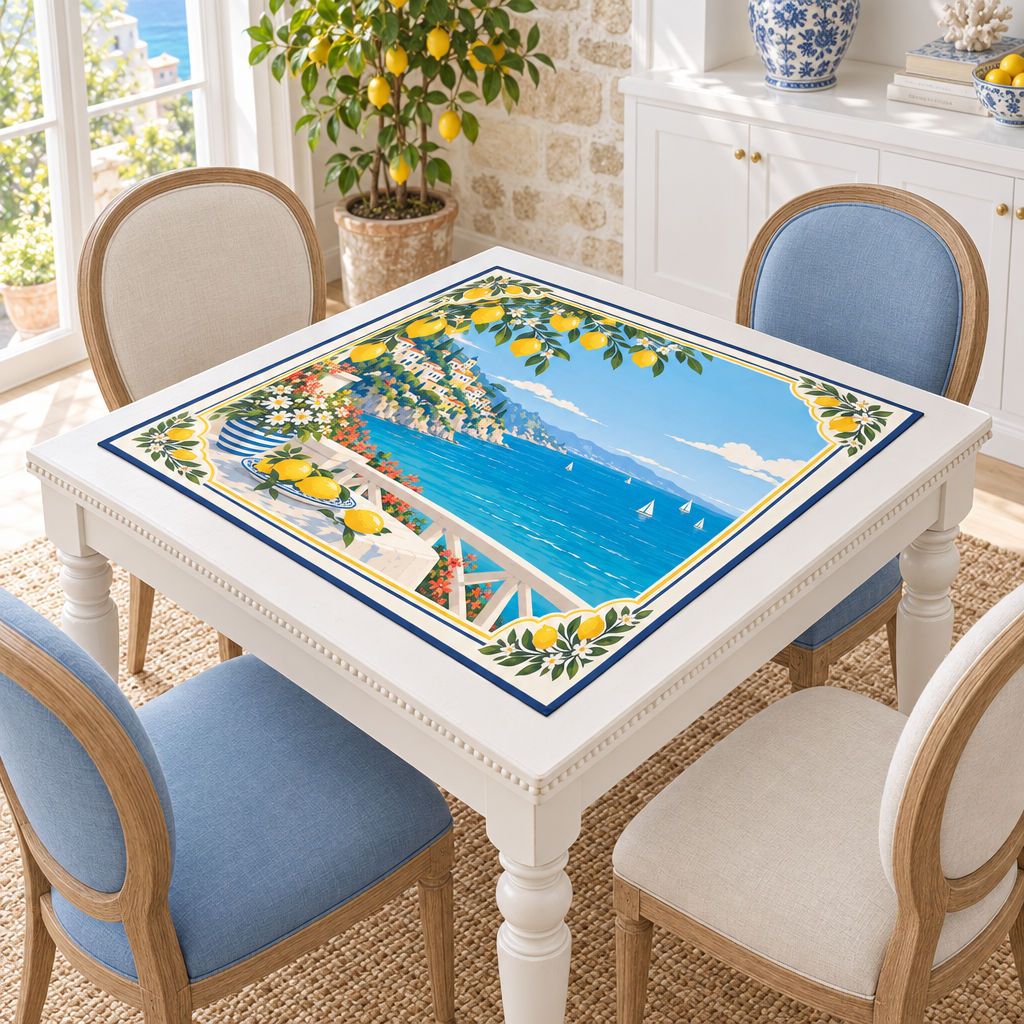
Retro mahjong accessories are modern sets, racks, mats, bags and dice designed with classic visual appeal—think warm earth tones, geometric patterns, bamboo-look finishes, or engraved titles evoking earlier eras. They range from hand-engraved tile sets (acrylic, 160 tiles, shipped free across the US) to vintage-styled wooden racks with pushers, linen or wool mats in muted hues, and brass or leather-trimmed cases. Prices vary by material and customization; browse our best-selling collection to see current options. Avoid confusing retro style with pre-owned tiles—new retro accessories offer consistent quality, no missing tiles, and the full 152-tile American mahjong set plus spares. The key is matching the aesthetic to your space and gameplay frequency: casual players often choose a single retro-styled set with a mat; serious weekly hosts invest in a coordinated retro ensemble—tiles, rack, case and mat in complementary finishes.
What makes retro mahjong accessories different from modern designs?
Retro accessories prioritize warmth and nostalgia over bright plastics or trendy minimalism. They use muted color palettes (greens, golds, creams, deep reds), engraved or embossed detailing, and natural materials or their convincing acrylic equivalents. Modern retro sets often feature hand-engraved titles, bamboo-texture racks, and linen mats with subtle patterns. The difference is intentional: a retro set evokes a 1960s–1980s living room while remaining fully functional for 2026 American mahjong rules and scoring. Choose retro if your decor leans vintage, mid-century, or eclectic; if you play competitively using the current National Mah Jongg League card, retro aesthetics don't change gameplay one bit.
🀄 Shop best-selling mahjong sets →
Which retro accessory should I buy first?
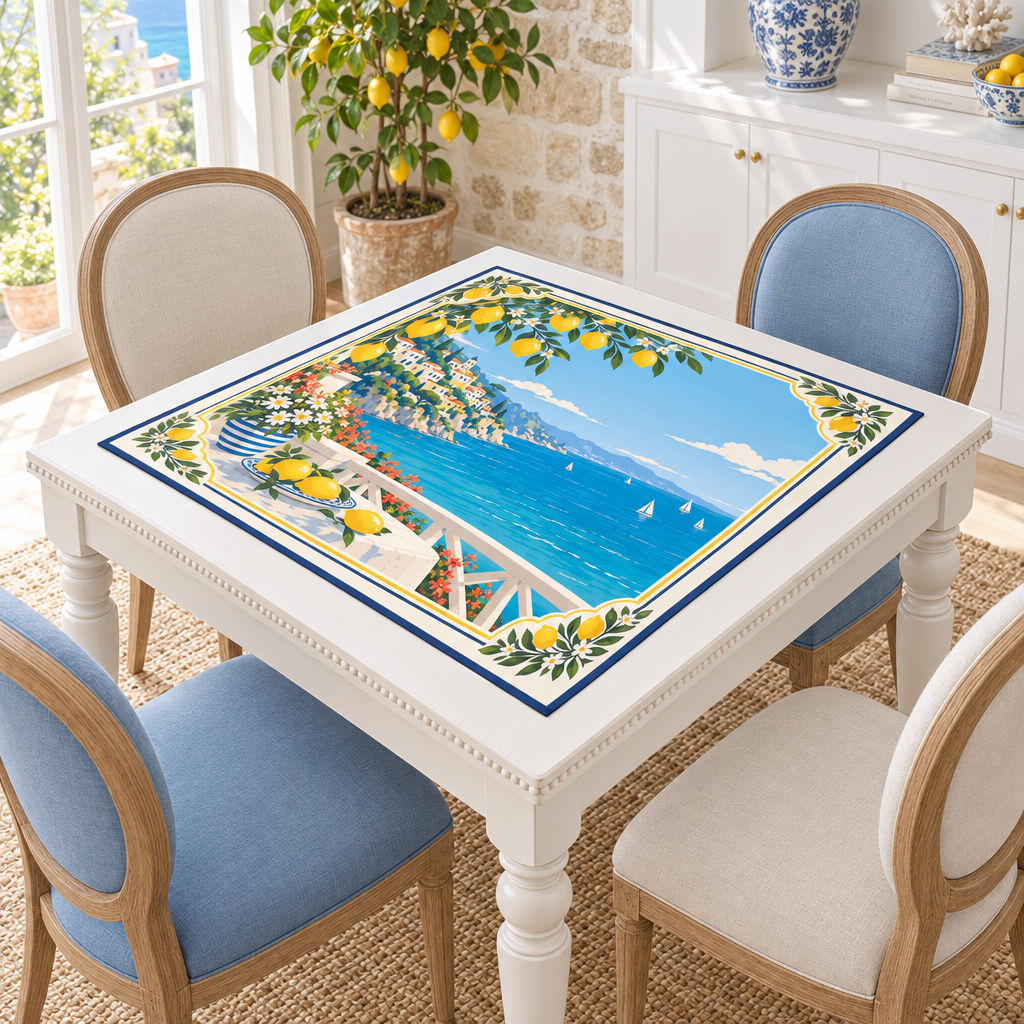
Start with the set and mat combo—they're inseparable and set the tone. A 160-tile acrylic retro set (engraved or in classic tile finishes) with a coordinating wool or linen mat gives you everything needed to host a game. Most casual weekly groups play on one mat indefinitely; racks and cases are optional but multiply enjoyment if you host frequently or travel. A retro mat anchors your table visually and protects surfaces; a matching rack keeps tiles organized and makes pushing smoother. If you're replacing an old set, prioritize durability: acrylic tiles and a quality mat outlast decades of weekly play without warping or fading.
How do engraved tiles fit the retro mahjong aesthetic?
Hand-engraved titles—your name, a year, a phrase—turn a set into a keepsake that feels heirloom-quality, which is inherently retro in spirit. Engraved American mahjong sets let you personalize with initials, "Est. 2024" or a group name; the engraving sits flush with the acrylic surface and doesn't interfere with gameplay or tile recognition. Vintage players loved monogrammed or club-branded sets; today's engraved sets capture that exclusivity without needing a time machine. The engravings age beautifully, developing patina as light catches them over years of play. If you host the same group weekly, an engraved set becomes the table's identity.
Accessory type | Best for | Retro factor | Durability |
Engraved tile set | Named groups, keepsakes, hosts | High—personal touch | Excellent |
Wool/linen mat | All players, every game | High—natural fabric, muted tones | 5–10 years with care |
Wooden rack with pushers | Frequent players, serious hosts | High—recalls vintage racks | Excellent if acrylic-backed |
Brass or leather case | Travel, storage, display | Very high—vintage materials | Excellent |
Bamboo-finish rack | Asian-inspired, minimalist retro | Medium–high | Excellent |
What's the difference between a retro mat and a modern one?
Retro mahjong mats typically use natural fiber—wool blends, linen, or heavy cotton—in solid colors (cream, sage, charcoal, rust) or subtle woven patterns. Modern mats often feature bright neons, printed graphics or synthetic materials prioritizing stain resistance. A wool mat adds weight, warmth and a tactile experience that plastic doesn't match; it also shows patina gracefully. Downsides: wool requires gentle care (no bleach, spot-clean spills, air-dry flat), costs more upfront, and can pill with heavy use. If you play weekly on the same table, the mat stays down—a retro wool mat becomes part of your ritual. For durability on a budget, look for synthetic mats in retro colors; they're easier to clean but lack the vintage feel.
What do racks and pushers add to a retro setup?
Mahjong racks with pushers are functional art. Wooden racks with acrylic-backed tiles, brass trim or carved details scream 1970s game night. Pushers—small levers that help you nudge tiles without touching—are essential for one-handed play and keeping tiles neat. Retro racks often feature warm wood tones (bamboo, walnut, natural pine) contrasting with acrylic tile surfaces. A rack signals you play seriously; casual groups often skip them and hand-hold tiles. If you host weekly or play in a tournament-style setting, a retro rack with pushers elevates the experience and protects tiles from fumbling. Match the wood tone to your mat or case for a cohesive look.
🎁 See our most-loved mahjong sets & accessories →

How do I build a complete retro mahjong setup?
Step 1: Choose your color palette. Decide on dominant tones—greens and golds, creams and rust, deep navy and brass. This anchors all other choices.
Step 2: Select a 160-tile set. Pick acrylic tiles in classic finish (cream/white base) or engraved with your group's name or year. Acrylic ensures consistency and durability.
Step 3: Match a mat. Wool in a complementary solid color or linen with a subtle geometric weave. Measure your table; most mats are 28"–32" square.
Step 4: Add a rack (optional but recommended). Wood tones that echo your mat or set. Check that pushers feel smooth and don't scratch tiles.
Step 5: Invest in a case (if you travel or store long-term). Brass corners, leather handles or vintage-style cloth. A case protects tiles and makes a statement.
Step 6: Tie it together with dice. Acrylic or bone-colored dice in the same aesthetic complete the picture.
Most weekly hosts stop at Step 3 (set + mat); serious players or gift-givers go Steps 1–6.
What to check before you buy a retro mahjong set
Tile count: Confirm 160 tiles (152 playable + spares). Never buy unlabeled tile counts; ask the seller.
Material: Acrylic is standard for durability and consistency. Bone or stone are premium, heavier, and harder to engrave. Plastic is budget but yellows faster.
Engraving clarity: If engraved, check product photos for sharp lettering and even depth. Poorly done engravings are distracting.
Mat fiber content: Read the label. Wool blends are retro but require care; synthetics are low-maintenance.
Rack compatibility: Ensure racks fit your tile size (standard acrylic is about 25mm). Test with one set before bulk orders.
Shipping: Free US shipping means no surprises; confirm the set arrives in a protective box with tiles organized in racks, not loose.
Return policy: Reputable sellers accept returns within 14–30 days if tiles are missing or defective.
✨ Find your Mahstead set — free US shipping →
Retro Styles for Different Tastes
Mid-Century Modern: Cream and gold tiles, walnut racks, wool mat in sage. Evokes 1960s sophistication. Best for: formal, design-conscious hosts.
Bohemian Eclectic: Deep reds, greens, hand-engraved ethnic-inspired patterns. Warm and lived-in. Best for: artistic groups, intergenerational players.
Minimalist Vintage: Cream tiles, natural wood, linen mat. Understated, Scandinavian-influenced. Best for: contemporary homes, calm players.
High-Gloss Retro: Polished black tiles, brass trim, leather case. 1980s glamour. Best for: serious competitive hosts, collectors.
Each style plays identically to modern sets—the current National Mah Jongg League card works the same whether your tiles are cream or neon. Style is purely about the space you create and the feeling at the table.
Shopping Retro Accessories on a Budget
If you're new to mahjong or unsure about committing to a full retro setup, start lean: buy a single retro 160-tile set and a basic linen or wool-blend mat. Skip the rack and case initially. Most casual players never feel the need for extras. Once you're hosting weekly for 6+ months, upgrade to a rack and case if you want. Our best-selling collection includes entry-level retro options that don't sacrifice durability.
If you're gifting a retro set, pair it with a mat and a printed copy of the how-to-play guide so new players aren't overwhelmed. A retro set is a statement gift—it signals you believe the recipient will treasure it.

FAQ
Can I use a retro mahjong set for American mahjong tournaments?
Yes, if tiles are acrylic, correctly sized (about 25mm), and labeled with all standard suits, winds, dragons and jokers. Check your tournament's rules; most require a certified 152-tile set with no missing or custom tiles. Engraved sets are fine as long as the core tiles are unaltered.
How often should I clean a wool mat?
Spot-clean spills immediately with cool water and a damp cloth. Vacuum gently or lint-roll weekly if you play often. Dry-clean or hand-wash in cold water once yearly if used heavily. Never machine-wash or bleach. A well-maintained wool mat lasts 5–10 years of weekly play.
Do engraved tiles cost more than plain ones?
Yes, typically. See current pricing on the product page for exact details. Hand engraving adds labor, so expect a modest premium. Many players find it worthwhile for a set they'll use for years.
Can I mix a retro set with a modern rack or mat?
Absolutely. Retro and modern aesthetics can coexist; play and function matter far more than strict styling. A retro tile set with a sleek modern mat works if the colors complement.
What's the best way to store a retro set long-term?
Keep tiles in a case with a lid (fabric or wood), store in a cool, dry place away from direct sunlight, and avoid extreme temperature shifts. A case protects against dust and accidental damage. If tiles are loose in boxes, they can crack or warp over years.
Are retro mahjong accessories suitable for beginners?
Completely. Beginners benefit from clear, durable tiles and a good mat just as much as experienced players. Retro styling doesn't change the game; it just makes the experience more pleasurable and memorable as you learn.


View More
View More
View More
