
Mahjong Open Play in Chicago: Where to Play & How to Join
Last updated: Nov 23, 2026
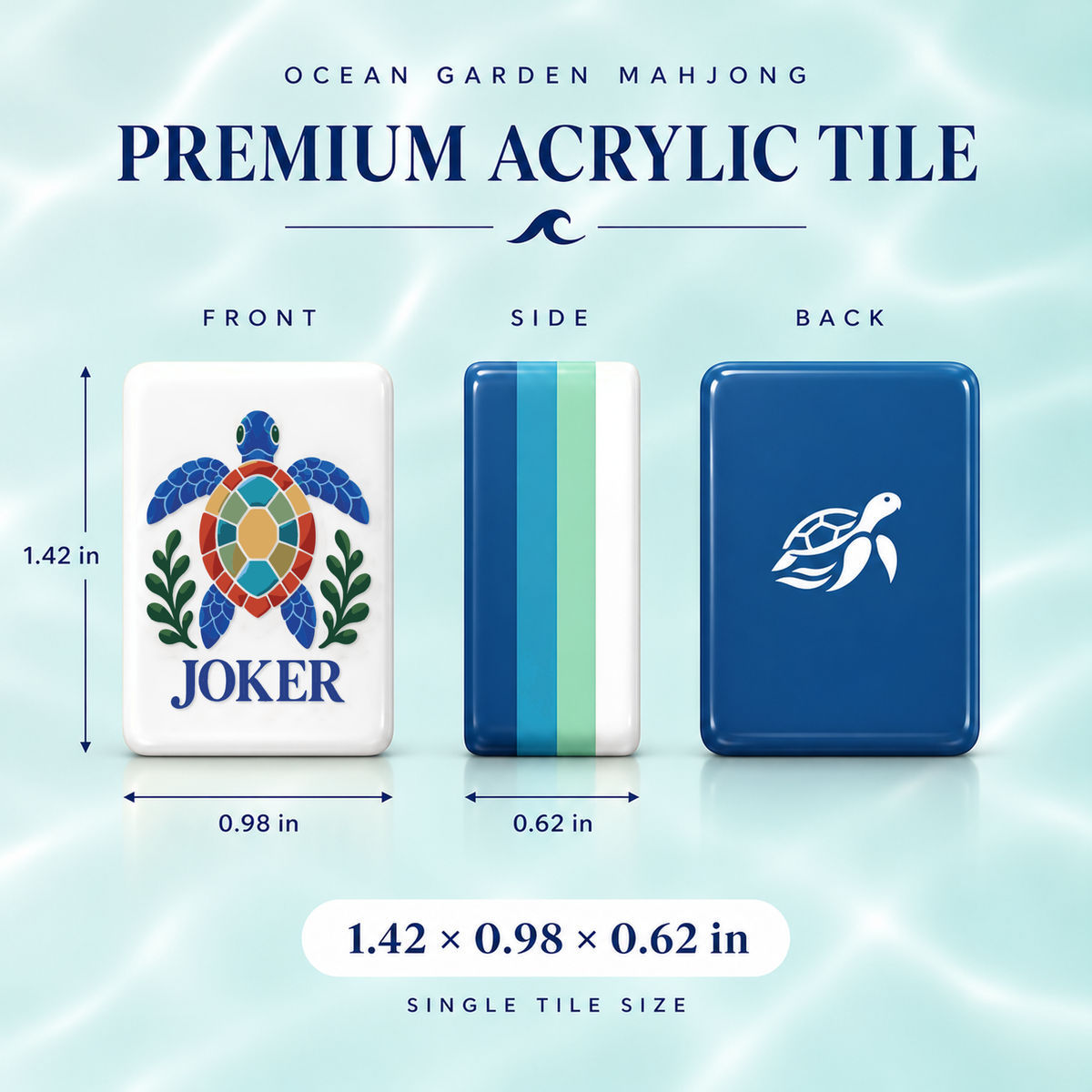
Open play in Chicago means joining established weekly or monthly mahjong groups where players of mixed skill levels gather to play American mahjong for points, friendship, or small stakes. Games typically run 2–3 hours and follow the current year's National Mah Jongg League card. You'll find open play hosted at community centers (especially on the North Shore and in neighborhoods with large populations of experienced players), public libraries with game programs, synagogues and Jewish community centers, country clubs, and local meetup boards. Most groups welcome newcomers; costs are usually zero or a small donation per session. Start by calling your nearest branch library or searching meetup platforms for "mahjong Chicago" — experienced hosts will explain skill requirements and whether you should bring your own set. From Mahstead, our best-selling mahjong sets are travel-friendly and built for regular open play. 🀄 Shop best-selling mahjong sets →
How do I find Chicago mahjong open play groups?
Start with your local branch library's events calendar or website—many Chicago Public Library locations post game schedules. Call ahead to confirm dates and skill level requirements. Search meetup.com for "mahjong Chicago" and filter by open or regular groups. Ask at your nearest Jewish community center, synagogue, or senior center; staff often know established groups even if they don't host directly. Post in Chicago-area Facebook groups dedicated to games or neighborhood activities. Most hosts are welcoming and will text or email you the address, start time (usually 6–8 pm), and whether you need your own tiles.

What should I bring to my first open play night?
Bring your own mahjong set if you have one—hosts appreciate players who own equipment and understand tile setup. Bring a pen, paper, and your phone with the current year's National Mah Jongg League card available (most groups have printed copies too). Bring small cash if the group pools for snacks or donations. Wear comfortable clothes; you'll sit for 2–3 hours. Don't bring your best jewelry or loose items—the table gets crowded. Arrive 10–15 minutes early to meet the host and other players; this signals you're serious and helps the group decide where to seat you based on skill level.
Do I need experience to join open play?
Most Chicago open play groups welcome players at all levels, though some may separate tables by experience or speed. Beginners typically sit with patient, teaching-minded players. If you've never played American mahjong, learn the basics first: how to play American mahjong covers tile names, hand structure, and the Charleston (tile-passing ritual). Experienced players expect you to know the current card and understand pungs, kongs, and how jokers work. If you're uncertain, email or call the host before showing up and ask if they recommend a beginner session or if a mixed table is fine. Honesty about your level helps the group balance play and keeps everyone having fun.
What's the difference between casual and competitive Chicago mahjong open play?
Type | Setting | Stakes | Card Use | Pace | Best For |
Casual/Social | Libraries, community centers | Zero or donation | Current NMJL card | Relaxed, teaching-friendly | Newcomers, social players |
Friendly competition | Synagogues, clubs | Low points or nominal stakes | Current NMJL card | Steady, focused | Regular players seeking structure |
Serious/Club play | Private clubs (members only) | Higher points/stakes | Current NMJL card, often score sheets | Fast, minimal chat | Experienced players, tournaments |
Casual groups prioritize fun and conversation; players help each other, explain tiles, and laugh at mistakes. Competitive tables move faster, expect quiet concentration, and keep strict score. Chicago's open play scene leans casual to friendly-competitive—rarely cutthroat. Ask the host which tone their group has. If you prefer teaching-focused games, libraries and community centers are your best bet. If you want to sharpen your skills and play silently, seek synagogue or club groups with established regulars.
🎁 See our most-loved mahjong sets & accessories →

What equipment do I need if I'm joining open play regularly?
A reliable 160-tile American mahjong set is essential for regular open play. You'll also want a mat to protect the table and make tiles easier to organize—especially if you're playing weekly. Mahjong mats keep tiles from sliding and signal to the group that you're serious. If you play at different venues, a padded bag or case protects your set during transport. Mahjong racks with pushers help you organize and display your hand cleanly—optional but highly appreciated by other players and the host. Dice for rolling are usually provided by the host, but keeping your own is a backup. A rack also speeds up play and reduces accidental tile knocks.
For your first few sessions, borrow a set from a friend or the host if they have spares. Once you've confirmed you enjoy the group and play frequency, invest in your own best-selling mahjong sets. Choose a design you'll be proud to carry—acrylic sets are durable and ship free across the US, making them practical for Chicago's all-season open play schedule.
What mistakes should I avoid at Chicago open play?
Tile handling: Never leave the table mid-game without permission or move tiles carelessly. Slow, deliberate play is expected; rushing or fumbling creates tension.
Card reading: Study the current NMJL card before arriving. Don't ask "Is this hand on the card?" repeatedly—you're expected to check independently or ask the host once at setup.
Joker rules: Remember jokers can never be used as singles or pairs in American mahjong. Asking basic rules mid-game interrupts flow; clarify beforehand.
Scoring: Keep score carefully and don't dispute points unless the host is present. Write down scores clearly so there's no confusion at the end.
Etiquette: Don't pick up another player's tiles, give unsolicited strategy advice, or take photos without permission. Keep phones on silent and off the table.
Belonging: If you're not asked back, don't take it personally—group chemistry matters. Try a different group or venue. Chicago has many communities; you'll find one that fits.
What to Check Before You Buy a Set for Open Play
Tile durability: Acrylic tiles survive weekly shuffle and slide; choose a best-selling set with thick, smooth tiles.
Color clarity: Ensure Bams, Craks, and Dots are visually distinct, especially under library or community center lighting.
Fit in your bag: Measure your set case width and depth; compare to mahjong bags and cases before buying.
Spare tiles: A 160-tile set includes extras—keep them as backups for damaged or worn tiles.
Mat compatibility: If you buy a mat, confirm it fits your table or playing space.
Weight: Acrylic sets are heavier than bamboo; if you carry it weekly, test the weight at a friend's house or the host's space first.
✨ Find your Mahstead set — free US shipping →
Getting Started: A Chicago Open Play Checklist
Search for groups: Call your library or search meetup.com for "mahjong Chicago."
Confirm details: Ask about skill level, time, cost, and whether you need your own set.
Learn the basics: Review how to play American mahjong and what's in an American mahjong set.
Borrow or buy: Use a host's spare set your first night, then invest in your own if you return.
Bring essentials: Current card, pen, paper, small cash, and your set if you own one.
Arrive early: Meet the host, ask one clarifying question about house rules, then relax.
Play and observe: Your first game is learning; don't worry about winning.
Ask for feedback: After three sessions, ask the host how you're doing and whether the group is a fit.
Chicago's mahjong community is warm and patient with newcomers. Open play is your entry point—affordable, regular, and deeply social. Once you're comfortable, you'll understand why so many players keep a set at home, in their car, and with friends. The game is easy to learn but takes a lifetime to master, and every table teaches you something new.

FAQ
Do I need to join a club to play open play in Chicago?
No. Open play is casual—most are hosted by public libraries, community centers, or synagogues and welcome walk-ins. Membership may be optional or cost a small annual fee, but drop-in rates are usually free or a few dollars per session.
What's the National Mah Jongg League card and where do I get it?
The NMJL card is released every spring and lists all legal hand patterns for American mahjong that year. Most open play hosts provide printed copies; you can also buy digital or printed versions directly from the National Mah Jongg League website. All players must use the current year's card.
Can I play open play if I only own a 144-tile set?
No. American mahjong open play requires exactly 152 playing tiles plus 8 jokers. A 144-tile set is for different mahjong variants. Invest in a proper 160-tile American set (152 tiles plus spares) designed for open play.
How much does open play in Chicago typically cost?
Most open play sessions are free or ask for a small donation (typically a few dollars) to cover space rental or snacks. Some synagogues or clubs may charge a membership fee, but many Chicago venues offer zero entry cost. Call ahead to confirm.
What if I make a mistake or don't know a rule during open play?
Raise your hand and ask the host—that's what they're there for. Don't guess or argue with other players. Mistakes happen; hosts expect questions from newer players. Repeat the same question once; after that, read the card or wait until the hand ends to clarify with the host privately.
Should I bring my own set to my first open play session?
Not necessary. Most hosts have spare sets available for new players. Bring your own only if you own one and feel comfortable transporting it. Your first visit is a trial; see if the group is right for you, then decide whether to invest in your own set for future sessions.


View More
View More
View More
