
Play Two-Player Mahjong Online: Rules, Platforms & Setup
Last updated: Nov 23, 2026
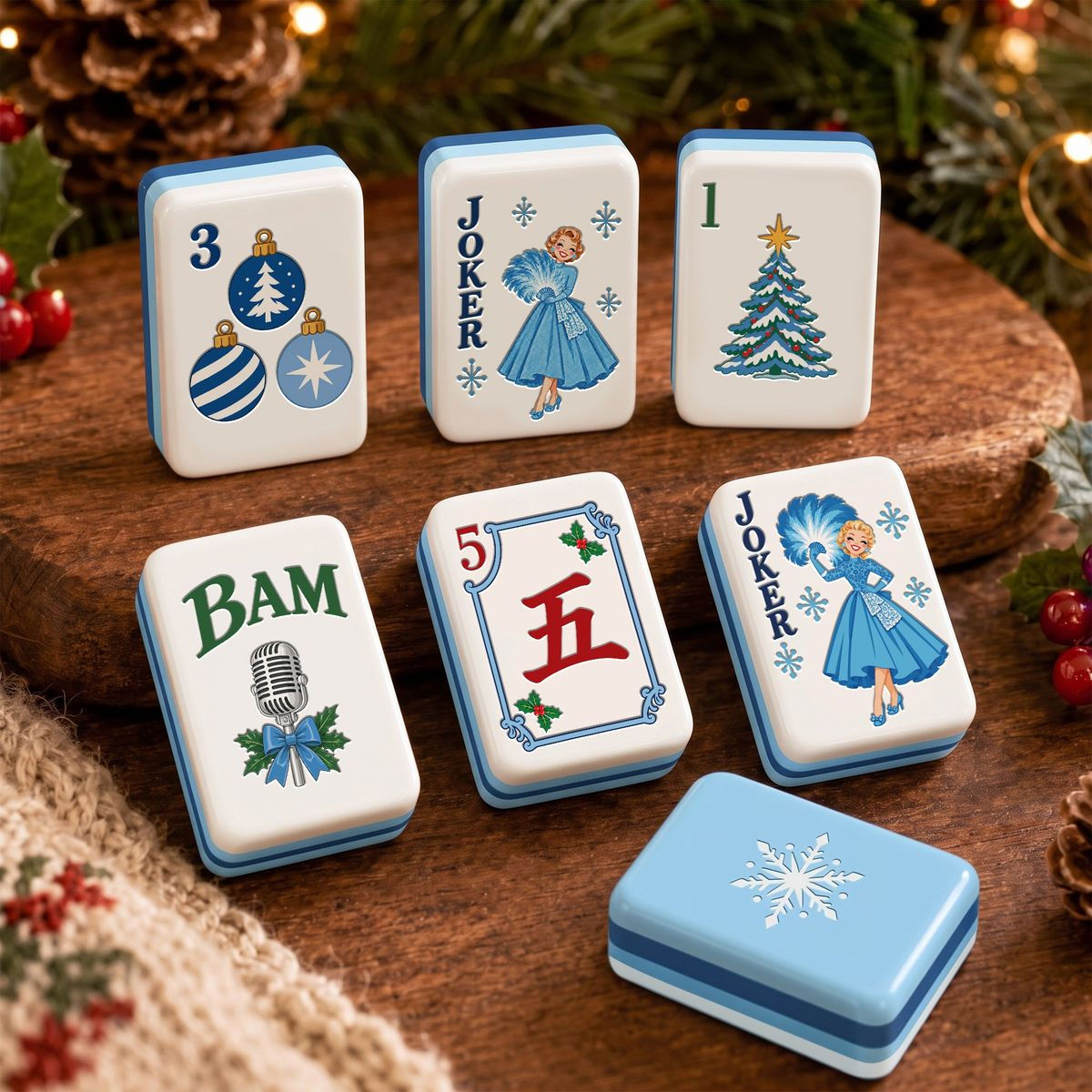
Two-player mahjong is not standard American mahjong (which requires four players). Instead, online platforms and informal play use simplified rulesets: some remove seats/wind rotations, others use a two-hand format where each player draws and discards in turns without honor rotations. Popular platforms include Mahjong Soul, Mahjong Trails, and Mahjong Ways; most are free-to-play with optional cosmetics. Games last 20–45 minutes per round. No physical tiles needed—the software manages all hands, scoring, and validation. Honestly, if you love American mahjong's tile-reading and card-based hands, two-player online feels like a different game; it's faster and more about reaction time than memory. If you're curious, start free on any platform before investing in an American set for four-player home games with your group.
Two-player mahjong online is genuinely different from the American game we host in our weekly circles. American mahjong is built for exactly four players, a dealer rotation, wind assignments, and hands pulled from the current year's National Mah Jongg League card. Online two-player formats strip all that away—no seats, no Charleston, no card. Instead, you get rapid-fire tile matching, hand-building rules unique to each platform, and scoring that rewards speed as much as strategy. If you've never played mahjong at all, this guide will show you what's possible and what you're actually signing up for.
What platforms let you play two-player mahjong right now?
The biggest three are Mahjong Soul (browser-based, app iOS/Android), Mahjong Trails (web and app), and Mahjong Ways (mobile-first). All three are free to download and play. Mahjong Soul dominates in player count and offers ranked matches; Mahjong Trails has a slower, more tactical feel; Mahjong Ways emphasizes speed and casual rounds. Each uses its own ruleset—no two platforms score identically or handle melds the same way. Start with the one your friends recommend; switching later takes five minutes. None require payment to learn or play casually, though cosmetics and themes cost extra if you want them.

How does two-player online mahjong differ from American mahjong rules?
American mahjong has no chows (sequences like 1-2-3) and requires all hands from a physical league card; two-player online allows sequences and builds hands on the fly. American mahjong uses exactly 152 tiles with eight jokers and rotates seating; online platforms reduce tiles, remove seats, and joker rules vary. Online scoring is often immediate and algorithmic (software calculates points instantly); American mahjong scoring is manual, follows a written chart, and can take debate. American mahjong rewards long-term planning (you buy in with the Charleston, hold tiles strategically); online rewards quick decisions and hand adaptability. If you love American mahjong's puzzle-like card-reading, online play will feel loose and rapid. If you want to learn mahjong fundamentals (which tiles pair, why sequences matter, how to spot winning patterns), online is excellent. The core concept—matching, melding, blocking opponents—transfers perfectly.
Which two-player platform suits your style?
Platform | Best for | Game length | Why pick it |
Mahjong Soul | Ranked players, tournament prep | 15–30 min | Largest community, daily tournaments, full replays |
Mahjong Trails | Casual, thoughtful play | 25–40 min | Slower pacing, fewer tiles, easier to follow |
Mahjong Ways | Mobile, one-handed play | 10–20 min | Fast rounds, no login required, pick-up-and-play |
Start with whichever your friends already use—learning the platform's quirks matters more than picking the "best" one objectively. Play five free rounds before deciding if the ruleset clicks for you.
🀄 Shop best-selling mahjong sets →
Can you learn two-player online and then switch to American mahjong?
Yes—but expect retraining. Online teaches you tile recognition, hand patterns, and the discipline of discarding safely. American mahjong adds: reading a card with 88 hands, the Charleston passing ritual, honor rotations per wind, and how jokers work (they're never in pairs, always wildcards). The tile suit names carry over perfectly (Bams, Craks, Dots); the strategic mindset (watch what others discard, don't cash out early) transfers directly. But you'll need to memorize the current year's League card—no guessing hands. Most players we know start online for fun, then graduate to American mahjong when they want deeper play. The two are complementary, not competing; neither beats the other. Online sharpens reflexes; American rewards memory and patience.

What equipment do you need for online play versus a home mahjong group?
For online: a device (phone, tablet, or computer), free app or browser access, and Wi-Fi. Download time is under 5 minutes. For American mahjong at home: you need a full set with all 152 tiles (eight jokers included), a mat to organize hands, and ideally racks with pushers so tiles stay in place. A best-selling acrylic mahjong set is durable enough for weekly play and lasts years; sets are designed for easy shuffling, quick counting, and zero tile breakage. If you're online-only, you need nothing physical. If you ever want to host four players, a full set and mat are essential—and they're worth the investment if you'll play more than once a month.
What should you check before downloading a two-player app?
Test three things: • Match quality: Play one free match solo (against the AI) to see if the tiles feel responsive and the UI is clear. Bad responsiveness kills the fun. • Your ruleset: Read the platform's quick-start guide or watch a 2-minute YouTube clip in your language. Scoring rules differ wildly; knowing them upfront saves frustration. • Connection stability: Play offline or in airplane mode first if the app offers it. If it disconnects mid-game, you'll know before ranked play matters.
Never pay for a cosmetic or ranked pass until you've played at least five free rounds. The game itself is free; cosmetics are entirely optional. If the platform requires a purchase just to play, move on—every major platform lets you play forever for free.
🎁 See our most-loved mahjong sets & accessories →
Is two-player online a stepping stone to learning American mahjong with friends?
Honestly, yes—for some people. Online is lower-pressure: you play strangers, no one judges mistakes, and you can quit and retry anytime. That builds confidence. When you then join a four-player American mahjong group, you already understand hand patterns, tile mechanics, and why certain discards are risky. You'll learn the card and Charleston faster because you're not also learning to recognize tiles. But online alone won't teach you American mahjong's social rhythm: the dealer rotation, how to read at-table signals, why certain players throw certain tiles. American mahjong is a social game; it lives in the banter and the memory of what your friend always does. Online is solitary even with opponents. If you want to play with a friend group eventually, online is excellent prep—then join a local game and let experienced players teach you their house rules.
✨ Find your Mahstead set — free US shipping →
What to check before you buy an American mahjong set
If you've played two-player online and now want to host a four-player home game, here's what matters:
152 tiles + 8 jokers minimum: Any set sold should include all tiles needed for one complete game. Verify the tile count on the product page before adding to cart.
Durable material: Acrylic tiles outlast resin; they don't yellow or chip after 50+ games. Mahstead acrylic sets are made for regular play, not display.
Clear markings: Tiles should be easy to read in any light. Test a photo under your table lamp before ordering.
Racks and mat included or available: You'll want racks with pushers to organize each player's hand and a mat to define the play space and protect your table.

FAQ
Can I play American mahjong two-player online too?
No—American mahjong requires four players and a rotated dealer seat. Platforms like Mahjong Soul don't support American ruleset. If you want American play online, you'd need a private video call with friends at a physical table (each with their own home set). Online platforms are built for simplified, fast-paced variants only.
Do I need to know American mahjong before playing online?
No. Online teaches you from scratch. Download, watch a 3-minute tutorial, and play. American mahjong is a separate game entirely; you don't need it as prep. Online and American mahjong are sister games that share tile names and meld concepts but use different rules, scoring, and strategy depth.
How long does one two-player game take?
Typically 15–40 minutes depending on platform and player speed. Mahjong Soul games average 20–30 minutes; Mahjong Trails average 30–40 minutes. Ranked rounds may go longer if stakes are high. Casual play is faster because players make quicker choices.
Are there ever cash tournaments for two-player online mahjong?
Some platforms like Mahjong Soul offer cosmetic-only tournaments (prizes are skins or avatar items, not money). Real money tournaments exist on certain regional platforms but vary by country and local law. Stick to free play unless you researched the platform's legal status in your area first.
If I move from online to American mahjong, do I need to relearn everything?
Tile names and hand patterns carry over perfectly. You'll learn the new scoring system, the Charleston ritual, and the National Mah Jongg League card—all teach-able in one session with experienced players. Most online players pick up American rules within three games. The jump is easier than learning mahjong for the first time.
What's the cheapest way to start an American mahjong group at home?
One best-selling acrylic set, one mat, and one pair of dice. Racks are optional but highly recommended. Expect to spend less than most board games for a complete starter kit. All Mahstead sets ship free across the US, so compare features and design before choosing.


View More
View More
View More
